Average score
P1
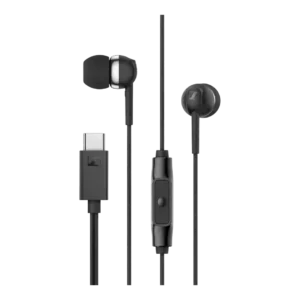
Product 1: Sennheiser CX 80U Wired Earbuds
4.0
P2
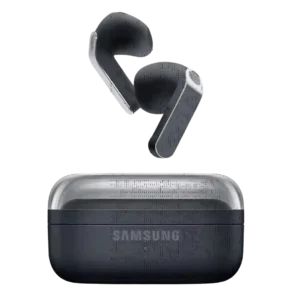
Product 2: Samsung Galaxy Buds 4
3.9
Active noise cancellation
P1Product 1: Sennheiser CX 80U Wired Earbuds
No score yet
P2
Product 2: Samsung Galaxy Buds 4
2.8
ANC is the main weakness. The open design limits sealing, so the effect is modest against chatter and steady noise and much less convincing against higher-frequency or sudden sounds, even if it appears somewhat improved over Buds 3.
Android compatibility
P1
Product 1: Sennheiser CX 80U Wired Earbuds
4.7
USB-C compatibility is a clear strength, with successful use on Android phones in both reviews and no reported compatibility issues.
P2
Product 2: Samsung Galaxy Buds 4
4.6
Android compatibility is strong, and Galaxy phones get the most complete experience. Non-Samsung Android users still get meaningful control through Samsung's software, but the best extras remain Galaxy-first.
App
P1
Product 1: Sennheiser CX 80U Wired Earbuds
1.2
There is no companion app, which is typical for wired earbuds but still limits customization and feature depth.
P2
Product 2: Samsung Galaxy Buds 4
4.3
Samsung's settings integration and Wearables app expose useful controls, EQ options, and ANC adjustments. The software feels feature-rich, though some advanced features stay exclusive to Galaxy phones.
Bass performance
P1
Product 1: Sennheiser CX 80U Wired Earbuds
4.3
Bass is punchy, agile, and clean rather than bloated, but both reviews suggest the very lowest bass lacks some rumble and weight.
P2
Product 2: Samsung Galaxy Buds 4
4.4
Bass is a standout strength, with reviewers repeatedly calling it punchy, warm, and satisfyingly deep for an open-fit earbud. It is not as textured as the Pro model, but it gives the Buds 4 a lively, full sound.
Battery
P1Product 1: Sennheiser CX 80U Wired Earbuds
No score yet
P2
Product 2: Samsung Galaxy Buds 4
3.5
Battery life is acceptable rather than exceptional at roughly 5 to 6 hours from the buds and up to 30 hours with the case. Reviewers treat endurance as serviceable, not a category advantage.
Bluetooth
P1Product 1: Sennheiser CX 80U Wired Earbuds
No score yet
P2
Product 2: Samsung Galaxy Buds 4
4.4
Connectivity looks strong overall, helped by Bluetooth 6.1 and solid range in real-world use. The bigger limitation is not dropouts but that the smartest switching behavior is mostly reserved for Samsung-centric setups.
Build quality
P1
Product 1: Sennheiser CX 80U Wired Earbuds
4.5
Build quality is viewed positively, with one review specifically calling it impressive for such an inexpensive wired model.
P2
Product 2: Samsung Galaxy Buds 4
4.2
Build and finish are seen as more refined than the previous generation, with a more polished stem design and cleaner execution. The Buds 4 feel premium enough for the price, though not especially rugged.
Built-in DAC and hi-res playback
P1
Product 1: Sennheiser CX 80U Wired Earbuds
4.9
One review specifically highlights the integrated DAC and 24-bit/96kHz playback support as a real value-add for budget wired listening.
P2Product 2: Samsung Galaxy Buds 4
No score yetButton control usability
P1
Product 1: Sennheiser CX 80U Wired Earbuds
3.5
The in-line controls are easy to press and responsive, but overall functionality is basic and volume adjustment is a notable limitation.
P2Product 2: Samsung Galaxy Buds 4
No score yetCable quality
P1
Product 1: Sennheiser CX 80U Wired Earbuds
3.5
The cable looks slim and tidy, but the non-flat design can bunch up and tangle in a pocket.
P2Product 2: Samsung Galaxy Buds 4
No score yetCarry case quality
P1Product 1: Sennheiser CX 80U Wired Earbuds
No score yet
P2
Product 2: Samsung Galaxy Buds 4
4.3
The case earns positive marks for its flatter layout, translucent lid, and practical physical pairing button. It feels useful and better thought out than a generic accessory shell.
Comfort during long use
P1
Product 1: Sennheiser CX 80U Wired Earbuds
4.7
Comfort is one of the strongest recurring themes, with both reviews describing long listening sessions as easy and irritation-free.
P2
Product 2: Samsung Galaxy Buds 4
4.1
Comfort is one of the Buds 4's biggest wins, especially for listeners who prefer open-fit earbuds or have smaller ears. The only caveat is that the looser fit can require occasional readjustment.
Design and Aesthetics
P1
Product 1: Sennheiser CX 80U Wired Earbuds
3.9
The CX 80U looks understated and practical overall, with one reviewer liking the classy silver accents while another found the design too plain to stand out.
P2
Product 2: Samsung Galaxy Buds 4
4.3
Design feedback is favorable overall: slimmer stems, a cleaner case, and a more polished look improve the presentation. The main knock is that the styling still feels very close to Apple's template.
Ear tip size options
P1
Product 1: Sennheiser CX 80U Wired Earbuds
4.4
Multiple eartip sizes help users dial in both comfort and seal, which directly supports the earbuds' fit and passive isolation.
P2Product 2: Samsung Galaxy Buds 4
No score yetEqualizer customization
P1
Product 1: Sennheiser CX 80U Wired Earbuds
1.1
There is effectively no EQ customization here, so users cannot tailor the sound profile beyond tip choice and source settings.
P2
Product 2: Samsung Galaxy Buds 4
4.7
EQ flexibility is unusually strong for mainstream earbuds, with both a multi-band equalizer and preset options available. This gives listeners real room to tailor the sound signature.
Frequency response accuracy
P1
Product 1: Sennheiser CX 80U Wired Earbuds
4.4
Reviewers consistently describe the tuning as balanced and accurate for the price, with natural vocals, convincing tonal balance, and good detail retrieval.
P2Product 2: Samsung Galaxy Buds 4
No score yetIncluded accessories
P1
Product 1: Sennheiser CX 80U Wired Earbuds
3.7
The accessory bundle is basic but useful, mainly centered on extra eartips rather than premium extras.
P2Product 2: Samsung Galaxy Buds 4
No score yetInstrument separation
P1
Product 1: Sennheiser CX 80U Wired Earbuds
4.2
Layering and separation are generally good for a budget model, though one review noted that mids are not as distinctly separated as on pricier alternatives.
P2
Product 2: Samsung Galaxy Buds 4
4.3
The Buds 4 separate vocals, synths, percussion, and layered mixes well for the class. They are not hyper-analytical, but they rarely sound congested or smeared.
Integrated microphone
P1
Product 1: Sennheiser CX 80U Wired Earbuds
3.8
An in-line mic is included for calls and voice use, but it feels more functional than premium.
P2Product 2: Samsung Galaxy Buds 4
No score yetMaximum volume clarity
P1
Product 1: Sennheiser CX 80U Wired Earbuds
4.7
At higher listening levels, the earbuds stay controlled and avoid the harsh or tinny edge that often hurts cheap wired earbuds.
P2Product 2: Samsung Galaxy Buds 4
No score yetMicrophone noise reduction
P1Product 1: Sennheiser CX 80U Wired Earbuds
No score yet
P2
Product 2: Samsung Galaxy Buds 4
4.2
Noise reduction during calls performs better than expected and can suppress loud background noise effectively. The tradeoff is that strong processing can make the speaker sound a bit digitized.
Microphone quality for calls
P1
Product 1: Sennheiser CX 80U Wired Earbuds
3.0
Mic performance is acceptable but not exceptional, with decent vocal clarity offset by noticeable static in one review.
P2
Product 2: Samsung Galaxy Buds 4
3.9
Call quality is good in quiet spaces and usable in noisier ones, but it is not best-in-class. Voices remain understandable, though they can sound slightly muffled or processed compared with stronger premium rivals.
Midrange clarity
P1
Product 1: Sennheiser CX 80U Wired Earbuds
4.4
Mids are clear and robust, especially for vocals and acoustic material, though they do not reach the finesse of more expensive earbuds.
P2
Product 2: Samsung Galaxy Buds 4
4.3
Midrange tuning is clear and well judged, keeping vocals and core instruments present even with the Buds 4's fuller bass. This helps the earbuds sound richer than many entry-level competitors.
Multi-platform compatibility
P1
Product 1: Sennheiser CX 80U Wired Earbuds
4.7
Cross-device compatibility is excellent for a wired USB-C model, with smooth use reported on phones, tablets, and laptops.
P2
Product 2: Samsung Galaxy Buds 4
2.4
Basic listening works across devices, but the overall experience is plainly Samsung-centric. iPhone users and people mixing Apple, Windows, and Galaxy hardware lose access to several of the best features.
Multipoint connectivity reliability
P1Product 1: Sennheiser CX 80U Wired Earbuds
No score yet
P2
Product 2: Samsung Galaxy Buds 4
3.0
Automatic switching is strongest inside the Galaxy ecosystem and notably less convenient elsewhere. Mixed-device users should expect more manual intervention than they would want at this price.
Noise isolation (passive)
P1
Product 1: Sennheiser CX 80U Wired Earbuds
4.4
Passive isolation is a standout strength, with the seal doing a surprisingly strong job of reducing office chatter and everyday outside noise.
P2
Product 2: Samsung Galaxy Buds 4
2.1
Passive isolation is weak because the open design does not create a proper seal. That physical limitation is a big reason the ANC never becomes truly class-competitive.
Software/setup simplicity
P1
Product 1: Sennheiser CX 80U Wired Earbuds
5.0
Setup is about as simple as it gets: plug in the USB-C connector and start listening with no app, pairing, or extra steps required.
P2
Product 2: Samsung Galaxy Buds 4
4.3
Setup and customization are straightforward on Galaxy phones and still manageable on other Android devices through Wearables. The biggest friction comes from Galaxy-only options rather than a confusing interface.
Sound quality
P1
Product 1: Sennheiser CX 80U Wired Earbuds
4.7
Sound quality is the main reason to buy the CX 80U, with both reviews describing it as unusually refined, detailed, and balanced for the price. The wired USB-C path delivers clean, detailed playback and is a big part of why these earbuds outperform many cheap rivals.
P2
Product 2: Samsung Galaxy Buds 4
4.4
Sound quality is the clearest reason to buy the Buds 4. Across the reviews, the earbuds are praised for rich tuning, strong bass, clear vocals, and a presentation that beats many direct price rivals.
Soundstage width
P1
Product 1: Sennheiser CX 80U Wired Earbuds
4.4
The presentation has more openness and spatial breathing room than expected at this price, helping the earbuds sound immersive rather than cramped.
P2
Product 2: Samsung Galaxy Buds 4
4.4
For everyday earbuds, the Buds 4 sound fairly open and spacious, especially with higher-quality Galaxy playback modes enabled. They do not sound huge, but they avoid the boxed-in feel common at this tier.
Spatial audio
P1Product 1: Sennheiser CX 80U Wired Earbuds
No score yet
P2
Product 2: Samsung Galaxy Buds 4
2.8
Spatial audio is present as a headline feature, but clear enthusiasm is limited. It adds another box to the feature list more than it defines the Buds 4 listening experience.
Stability
P1
Product 1: Sennheiser CX 80U Wired Earbuds
4.6
With the right eartips, the earbuds stay in place well enough for desk use and walking.
P2
Product 2: Samsung Galaxy Buds 4
2.8
Fit stability is acceptable for regular daily use, but the open shape can shift enough to require adjustment. This is not the best pick for people who prioritize a locked-in feel.
Touch control responsiveness
P1Product 1: Sennheiser CX 80U Wired Earbuds
No score yet
P2
Product 2: Samsung Galaxy Buds 4
4.5
Touch and stem-based controls are a strength. Reviewers repeatedly call them easy to locate, responsive, and customizable, with the flatter stem helping usability.
Treble clarity
P1
Product 1: Sennheiser CX 80U Wired Earbuds
4.7
Treble is vivid and expressive without turning harsh, which helps preserve detail and a sense of space.
P2
Product 2: Samsung Galaxy Buds 4
4.6
Treble comes through cleanly with good detail and vocal presence. Reviewers do not describe it as harsh or thin, which helps the Buds 4 avoid sounding brittle despite their lively tuning.
USB-C
P1
Product 1: Sennheiser CX 80U Wired Earbuds
4.9
USB-C is a major advantage here, making the earbuds feel current and widely usable across modern devices.
P2Product 2: Samsung Galaxy Buds 4
No score yetVoice assistant integration
P1Product 1: Sennheiser CX 80U Wired Earbuds
No score yet
P2
Product 2: Samsung Galaxy Buds 4
4.0
Voice assistant support is solid on paper, with access to Bixby and Gemini plus Galaxy-focused conveniences. It adds real hands-free utility, even if reviewers do not treat it as the product's main selling point.
Water/sweat resistance rating
P1
Product 1: Sennheiser CX 80U Wired Earbuds
1.2
No water-resistance rating is highlighted, so these are a poor fit for buyers who need workout or rain-friendly earbuds.
P2
Product 2: Samsung Galaxy Buds 4
3.1
IP54 is enough for sweat and light splashes, making the Buds 4 workable for everyday workouts and commuting. Still, the rating is not especially rugged and is a downgrade from tougher earlier protection.
Weight comfort
P1
Product 1: Sennheiser CX 80U Wired Earbuds
4.7
The earbuds are very light, which contributes to their easy long-session comfort and unobtrusive feel.
P2Product 2: Samsung Galaxy Buds 4
No score yet