Average score
P1
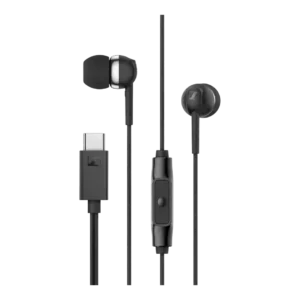
Product 1: Sennheiser CX 80U Wired Earbuds
4.0
P2
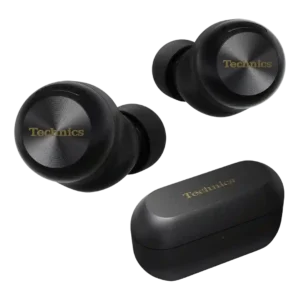
Product 2: Technics EAH-AZ100 Earbuds
4.1
Active noise cancellation
P1Product 1: Sennheiser CX 80U Wired Earbuds
No score yet
P2
Product 2: Technics EAH-AZ100 Earbuds
4.3
ANC is widely rated top-tier for everyday noise and transit rumble, but several reviews stop short of calling it the absolute best in the category. Noise control is highly adjustable, with adaptive ANC plus granular sliders that let you tune intensity and reduce pressure effects.
Android compatibility
P1
Product 1: Sennheiser CX 80U Wired Earbuds
4.7
USB-C compatibility is a clear strength, with successful use on Android phones in both reviews and no reported compatibility issues.
P2Product 2: Technics EAH-AZ100 Earbuds
No score yetApp
P1
Product 1: Sennheiser CX 80U Wired Earbuds
1.2
There is no companion app, which is typical for wired earbuds but still limits customization and feature depth.
P2
Product 2: Technics EAH-AZ100 Earbuds
4.2
The Technics Audio Connect app is feature-rich (ANC, EQ, multipoint, spatial settings), but some reviews call the interface clunky or menu-heavy.
aptX
P1Product 1: Sennheiser CX 80U Wired Earbuds
No score yet
P2
Product 2: Technics EAH-AZ100 Earbuds
1.0
Several reviews explicitly note aptX codecs are not supported.
Audio-video sync accuracy
P1Product 1: Sennheiser CX 80U Wired Earbuds
No score yet
P2
Product 2: Technics EAH-AZ100 Earbuds
5.0
Where tested, audio-video sync is reported as excellent with minimal to no noticeable lag.
Bass performance
P1
Product 1: Sennheiser CX 80U Wired Earbuds
4.3
Bass is punchy, agile, and clean rather than bloated, but both reviews suggest the very lowest bass lacks some rumble and weight.
P2
Product 2: Technics EAH-AZ100 Earbuds
4.5
Bass is repeatedly called deep and unusually controlled for true wireless, though one review found it can feel heavy or change with ANC settings.
Battery
P1Product 1: Sennheiser CX 80U Wired Earbuds
No score yet
P2
Product 2: Technics EAH-AZ100 Earbuds
4.5
Battery life is commonly reported around 10 hours with ANC on (AAC) plus substantial case recharges, with lower figures when using high-res modes.
Bluetooth
P1Product 1: Sennheiser CX 80U Wired Earbuds
No score yet
P2
Product 2: Technics EAH-AZ100 Earbuds
4.7
Bluetooth stability is generally reported as reliable with few dropouts across devices and environments.
Build quality
P1
Product 1: Sennheiser CX 80U Wired Earbuds
4.5
Build quality is viewed positively, with one review specifically calling it impressive for such an inexpensive wired model.
P2Product 2: Technics EAH-AZ100 Earbuds
No score yetBuilt-in DAC and hi-res playback
P1
Product 1: Sennheiser CX 80U Wired Earbuds
4.9
One review specifically highlights the integrated DAC and 24-bit/96kHz playback support as a real value-add for budget wired listening.
P2Product 2: Technics EAH-AZ100 Earbuds
No score yetButton control usability
P1
Product 1: Sennheiser CX 80U Wired Earbuds
3.5
The in-line controls are easy to press and responsive, but overall functionality is basic and volume adjustment is a notable limitation.
P2Product 2: Technics EAH-AZ100 Earbuds
No score yetCable quality
P1
Product 1: Sennheiser CX 80U Wired Earbuds
3.5
The cable looks slim and tidy, but the non-flat design can bunch up and tangle in a pocket.
P2Product 2: Technics EAH-AZ100 Earbuds
No score yetCarry case quality
P1Product 1: Sennheiser CX 80U Wired Earbuds
No score yet
P2
Product 2: Technics EAH-AZ100 Earbuds
3.9
The case is generally pocketable and premium-feeling, but some reviews mention weak magnets, slight rattle, or scratch/scuff issues.
Charging
P1Product 1: Sennheiser CX 80U Wired Earbuds
No score yet
P2
Product 2: Technics EAH-AZ100 Earbuds
4.5
Charging is praised for USB-C plus Qi wireless and quick-charge support; full recharge times are typically a few hours.
Codec support
P1Product 1: Sennheiser CX 80U Wired Earbuds
No score yet
P2
Product 2: Technics EAH-AZ100 Earbuds
4.5
Codec support is strong (SBC/AAC plus LDAC and LC3/LE Audio features noted), appealing to both iOS users and Android audiophiles.
Comfort during long use
P1
Product 1: Sennheiser CX 80U Wired Earbuds
4.7
Comfort is one of the strongest recurring themes, with both reviews describing long listening sessions as easy and irritation-free.
P2
Product 2: Technics EAH-AZ100 Earbuds
4.2
Comfort is widely rated high thanks to a smaller/lighter fit, though some users may still experience fatigue or fit variability over long sessions.
Design and Aesthetics
P1
Product 1: Sennheiser CX 80U Wired Earbuds
3.9
The CX 80U looks understated and practical overall, with one reviewer liking the classy silver accents while another found the design too plain to stand out.
P2
Product 2: Technics EAH-AZ100 Earbuds
3.6
Design is viewed as premium and more compact than the prior model, though not everyone finds it the sleekest-looking option.
Ear tip size options
P1
Product 1: Sennheiser CX 80U Wired Earbuds
4.4
Multiple eartip sizes help users dial in both comfort and seal, which directly supports the earbuds' fit and passive isolation.
P2
Product 2: Technics EAH-AZ100 Earbuds
4.1
Multiple ear tip sizes are commonly included, helping most users achieve a seal, though tip choice remains key to fit.
Equalizer customization
P1
Product 1: Sennheiser CX 80U Wired Earbuds
1.1
There is effectively no EQ customization here, so users cannot tailor the sound profile beyond tip choice and source settings.
P2
Product 2: Technics EAH-AZ100 Earbuds
4.3
EQ customization is a strength, often cited as an 8-band EQ plus presets that can significantly change the sound.
Find My
P1Product 1: Sennheiser CX 80U Wired Earbuds
No score yet
P2
Product 2: Technics EAH-AZ100 Earbuds
3.4
Find My/location features are present, but feedback varies; some appreciate the feature, while others complain the locating beep or accuracy is limited.
Frequency response accuracy
P1
Product 1: Sennheiser CX 80U Wired Earbuds
4.4
Reviewers consistently describe the tuning as balanced and accurate for the price, with natural vocals, convincing tonal balance, and good detail retrieval.
P2Product 2: Technics EAH-AZ100 Earbuds
No score yetIncluded accessories
P1
Product 1: Sennheiser CX 80U Wired Earbuds
3.7
The accessory bundle is basic but useful, mainly centered on extra eartips rather than premium extras.
P2Product 2: Technics EAH-AZ100 Earbuds
No score yetInstrument separation
P1
Product 1: Sennheiser CX 80U Wired Earbuds
4.2
Layering and separation are generally good for a budget model, though one review noted that mids are not as distinctly separated as on pricier alternatives.
P2
Product 2: Technics EAH-AZ100 Earbuds
4.6
Instrument separation is frequently praised on busy tracks, helping the AZ100 stay clean and layered.
Integrated microphone
P1
Product 1: Sennheiser CX 80U Wired Earbuds
3.8
An in-line mic is included for calls and voice use, but it feels more functional than premium.
P2Product 2: Technics EAH-AZ100 Earbuds
No score yetLDAC
P1Product 1: Sennheiser CX 80U Wired Earbuds
No score yet
P2
Product 2: Technics EAH-AZ100 Earbuds
4.5
LDAC support is frequently highlighted for higher-quality Android streaming, with the usual battery-life tradeoff.
Maximum volume clarity
P1
Product 1: Sennheiser CX 80U Wired Earbuds
4.7
At higher listening levels, the earbuds stay controlled and avoid the harsh or tinny edge that often hurts cheap wired earbuds.
P2Product 2: Technics EAH-AZ100 Earbuds
No score yetMicrophone noise reduction
P1Product 1: Sennheiser CX 80U Wired Earbuds
No score yet
P2
Product 2: Technics EAH-AZ100 Earbuds
3.9
Voice noise reduction is often effective at cutting wind and background noise, though aggressive processing can create artifacts.
Microphone quality for calls
P1
Product 1: Sennheiser CX 80U Wired Earbuds
3.0
Mic performance is acceptable but not exceptional, with decent vocal clarity offset by noticeable static in one review.
P2
Product 2: Technics EAH-AZ100 Earbuds
3.8
Call quality is mixed: many find it usable or improved, while others report robotic processing or, in one case, serious call glitches.
Midrange clarity
P1
Product 1: Sennheiser CX 80U Wired Earbuds
4.4
Mids are clear and robust, especially for vocals and acoustic material, though they do not reach the finesse of more expensive earbuds.
P2
Product 2: Technics EAH-AZ100 Earbuds
3.9
Midrange is generally clear and natural for vocals, with occasional notes that bass-heavy mixes can push voices slightly back.
Multi-platform compatibility
P1
Product 1: Sennheiser CX 80U Wired Earbuds
4.7
Cross-device compatibility is excellent for a wired USB-C model, with smooth use reported on phones, tablets, and laptops.
P2Product 2: Technics EAH-AZ100 Earbuds
No score yetMultipoint connectivity reliability
P1Product 1: Sennheiser CX 80U Wired Earbuds
No score yet
P2
Product 2: Technics EAH-AZ100 Earbuds
4.6
Three-device multipoint is a major differentiator and is often described as seamless; occasional switching lag is mentioned but not common.
Noise isolation (passive)
P1
Product 1: Sennheiser CX 80U Wired Earbuds
4.4
Passive isolation is a standout strength, with the seal doing a surprisingly strong job of reducing office chatter and everyday outside noise.
P2Product 2: Technics EAH-AZ100 Earbuds
No score yetPreset EQ profile quality
P1Product 1: Sennheiser CX 80U Wired Earbuds
No score yet
P2
Product 2: Technics EAH-AZ100 Earbuds
3.7
Preset EQ options are generally useful, though some (like extra-bassy modes) may be too much for neutral listeners.
Smudge resistance
P1Product 1: Sennheiser CX 80U Wired Earbuds
No score yet
P2
Product 2: Technics EAH-AZ100 Earbuds
3.9
Case finish durability is mixed, with some noting scratches/scuffs and others calling it relatively scratch-resistant.
Software/setup simplicity
P1
Product 1: Sennheiser CX 80U Wired Earbuds
5.0
Setup is about as simple as it gets: plug in the USB-C connector and start listening with no app, pairing, or extra steps required.
P2
Product 2: Technics EAH-AZ100 Earbuds
3.3
Setup is mostly straightforward, but the lack of a case pairing button and some app UX quirks can add friction.
Sound quality
P1
Product 1: Sennheiser CX 80U Wired Earbuds
4.7
Sound quality is the main reason to buy the CX 80U, with both reviews describing it as unusually refined, detailed, and balanced for the price. The wired USB-C path delivers clean, detailed playback and is a big part of why these earbuds outperform many cheap rivals.
P2
Product 2: Technics EAH-AZ100 Earbuds
4.5
Reviews consistently praise the AZ100 for highly detailed, spacious sound with strong dynamics; a few note the default tuning can be bass-forward or benefit from EQ.
Soundstage width
P1
Product 1: Sennheiser CX 80U Wired Earbuds
4.4
The presentation has more openness and spatial breathing room than expected at this price, helping the earbuds sound immersive rather than cramped.
P2
Product 2: Technics EAH-AZ100 Earbuds
4.6
Soundstage is a standout: multiple outlets describe an immersive, wide presentation that feels larger than typical earbuds.
Spatial audio
P1Product 1: Sennheiser CX 80U Wired Earbuds
No score yet
P2
Product 2: Technics EAH-AZ100 Earbuds
4.0
Dolby spatial audio/head tracking is supported and can add immersion, but some reviewers find it subtle or prefer it off for music.
Stability
P1
Product 1: Sennheiser CX 80U Wired Earbuds
4.6
With the right eartips, the earbuds stay in place well enough for desk use and walking.
P2
Product 2: Technics EAH-AZ100 Earbuds
3.6
Fit stability varies: many report a secure hold, while some reviewers experienced looseness or buds falling out during vigorous movement.
Touch control responsiveness
P1Product 1: Sennheiser CX 80U Wired Earbuds
No score yet
P2
Product 2: Technics EAH-AZ100 Earbuds
4.1
Touch controls are responsive and highly configurable, with the main complaint being occasional over-sensitivity.
Transparency mode quality
P1Product 1: Sennheiser CX 80U Wired Earbuds
No score yet
P2
Product 2: Technics EAH-AZ100 Earbuds
4.0
Transparency/ambient mode is strong and adjustable, but some reviewers note hiss at higher levels, an unnatural voice-focused mode, or not enough outside sound for awareness.
Treble clarity
P1
Product 1: Sennheiser CX 80U Wired Earbuds
4.7
Treble is vivid and expressive without turning harsh, which helps preserve detail and a sense of space.
P2
Product 2: Technics EAH-AZ100 Earbuds
3.9
Treble is described as airy and detailed without harshness, but a few critics wanted more sparkle or presence.
USB-C
P1
Product 1: Sennheiser CX 80U Wired Earbuds
4.9
USB-C is a major advantage here, making the earbuds feel current and widely usable across modern devices.
P2
Product 2: Technics EAH-AZ100 Earbuds
5.0
USB-C charging is consistently supported and frequently mentioned as a modern convenience.
Water/sweat resistance rating
P1
Product 1: Sennheiser CX 80U Wired Earbuds
1.2
No water-resistance rating is highlighted, so these are a poor fit for buyers who need workout or rain-friendly earbuds.
P2
Product 2: Technics EAH-AZ100 Earbuds
4.0
The earbuds are commonly cited as IPX4-rated for sweat and light rain, but not for heavy water exposure.
Weight comfort
P1
Product 1: Sennheiser CX 80U Wired Earbuds
4.7
The earbuds are very light, which contributes to their easy long-session comfort and unobtrusive feel.
P2Product 2: Technics EAH-AZ100 Earbuds
No score yet