Average score
P1
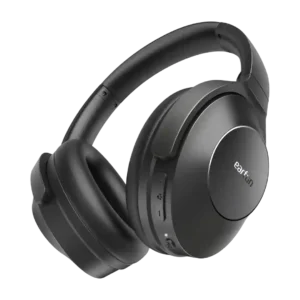
Product 1: EarFun Wave Life Wireless Headphones
3.1
P2
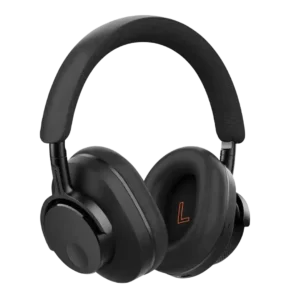
Product 2: Cambridge Audio Melomania P100 SE...
4.2
3.5mm analog input availability
P1
Product 1: EarFun Wave Life Wireless Headphones
0.0
There is no 3.5mm analog input; wired listening is described as USB-C rather than a normal headphone cable.
P2Product 2: Cambridge Audio Melomania P100 SE...
No score yetActive noise cancellation
P1
Product 1: EarFun Wave Life Wireless Headphones
2.8
ANC is widely discussed but rarely praised as excellent; reviewers generally found it acceptable for low-frequency noise and limited for traffic, voices, or stronger expectations.
P2
Product 2: Cambridge Audio Melomania P100 SE...
4.1
ANC is generally judged good or improved, though not always elite; reviewers praised effectiveness while noting Sony/Bose-class options can still outperform it.
Advanced software features
P1
Product 1: EarFun Wave Life Wireless Headphones
4.1
Advanced software support is strong, with hearing tests, sound profiles, custom controls, and app-based features repeatedly mentioned.
P2
Product 2: Cambridge Audio Melomania P100 SE...
4.1
Advanced software features such as DynamEQ and app changes are useful but taste-dependent, with some reviewers liking the added energy and others preferring simpler original tuning.
Aesthetics / discreet profile
P1
Product 1: EarFun Wave Life Wireless Headphones
3.0
The profile is discreet but plain, with black-only styling and a generic look.
P2
Product 2: Cambridge Audio Melomania P100 SE...
3.8
Aesthetics split reviewers: some liked the clean design and blue color, while another found the wide look silly when worn.
ANC background noise level
P1
Product 1: EarFun Wave Life Wireless Headphones
2.6
ANC reduces some low-frequency noise but struggles with chatter, traffic, or busier environments across several reviews.
P2
Product 2: Cambridge Audio Melomania P100 SE...
4.3
Background noise reduction is viewed as improved and effective, but not the quietest in the class according to comparison-focused reviewers.
ANC effect on sound signature
P1Product 1: EarFun Wave Life Wireless Headphones
No score yet
P2
Product 2: Cambridge Audio Melomania P100 SE...
3.5
ANC's effect on the sound signature is mixed: one review praised the lack of tonal shift, while another found ANC-on tuning messier on the SE.
ANC sound impact on audio
P1Product 1: EarFun Wave Life Wireless Headphones
No score yet
P2
Product 2: Cambridge Audio Melomania P100 SE...
3.5
ANC sound impact is similarly split, with TechRadar praising tonal consistency and RecordingNow hearing a more problematic change with ANC on.
Android compatibility
P1
Product 1: EarFun Wave Life Wireless Headphones
4.5
Android compatibility is directly supported through the EarFun Audio app availability on Android and iOS.
P2
Product 2: Cambridge Audio Melomania P100 SE...
4.5
Android setup worked smoothly in the tested pairing flow, with the reviewer connecting quickly to a Samsung foldable device.
App
P1
Product 1: EarFun Wave Life Wireless Headphones
4.1
The EarFun app is consistently viewed as useful, easy to navigate, and important for improving or customizing the headphones.
P2
Product 2: Cambridge Audio Melomania P100 SE...
4.7
The app is widely praised for EQ, controls, and clean layout, though one reviewer wanted clearer EQ frequency labeling.
aptX
P1Product 1: EarFun Wave Life Wireless Headphones
No score yet
P2
Product 2: Cambridge Audio Melomania P100 SE...
5.0
aptX Lossless support is treated as part of the impressive specification.
Audio-video sync accuracy
P1
Product 1: EarFun Wave Life Wireless Headphones
4.1
Low-latency and audio-video sync evidence is positive overall, with reviewers reporting game mode, low latency, or no noticeable delay.
P2
Product 2: Cambridge Audio Melomania P100 SE...
4.5
Gaming/low-latency performance was judged snappy and suitable for videos and fast-paced games.
Auto-play/wear detection
P1
Product 1: EarFun Wave Life Wireless Headphones
0.0
Wear detection or auto-play behavior is missing, with one reviewer saying the headphones do not automatically pause.
P2
Product 2: Cambridge Audio Melomania P100 SE...
3.5
Wear-detection auto play/pause mostly worked but showed a brief audio cutout in one hands-on test.
Award recognition
P1Product 1: EarFun Wave Life Wireless Headphones
No score yet
P2
Product 2: Cambridge Audio Melomania P100 SE...
5.0
RecordingNow gave the product a strong S-Tier expert score, reflecting award-style recognition in that review.
Bass performance
P1
Product 1: EarFun Wave Life Wireless Headphones
3.6
Bass is one of the most discussed traits, ranging from powerful and enjoyable to overemphasized, muddy, or bloated depending on reviewer and tuning.
P2
Product 2: Cambridge Audio Melomania P100 SE...
4.2
Bass earns strong praise for impact and EQ potential, but some reviewers found the SE tuning too bass-forward or not fully controlled.
Battery
P1
Product 1: EarFun Wave Life Wireless Headphones
4.4
Battery life is a clear strength, with repeated support for 60 hours without ANC and around 37 hours with ANC.
P2
Product 2: Cambridge Audio Melomania P100 SE...
5.0
Battery life is one of the clearest strengths, repeatedly called excellent, incredible, extraordinary, or best-in-class.
Bluetooth
P1
Product 1: EarFun Wave Life Wireless Headphones
4.4
Bluetooth performance is a strength overall, with reviewers citing long range, stable connections, and Bluetooth 5.x support.
P2
Product 2: Cambridge Audio Melomania P100 SE...
4.5
Bluetooth-related experiences were largely positive where judged through pairing and multipoint behavior.
Bluetooth version
P1
Product 1: EarFun Wave Life Wireless Headphones
4.4
Most reviews cite Bluetooth 5.4, with one citing Bluetooth 5.3; overall, the evidence supports a modern Bluetooth version.
P2Product 2: Cambridge Audio Melomania P100 SE...
No score yetBuild quality
P1
Product 1: EarFun Wave Life Wireless Headphones
2.9
Build quality is mixed: some reviewers found solid construction for the price, while others criticized plastic, rough edges, or flimsiness.
P2
Product 2: Cambridge Audio Melomania P100 SE...
4.9
Build quality is consistently praised as sturdy, premium, or strong for the price, with only minor creaking noted in one review.
Built-in DAC and hi-res playback
P1
Product 1: EarFun Wave Life Wireless Headphones
3.6
Hi-res or wired playback evidence is mixed: USB-C lossless and hi-res playback are supported, but one reviewer found wired playback worse.
P2Product 2: Cambridge Audio Melomania P100 SE...
No score yetButton control usability
P1
Product 1: EarFun Wave Life Wireless Headphones
3.9
Button controls are mostly useful and tactile, although one review thought the controls felt cheap.
P2
Product 2: Cambridge Audio Melomania P100 SE...
4.8
Physical button controls are praised for usability and responsiveness.
Cable quality
P1
Product 1: EarFun Wave Life Wireless Headphones
1.5
Cable quality is a weakness: reviewers described the bundled USB-C cable as very short, thick, or awkward.
P2
Product 2: Cambridge Audio Melomania P100 SE...
4.0
Cable quality receives a positive note for the included USB-C and 3.5mm cables.
Carry case quality
P1
Product 1: EarFun Wave Life Wireless Headphones
0.2
Carry case quality scores poorly because reviewers repeatedly state that no carrying case, pouch, or bag is included.
P2
Product 2: Cambridge Audio Melomania P100 SE...
4.3
The hard case is generally sturdy and solid, but its size hurts compactness.
Charging
P1
Product 1: EarFun Wave Life Wireless Headphones
4.2
Charging is well supported through USB-C and quick-charge claims, though cable length or quality can be a drawback.
P2Product 2: Cambridge Audio Melomania P100 SE...
No score yetClamping force comfort
P1Product 1: EarFun Wave Life Wireless Headphones
No score yet
P2
Product 2: Cambridge Audio Melomania P100 SE...
3.9
Clamping force is mostly acceptable or well judged, though one review found the fit snug compared with rivals.
Codec support
P1
Product 1: EarFun Wave Life Wireless Headphones
3.8
Codec support is disputed: one review notes only AAC/SBC and no high-fidelity codecs, while another reports LDAC support.
P2
Product 2: Cambridge Audio Melomania P100 SE...
5.0
Codec support is praised through aptX Adaptive and aptX Lossless support, but wireless LDAC absence is a separate limitation.
Comfort during long use
P1
Product 1: EarFun Wave Life Wireless Headphones
4.4
Comfort is one of the strongest areas, with reviewers repeatedly praising long-wear comfort and low fatigue.
P2
Product 2: Cambridge Audio Melomania P100 SE...
3.9
Comfort is mixed: some reviewers found it comfortable or improved, while others criticized weight, snugness, or headband pressure over time.
Connectivity options
P1
Product 1: EarFun Wave Life Wireless Headphones
4.1
Connectivity options are good for the price thanks to Bluetooth multipoint, USB-C wired playback, and pass-through or ANC modes.
P2
Product 2: Cambridge Audio Melomania P100 SE...
5.0
Wired listening options are appreciated as part of the broader connectivity package.
Design and Aesthetics
P1
Product 1: EarFun Wave Life Wireless Headphones
3.1
Design is functional but plain: some reviewers liked the budget-friendly design, while others found it generic or forgettable.
P2
Product 2: Cambridge Audio Melomania P100 SE...
4.6
Design is usually viewed positively, especially the clean lines and color options, although the look is not universally loved.
Durability over time
P1
Product 1: EarFun Wave Life Wireless Headphones
2.0
One review raises a durability-over-time concern by warning that scratches may appear quickly with bag use.
P2
Product 2: Cambridge Audio Melomania P100 SE...
4.5
Durability is judged positively through solid materials and a reviewer description of the headphones as durable overall.
Ear cup padding quality
P1
Product 1: EarFun Wave Life Wireless Headphones
4.1
Ear cup padding is consistently positive, with foam, memory foam, and soft cushions repeatedly called comfortable.
P2
Product 2: Cambridge Audio Melomania P100 SE...
4.5
Ear cup padding and space are generally praised for plushness, roominess, and comfort.
Ear cup swivel/rotation range
P1
Product 1: EarFun Wave Life Wireless Headphones
4.1
Ear cup movement is strong, with several reviews describing 90-degree swivel, rotation, or folding behavior.
P2
Product 2: Cambridge Audio Melomania P100 SE...
4.0
Ear cup rotation is judged useful and flexible where reviewed.
Earpad noise
P1Product 1: EarFun Wave Life Wireless Headphones
No score yet
P2
Product 2: Cambridge Audio Melomania P100 SE...
3.5
One reviewer heard slight creaking during movement, but described it as minor.
Equalizer customization
P1
Product 1: EarFun Wave Life Wireless Headphones
4.1
EQ customization is a major strength, with repeated support for custom EQ, sliders, and a 10-band or graphic equalizer.
P2
Product 2: Cambridge Audio Melomania P100 SE...
4.9
EQ customization is a major strength, with reviewers praising the seven-band EQ and how well the headphones respond to tuning.
Features at launch
P1
Product 1: EarFun Wave Life Wireless Headphones
4.0
One review frames the launch feature set as strong for the price, delivering most core features at a lower cost.
P2
Product 2: Cambridge Audio Melomania P100 SE...
4.5
Feature coverage is viewed positively, with reviewers noting modern ANC-headphone features and useful app-based controls.
Frequency response accuracy
P1
Product 1: EarFun Wave Life Wireless Headphones
2.3
Frequency response evidence is polarized, from clean and controlled in one review to distorted or lacking dynamics in another.
P2
Product 2: Cambridge Audio Melomania P100 SE...
3.3
Frequency-response impressions are mixed because the SE sounds warmer and less flat than the original, even though the tonal balance can be adjusted.
Headband adjustability
P1
Product 1: EarFun Wave Life Wireless Headphones
4.0
The headband adjustment is supported by one review noting a metal slider with good range.
P2
Product 2: Cambridge Audio Melomania P100 SE...
4.5
Headband adjustability was not evaluated directly beyond factual mechanism mentions.
Headband padding quality
P1
Product 1: EarFun Wave Life Wireless Headphones
3.7
Headband padding is supported by comments about pleather or memory-foam padding that contributes to comfort.
P2
Product 2: Cambridge Audio Melomania P100 SE...
3.4
Headband padding is one of the more divisive comfort points, ranging from improved and comfortable to stiff or not meaningfully changed.
Hinge durability
P1
Product 1: EarFun Wave Life Wireless Headphones
3.2
Hinge and flex durability evidence is mixed but generally acceptable, from concerns about flimsiness to solid hinges and little creaking.
P2
Product 2: Cambridge Audio Melomania P100 SE...
5.0
Hinge feel and arm construction are praised for tightness, friction, and premium movement.
Immersive audio quality
P1
Product 1: EarFun Wave Life Wireless Headphones
3.5
One reviewer praised the headphones for picking out subtle gameplay sounds, suggesting passable immersive performance for gaming.
P2
Product 2: Cambridge Audio Melomania P100 SE...
5.0
Immersion is praised through wide, effortless soundstage comments, even without spatial audio.
Included accessories
P1
Product 1: EarFun Wave Life Wireless Headphones
2.0
Included accessories are minimal, usually limited to a USB-C cable, documentation, and no case.
P2
Product 2: Cambridge Audio Melomania P100 SE...
4.5
Included accessories are appreciated, especially the case and cable management touches.
Instrument separation
P1
Product 1: EarFun Wave Life Wireless Headphones
2.7
Instrument separation is mixed: ZDNET praised discernible sounds, but PCMag and Tom's Guide found details lost or buried.
P2
Product 2: Cambridge Audio Melomania P100 SE...
4.8
Detail retrieval and instrument separation are praised in both written and hands-on listening tests.
Integrated microphone
P1
Product 1: EarFun Wave Life Wireless Headphones
3.8
Integrated microphones are confirmed across multiple reviews, typically as four built-in or AI-assisted mics.
P2
Product 2: Cambridge Audio Melomania P100 SE...
4.0
Microphone quality is good in quiet conditions, but noise suppression is less impressive in background noise.
LDAC
P1
Product 1: EarFun Wave Life Wireless Headphones
5.0
One review specifically credits LDAC support with enabling high-quality wireless streaming.
P2
Product 2: Cambridge Audio Melomania P100 SE...
2.0
LDAC is a clear omission for reviewers who expect high-res wireless codec support.
Maximum volume clarity
P1
Product 1: EarFun Wave Life Wireless Headphones
3.2
Maximum-volume clarity receives mixed support, with some reviewers reporting clean playback and others hearing distortion or amplified flaws.
P2
Product 2: Cambridge Audio Melomania P100 SE...
4.8
Clarity at higher volume is praised, with reviewers noting strong clarity and no distortion at raised levels.
Microphone noise reduction
P1
Product 1: EarFun Wave Life Wireless Headphones
3.2
Microphone noise handling is present and sometimes effective, but reviewers also heard room echo, sibilance fuzziness, or only moderate background suppression.
P2
Product 2: Cambridge Audio Melomania P100 SE...
3.0
Microphone noise reduction is weaker than some competitors, with one reviewer saying it does not filter as much background noise.
Microphone quality for calls
P1
Product 1: EarFun Wave Life Wireless Headphones
3.4
Call quality is generally serviceable to good, with several reviewers reporting clear speech and others noting fuzziness, echo, or limited nuance.
P2
Product 2: Cambridge Audio Melomania P100 SE...
4.0
Microphone quality itself is good in quiet conditions, even if background noise filtering is less strong.
Midrange clarity
P1
Product 1: EarFun Wave Life Wireless Headphones
3.2
Midrange performance is mixed: some reviewers heard clear vocals or adjustable mids, while others found vocals muted, recessed, or muffled.
P2
Product 2: Cambridge Audio Melomania P100 SE...
4.5
Mids are frequently praised as clear, rounded, and strong with vocals or instruments.
Multi-platform compatibility
P1
Product 1: EarFun Wave Life Wireless Headphones
4.0
Multi-platform use is supported by pairing across phones, laptops, tablets, iPhone, MacBook, and Android devices.
P2Product 2: Cambridge Audio Melomania P100 SE...
No score yetMultipoint connectivity reliability
P1
Product 1: EarFun Wave Life Wireless Headphones
4.3
Multipoint support is consistently mentioned and generally reliable, with some minor app-side friction in one review.
P2
Product 2: Cambridge Audio Melomania P100 SE...
4.3
Multipoint generally works, but switching can require pausing and there is no automatic switching in one test.
Noise isolation (passive)
P1
Product 1: EarFun Wave Life Wireless Headphones
1.0
Passive isolation is weak in the Tom's Guide review, where environmental noise became more obvious in Normal mode.
P2
Product 2: Cambridge Audio Melomania P100 SE...
4.8
Passive noise isolation is a notable strength, with reviewers praising how much noise is blocked before ANC.
Overall recommendation
P1
Product 1: EarFun Wave Life Wireless Headphones
3.5
Recommendations are split: several reviewers call them strong budget buys, while others advise looking elsewhere because of sound or ANC limitations.
P2
Product 2: Cambridge Audio Melomania P100 SE...
4.8
Overall recommendations are very positive, especially for sound-first buyers and value seekers, with caveats around ANC, comfort, and bulk.
Portability/foldability
P1
Product 1: EarFun Wave Life Wireless Headphones
3.7
Portability benefits from folding and swiveling cups, but the lack of a case limits travel confidence.
P2
Product 2: Cambridge Audio Melomania P100 SE...
3.0
Portability is a weakness because the headphones and case are not especially compact.
Premium feel
P1
Product 1: EarFun Wave Life Wireless Headphones
3.4
Premium feel is mixed: some reviewers were impressed for the price, while others emphasized plastic or less premium construction.
P2
Product 2: Cambridge Audio Melomania P100 SE...
4.6
Premium feel is praised through materials, finish, and comparisons to more expensive headphones.
Preset EQ profile quality
P1
Product 1: EarFun Wave Life Wireless Headphones
3.7
Preset EQ quality is mixed: reviewers liked the variety but some presets were too quiet or less useful than custom tuning.
P2
Product 2: Cambridge Audio Melomania P100 SE...
3.8
Preset and DynamEQ-style tuning are useful but taste-dependent; some presets are usable while DynamEQ can be divisive.
Replaceable earpads
P1Product 1: EarFun Wave Life Wireless Headphones
No score yet
P2
Product 2: Cambridge Audio Melomania P100 SE...
4.9
Replaceable earpads and battery-related serviceability are repeatedly praised as longevity-friendly.
Replaceable pads/headband
P1Product 1: EarFun Wave Life Wireless Headphones
No score yet
P2
Product 2: Cambridge Audio Melomania P100 SE...
4.5
Replaceable components receive praise where reviewers focus on the user-replaceable battery as a long-term ownership benefit.
Sensors
P1
Product 1: EarFun Wave Life Wireless Headphones
1.0
Sensor support appears limited because one review states the headphones do not automatically pause.
P2
Product 2: Cambridge Audio Melomania P100 SE...
4.0
Sensor performance is mostly positive through wear-detection testing, though resume behavior had a minor glitch in one review.
Sidetone adjustment quality
P1Product 1: EarFun Wave Life Wireless Headphones
No score yet
P2
Product 2: Cambridge Audio Melomania P100 SE...
2.5
Sidetone/voice passthrough needs improvement according to one reviewer who wanted clearer, louder self-voice feedback.
Smart listening features
P1
Product 1: EarFun Wave Life Wireless Headphones
4.0
Smart listening features are represented by hearing tests, sound-profile tools, and app-based calibration rather than advanced ecosystem features.
P2
Product 2: Cambridge Audio Melomania P100 SE...
4.5
Smart listening features such as DynamEQ are useful for low-volume listening but not universally preferred.
Smart Pause performance
P1
Product 1: EarFun Wave Life Wireless Headphones
0.0
Smart Pause performance is absent in the review evidence, with one reviewer stating the headphones do not auto-pause.
P2
Product 2: Cambridge Audio Melomania P100 SE...
3.5
Smart Pause works quickly in hands-on testing, though one reviewer observed a brief audio glitch when resuming.
Smudge resistance
P1
Product 1: EarFun Wave Life Wireless Headphones
1.5
One review notes poor resistance to visible dust on the buttons.
P2
Product 2: Cambridge Audio Melomania P100 SE...
4.0
The off-white finish receives a small positive note for resisting a dirty-looking appearance over time.
Software/setup simplicity
P1
Product 1: EarFun Wave Life Wireless Headphones
3.8
Setup and software use are mostly straightforward, though one review noted app connection fussiness.
P2
Product 2: Cambridge Audio Melomania P100 SE...
4.8
Setup and software are generally smooth, clean, and intuitive, with fast firmware and app interactions noted.
Sound quality
P1
Product 1: EarFun Wave Life Wireless Headphones
3.3
Reviewer evidence is sharply split: several reviewers found the sound fun or very good after EQ, while PCMag and Tom's Guide criticized the default tuning and overall fidelity.
P2
Product 2: Cambridge Audio Melomania P100 SE...
4.7
Sound quality is the strongest repeated praise, described as detailed, clear, engaging, and high value for the price.
Soundstage width
P1
Product 1: EarFun Wave Life Wireless Headphones
2.7
Soundstage is inconsistent, with some reviewers calling it constrained while others heard a decent or spacious presentation for the price.
P2
Product 2: Cambridge Audio Melomania P100 SE...
4.4
Soundstage is generally wide and spacious, though one reviewer heard it as more intimate than wide.
Spatial audio
P1Product 1: EarFun Wave Life Wireless Headphones
No score yet
P2
Product 2: Cambridge Audio Melomania P100 SE...
3.0
Spatial audio is absent, which some reviewers list as a limitation, though others say the natural soundstage reduces the sting.
Stability
P1
Product 1: EarFun Wave Life Wireless Headphones
4.2
Connection stability is generally good, with reviewers reporting largely reliable switching, rock-solid stability, and uninterrupted multipoint use.
P2Product 2: Cambridge Audio Melomania P100 SE...
No score yetSustainability and repairability
P1Product 1: EarFun Wave Life Wireless Headphones
No score yet
P2
Product 2: Cambridge Audio Melomania P100 SE...
4.9
Sustainability and repairability are praised thanks to recyclable packaging, recycled materials, user-replaceable batteries, and removable pads.
Sustainability materials
P1Product 1: EarFun Wave Life Wireless Headphones
No score yet
P2
Product 2: Cambridge Audio Melomania P100 SE...
5.0
Sustainability materials earn praise from TechRadar, especially the recycled plastic and driver material claims.
Transparency mode quality
P1
Product 1: EarFun Wave Life Wireless Headphones
3.0
Transparency or ambient mode is usable but uneven, ranging from natural enough for conversation to average, boosted, or not very effective.
P2
Product 2: Cambridge Audio Melomania P100 SE...
4.0
Transparency mode ranges from natural and useful to merely acceptable and less airy than competitors.
Travel friendliness
P1
Product 1: EarFun Wave Life Wireless Headphones
3.0
Travel friendliness is limited by the lack of a pouch or case despite foldable design.
P2
Product 2: Cambridge Audio Melomania P100 SE...
3.5
Travel friendliness is mixed: battery life is excellent for long trips, but the large case and limited folding hurt portability.
Treble clarity
P1
Product 1: EarFun Wave Life Wireless Headphones
3.1
Treble impressions vary from clear and crisp after tuning to lacking brightness, messy top notes, or excessive tinniness.
P2
Product 2: Cambridge Audio Melomania P100 SE...
4.4
Treble is often praised for detail, shine, and sparkle, but DynamEQ can make the sound more aggressive for some listeners.
USB-C
P1
Product 1: EarFun Wave Life Wireless Headphones
4.0
USB-C is a notable feature for charging and, in several reviews, wired audio playback or hi-res playback.
P2
Product 2: Cambridge Audio Melomania P100 SE...
4.5
USB-C connectivity is positively mentioned as part of the wired-listening and cable package.
Value for money
P1
Product 1: EarFun Wave Life Wireless Headphones
3.9
Value is one of the strongest themes, although the value score drops in reviews that disliked the sound quality.
P2
Product 2: Cambridge Audio Melomania P100 SE...
4.6
Value is one of the strongest themes, with reviewers repeatedly calling the P100 SE well priced or exceptional for sound quality per dollar.
Voice assistant integration
P1Product 1: EarFun Wave Life Wireless Headphones
No score yet
P2
Product 2: Cambridge Audio Melomania P100 SE...
5.0
Voice assistant access worked cleanly in hands-on testing.
Voice prompts/feedback
P1
Product 1: EarFun Wave Life Wireless Headphones
4.0
Voice prompt feedback is configurable in the app, including language changes.
P2
Product 2: Cambridge Audio Melomania P100 SE...
5.0
Voice prompts stand out positively, especially the Matt Berry/Southwark option.
Volume output
P1
Product 1: EarFun Wave Life Wireless Headphones
3.5
Volume output is adequate for some reviewers but a concern for others, especially when EQ changes reduced loudness or Bluetooth volume felt limited.
P2
Product 2: Cambridge Audio Melomania P100 SE...
4.5
Volume output is mixed: some found it loud enough or very loud, while another wanted more Bluetooth/3.5mm loudness.
Water/sweat resistance rating
P1Product 1: EarFun Wave Life Wireless Headphones
No score yet
P2
Product 2: Cambridge Audio Melomania P100 SE...
2.0
Water resistance is a weakness because one reviewer warns users to be careful due to no rating.
Wear detection auto-pause
P1
Product 1: EarFun Wave Life Wireless Headphones
0.0
Wear detection auto-pause is not present according to one review.
P2
Product 2: Cambridge Audio Melomania P100 SE...
4.0
Wear-detection auto-pause is fast, though the broader wear-detection behavior was not flawless.
Wear detection performance
P1
Product 1: EarFun Wave Life Wireless Headphones
0.0
Wear detection performance is effectively absent because the headphones do not auto-pause when removed.
P2
Product 2: Cambridge Audio Melomania P100 SE...
3.5
Wear detection performed quickly but had a resume-side glitch that the reviewer wanted fixed.
Weight comfort
P1
Product 1: EarFun Wave Life Wireless Headphones
4.2
Weight comfort is favorable, with multiple reviewers describing the headphones as light or breezy around 254-264g.
P2
Product 2: Cambridge Audio Melomania P100 SE...
3.3
Weight comfort is mixed to negative, with one reviewer calling it among the heaviest in class while another found it substantial but acceptable.
Wind noise handling
P1
Product 1: EarFun Wave Life Wireless Headphones
2.8
Wind handling is limited, with one review calling it ineffective and another only calling it decent.
P2
Product 2: Cambridge Audio Melomania P100 SE...
3.5
Wind handling is mixed: one review criticized wind noise in transparency mode, while another found ANC outdoor wind handling very good.