Compare Crimson Desert vs Saros

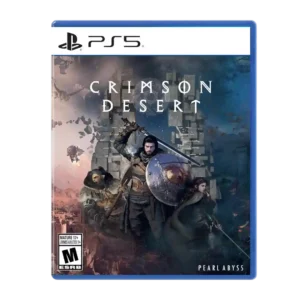
P1 Crimson Desert
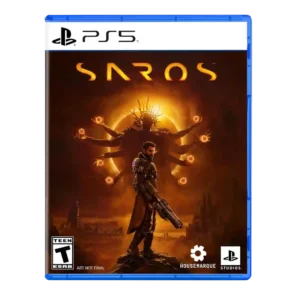
P2 Saros

Comparison Takeaways

Crimson Desert

Where It Has the Edge

  • originality is 4.5 vs 3.3. Originality is praised by reviewers who say there is nothing else quite like it.
  • animation quality is 4.3 vs 3.2. Animation quality is praised for grounded combat weight, motion capture, and strong action presentation.
  • side character depth is 3.8 vs 2.8. Side characters fare better than Kliff in some reviews, especially Greymane allies with distinct personalities or bonding moments.
  • skill tree depth is 4.2 vs 3.5. The skill trees are seen as deep and rewarding, often expanding movement and combat in noticeable ways.

Saros

Where It Has the Edge

  • save system reliability is 4.6 vs 1.5. Save-system convenience is positive thanks to suspending runs and leaving/picking up later.
  • checkpoint system is 4.7 vs 2.0. The checkpoint system is praised through teleportation shortcuts back to base after bosses.
  • controls responsiveness is 4.8 vs 2.3. Controls are widely praised as precise, responsive, and fluid, with reviewers highlighting reliable jumping, dashing, shooting, and defensive...
  • fast travel convenience is 4.7 vs 2.3. Fast travel is a major quality-of-life win, letting players return to unlocked biomes and reduce repeated early-game runs.
Average score
Product 1: Crimson Desert
3.3
Product 2: Saros
4.3
accessibility options
Product 1: Crimson Desert
No score yet
Product 2: Saros
4.5

Accessibility evidence is strong for difficulty modifiers, attack recoloring, control remapping, HUD options, and challenge customization.

AI behavior
Product 1: Crimson Desert
2.5

Enemy AI receives limited but negative early-impression evidence, with basic foes described as passive.

Product 2: Saros
No score yet
aiming precision
Product 1: Crimson Desert
2.0

Ranged aiming and bow use receive negative feedback, with bows singled out as unsatisfying regardless of investment.

Product 2: Saros
4.3

Aiming is helped by generous tracking and auto-aim options, while some weapons demand more precision; reviewers generally find the system supportive without removing challenge.

animation quality
Product 1: Crimson Desert
4.3

Animation quality is praised for grounded combat weight, motion capture, and strong action presentation.

Product 2: Saros
3.2

Animation quality has a notable caveat, with stiff character animation outside cutscenes called out despite strong overall presentation.

art direction
Product 1: Crimson Desert
3.8

The art direction mixes high fantasy, steampunk, and sci-fi elements in a way that stands out but can feel less cohesive.

Product 2: Saros
4.7

Art direction stands out through marble, statues, alien architecture, and disturbing visual motifs.

atmosphere
Product 1: Crimson Desert
4.4

Atmosphere is praised through the living world, inviting spaces, and believable towns.

Product 2: Saros
4.7

Atmosphere is a standout, with reviewers describing dread, nightmares, unease, and an entrancing alien mood.

boss design
Product 1: Crimson Desert
3.0

Bosses are one of the most polarizing elements: some reviewers call them epic and varied, while others find them frustrating, spongy, or poorly balanced.

Product 2: Saros
4.5

Boss design is a major strength, with reviewers calling bosses memorable, challenging, spectacular, and often the highlight of the experience.

bug frequency
Product 1: Crimson Desert
2.5

Bugs appear across several reviews, including progression-blocking issues and visual glitches.

Product 2: Saros
No score yet
camera behavior
Product 1: Crimson Desert
2.0

Camera behavior is a combat problem, especially when enemies surround the player or boss fights become tight.

Product 2: Saros
4.3

Camera behavior is positive in limited evidence, with fast rotation that avoids disorientation.

character development
Product 1: Crimson Desert
2.0

Character development is weak overall, with reviewers saying the main cast often lacks growth or personhood.

Product 2: Saros
4.3

Character development centers on Arjun and is generally compelling, though one reviewer frames him as flawed and difficult to like.

character roster
Product 1: Crimson Desert
3.4

The character roster adds variety through multiple playable characters, though progression across them is not always streamlined.

Product 2: Saros
4.2

The character roster is larger than Returnal’s and includes a wider crew, though reviewers differ on how much depth that cast receives.

checkpoint system
Product 1: Crimson Desert
2.0

Checkpointing can frustrate when deaths force players to repeat puzzle sections.

Product 2: Saros
4.7

The checkpoint system is praised through teleportation shortcuts back to base after bosses.

combat system
Product 1: Crimson Desert
4.1

Combat is one of the most discussed strengths, praised for impact, depth, and spectacle, but some reviews find it uneven or dragged down by encounter design.

Product 2: Saros
4.8

Combat is the strongest point: reviewers repeatedly call the shooting, shield use, projectile reading, and boss battles thrilling, tactile, and finely tuned.

companion AI
Product 1: Crimson Desert
4.0

Companions are described as useful in combat support roles, especially for weakening enemy forces.

Product 2: Saros
No score yet
content variety
Product 1: Crimson Desert
4.4

Content variety is enormous, with minigames, side activities, quests, systems, and mechanics repeatedly noted across reviews.

Product 2: Saros
4.4

Content variety is positive around weapons, variants, power weapons, bosses, and combat options, though evidence is concentrated in a few reviews.

controls responsiveness
Product 1: Crimson Desert
2.3

Controls are a repeated complaint, especially controller and keyboard mappings that reviewers call clunky, overloaded, or slow to learn.

Product 2: Saros
4.8

Controls are widely praised as precise, responsive, and fluid, with reviewers highlighting reliable jumping, dashing, shooting, and defensive timing.

core gameplay loop
Product 1: Crimson Desert
4.0

The loop works best when exploration, combat, and camp/base systems feed into each other, though not every system is equally refined.

Product 2: Saros
4.5

The core loop of repeated runs, permanent growth, and high-intensity combat is described as compelling, satisfying, and more approachable than Returnal, with some repetition noted.

crafting system
Product 1: Crimson Desert
3.3

Crafting and life-skill systems are substantial, but some reviewers find food, resources, and storage frustrating.

Product 2: Saros
No score yet
crash stability
Product 1: Crimson Desert
3.5

Crash stability is mixed, with some crashes reported but not uniformly across all reviewers.

Product 2: Saros
No score yet
dialogue quality
Product 1: Crimson Desert
1.6

Dialogue is directly criticized as hard to listen to in one review.

Product 2: Saros
3.8

Dialogue quality is uneven, with useful crew conversations but some optional dialogue or hub exchanges feeling stiff or unnatural.

difficulty balance
Product 1: Crimson Desert
2.6

Difficulty is divisive, especially around boss spikes that can feel rewarding to some and punishing or unfair to others.

Product 2: Saros
4.3

Difficulty balance is broadly positive, with tough-but-fair combat and modifiers for tailoring challenge, though one review argues the systems can overcorrect.

economy and resource balance
Product 1: Crimson Desert
2.9

Resource balance is split between an interesting trade economy and major complaints about inventory/storage limitations.

Product 2: Saros
4.3

Resource balance is supported by Lucenite pickup pressure and upgrade spending, with one review praising how drops keep players engaged in combat.

emotional impact
Product 1: Crimson Desert
2.0

The intended emotional beats are criticized for lacking payoff.

Product 2: Saros
3.4

Emotional impact is limited and mixed, with some reviewers appreciating the premise but not feeling fully invested in the cast.

endgame content
Product 1: Crimson Desert
1.5

Endgame content is criticized as minimal by one reviewer after the main story.

Product 2: Saros
3.3

Endgame content is a limitation, with one reviewer wanting a dedicated post-game activity after the story wraps.

enemy variety
Product 1: Crimson Desert
3.9

Enemy variety and density are present, but the number of enemies can become overwhelming in large fights.

Product 2: Saros
4.6

Enemy variety is praised for impressive combinations, late-game escalation, alien creature design, and visually distinct foes.

environmental detail
Product 1: Crimson Desert
4.6

Environmental detail is consistently strong, with reviewers highlighting vistas, landscapes, towns, and dense world detail.

Product 2: Saros
4.5

Environmental detail is praised through gothic architecture, desolate biomes, underground machinery, and striking alien spaces.

exploration quality
Product 1: Crimson Desert
4.7

Exploration is one of the clearest strengths, with multiple reviewers describing the world as rewarding to wander through for hours.

Product 2: Saros
4.5

Exploration is rewarded through hidden paths, side spaces, traversal unlocks, and reasons to revisit earlier regions.

facial animations
Product 1: Crimson Desert
2.0

Facial animation is a weak spot, with janky faces and lip sync called out.

Product 2: Saros
3.1

Facial animations are a weakness in some in-game conversations, where models fail to match the emotional voice performances.

faithfulness to franchise
Product 1: Crimson Desert
No score yet
Product 2: Saros
4.7

Faithfulness to franchise is strong for Housemarque/Returnal fans, with Saros treated as a confident spiritual successor.

fast travel convenience
Product 1: Crimson Desert
2.3

Fast travel convenience is limited by discoverable points and confusing unlock rules, frustrating multiple reviewers.

Product 2: Saros
4.7

Fast travel is a major quality-of-life win, letting players return to unlocked biomes and reduce repeated early-game runs.

flying mechanics
Product 1: Crimson Desert
4.0

Flying, gliding, grappling, and aerial traversal are generally praised as exciting mobility tools, with some control caveats.

Product 2: Saros
No score yet
frame rate stability
Product 1: Crimson Desert
4.2

Frame-rate stability is strong on high-end PC and PS5 Pro but more mixed on base consoles and large combat scenes.

Product 2: Saros
4.7

Frame rate stability is very strong, with many reviewers citing near-locked or rock-solid 60fps performance.

fun factor
Product 1: Crimson Desert
3.9

Fun factor depends heavily on tolerance for friction: many reviews report a blast, while others call it uneven.

Product 2: Saros
4.9

Fun factor is extremely high, with reviewers calling play joyful, flow-state inducing, and exciting even after failures.

gameplay mechanics
Product 1: Crimson Desert
3.8

Reviewers describe Crimson Desert as mechanically dense, with overlapping systems that can feel exciting, confusing, or MMO-like depending on tolerance.

Product 2: Saros
4.6

Reviewers praise the shield, eclipse, dash, grapple, and parry mechanics for giving Saros a layered bullet-hell foundation, even when some systems feel familiar.

graphics quality
Product 1: Crimson Desert
4.4

Graphics are one of Crimson Desert's strongest and most consistent positives, with repeated praise for vistas, foliage, and scale.

Product 2: Saros
4.7

Graphics quality is consistently strong across reviews, with praise for image quality, landscapes, UE5 visuals, and overall presentation.

grind level
Product 1: Crimson Desert
2.4

The grind level is a concern, especially around resource harvesting and required preparation.

Product 2: Saros
3.1

Grind level is a concern in one review, which describes repeated 20-to-30-minute boss attempts as tedious.

handheld play suitability
Product 1: Crimson Desert
4.0

Handheld suitability is supported by one PC-performance discussion that calls Xbox Ally X a good portable way to play.

Product 2: Saros
4.4

Handheld play evidence is limited but positive, with one reviewer saying the game played beautifully on PlayStation Portal.

haptic feedback integration
Product 1: Crimson Desert
No score yet
Product 2: Saros
4.7

Haptic feedback is a major strength, with reviewers repeatedly praising DualSense triggers, tactile feedback, and weapon feel.

horror tension
Product 1: Crimson Desert
No score yet
Product 2: Saros
4.6

Horror tension is strong, built more on cosmic dread, fear of the unknown, and psychological unease than cheap scares.

HUD clarity
Product 1: Crimson Desert
No score yet
Product 2: Saros
3.6

HUD clarity is mildly positive because high-level equipment information is visible, though broader HUD evidence is limited.

immersion
Product 1: Crimson Desert
3.3

Immersion is strong when the world and factions work, but visual issues and design setbacks can break it.

Product 2: Saros
4.2

Immersion is supported by eerie atmosphere, audiovisual spectacle, and the sense of Carcosa bleeding out of the screen.

innovation
Product 1: Crimson Desert
4.2

Innovation comes through the game's unusual scale and information delivery, even when some borrowed systems feel obvious.

Product 2: Saros
4.4

Innovation is positive but limited, mainly around evolving Returnal’s formula through shield, eclipse, and run-structure changes.

learning curve
Product 1: Crimson Desert
2.8

The learning curve is steep, with little hand-holding and many systems that take time to understand.

Product 2: Saros
4.4

The learning curve is considered fair because the game teaches through color-coded attacks, trial, error, and repeated mastery.

level design
Product 1: Crimson Desert
4.5

Level design benefits from distinct biomes and varied spaces that encourage exploration across a huge world.

Product 2: Saros
4.5

Level design is praised for handcrafted chunks, strong arenas, biome structure, and exploration routes, though one review notes some repeated room cadence.

load times
Product 1: Crimson Desert
3.0

Load times are a minor concern in one review, though they reportedly improved during the review period.

Product 2: Saros
4.9

Load times receive limited but excellent evidence, with one technical review calling them close to instant.

loot system
Product 1: Crimson Desert
3.9

Loot is promising and sometimes deep, especially unique weapons and gear systems, but inventory friction affects the experience.

Product 2: Saros
3.7

Loot is mixed: artifacts create risk-reward choices, but some reviewers found artifact availability or tradeoffs less consistently satisfying.

lore depth
Product 1: Crimson Desert
2.5

Lore is present but sometimes buried in menu entries rather than delivered naturally through quests.

Product 2: Saros
4.6

Lore depth is supported by hidden paths, logs, and interpretive horror details that encourage players to uncover Carcosa’s secrets.

map and navigation design
Product 1: Crimson Desert
4.0

Map and navigation design emphasizes scale and travel, with the map taking hours to cross.

Product 2: Saros
3.6

Map and navigation are mixed, with clear minimap markers in one review but late-game destination guidance criticized in another.

menu usability
Product 1: Crimson Desert
2.3

Menu usability is hurt by inventory management, storage limitations, and nested or messy menus.

Product 2: Saros
3.4

Menu usability is adequate but imperfect, with one reviewer noting unclear equipment-screen navigation.

mission design
Product 1: Crimson Desert
2.0

Some mission structures are criticized for repetitive kill-count objectives that stretch encounters too long.

Product 2: Saros
No score yet
mission variety
Product 1: Crimson Desert
4.5

Mission variety is praised in the stronger reviews, especially across main and side quests.

Product 2: Saros
No score yet
movement feel
Product 1: Crimson Desert
2.9

On-foot movement is criticized as slow or clunky, even by reviewers who enjoy broader traversal once more tools open up.

Product 2: Saros
4.6

Movement feels smooth and empowering, letting players dash, jump, evade, and reposition through dense projectile patterns with strong flow.

narrative quality
Product 1: Crimson Desert
2.6

Narrative quality is mixed to negative overall, with a few reviewers finding coherence or appeal but many calling the story weak.

Product 2: Saros
4.1

Narrative quality is divisive: many reviewers enjoy the mystery and character study, while others find the story underdeveloped, opaque, or less effective than Returnal.

onboarding experience
Product 1: Crimson Desert
2.3

The opening and onboarding are frequently described as rough, overwhelming, or weak before the game opens up.

Product 2: Saros
4.3

Onboarding is approachable for a demanding roguelite, with reviewers noting quick mechanical learning and early hands-on comfort.

open-world design
Product 1: Crimson Desert
4.5

The open world is consistently described as huge, beautiful, and technically ambitious, though not every reviewer finds it fully cohesive.

Product 2: Saros
No score yet
originality
Product 1: Crimson Desert
4.5

Originality is praised by reviewers who say there is nothing else quite like it.

Product 2: Saros
3.3

Originality is mixed, with one reviewer saying it feels like a familiar Returnal retread despite refinements.

pacing
Product 1: Crimson Desert
2.5

Pacing is a recurring weakness, with reviewers pointing to padding, slow progression, and systems that waste time.

Product 2: Saros
3.9

Pacing is mixed: shorter runs and 30-minute chunks are appreciated, but some reviewers cite repetition or long stretches before another boss attempt.

performance optimization
Product 1: Crimson Desert
4.4

Performance optimization is generally strong on PC and PS5 Pro, though platform caveats remain for base consoles.

Product 2: Saros
4.5

Performance optimization is strong overall, especially on PS5 Pro and base PS5, though occasional dips are reported.

platform-specific feature support
Product 1: Crimson Desert
3.7

Platform-specific support includes console modes and ultrawide support, but console performance quality varies by hardware.

Product 2: Saros
4.8

Platform-specific support is strong on PS5 Pro, where the technical review says the game truly excels.

platforming precision
Product 1: Crimson Desert
2.7

Platforming precision is a weak point, with movement and controls not feeling precise enough for traversal-heavy sections.

Product 2: Saros
4.4

The parry timing and platforming-adjacent precision receive positive but limited evidence, mainly around timing red attacks and execution windows.

polish
Product 1: Crimson Desert
2.5

Polish is one of the main caveats, with repeated mentions of jank, rough edges, and systems that need refinement.

Product 2: Saros
4.2

Polish is generally positive, especially around the tight overall package, but some balance and communication issues remain.

progression system
Product 1: Crimson Desert
4.0

Progression earns praise when Abyss artifacts, reputation, loot, and new abilities create meaningful long-term growth.

Product 2: Saros
4.5

Progression is one of the clearest strengths, with permanent upgrades, the Armor Matrix, and repeat-run growth making failure feel productive.

protagonist appeal
Product 1: Crimson Desert
2.0

Kliff is widely seen as underwhelming, hollow, or too close to a blank protagonist.

Product 2: Saros
4.1

Protagonist appeal is mixed-positive: Arjun is layered and compelling for some, while another review finds him unpleasant when viewed closely.

puzzle design
Product 1: Crimson Desert
3.3

Puzzle design is divisive: some reviewers enjoy the thoughtful, discovery-driven puzzles, while others find them obtuse, clunky, or progression-stopping.

Product 2: Saros
4.0

Puzzle evidence is light but positive, covering combat-puzzle encounters and occasional environmental switch puzzles rather than deep puzzle systems.

quest design
Product 1: Crimson Desert
2.9

Quest design is mixed, ranging from strong side content to needlessly drawn-out errands and uneven narrative delivery.

Product 2: Saros
No score yet
replay value
Product 1: Crimson Desert
No score yet
Product 2: Saros
4.6

Replay value is high, with reviewers wanting to return after credits, start fresh saves, or keep chasing better runs.

sandbox freedom
Product 1: Crimson Desert
4.5

Sandbox freedom is praised for letting players roam, experiment, and approach exploration in their own way.

Product 2: Saros
4.3

Saros offers some combat sandbox freedom through arena layouts, playstyle choice, and flexible approaches rather than a true open sandbox.

save system reliability
Product 1: Crimson Desert
1.5

Save reliability is a serious concern in reviews that encountered progression bugs or large setbacks.

Product 2: Saros
4.6

Save-system convenience is positive thanks to suspending runs and leaving/picking up later.

side character depth
Product 1: Crimson Desert
3.8

Side characters fare better than Kliff in some reviews, especially Greymane allies with distinct personalities or bonding moments.

Product 2: Saros
2.8

Side character depth is a weakness, with supporting characters often reduced to descent-into-madness arcs rather than fully developed roles.

skill tree depth
Product 1: Crimson Desert
4.2

The skill trees are seen as deep and rewarding, often expanding movement and combat in noticeable ways.

Product 2: Saros
3.5

Skill-tree depth is mixed; reviewers value meaningful stat growth but several say the tree is simple, incremental, or lacks buildcrafting depth.

sound design
Product 1: Crimson Desert
No score yet
Product 2: Saros
4.7

Sound design and 3D audio are repeatedly praised for making combat, projectiles, and the world feel intense and immersive.

soundtrack quality
Product 1: Crimson Desert
4.8

The soundtrack receives strong praise, with reviewers calling it a standout part of the experience.

Product 2: Saros
4.7

The soundtrack is highly praised for oppressive, drone-metal, sci-fi horror, and atmospheric qualities.

stealth mechanics
Product 1: Crimson Desert
1.5

Stealth is treated as an underdeveloped detour rather than a core strength.

Product 2: Saros
No score yet
tutorial quality
Product 1: Crimson Desert
2.8

Tutorials and instructions are inconsistent, with some guidance appreciated but several reviewers calling it vague or insufficient.

Product 2: Saros
4.4

Tutorial quality is supported through enemies teaching boss patterns and mechanics being learned quickly through trial and error.

upgrade system
Product 1: Crimson Desert
3.0

Upgrades are important for stats and abilities, though they are tied to resource gathering and preparation.

Product 2: Saros
4.6

The upgrade system is praised for stat buffs, weapon improvements, resource spending, and permanent growth that makes players stronger over time.

user interface design
Product 1: Crimson Desert
2.4

User interface design is criticized for inventory, controls, MMO-style padding, and missing quality-of-life expectations.

Product 2: Saros
3.5

User interface design is serviceable rather than standout, with one review calling the UI good enough.

value for money
Product 1: Crimson Desert
4.1

Value is high for players who want hundreds of hours, but one review questions day-one value for everyone.

Product 2: Saros
4.5

Value for money has limited but positive support from one reviewer who would pay full MSRP.

vehicle roster
Product 1: Crimson Desert
4.4

Vehicle and mount variety is broad, including unusual rideable animals and combat mounts.

Product 2: Saros
No score yet
visual effects quality
Product 1: Crimson Desert
4.8

Visual effects are praised through examples like physics-based water and weather effects.

Product 2: Saros
4.7

Visual effects are a standout, especially the bespoke particle systems, combat fireworks, and PS5 Pro presentation.

voice acting
Product 1: Crimson Desert
4.4

Voice acting is one of the stronger presentation elements, repeatedly praised even when story writing is criticized.

Product 2: Saros
4.6

Voice acting is strongly praised, especially Rahul Kohli’s lead performance, with several reviews also commending the broader cast.

weapon balance
Product 1: Crimson Desert
3.1

Weapon balance is mixed, with weapon variety praised but bows singled out as weak.

Product 2: Saros
4.0

Weapon balance is mostly positive because many weapons feel viable, but shotguns and no-autohit variants draw criticism.

world-building
Product 1: Crimson Desert
3.2

World-building is mixed: some reviews praise regional context and Pywel, while others find it lacking soul or distinctiveness.

Product 2: Saros
4.7

World-building is praised for Carcosa, Soltari, cosmic horror, and layered environmental storytelling.

world interactivity
Product 1: Crimson Desert
4.6

World interactivity is a major strength, with reactive environments, physical objects, lived-in NPC routines, and dense town activity.

Product 2: Saros
4.4

World interactivity centers on eclipses transforming biomes, hazards, and enemy behavior, making the planet feel reactive during runs.

writing quality
Product 1: Crimson Desert
1.7

Writing is directly criticized in one review as messy and lacking depth.

Product 2: Saros
3.7

Writing quality is mixed; data logs and media-literacy-friendly storytelling get praise, while repetitive references and silence between beats draw criticism.