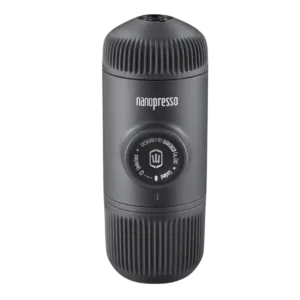
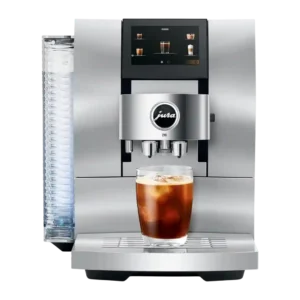
Reviewers consistently mention useful included extras such as the cup, scoop, brush, case, and optional Barista Kit, which broaden storage or brewing options.
Accessories are a mixed bag. Several sources note that key milk items may be sold separately, which feels mismatched for a flagship price (3949, 14548, 4057). On the positive side, some packages include Wi-Fi connectivity modules and cleaning/maintenance accessories that help day one setup (14546, 14554).
The reviews generally agree the Nanopresso does deliver crema and espresso-like results on the go, but several also say it stops short of matching true coffee-shop espresso.
Marketing around hot-and-cold drinks is mostly supported, with multiple reviews confirming that cold extraction is meaningfully different from pouring hot coffee over ice (4050, 14546). At the same time, several reviewers clarify that it is not traditional immersion cold brew, so expectations should be set accordingly (4057, 14548).
App and connectivity feedback is polarized. Some reviewers say Wi-Fi control works immediately and is useful for customizing and saving profiles (14546, 4050), while others report frequent reconnect prompts, limited remote-start practicality, or an unfinished app feel for the price (3949, 4052).
Most reviewers describe setup as easy or straightforward once you learn the basic steps, though it still involves manual prep like filling, tamping, and pumping.
Automation is top-tier for a superautomatic, with a wide beverage library, per-drink grind logic, and deep customization without manual skill requirements (426, 4052, 14546). The system is optimized for consistent results with minimal hands-on work.
Rather than a classic dual-boiler layout, reviews discuss modern thermoblock-style heating engineered for superautomatic duty cycles. The emphasis is fast readiness and long-run reliability over manual barista control (3903, 14546).
The pressurized system is repeatedly described as forgiving and capable of good extractions, but some reviewers say it takes experimentation or careful dialing-in for the best results.
Performance is driven by Jura’s PRG grinder and modern brew unit design; reviewers highlight repeatability, fewer spiky cups, and strong results across recipes once settings are dialed (3903, 4050, 4057, 14546). A recurring theme is consistency over tinkering, with customization available when you want to fine-tune.
Across written and video reviews, the Nanopresso is regularly described as sturdy, durable, and solid despite its plastic construction.
Build quality is widely described as premium and Swiss-grade, with solid materials and refined fit/finish (3949, 14546, 14548). Longer-term durability is expected to be strong, though one reviewer notes that historical superautomatic repairs can be costly if neglected (3903).
Reviewers repeatedly note the base unit is a small single-shot brewer with roughly 8 grams of coffee and around 80 ml of water, making output modest unless you add the Barista Kit.
Capacity is consistently described as generous for home use, commonly cited around a 2.4L class water tank, 280g hopper, and a roughly 20-puck dregs drawer (4055, 14546, 14554). This supports multiple milk drinks in a row and small-group entertaining without constant refills.
Multiple reviewers praise the optional pod adapters for making the Nanopresso more convenient, easier to clean, and simpler to use while traveling.
Expect ongoing consumables: water filters, cleaning tablets, and milk-system cleaner routines are part of ownership. Some reviewers appreciate that starter items and guided cycles are included, while others see the recurring purchases as part of the already-high cost of entry (4052, 4055, 14554).
One reviewer specifically highlights the integrated espresso cup attached to the water tank as an efficient, space-saving design detail.
Cup handling is strong thanks to adjustable spouts and practical drip-tray access. Reviewers highlight better fit for different cup sizes and travel mugs, plus a tidy workflow for daily use (4050, 14560).
The Nanopresso is widely praised for its compact size, packable form, and clean industrial design, with several reviewers highlighting how neatly the parts store together.
Design is a major selling point: reviewers repeatedly call it sleek, luxurious, and counter-worthy (426, 14548). Tradeoffs show up in footprint and interface preferences; at least one review flags the touchscreen as irritating, and another notes it is large for many kitchens (4055, 4057).
The main negatives mentioned across reviews are stray grounds, leakage or spillage, small-part fuss, thin texture, and the limited volume of each shot.
The most common complaints are not about drink quality but about ownership friction: high maintenance prompts, missing or extra-cost milk accessories, occasional app reconnecting, and polarizing touchscreen behavior (3949, 4052, 4055, 4057). Most reviewers still rate the overall package highly despite these annoyances.
Packaging sustainability is rarely discussed. One review mentions a mix of materials, with some recyclable cardboard but not an all-paper experience (14548).
Reviewers generally find the coffee enjoyable, crema-topped, and impressive for a portable manual brewer, though several note it is lighter or less authentic than café-quality espresso.
Across reviews, espresso and core coffee drinks land in the rich, cafe-style tier, with thick texture and consistently good flavor. Several reviewers say it will not fully match a dialed-in traditional setup, but it outperforms many cafes and other superautomatics for repeatable quality (426, 3903, 3949, 4057, 14548).
The pressurized filter/head is repeatedly described as forgiving and central to the machine's performance, while reviewers who discuss removing or bypassing it report different or less ideal results.
The water filter system is treated as central to taste and upkeep. Reviews reference Jura smart filter cartridges and the machine’s guidance around water hardness and filtration as part of the maintenance model (4052, 14554).
At least one review emphasizes using a scale and paying attention to grind selection, reinforcing that dosing and grind choice still matter even with the forgiving pressurized design.
The grinder system is a standout: PRG-style auto adjustment and strong dosing control are repeatedly credited for improving drink-to-drink results and supporting both hot and cold profiles (426, 4050, 4057, 14546). Most reviewers describe it as smart, capable, and well-matched to the recipe menu.
The included scoop-tamper is seen as workable and convenient, though one reviewer explicitly says it functions better as a tamper than as a scoop.
The reviews are clear that the Nanopresso has no built-in heater, so users must bring their own hot water or external heating method.
Cold drinks are the Z10 headline feature. Reviews praise clean, low-bitterness cold extraction and the sheer variety of cold recipes (4050, 14546), but several caution it is not classic immersion cold brew and can read more like premium iced coffee or a lighter nitro-style drink depending on settings (4057, 14548).
Cleanup is usually manageable, but used-puck handling is not perfectly tidy; one reviewer says compacted grounds are only reasonably easy to remove, while another says the puck can come out in one piece.
Used-puck handling is typically clean and convenient, with a sizable dregs drawer repeatedly noted (20-puck class capacity) and straightforward emptying alongside the drip tray (14546, 14554, 14548).
Milk drinks are consistently described as cafe-like, with wide control over milk vs foam and temperatures (4050, 4057). The main drawbacks are accessory costs and the need for regular milk-path cleaning; one review also warns some systems can overshoot temperatures for alternative milks (14548, 3949).
The overall experience is usually positive, especially for travel and outdoor use, with reviewers calling it convenient, enjoyable, and easy to recommend within its niche.
Overall experience is generally polished: an extensive menu, smooth workflow, and strong results with little effort are recurring themes (426, 4057, 14546). Downsides are mostly cognitive load and app/UI quirks, where at least one user felt overwhelmed and another disliked touchscreen behavior (3949, 4055).
One review explicitly describes the Nanopresso as one of the most popular manual espresso makers available.
Portability is the product's strongest recurring theme: reviewers repeatedly describe it as small, lightweight, bag-friendly, and especially useful for travel, hiking, camping, and hotels.
A pot or bulk-brew style mode is mentioned as a convenience feature for larger servings or guests, but it is not a dominant theme across reviews (14558).
Several reviewers cite the stable-feeling manual pump and repeated pressure-building cycle as a core strength, with the machine commonly described as capable of producing crema and espresso-like extraction.
A couple of reviews call out that small tools like the measure and cleaning brush store inside the unit, helping keep the kit self-contained.
Once prepped, reviewers describe the Nanopresso as fairly quick, with shots typically arriving after a short pumping sequence and often within about 1 to 2 minutes.
Time-to-cup is generally fast for a flagship superautomatic: one-touch drinks come out quickly once warmed, and espresso can be notably quick after initial use (14548). Reviews frame it as a practical daily driver for back-to-back drinks and entertaining (426, 4057, 14546).
Sweet Foam and syrup-style flavoring is presented as an option rather than a core workflow. Where discussed, reviewers note Sweet Foam variants in the menu and the ability to layer syrup and foam for flavored drinks, implying extra accessories and experimentation (14546, 14558).
Most reviewers frame the Nanopresso as reasonably priced for portable espresso, though one review notes that accessories can raise the real-world total cost.
Price is the primary barrier. Multiple reviews frame it as a nearly $4,000 luxury purchase whose value only makes sense if you will use the variety, cold specialties, and convenience frequently (4055, 4057, 14548). Convenience-focused buyers tend to justify it; value shoppers do not.
One reviewer mentions a one-year warranty and expresses confidence in the company's support based on prior experience.
Customer support and warranty are not deeply reviewed, but there are two recurring signals: the brand’s service ecosystem matters for a complex machine, and long-term repair costs can be meaningful if maintenance is ignored (3903). One technical review emphasizes modular milk parts that can be replaced over time, which may help serviceability (14546).
The machine is generally described as easy to rinse and maintain, but reviewers also recommend drying parts carefully and, in one case, regular descaling in hard-water areas.
Maintenance is guided and effective, but it is a real commitment. Some reviewers call it high maintenance, especially with regular milk rinsing and periodic tablet cycles (4055, 3949). Others prefer the structured prompts and note the tradeoff of no removable brew group in exchange for integrated cleaning (14546, 14554).