Auto-detection reliably logs walks and runs, and reviewers said it kicked in well for walks, though auto-logged sessions carry less detail than manually started workouts.
Garmin Connect works across Android, iOS, and desktop, giving users a broad data view, though the overall ecosystem still depends heavily on the companion app experience.
Garmin’s broader golf ecosystem was praised for keeping practice, round, and device data inside one connected setup.
The new standard 14mm quick-release bands are a major upgrade, making straps easier to swap and more flexible than the old proprietary setup.
The integrated strap feels comfortable on the wrist, but several reviewers disliked that it does not lay flat when removed.
Battery life usually lands around four to five days, though heavier use and brighter settings can pull it closer to three days.
Battery life was one of the strongest themes, with reviewers consistently reporting multi-round endurance and far longer runtime than an Apple Watch.
Pulse Ox and SpO2 tracking are available, but confidence in accuracy is mixed, with some reviewers warning the readings can be off.
Pulse ox and blood-oxygen tracking are included and were cited as part of the S70’s broader health monitoring suite.
Phone pairing is easy, but Bluetooth support is limited for accessories such as headphones or gym equipment.
Bluetooth audio support is present for music listening, with reviewers noting headphone pairing and Bluetooth music use.
The display is readable, but reviewers repeatedly wanted more brightness.
The screen was consistently described as bright enough for sunny rounds and easy to read in strong light.
The aluminum build is consistently described as a meaningful upgrade that feels more premium than the previous plastic case.
Reviewers described the watch as well built, with a premium feel that matches its flagship positioning.
The lack of real side buttons and reliance on the pseudo-button setup make controls more awkward than on sportier Garmin watches.
The three-button layout was generally seen as easy to learn and helpful for navigating golf functions.
Call and text actions exist, especially on Android, but iPhone limits and light interactivity keep call handling basic.
Call support is limited: reviewers noted caller alerts and some answer or reject options, but not full on-watch calling.
Calorie data is included, but one reviewer found burned-calorie estimates slightly off.
The clip-style proprietary charger is simple to use, but it is still a special cable users have to remember.
Charging drew frequent criticism because of the proprietary cable, face-down setup, and lack of an included adapter in some boxes.
Charging is acceptable but not fast; around an hour gets a substantial refill, yet multiple reviewers said it feels slow versus rivals.
At least one reviewer said the watch tops up quickly enough that short charging windows are practical.
Coaching is fairly light, with useful alerts and nudges, but it stops well short of richer training guidance.
Virtual Caddie, PlaysLike tools, and tempo coaching were major selling points, though the tempo feature was not equally useful for every reviewer.
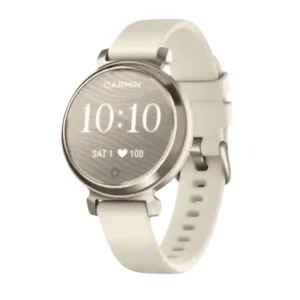
Comfort is one of the Lily 2’s biggest strengths, with reviewers repeatedly saying it is easy to wear all day and through the night.
Comfort was a consistent strength, with reviewers saying the watch wears lightly and remains comfortable for all-day and overnight use.
Garmin Connect is data-rich, but several reviewers found parts of it clunky or harder to navigate than they wanted.
Garmin Golf was described as one of the better golf apps for stats, post-round review, and tying watch data together.
Garmin Pay is useful on Classic models when a bank is supported, but bank support limitations reduce its value for some buyers.
Garmin Pay is built in, but support can be uneven depending on bank compatibility and region.
The Lily 2 works with both Android and iPhone, though feature parity is better on Android.
The watch works with both iPhone and Android, though some reviewers noted better notification control on Android.
Band swapping and some settings customization are strong, but watch-face and visual customization stay modest.
Reviewers liked the ability to change watch faces, colors, data fields, and golf display settings.
The grayscale display is clear enough and sometimes high-contrast, but many reviewers still found it basic compared with brighter AMOLED watches.
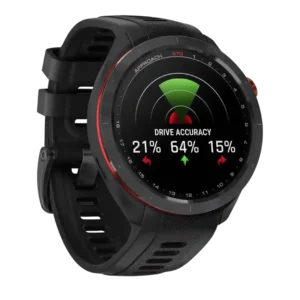
The AMOLED display was one of the product’s standout strengths, praised for crisp detail, color, clarity, and a premium look.
The shift to aluminum was repeatedly framed as helping durability as well as appearance.
Evidence pointed to solid durability, including a scratch-proof lens and confidence for regular golf use.
Reviews explicitly note that ECG is not available on the Lily 2.
The small, light case fits especially well on smaller wrists and is comfortable enough for overnight wear.
Fit was widely praised, and the added 42mm option helped make the watch more comfortable for smaller wrists.
For casual exercise, reviewers consistently describe activity tracking as accurate.
At least one reviewer explicitly said the S70’s fitness and sensor data are as accurate as expected from Garmin.
Connected GPS is generally accurate when the phone is with you, but there is no onboard GPS and performance remains phone-dependent.
Reviewers repeatedly praised fast GPS lock and very accurate on-course yardages, with some comparisons landing within about a yard.
Core health metrics are generally described as reliable, even if specialized tracking is not top tier across the board.
Health tracking was generally viewed as trustworthy, with reviewers calling the readings accurate in typical Garmin fashion.
Heart-rate performance is a standout, staying close to reference devices in many workouts with only occasional misses.
Heart-rate tracking was included in the praised sensor package, with one reviewer explicitly describing Garmin-level accuracy.
Materials earn mostly positive notes thanks to aluminum and premium finishing, though one review still wanted more upscale material choices.
Ceramic bezels and quality strap materials gave the watch a more premium feel than cheaper golf models.
Navigation is usable and sometimes intuitive, but reactions are mixed because some interactions feel less direct than on button-based Garmin watches.
Navigation was mostly described as intuitive once learned, though one reviewer felt the interface had a steeper learning curve.
The watch can control music on a paired phone, covering basic playback control needs.
Music controls are available, but some reviewers found them less immediate than on an Apple Watch.
There is no onboard music storage on the Lily 2.
Reviewers confirmed on-watch music storage and offline playlist support from services like Spotify and Amazon Music.
Garmin’s proprietary software handles core tasks well enough, but the lack of native Google or Apple app support limits flexibility.
The software experience is capable and feature rich, but several reviewers still preferred mainstream smartwatches for daily smartwatch polish.
Outdoor readability is a clear strength, with reviewers praising visibility even in direct sun.
Outdoor readability was a clear strength, with reviewers repeatedly saying the screen stays visible in bright sunshine.
Phone pairing and connected-GPS handoff were described as dependable and noticeably better than on the original Lily.
Initial phone pairing was described as simple and straightforward in setup.
Body Battery offers useful readiness context, but richer recovery metrics such as formal recovery time are missing.
Body Battery, HRV, and readiness-style insights added useful recovery context, though not every reviewer found them equally valuable.
Overall day-to-day reliability is good for the basics, with accurate tracking and solid routine behavior outweighing some UI and display quirks.
Core performance was strong, but one reviewer did flag missed shot detections as a reliability blemish.
Incident detection, LiveTrack, and emergency-contact alerts are strong additions and widely praised.
The new two-size lineup was seen as a meaningful improvement, especially for golfers who found earlier Garmin golf watches too large.
Sleep tracking is useful and can be accurate, but several reviews found sleep timing or stage estimates inconsistent.
Sleep tracking was viewed positively overall, with reviewers calling it strong and engaging enough to check regularly.
Notifications arrive reliably, but customization and interaction are limited, especially on iPhone.
Notifications are available and customizable to a degree, but multiple reviewers said they can feel distracting or limited versus Apple Watch behavior.
Smartwatch tools cover the basics, yet most reviews describe the overall feature set as intentionally light.
Beyond golf, reviewers consistently saw the S70 as a full-featured smartwatch with strong everyday usefulness.
Software responsiveness is serviceable rather than polished, with reviewers mentioning laggier gestures and less fluid behavior than leading smartwatches.
Software smoothness was mixed: some reviewers said the watch is enjoyable to use, while others found parts of the interface annoyingly clunky.
Basic daily metrics such as steps are generally described as accurate and dependable.
Stress tracking is consistently praised and often singled out as one of the best wellness features.
Stress tracking was repeatedly called useful, and at least two reviewers said the readings felt surprisingly accurate.
Style is a major selling point, with many reviews calling the Lily 2 elegant, subtle, and more jewelry-like than a typical smartwatch.
The S70’s styling was widely praised as modern, premium, and suitable away from the course.
Third-party support is mixed: workouts can sync to some external services, but there is no broad native app ecosystem on the watch itself.
Support for services like Spotify and Apple Music added useful flexibility beyond Garmin’s own apps.
The touchscreen works, but slow responses and missed touches are among the most common complaints.
Touch response was generally good, but several reviewers said on-course map interaction can feel fiddly compared with the best smartwatches.
The interface is understandable after some use, yet several reviewers still found it less natural than Garmin devices with real buttons.
The interface is functional and often intuitive, but some reviewers still found it less elegant than Apple Watch-style software.
Value depends heavily on priorities; reviewers felt the design and wellness focus can justify the price, but feature shoppers may find stronger specs elsewhere.
Value was judged through the lens of needs: reviewers often felt the S70 earns its price for serious golfers, but agreed it is overkill for basic yardage users.
Watch faces are functional but limited, with some reviewers wanting more color or variety.
Watch faces were praised for looking better on the AMOLED screen and offering better everyday appeal than older golf watches.
The 5ATM rating makes the Lily 2 fine for pool use, showering, and other everyday wet conditions.
Reviewers cited shower and swim use plus a 5 ATM rating as evidence that the S70 handles water exposure confidently.
Body Battery, sleep score, and related daily insights are among the most appreciated parts of the experience.
Wellness insights were a major positive, especially when the watch explained what sleep, workout, and energy metrics actually meant.
The 18 profiles cover many common activities, but omissions such as indoor cycling or some sports keep variety from feeling complete.
The S70 supports a wide range of non-golf workouts, including running, swimming, cycling, yoga, and other activity profiles.