Compare Garmin Forerunner 255S vs Garmin Forerunner 70

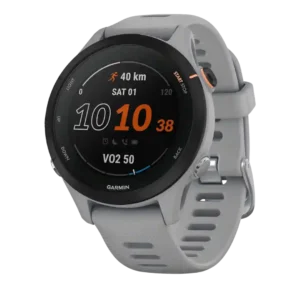
P1 Garmin Forerunner 255S
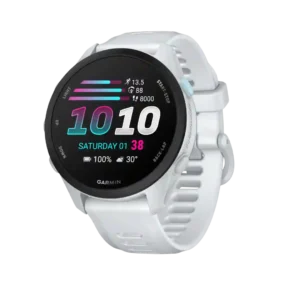
P2 Garmin Forerunner 70

Comparison Takeaways

Garmin Forerunner 255S

Where It Has the Edge

  • pairing reliability is 3.5 vs 1.3. Pairing reliability was mixed: watch setup and syncing were reliable in one review, while headphone pairing was criticized...
  • Bluetooth connectivity is 3.3 vs 1.0. Bluetooth connectivity was positive when headphones paired easily in one review, but another reviewer found headphone pairing slow...
  • companion app quality is 4.2 vs 2.0. The companion app was mostly useful for setup, syncing, visualization, and customization, though some Garmin workflows still required...
  • size options is 4.7 vs 3.0. Size options were praised because the smaller S model makes serious Garmin training tools accessible to more wrist...

Garmin Forerunner 70

Where It Has the Edge

  • app ecosystem is 5.0 vs 3.0. Garmin’s mature ecosystem adds current software features, Connect IQ apps, and broad service integration. It remains one of...
  • third-party app support is 5.0 vs 3.0. Completed workouts sync easily to services such as Strava and Apple Health. The broad integration makes Garmin data...
  • menu navigation is 4.8 vs 2.9. The five-button layout and cleaner software make menus easy to move through during workouts or daily use. Touch...
  • software smoothness is 4.9 vs 3.0. The refreshed software feels faster, cleaner, and smoother than older entry-level Forerunners. Navigation and daily interactions benefit noticeably...
Average score
Product 1: Garmin Forerunner 255S
3.9
Product 2: Garmin Forerunner 70
4.3
app ecosystem
Product 1: Garmin Forerunner 255S
3.0

The app ecosystem was mixed: Connect IQ adds watch faces and extras, but reviewers also described app support as limited compared with richer smartwatch stores.

Product 2: Garmin Forerunner 70
5.0

Garmin’s mature ecosystem adds current software features, Connect IQ apps, and broad service integration. It remains one of the watch’s clearest advantages over similarly priced rivals.

band quality
Product 1: Garmin Forerunner 255S
4.3

Band quality was positive overall, with reviewers calling the strap well-built, tough, and comfortable.

Product 2: Garmin Forerunner 70
3.8

The silicone band is generally soft, stretchy, and comfortable, though one owner disliked the stock strap enough to replace it. Fit and feel may depend on personal preference.

battery life
Product 1: Garmin Forerunner 255S
4.3

Battery life was widely praised, often landing around a week or more, but music, GPS, backlight, and long-term decline introduced caveats.

Product 2: Garmin Forerunner 70
4.4

Typical use ranges from about five days with an always-on display to roughly a week or more with lighter settings. Endurance is good for a small AMOLED watch, though some rivals last longer.

blood oxygen tracking
Product 1: Garmin Forerunner 255S
2.5

Blood oxygen tracking was treated as a battery-heavy feature rather than a standout health tool, with one reviewer recommending disabling continuous monitoring if battery matters.

Product 2: Garmin Forerunner 70
No score yet
Bluetooth connectivity
Product 1: Garmin Forerunner 255S
3.3

Bluetooth connectivity was positive when headphones paired easily in one review, but another reviewer found headphone pairing slow during music setup.

Product 2: Garmin Forerunner 70
1.0

Bluetooth works normally for most syncing and sensors, but isolated failures made setup and phone reconnection extremely frustrating. A restart may be needed when pairing stalls.

body temperature tracking
Product 1: Garmin Forerunner 255S
No score yet
Product 2: Garmin Forerunner 70
2.0

The missing temperature sensor limits advanced women’s health and overnight temperature insights. Buyers who need those features should consider the Forerunner 170 or a higher model.

brightness
Product 1: Garmin Forerunner 255S
No score yet
Product 2: Garmin Forerunner 70
4.5

The AMOLED panel is bright enough for outdoor training and everyday use, even if it does not match Garmin’s premium displays. Medium brightness can preserve battery without sacrificing much legibility.

build quality
Product 1: Garmin Forerunner 255S
4.0

Build quality received one clear positive judgment, with the bezel described as solid and made from fiber-reinforced polymer.

Product 2: Garmin Forerunner 70
4.2

The polymer construction feels light and reasonably sturdy rather than luxurious. It suits running well, but buyers expecting metal or premium materials may find it basic.

button controls
Product 1: Garmin Forerunner 255S
4.3

Button controls were mostly praised for workouts, water use, and avoiding accidental touches, though the button-only approach may not suit touchscreen-first users.

Product 2: Garmin Forerunner 70
4.8

Five physical buttons make the watch easy to operate with sweaty hands, gloves, or rain. They complement the touchscreen especially well during workouts.

call handling
Product 1: Garmin Forerunner 255S
No score yet
Product 2: Garmin Forerunner 70
2.0

Incoming call alerts appear on the wrist, but calls cannot be accepted or handled from the watch. It is notification support rather than true calling capability.

charging convenience
Product 1: Garmin Forerunner 255S
2.8

Charging convenience was a drawback because reviewers noted the lack of wireless charging and criticized the proprietary cable as dated.

Product 2: Garmin Forerunner 70
4.2

Quick mid-range charging makes brief top-ups practical, and the familiar Garmin connector is easy to use. Charging slows near full capacity as expected.

charging speed
Product 1: Garmin Forerunner 255S
No score yet
Product 2: Garmin Forerunner 70
4.4

A full charge takes roughly an hour to 90 minutes depending on starting level. Partial charging is notably faster through the middle of the battery range.

coaching features
Product 1: Garmin Forerunner 255S
4.3

Coaching tools and daily suggestions were widely liked, with reviewers describing them as personal-trainer-like, helpful for race prep, or a useful morning prompt.

Product 2: Garmin Forerunner 70
4.8

Training Readiness, Garmin Coach, Daily Suggested Workouts, and Quick Workouts provide unusually deep guidance for the price. Quick Workouts are convenient, though harder sessions can be overly aggressive.

comfort
Product 1: Garmin Forerunner 255S
4.7

Comfort was one of the strongest areas, with reviewers repeatedly praising the light, compact watch for day, workout, and sleep wear.

Product 2: Garmin Forerunner 70
4.5

The light case is easy to wear around the clock, including during sleep and long runs. A small number of users may be sensitive to the plastic backing.

companion app quality
Product 1: Garmin Forerunner 255S
4.2

The companion app was mostly useful for setup, syncing, visualization, and customization, though some Garmin workflows still required extra learning.

Product 2: Garmin Forerunner 70
2.0

Garmin Connect is powerful but can feel cluttered, with some settings difficult to locate. The watch itself is often easier to navigate than the mobile app.

contactless payments
Product 1: Garmin Forerunner 255S
3.3

Garmin Pay worked for reviewers, but it was described as less slick or less compelling than rival watch payment systems.

Product 2: Garmin Forerunner 70
2.3

Garmin Pay is completely absent, so runners must carry a phone, card, or cash for purchases. This is one of the clearest reasons to consider the Forerunner 170.

cross-platform compatibility
Product 1: Garmin Forerunner 255S
4.2

Cross-platform compatibility was positive in the evidence, with the Garmin Connect experience described as consistent across supported phone platforms.

Product 2: Garmin Forerunner 70
4.8

The watch works smoothly with both Android and iPhone, including mirrored notifications and media controls. Platform support is broad even though some Android features are more capable.

customization options
Product 1: Garmin Forerunner 255S
4.4

Customization was a clear strength, from screen layouts and data fields to exercise settings and watch faces.

Product 2: Garmin Forerunner 70
5.0

Sport profiles, data pages, widgets, and watch faces offer extensive personalization. Runners can tailor controls and information layouts in unusually fine detail.

display quality
Product 1: Garmin Forerunner 255S
4.3

Display quality was praised for clarity, compact usefulness, and always-on practicality, though reviewers acknowledged it lacks AMOLED polish.

Product 2: Garmin Forerunner 70
4.8

The 1.2-inch AMOLED screen is vivid, sharp, and easy to read, giving the budget model a much more premium feel. Its smaller size limits data space compared with larger Garmins.

durability
Product 1: Garmin Forerunner 255S
3.9

Durability was generally positive, especially in long-term use, though one reviewer cautioned that ruggedness was hard to judge.

Product 2: Garmin Forerunner 70
3.8

The lightweight plastic body can withstand ordinary drops and training use, but the lens is not Garmin’s toughest option. A screen protector may be worthwhile for rough environments.

fit
Product 1: Garmin Forerunner 255S
4.7

Fit was especially strong for smaller wrists, with reviewers describing the watch as unobtrusive, well-sized, and easy to wear.

Product 2: Garmin Forerunner 70
4.4

The compact case and adjustable band suit many wrists, especially runners who prefer smaller watches. The single size may still feel slightly large on very slender wrists.

fitness tracking accuracy
Product 1: Garmin Forerunner 255S
4.5

Fitness tracking accuracy was a consistent strength, with reviewers praising run, workout, and training data as accurate and useful across several use cases.

Product 2: Garmin Forerunner 70
4.6

Core tracking for pace, distance, steps, and heart rate is dependable across running, walking, swimming, and indoor workouts. Elevation data is less precise because there is no barometric altimeter.

flashlight usefulness
Product 1: Garmin Forerunner 255S
No score yet
Product 2: Garmin Forerunner 70
2.0

There is no built-in flashlight. It is not essential for most road runners, but the omission reduces usefulness for dark trails and emergencies.

GPS accuracy
Product 1: Garmin Forerunner 255S
4.5

GPS accuracy was one of the strongest themes, with multi-band GNSS often praised as accurate or spot-on; one reviewer found it merely okay beside higher-end Garmin models.

Product 2: Garmin Forerunner 70
4.4

GPS tracking is consistently strong on roads, trails, and urban routes, often matching pricier multi-band watches. Dense city canyons and wooded areas can still expose occasional small errors.

health tracking accuracy
Product 1: Garmin Forerunner 255S
No score yet
Product 2: Garmin Forerunner 70
4.5

Heart-rate and walking data align well with comparison devices in controlled tests. The overall health picture is dependable for everyday fitness use.

heart rate accuracy
Product 1: Garmin Forerunner 255S
4.5

Reviewers generally found heart-rate tracking strong for a wrist device, with several comparisons to straps or other watches; caveats centered on optical sensors and fast HIIT-style changes.

Product 2: Garmin Forerunner 70
4.2

The older Gen 4 optical sensor performs well for steady running and often tracks closely with chest straps. Intervals, cycling, cold weather, and rapid recovery changes can produce occasional lag or errors.

mapping and navigation
Product 1: Garmin Forerunner 255S
No score yet
Product 2: Garmin Forerunner 70
3.4

Breadcrumb routes and turn prompts work well for roads and simple trails, but there are no offline maps. Trail runners navigating complex junctions may need a higher-end watch.

materials quality
Product 1: Garmin Forerunner 255S
3.8

Materials quality was mixed: the bezel and strap were praised, but Gorilla Glass was called scratch-prone.

Product 2: Garmin Forerunner 70
4.0

Fiber-reinforced polymer keeps weight low and has held up well in normal use. It feels practical and sporty rather than premium.

menu navigation
Product 1: Garmin Forerunner 255S
2.9

Menu navigation was polarizing, with one reviewer praising intuitive menus but several others calling Garmin navigation inconsistent, confusing, or daunting for newcomers.

Product 2: Garmin Forerunner 70
4.8

The five-button layout and cleaner software make menus easy to move through during workouts or daily use. Touch remains available for faster scrolling.

music controls
Product 1: Garmin Forerunner 255S
3.5

Music controls worked, but the lack of touch interaction made them feel less polished than they could be.

Product 2: Garmin Forerunner 70
4.5

Phone-based music playback controls work well with services such as Spotify. The watch can control audio, but it cannot store music for phone-free listening.

onboard music storage
Product 1: Garmin Forerunner 255S
3.6

Onboard music storage split reviewers: some praised offline storage and streaming support, while another found setup slow and confusing enough to carry a phone instead.

Product 2: Garmin Forerunner 70
2.3

The watch has no onboard music storage, so phone-free Spotify or downloaded playlists are unavailable. Music-focused runners need the Forerunner 170 Music or another model.

operating system experience
Product 1: Garmin Forerunner 255S
4.5

Operating system experience received one positive long-term judgment, with the reviewer describing Garmin's familiar system as easy to use.

Product 2: Garmin Forerunner 70
5.0

Garmin’s newer operating system brings the same polished interface and widgets found on more expensive watches. The experience feels modern and consistent across the lineup.

outdoor visibility
Product 1: Garmin Forerunner 255S
4.5

Outdoor visibility was a major strength, with reviewers praising direct-sunlight readability and low glare from the memory-in-pixel display.

Product 2: Garmin Forerunner 70
4.8

The AMOLED display remains clear in direct sunlight and during outdoor workouts. Very bright conditions may require a higher brightness setting, which reduces battery life.

pairing reliability
Product 1: Garmin Forerunner 255S
3.5

Pairing reliability was mixed: watch setup and syncing were reliable in one review, while headphone pairing was criticized as time-consuming in another.

Product 2: Garmin Forerunner 70
1.3

Most connectivity works normally, but a few users experienced temperamental syncing and severe Bluetooth setup failures. Those issues were uncommon yet frustrating when they occurred.

recovery insights
Product 1: Garmin Forerunner 255S
3.7

Recovery insights were valued when they simplified training decisions, but HRV status drew criticism for complexity or taking too long to appear.

Product 2: Garmin Forerunner 70
4.9

Training Readiness, Training Status, acute load, Body Battery, and recovery time provide a detailed view of training condition. The tools are useful for beginners and experienced runners alike.

reliability
Product 1: Garmin Forerunner 255S
4.2

Reliability was positive overall, with reviewers calling the watch dependable, practical, solid, or long-lasting in regular use.

Product 2: Garmin Forerunner 70
4.4

Day-to-day tracking and software are generally stable, with few complaints across extended testing. Occasional Bluetooth and syncing problems are the main reliability caveat.

running power support
Product 1: Garmin Forerunner 255S
3.0

Running power support was useful in concept but limited by the need for an external Garmin sensor.

Product 2: Garmin Forerunner 70
4.8

Wrist-based running power brings advanced training data without requiring a chest strap or foot pod. It is a standout capability at this price.

safety features
Product 1: Garmin Forerunner 255S
No score yet
Product 2: Garmin Forerunner 70
4.6

LiveTrack and related safety tools let trusted contacts follow an activity when the phone is carried. The lack of cellular connectivity means these features still depend on a paired phone.

size options
Product 1: Garmin Forerunner 255S
4.7

Size options were praised because the smaller S model makes serious Garmin training tools accessible to more wrist sizes.

Product 2: Garmin Forerunner 70
3.0

Only one compact case size is available, which suits many runners but may still feel large on very slender wrists. There is no larger alternative for those who prefer bigger displays.

sleep tracking accuracy
Product 1: Garmin Forerunner 255S
3.5

Sleep tracking was useful and often close enough for general use, but reviewers noted it was less detailed or less sensitive than dedicated sleep-focused devices.

Product 2: Garmin Forerunner 70
4.3

Sleep duration, bedtime, wake time, naps, and overall scores are generally useful and reasonably accurate. Sleep-stage breakdowns can still confuse light sleep with awake time.

smartphone notifications
Product 1: Garmin Forerunner 255S
4.0

Notifications worked well despite the compact display, and one reviewer showed texts arriving clearly with quick-response options.

Product 2: Garmin Forerunner 70
No score yet
smartwatch features
Product 1: Garmin Forerunner 255S
3.5

Smartwatch features were considered useful but secondary; reviewers liked the basics while repeatedly framing the 255S as a training tool rather than a flashy smartwatch.

Product 2: Garmin Forerunner 70
3.2

Notifications, widgets, media controls, and app support cover the basics, but calling, payments, offline music, and full maps are missing. It is primarily a sports watch rather than a full smartwatch.

software smoothness
Product 1: Garmin Forerunner 255S
3.0

Software smoothness was a weakness: reviewers noted slow Connect IQ downloads or the need to bounce between Garmin apps.

Product 2: Garmin Forerunner 70
4.9

The refreshed software feels faster, cleaner, and smoother than older entry-level Forerunners. Navigation and daily interactions benefit noticeably from the modern interface.

step counting accuracy
Product 1: Garmin Forerunner 255S
5.0

Step counting received one clear positive judgment, with the reviewer finding it nearly spot-on against manual counting and other watches.

Product 2: Garmin Forerunner 70
5.0

Step counting was exceptionally accurate in a controlled walk, finishing within only a few steps of the manual tally. It is highly dependable for everyday movement tracking.

style and design
Product 1: Garmin Forerunner 255S
4.0

Style and design were mostly practical rather than flashy: reviewers liked the tiny, capable form but did not call it a sleek fashion watch.

Product 2: Garmin Forerunner 70
4.8

The compact shape, bright colors, and sporty appearance look appealing in person. The plastic construction prioritizes low weight over a premium aesthetic.

third-party app support
Product 1: Garmin Forerunner 255S
3.0

Third-party app support was useful mainly for fitness-related tools, but reviewers found it narrower than mainstream smartwatch app ecosystems.

Product 2: Garmin Forerunner 70
5.0

Completed workouts sync easily to services such as Strava and Apple Health. The broad integration makes Garmin data easy to use across a larger fitness setup.

touchscreen responsiveness
Product 1: Garmin Forerunner 255S
No score yet
Product 2: Garmin Forerunner 70
4.7

Touch input is quick and responsive in normal conditions, with buttons available when hands are wet or gloved. Heavy rain may introduce a little lag.

user interface
Product 1: Garmin Forerunner 255S
3.4

The overall user interface was mixed: long-term Garmin users found the learning curve manageable, while other reviewers found the interface confusing.

Product 2: Garmin Forerunner 70
4.8

The updated interface is clean, polished, and easy to navigate. Key training information is faster to find than on older entry-level Garmin watches.

value for money
Product 1: Garmin Forerunner 255S
4.4

Value for money was a major strength, with reviewers repeatedly calling the 255S a high-value training watch despite some cheaper rivals.

Product 2: Garmin Forerunner 70
4.3

The watch packs premium training analysis, accurate tracking, and a strong AMOLED display into Garmin’s lowest current Forerunner tier. Value is excellent inside Garmin’s ecosystem, though Coros and Suunto offer stronger hardware for similar money.

watch face quality
Product 1: Garmin Forerunner 255S
4.0

Watch face quality received one positive mention, mainly because the reviewer found many available faces for the 255S.

Product 2: Garmin Forerunner 70
2.7

Connect IQ offers thousands of downloadable faces, but the preinstalled selection is limited and customization can require a separate app. The ecosystem is broad, yet the setup feels unnecessarily cumbersome.

water resistance
Product 1: Garmin Forerunner 255S
4.3

Water resistance was treated positively for swimming, rain, showering, and button use underwater.

Product 2: Garmin Forerunner 70
4.2

The 5ATM rating is adequate for pool swimming, showers, and sweaty training. Open-water and diving-focused users will need a more specialized model.

wellness insights
Product 1: Garmin Forerunner 255S
4.2

Wellness insights such as Morning Report and Body Battery were useful to reviewers, especially when they summarized recovery or daily readiness without becoming overwhelming.

Product 2: Garmin Forerunner 70
4.5

Body Battery, Health Status, morning reports, and recovery metrics make daily health trends easy to understand. The insights add useful context without replacing how the wearer actually feels.

workout tracking variety
Product 1: Garmin Forerunner 255S
4.6

Workout variety was praised as broader than a basic running watch, especially because swimming, cycling, multisport, triathlon, and extensive workout tools are supported.

Product 2: Garmin Forerunner 70
4.6

More than 80 activity profiles cover running, cycling, swimming, gym sessions, team sports, and more. The missing triathlon and open-water swim modes remain important limitations for multisport athletes.