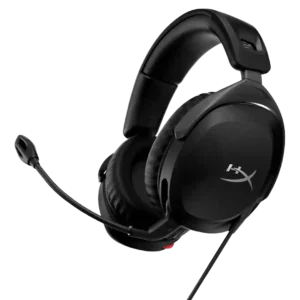
HyperX Cloud Stinger 2
Where It Has the Edge
- Clamping force comfort is 3.8 vs 3.3. Clamping force was generally light and non-fatiguing, though this sometimes paired with fit or seal concerns.
ANC draws the widest range of opinions: some reviewers call it exceptional or effective, while others find it merely decent, pressure-heavy, or worse after long-term use.
The app/software ecosystem is powerful and often praised, especially Sonar, but some reviewers criticize SteelSeries GG setup friction or base-station interaction quirks.
Bass drew mixed reactions: some reviewers liked the punch and impact, while others found it lacking, coarse, boosted, or less controlled depending on model and tuning.
Bass is generally described as impactful, punchy, full, and controlled rather than merely loud or muddy.
Wireless battery life was adequate but not exceptional: one reviewer never needed to charge, while others called 20 hours below average or nothing special.
Battery is one of the strongest consensus wins thanks to hot-swappable batteries, long runtime, and little to no downtime.
Bluetooth is valued for simultaneous use and separate controls, but multiple reviewers report annoyances with volume behavior, PC modes, or intermittent phone issues.
Build quality was the most repeated concern, with praise for some Core/Wireless construction but many complaints about flimsy, plasticky, or fragile-feeling parts.
Build quality is mostly praised as sturdy, premium, and durable, though one reviewer wanted sturdier materials around the hinges.
The base station/DAC-like control hub is one of the product’s biggest strengths, offering battery charging, source switching, EQ, and on-desk control.
Controls were simple and often convenient, especially the volume wheel and flip-to-mute behavior, though some reviewers disliked cheap feel or overly easy movement.
Controls are generally praised for distinct buttons, tactile wheels, useful mute indicators, and intuitive access, with only minor dock-use caveats.
Cable quality was a weak spot in wired models, with praise for simple low-microphonic cable design offset by coiling, short charging cable complaints, and damage concerns.
Carry case evidence is limited to one positive mention of a nice included carrying bag.
Charging drew criticism primarily because the included USB-C cable was extremely short or tiny.
Charging is praised because the base station keeps one battery ready, making quick swaps easier than plugging the headset in.
Clamping force was generally light and non-fatiguing, though this sometimes paired with fit or seal concerns.
Clamping and internal ANC hardware create mixed comfort feedback: some find the fit snug, while others warn about pressure or the protruding nub.
Comfort over longer sessions was one of the more divided areas: many reviewers found it light and wearable for hours, while others disliked heat, shallow pads, or ear pressure.
Comfort is a major strength across reviews, especially for long gaming sessions, though some long-term and comparison reviewers report pressure after hours.
Connectivity versatility was a strength for wired models through 3.5mm use across many devices and for simple wireless dongle setup.
Connectivity versatility is a defining strength, especially for desk setups and users who switch between PC, console, Bluetooth, and mobile sources.
Console compatibility has real limitations because versions differ, with multiple reviewers warning that the PlayStation model does not cover Xbox.
Design opinions were mixed: reviewers liked the cleaner modern look on some models, but others called it generic, cheap-looking, or visually uninspiring.
Design is consistently praised as premium, stylish, clean, sophisticated, and less overtly gamer-looking.
The fixed cable was criticized by at least one reviewer who explicitly wished it were detachable.
Microphone convenience was split: reviewers liked flip-up storage and mute behavior, but disliked the fixed mic when it stayed in view or got in the way.
Wireless dongle behavior was a strength, with reviewers praising instant or fast setup and, in one case, excellent range.
The wireless dock/dongle setup is praised as handy and market-leading for battery handling and source flexibility.
Ear padding ranged from breathable and pleasant to thin, shallow, stiff, or in need of more depth depending on reviewer fit and model.
Earpads are soft and padded, but many reviewers note heat, breathability issues, thin stock pads, or limited fabric-swap options.
Swivel and rotation were often useful for neck wear or fit, but one reviewer found the loose rotating cups frustrating and fragile-feeling.
The ear cup rotation is lightly praised for letting the headset lay flat.
Earpad replacement was criticized where reviewers said the pads were easy to remove but difficult to reinstall.
Earpad replacement ease is positively supported by a reviewer saying the pads snap on and off easily.
EQ customization was mixed: NGENUITY could be straightforward where supported, but other reviewers could not get EQ working or felt customization was limited.
EQ customization is a standout strength, with reviewers praising granular Sonar controls, game/chat/mic adjustment, and profile flexibility.
Fit and seal varied by head, glasses, and pad depth: some reviewers got a secure seal, while others had seal breaks, slipping, or shallow-pad discomfort.
Fit and seal are generally positive due to improved isolation and newer ANC nub changes, though warmth remains a caveat.
Reviewers praise the software’s ability to surface game cues such as footsteps, enemy movements, and other competitive audio details.
Frequency response was viewed as acceptable for the price, but reviewers repeatedly described tradeoffs such as bass emphasis, treble peaks, and reduced accuracy.
Frequency response is viewed as good but not perfect, with some need for EQ tweaking to get the best balance.
Game/chat balance is useful and often praised, though one comparison reviewer notes reduced quality on the secondary driver.
Headband adjustment was praised for numbered notches or easy readjustment, helping users return to a preferred fit.
Headband adjustability is praised for telescoping arms, larger-head accommodation, and more accessible sizing than older Arctis designs.
Hinge durability raised concerns in multiple reviews because of skinny plastic hinges, wear points, and loose rotation.
Hinge durability receives a cautionary score because one reviewer dislikes the plastic hinge choice for longevity.
Included accessories were viewed positively in the Core review because the bundle included useful extras such as DTS and adapters.
Included accessories get limited positive support, mainly from one review describing a normal but premium-feeling box contents package.
Instrument separation was positively noted in music testing, with reviewers saying instruments and guitar lines remained distinct rather than getting lost.
Reviewers praise separation and detail, especially for bass guitar distinction and competitive sound cues.
The integrated boom design was praised for placement and adjustability by reviewers who focused on the physical microphone arm.
The retractable integrated microphone is praised for blending into the headset and continuing to work well, though quality is scored separately.
Maximum-volume clarity is supported by PCMag’s bass test, where the headset stayed forceful without distortion.
Microphone quality ranged from excellent for budget chat to muffled or merely serviceable; most reviewers found it usable, but not professional-grade.
Microphone quality is mixed: some reviewers call it good or excellent with tuning, while others find stock quality mid, quiet, compressed, or merely passable.
Microphone noise reduction received mixed marks: some reviewers said it blocked keyboards or room noise well, while others heard breathing, keyboard sound, or remaining background noise.
Microphone noise reduction is often praised when Sonar/ClearCast tools are enabled, but some reviewers note unwanted pickup or stock limitations.
Call and chat microphone quality was usually understandable or clear, though some reviewers reported low levels or inconsistent loudness.
Call and chat voice quality is usable to good, with one reviewer praising natural Discord voice and another saying legibility remains fine despite recording limits.
Midrange clarity was usually acceptable to good, especially for voices and gaming detail, but some reviews described compression, dips, or muffled mids.
Midrange evidence is positive but narrower, with reviewers noting detailed sound and mids that do not get drowned out.
Multi-platform use was a clear advantage for wired models with 3.5mm connections that worked across consoles, PCs, and older systems.
Multi-platform compatibility is very strong, with reviewers emphasizing PC, console, phone, and multi-device use as a core advantage.
Multipoint-style use is powerful when working, though one long-term reviewer found switching devices painful while others praised simultaneous Bluetooth and 2.4GHz audio.
Passive isolation was inconsistent across reviews, ranging from strong attenuation to complaints that household noise or external sound still came through.
Passive isolation is generally seen as good, especially from the closed-back seal, even when ANC is not the focus.
Packaging felt basic in one review but attractive in another, suggesting model and price expectations strongly affected impressions.
Portability was hurt by loose swiveling earcups that made the headset awkward to grab, despite fold-flat intentions.
Portability evidence is limited but positive, with one reviewer noting the headset folds properly on the neck.
Positional audio was commonly praised for gaming, with reviewers hearing footsteps, direction, distance, or left/right cues effectively.
Positional accuracy is a major gaming strength, with reviewers repeatedly hearing footsteps, verticality, projectiles, and directional cues clearly.
Preset EQ or DTS profiles were criticized in the reviews that evaluated them, with reviewers saying presets worsened the sound or diminished quality.
Preset EQ profiles are consistently praised as useful, effective, and capable of making games and music sound better.
Replaceable earpads were criticized in the wireless written review because the pads could not be removed or replaced individually.
Replaceable earpad evidence is mixed: some reviewers appreciate easy replacement, while PCMag notes the lack of official fabric-pad swapping.
Replaceable ear plates receive limited but positive customization evidence from a reviewer noting speaker plates and headbands for switching looks.
Sidetone and mic monitoring were mixed: one reviewer said sidetone worked well, while another heard white noise when monitoring was enabled.
Sidetone is useful but uneven, with praise for adjustability and practical callout control alongside complaints about quiet or intrusive behavior.
Smudge and surface resistance is weakly supported by one complaint that gunk collects on the aluminum side cups.
Software and setup were usually simple when plug-and-play or NGENUITY worked, but reviewers also noted limited controls, understated options, or lack of features.
Setup and software simplicity is mixed: plug-and-play use is praised, but firmware, GG, and Bluetooth setup issues appear in several reviews.
Reviewers generally found the headset sound strong for the price, with several calling it impressive or rich, though a few noted it was only just okay or lacked premium depth.
Reviewers broadly praise the headset’s sound as clear, detailed, powerful, and highly customizable for games, music, and everyday media.
Soundstage was praised when DTS or high volume made it feel wider and more immersive, but some reviewers found immersion limited or depth missing.
Soundstage feedback is positive for breadth in one review but mixed by a comparison reviewer who says it is not especially wide.
Spatial audio was one of the most polarizing features, with some reviewers praising DTS for immersion and positioning while others found it gimmicky or actively worse.
Spatial audio earns strong praise for immersion, directional effects, and expanded game environments.
Headset stability was criticized in one wireless review because the light fit did not grip the head well and could move around.
Transparency mode is split: one reviewer would not use it, another values the settings, and another calls it fantastic but slightly noisy.
Treble clarity varied: multiple reviewers heard clear highs and dialogue, while others reported compressed highs, coarse hi-hats, overboosted treble, or muffled upper tones.
Treble is mostly praised for clarity and detail, though some reviews note high-end limits or occasional aggressiveness.
USB-C commentary was negative only where reviewers focused on the short included USB-C charging cable.
USB-C is mixed: it is useful for backup charging, but reviewers repeatedly dislike the awkward side placement.
Value for money was broadly positive for budget buyers, though reviewers warned that fragile build, comfort limits, or slightly pricier alternatives could be better.
Value is strongly split by price: reviewers often say it is expensive, but many still argue the feature set justifies the premium.
Headphone volume split reviewers: several found it loud or very loud, while others thought maximum output was low or lacking.
Volume output is praised as ample, with reviewers noting enough overhead and power without needing to crank the headset excessively.
Low weight was consistently helpful for comfort, with several reviewers saying the headset felt very light or barely noticeable.
Weight comfort is mostly positive, with reviewers saying the suspension band makes the headset feel light or pressure-free despite its mass.
Wireless latency and reliability are mostly strong, with several lag-free reports, though one SoundGuys test and one long-term owner noted occasional drops.
Xbox compatibility is positive when buying the Xbox version, which reviewers recommend for wider console coverage and actual Xbox use.