Compare SteelSeries Apex Pro Gen 3 vs HyperX Alloy Origins

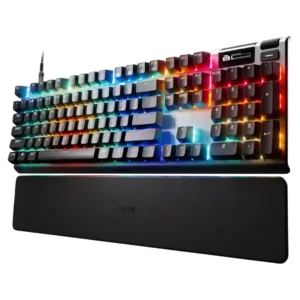
P1 SteelSeries Apex Pro Gen 3
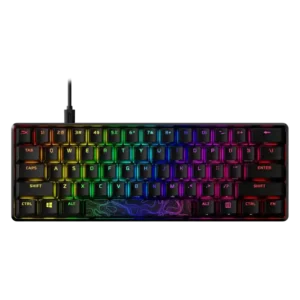
P2 HyperX Alloy Origins

Comparison Takeaways

SteelSeries Apex Pro Gen 3

Where It Has the Edge

  • wireless performance is 3.6 vs 0.5. Wireless performance was split, ranging from smooth no-lag typing and several days of use to intermittent 2.4GHz input...
  • wrist rest quality is 4.3 vs 1.2. Wrist rest quality was usually a plus, especially for magnetic attachment and support, but comfort varied by reviewer...
  • sound dampening is 4.7 vs 2.5. Sound dampening was a clear upgrade, with damping layers and triple-layer foam repeatedly credited for improving sound and...
  • key spacing is 4.1 vs 2.3. Key spacing and reach were generally manageable or excellent, though the compact layout required some adjustment.

HyperX Alloy Origins

Where It Has the Edge

  • backlight brightness is 4.6 vs 3.2. Backlight brightness was repeatedly praised as very bright, with several reviews noting multiple brightness levels.
  • polling rate is 4.5 vs 3.5. The available measurements and specs point to standard 1000 Hz polling performance, which reviewers considered suitable for gaming.
  • desk space efficiency is 4.5 vs 3.7. Desk space efficiency was repeatedly praised, especially on compact variants that leave more room for mouse movement.
  • materials quality is 4.7 vs 4.1. Materials quality was led by the aluminum case and, on some variants, PBT keycaps, though ABS keycaps held...
Average score
Product 1: SteelSeries Apex Pro Gen 3
4.0
Product 2: HyperX Alloy Origins
3.6
acoustics
Product 1: SteelSeries Apex Pro Gen 3
4.1

Acoustics improved versus older models and were often described as thocky or muted, but some reviewers still heard hollowness or crunch.

Product 2: HyperX Alloy Origins
3.3

Acoustics were mixed: some liked the solid or pleasant sound, while others criticized spacebar reverb, rattling, loudness, or clacky tone.

actuation consistency
Product 1: SteelSeries Apex Pro Gen 3
4.2

Actuation was praised for consistency and predictable force, though one lab review found the software-set actuation points were not perfectly accurate in hardware.

Product 2: HyperX Alloy Origins
3.9

Actuation was usually described as fast, smooth, and consistent, though several reviewers said the shorter travel was only subtly noticeable.

analog input support
Product 1: SteelSeries Apex Pro Gen 3
3.8

Dual actuation and two-action key behavior were supported and useful, but one wireless review wanted fuller analog-stick style control.

Product 2: HyperX Alloy Origins
No score yet
backlight brightness
Product 1: SteelSeries Apex Pro Gen 3
3.2

Backlight brightness was mixed: reviewers liked adjustable brightness, but multiple reviewers said the lighting was dimmer than expected.

Product 2: HyperX Alloy Origins
4.6

Backlight brightness was repeatedly praised as very bright, with several reviews noting multiple brightness levels.

battery life
Product 1: SteelSeries Apex Pro Gen 3
3.9

Battery life was acceptable rather than standout, with cited 40 to 45 hour ratings and several days of use in testing.

Product 2: HyperX Alloy Origins
No score yet
build quality
Product 1: SteelSeries Apex Pro Gen 3
4.3

Build quality was broadly strong, with tank-like feel, robust frames, and premium impressions, though the Mini’s plastic case drew criticism.

Product 2: HyperX Alloy Origins
4.7

Build quality was the strongest consensus point, with reviewers repeatedly praising the heavy aluminum construction and premium feel.

cable quality
Product 1: SteelSeries Apex Pro Gen 3
4.5

Cable quality was consistently positive, with reviewers noting detachable braided USB-C cables as practical and premium.

Product 2: HyperX Alloy Origins
3.6

Cable quality is mixed: detachable and braided cables are praised, but some reviewers found the cable rigid or only decent.

compatibility
Product 1: SteelSeries Apex Pro Gen 3
4.2

Compatibility evidence was limited but positive, with one Mini review describing use across consoles and PC.

Product 2: HyperX Alloy Origins
4.0

Compatibility is generally good for Windows and consoles, with mixed notes on macOS/Linux or software availability.

connectivity
Product 1: SteelSeries Apex Pro Gen 3
3.9

Connectivity was mixed: setup and Bluetooth switching could be smooth, but one review reported 2.4GHz dongle issues.

Product 2: HyperX Alloy Origins
3.8

Connectivity is solid for wired USB-C use, helped by detachable cables, but there is no wireless connectivity.

customization options
Product 1: SteelSeries Apex Pro Gen 3
4.7

Customization options were among the product’s strongest attributes, covering per-key actuation, RGB, profiles, bindings, and protection settings.

Product 2: HyperX Alloy Origins
4.3

Customization options are broad for lighting, remapping, macros, and game mode, but depth and ease vary by software experience.

desk space efficiency
Product 1: SteelSeries Apex Pro Gen 3
3.7

Desk space efficiency depended heavily on version: full-size models take up room, while TKL and 60% variants were praised for saving space.

Product 2: HyperX Alloy Origins
4.5

Desk space efficiency was repeatedly praised, especially on compact variants that leave more room for mouse movement.

durability
Product 1: SteelSeries Apex Pro Gen 3
4.7

Durability evidence was positive, with reviewers citing rugged construction and robust typing hardware able to withstand intense use.

Product 2: HyperX Alloy Origins
4.5

Durability evidence is positive where discussed, especially 80-million-keystroke switches, solid aluminum, and long-term use.

ease of switch replacement
Product 1: SteelSeries Apex Pro Gen 3
1.8

Ease of switch replacement was limited in several reviews because switch hot-swap was absent or constrained, despite some model-specific conflict.

Product 2: HyperX Alloy Origins
1.0

Ease of switch replacement is poor on non-hotswap models because reviewers discussed desoldering or wishing for hotswap functionality.

ergonomics
Product 1: SteelSeries Apex Pro Gen 3
4.0

Ergonomics were mostly positive around reach, posture, and long-session comfort, with some caveats about wrist-rest shape on the wireless TKL.

Product 2: HyperX Alloy Origins
3.8

Ergonomics are mixed: adjustable feet and multiple angles help, but the lack of a wrist rest and high profile hurt comfort for some users.

extra gaming features
Product 1: SteelSeries Apex Pro Gen 3
4.6

Extra gaming features were a strong differentiator, especially Rapid Tap, Protection Mode, N-key rollover, and mis-input prevention.

Product 2: HyperX Alloy Origins
4.6

Extra gaming features are strong for the price, including game mode, anti-ghosting, N-key rollover, and shortcut-based controls.

frame rigidity
Product 1: SteelSeries Apex Pro Gen 3
4.7

Frame rigidity was strong in the evidence, with reviewers noting no wobble, no slipping, and resistance to flexing.

Product 2: HyperX Alloy Origins
4.8

Frame rigidity was excellent across reviews, with minimal or no flex and a stable, heavy chassis.

gaming performance
Product 1: SteelSeries Apex Pro Gen 3
4.6

Gaming performance was a major strength, with reviewers citing smooth fast-paced play, precise movement, low delay, and strong competitive features.

Product 2: HyperX Alloy Origins
4.6

Gaming performance was a major strength, supported by responsive switches, low latency, rollover, anti-ghosting, and compact layouts for mouse movement.

hot-swappable switches
Product 1: SteelSeries Apex Pro Gen 3
2.4

Hot-swap support was conflicting by model/reviewer: several reviews said no switch hot-swap, while one TKL review said Hall effect switches were hot-swappable.

Product 2: HyperX Alloy Origins
1.0

Hot-swappable switch support is a weakness because reviewers specifically noted non-hotswap PCBs or the need for desoldering.

keycap quality
Product 1: SteelSeries Apex Pro Gen 3
4.3

Keycap quality was generally strong, especially on PBT models; the Mini’s ABS caps were considered acceptable but less premium.

Product 2: HyperX Alloy Origins
3.6

Keycap quality is mixed: 60/65 variants with PBT were praised, while full-size/Core ABS keycaps were repeatedly called average, shiny, or subpar.

key responsiveness
Product 1: SteelSeries Apex Pro Gen 3
4.7

Responsiveness was one of the strongest points, with reviewers repeatedly describing inputs as accurate, fast, and able to keep up with quick keystrokes.

Product 2: HyperX Alloy Origins
4.4

Reviewers consistently described the keys as fast, responsive, and easy to press, with several linking that responsiveness to gaming performance.

key spacing
Product 1: SteelSeries Apex Pro Gen 3
4.1

Key spacing and reach were generally manageable or excellent, though the compact layout required some adjustment.

Product 2: HyperX Alloy Origins
2.3

Key spacing was mixed, with some users adapting quickly while others noticed tight spacing, accidental caps lock hits, or slippery keycaps.

key stability
Product 1: SteelSeries Apex Pro Gen 3
4.2

Key stability evidence was positive around the dual-rail switch design reducing side-to-side wobble.

Product 2: HyperX Alloy Origins
4.5

Key stability was positively noted where discussed, especially the lack of key wobble and stable key movement.

latency
Product 1: SteelSeries Apex Pro Gen 3
4.2

Latency evidence was mostly positive in wired use, with measured low latency and no-delay impressions, while Bluetooth was called a poor competitive option in one review.

Product 2: HyperX Alloy Origins
4.5

Measured and perceived latency was strong, with reviewers reporting very low or undetectable latency suitable for fast-paced gaming.

layout options
Product 1: SteelSeries Apex Pro Gen 3
4.3

Layout options were strong across full-size, TKL, wireless, and smaller versions, giving users meaningful size choices.

Product 2: HyperX Alloy Origins
4.5

Layout options are a strength because the lineup spans full-size, tenkeyless, 65 percent, and 60 percent models.

legend visibility
Product 1: SteelSeries Apex Pro Gen 3
4.0

Legend visibility was good on white/TKL and shine-through keycaps, though Mini front-facing function legends were not equally shine-through.

Product 2: HyperX Alloy Origins
4.3

Legend visibility was helped by bright shine-through lighting and side/front secondary legends, though some hotkey legends were not illuminated.

macro customization
Product 1: SteelSeries Apex Pro Gen 3
4.3

Macro customization was well supported through GG, OLED/menu controls, key bindings, and custom keystroke settings.

Product 2: HyperX Alloy Origins
3.9

Macro customization is available and broadly useful, but some software flows make macro setup less intuitive than competitors.

materials quality
Product 1: SteelSeries Apex Pro Gen 3
4.1

Materials quality was generally good thanks to aluminum plates and solid plastics, but one Mini review disliked the plastic-only case choice.

Product 2: HyperX Alloy Origins
4.7

Materials quality was led by the aluminum case and, on some variants, PBT keycaps, though ABS keycaps held some versions back.

media controls
Product 1: SteelSeries Apex Pro Gen 3
3.6

Media controls were mixed: OLED, wheel, and playback controls were useful, but some reviewers found them awkward, limited, or lacking dedicated buttons.

Product 2: HyperX Alloy Origins
2.8

Media controls are serviceable through function shortcuts, but reviewers repeatedly missed dedicated media keys or a volume wheel.

noise level
Product 1: SteelSeries Apex Pro Gen 3
4.2

Noise level was generally acceptable to good, with quieter, muted typing, though not every reviewer found the sound fully refined.

Product 2: HyperX Alloy Origins
3.3

Noise level depends heavily on switch and variant; some found it quiet enough, while others called it loud or annoying for typing.

onboard memory
Product 1: SteelSeries Apex Pro Gen 3
4.4

Onboard memory was supported through onboard presets, saved keyboard profiles, and built-in profile storage.

Product 2: HyperX Alloy Origins
3.6

Onboard memory supports three profiles on many models, which reviewers liked, though some found the limit or syncing imperfect.

passthrough features
Product 1: SteelSeries Apex Pro Gen 3
1.5

Passthrough features were weak because reviewers noted the missing USB passthrough compared with expectations or earlier models.

Product 2: HyperX Alloy Origins
1.0

Passthrough features are a clear limitation because reviewers noted the absence or removal of USB pass-through/charging.

per-key lighting control
Product 1: SteelSeries Apex Pro Gen 3
4.5

Per-key lighting control was repeatedly supported through individual-key RGB adjustment, Prism customization, and section-level selection.

Product 2: HyperX Alloy Origins
4.3

Per-key lighting control is supported and generally praised, although setup sometimes requires software work and can be unintuitive.

polling rate
Product 1: SteelSeries Apex Pro Gen 3
3.5

The polling rate was consistently described as 1,000 Hz: sufficient for most users, but not record-breaking compared with newer 8,000 Hz competitors.

Product 2: HyperX Alloy Origins
4.5

The available measurements and specs point to standard 1000 Hz polling performance, which reviewers considered suitable for gaming.

portability
Product 1: SteelSeries Apex Pro Gen 3
4.0

Portability depended on version: full-size wired models are desktop-first, while detachable cables, TKL, and 60% layouts improve travel use.

Product 2: HyperX Alloy Origins
4.5

Portability is strong on compact variants and helped by detachable cables, though full-size models are heavier.

profile management
Product 1: SteelSeries Apex Pro Gen 3
4.2

Profile management was a strength through QuickSet, OLED access, and onboard profiles, though one review disliked being forced to keep five profiles loaded.

Product 2: HyperX Alloy Origins
2.9

Profile management is useful through three onboard profiles, but some reviewers had sync failures or wanted more than three saved profiles.

rapid trigger support
Product 1: SteelSeries Apex Pro Gen 3
4.6

Rapid Trigger support was widely praised as useful for faster resets, snappier movement, repeated inputs, and competitive play.

Product 2: HyperX Alloy Origins
No score yet
reliability
Product 1: SteelSeries Apex Pro Gen 3
4.2

Reliability evidence was positive where reviewed directly, especially around rapid key presses not canceling or failing to register.

Product 2: HyperX Alloy Origins
2.7

Reliability is mixed: long-term use and sturdy hardware are positives, but reviews mention squeaky spacebars, software glitches, and restart issues.

RGB customization
Product 1: SteelSeries Apex Pro Gen 3
4.2

RGB customization was deep overall, with Prism, presets, layered effects, and per-key designs, though some onboard lighting limits and software friction appeared.

Product 2: HyperX Alloy Origins
3.7

RGB customization is capable through NGENUITY, including effects and layers, but some reviewers found the effect library or per-key setup limiting.

RGB lighting quality
Product 1: SteelSeries Apex Pro Gen 3
4.2

RGB lighting quality was often praised for even, attractive illumination, but one lab review found color accuracy imperfect.

Product 2: HyperX Alloy Origins
4.5

RGB lighting quality was one of the strongest points, with reviewers praising brightness, saturation, vividness, and overall visual impact despite some white color tint issues.

size and form factor
Product 1: SteelSeries Apex Pro Gen 3
4.6

Size and form factor varied by model: TKL and 60% versions save space, while full-size keeps traditional function and number-pad layouts.

Product 2: HyperX Alloy Origins
4.4

Size and form factor were praised for compact, clean layouts, especially TKL, 65 percent, and 60 percent variants.

software quality
Product 1: SteelSeries Apex Pro Gen 3
3.9

Software quality was powerful but mixed: reviewers praised GG’s depth and ease in places, while others found it bloated, cluttered, or inconsistent.

Product 2: HyperX Alloy Origins
2.9

Software quality is the most consistent weakness, with reviewers citing bugs, Windows Store friction, unintuitive controls, and limited depth, though a few found it usable.

sound dampening
Product 1: SteelSeries Apex Pro Gen 3
4.7

Sound dampening was a clear upgrade, with damping layers and triple-layer foam repeatedly credited for improving sound and reducing harshness.

Product 2: HyperX Alloy Origins
2.5

Sound dampening is limited, with reviewers noting no foam, under-lubed stabilizers, or little focus on sound and feel beyond the core gaming design.

stabilizer quality
Product 1: SteelSeries Apex Pro Gen 3
3.3

Stabilizer quality was mixed: some reviewers praised reduced wobble, while others found rattling, scratchiness, or inconsistent tuning.

Product 2: HyperX Alloy Origins
3.0

Stabilizer quality was mixed, ranging from acceptable or good to rattly, under-lubed, or problematic on larger keys.

switch feel
Product 1: SteelSeries Apex Pro Gen 3
4.7

Reviewers generally praised the OmniPoint 3.0 switch feel as smooth, light, fast, and well-lubed, though one review found the lightness less suited to personal preference.

Product 2: HyperX Alloy Origins
4.4

Reviewers generally liked HyperX Red and Aqua switch feel, describing the switches as smooth, familiar, quick, and pleasant, though preference depends on switch type.

switch options
Product 1: SteelSeries Apex Pro Gen 3
3.4

Switch choice is less flexible than the rest of the keyboard: reviewers noted proprietary or mixed switch types, with some frustration when different rows use different switches.

Product 2: HyperX Alloy Origins
4.0

Switch options are a strength on larger models with Red, Aqua, and Blue choices, but smaller variants were sometimes limited to a single switch option.

typing comfort
Product 1: SteelSeries Apex Pro Gen 3
4.1

Typing comfort was strong for several reviewers, though one wireless review disliked the tall keycaps and productivity typing feel.

Product 2: HyperX Alloy Origins
3.4

Typing comfort ranges from comfortable and familiar to sensitive or fatiguing depending on layout, switch sensitivity, and wrist support.

typing feel
Product 1: SteelSeries Apex Pro Gen 3
4.5

Typing feel was usually praised as smooth, flowing, and enjoyable, though the Mini review found the tray-mounted feel less lively than some competitors.

Product 2: HyperX Alloy Origins
4.2

Typing feel was generally satisfying and smooth, but some reviewers found the light switches or compact layouts less ideal for everyday typing.

value for money
Product 1: SteelSeries Apex Pro Gen 3
3.5

Value for money was the most divided area: many reviewers thought the premium was justified, while others flagged the high price or better-value rivals.

Product 2: HyperX Alloy Origins
4.1

Value for money is generally strong, with reviewers repeatedly calling the keyboard competitive, fair, or excellent for around $90-$110.

volume control
Product 1: SteelSeries Apex Pro Gen 3
4.2

Volume control was a useful strength, with multiple reviewers noting the wheel, dial, or roller for volume adjustment.

Product 2: HyperX Alloy Origins
2.7

Volume control is mixed, with some convenient shortcut praise but repeated criticism that there is no dedicated volume dial or wheel.

wireless performance
Product 1: SteelSeries Apex Pro Gen 3
3.6

Wireless performance was split, ranging from smooth no-lag typing and several days of use to intermittent 2.4GHz input failures.

Product 2: HyperX Alloy Origins
0.5

Wireless performance scores poorly because the reviewed models are wired and reviewers noted no Wi-Fi or Bluetooth support.

wrist rest quality
Product 1: SteelSeries Apex Pro Gen 3
4.3

Wrist rest quality was usually a plus, especially for magnetic attachment and support, but comfort varied by reviewer and model.

Product 2: HyperX Alloy Origins
1.2

Wrist-rest support is weak because reviewed variants generally do not include one, and multiple reviewers said a palm or wrist rest would help.