Compare ASUS ROG Azoth X vs HyperX Alloy Origins

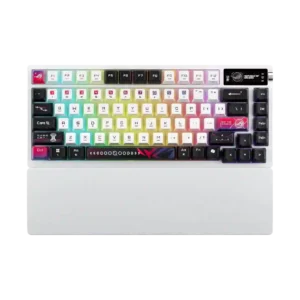
P1 ASUS ROG Azoth X
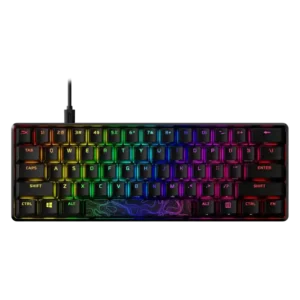
P2 HyperX Alloy Origins

Comparison Takeaways

ASUS ROG Azoth X

Where It Has the Edge

  • ease of switch replacement is 4.7 vs 1.0. Switch replacement was praised as straightforward, with reviewers describing access or removal as quick and easy.
  • reliability is 4.4 vs 1.5. Reliability was mixed: wireless operation was stable, but software instability and finish scratching hurt confidence.
  • profile management is 4.5 vs 2.3. Profile management had limited positive evidence, with one reviewer saying profile switching was quick and easy.
  • hot-swappable switches is 4.2 vs 2.0. Hot-swappable switches were seen as a meaningful enthusiast-friendly advantage, especially for users who want to experiment or replace...

HyperX Alloy Origins

Where It Has the Edge

  • materials quality is 5.0 vs 3.2. Materials quality is strongly positive, especially the aircraft-grade aluminum construction and high-quality case feel.
  • value for money is 4.3 vs 2.7. Value is generally strong, with many reviewers calling the price fair, competitive, or excellent; one reviewer felt the...
  • extra gaming features is 5.0 vs 3.7. Extra gaming features are strong, with NKRO, anti-ghosting, and game mode earning positive evidence for avoiding missed or...
  • polling rate is 4.5 vs 3.7. Polling rate evidence is positive but limited, with reviewers calling the 1000 Hz-class polling or scan behavior suitable...
Average score
Product 1: ASUS ROG Azoth X
4.2
Product 2: HyperX Alloy Origins
3.9
acoustics
Product 1: ASUS ROG Azoth X
4.2

Acoustics were usually praised as crisp, deep, creamy, or fantastic, although the spacebar inconsistency kept this from being universally excellent.

Product 2: HyperX Alloy Origins
3.8

Acoustics are mixed, ranging from satisfying thock and pleasant sound to loud, clacky, or stabilizer-rattly impressions.

actuation consistency
Product 1: ASUS ROG Azoth X
4.5

Actuation consistency was praised where discussed, with reviewers noting consistent switch feel and minimal friction across keypresses.

Product 2: HyperX Alloy Origins
5.0

One reviewer explicitly praised the speed and consistency of the keyboard and switch combination.

analog input support
Product 1: ASUS ROG Azoth X
2.1

Analog input support was consistently marked down because reviewers repeatedly called out the absence of Hall-effect or analog switch features.

Product 2: HyperX Alloy Origins
No score yet
backlight brightness
Product 1: ASUS ROG Azoth X
4.3

Backlight brightness split reviewers: several found it exceptional or very bright, while one reviewer felt the lighting was underwhelming.

Product 2: HyperX Alloy Origins
5.0

Backlight brightness is a major strength, with reviewers repeatedly describing the lighting as extremely bright or easy to adjust.

battery life
Product 1: ASUS ROG Azoth X
4.9

Battery life drew near-universal praise, with many reviewers calling it impressive even when RGB or OLED reduced rated endurance.

Product 2: HyperX Alloy Origins
No score yet
build quality
Product 1: ASUS ROG Azoth X
4.3

Build quality was generally sturdy and solid, but the plastic base, premium-price expectations, and scratch-prone finish produced mixed marks.

Product 2: HyperX Alloy Origins
4.9

Build quality is the standout consensus strength, with reviewers repeatedly praising the aluminum body, weight, sturdiness, and premium feel.

cable quality
Product 1: ASUS ROG Azoth X
4.0

Cable quality had limited positive evidence: reviewers liked the sleeved/braided cable, though one noted its gray color did not match the white board.

Product 2: HyperX Alloy Origins
3.6

Cable quality is polarized, with praise for detachable braided USB-C cables but criticism of stiffness, kinks, and recessed-port compatibility.

compatibility
Product 1: ASUS ROG Azoth X
4.6

Compatibility was strong thanks to Mac support, PC/Mac switching, MX-style switch compatibility, and south-facing PCB keycap compatibility.

Product 2: HyperX Alloy Origins
4.0

Compatibility evidence is generally favorable for consoles and major platforms, though one review notes no macOS or Linux support for that model.

connectivity
Product 1: ASUS ROG Azoth X
4.8

Connectivity was highly praised: reviewers liked tri-mode support, dongle convenience, and smooth switching between wireless modes or devices.

Product 2: HyperX Alloy Origins
3.5

Connectivity is mixed: detachable USB-C is appreciated, but reviewers noted software detection issues and no multi-device use.

customization options
Product 1: ASUS ROG Azoth X
4.6

Customization options were a major strength, covering disassembly, OLED settings, RGB, macros, web tools, and component tinkering.

Product 2: HyperX Alloy Origins
5.0

Customization options are strong where reviewers discuss remapping and key assignment, especially on the Core model.

design aesthetics
Product 1: ASUS ROG Azoth X
4.3

Design aesthetics were divisive but mostly positive: reviewers often liked the bold sci-fi white theme, while acknowledging it will not suit every desk setup.

Product 2: HyperX Alloy Origins
4.4

Design aesthetics are mostly praised as sleek, simple, attractive, or understated, though one reviewer found the design too slippery and plain.

desk space efficiency
Product 1: ASUS ROG Azoth X
4.5

Desk space efficiency was praised because the keyboard stayed compact without feeling cramped and saved space versus larger layouts.

Product 2: HyperX Alloy Origins
4.9

Desk space efficiency is strongly supported, especially for TKL, 60%, and 65% variants that leave more mouse room.

durability
Product 1: ASUS ROG Azoth X
4.1

Durability evidence was positive but limited, mainly tied to durable dye-sub legends and premium construction.

Product 2: HyperX Alloy Origins
4.5

Durability evidence is positive but limited, including expected longevity and a long-term report of continued use.

ease of switch replacement
Product 1: ASUS ROG Azoth X
4.7

Switch replacement was praised as straightforward, with reviewers describing access or removal as quick and easy.

Product 2: HyperX Alloy Origins
1.0

Ease of switch replacement is poor where discussed, because changing switches requires desoldering both LED and switch components.

ergonomics
Product 1: ASUS ROG Azoth X
4.8

Ergonomics were positive where covered, mainly due to the wrist rest and FR4/typing changes that improved comfort.

Product 2: HyperX Alloy Origins
4.0

Ergonomics are mixed: adjustable feet and smaller layouts help comfort, but wrist fatigue and the need for a wrist rest appear in several reviews.

extra gaming features
Product 1: ASUS ROG Azoth X
3.7

Extra gaming features were mixed: Speed Tap and the OLED were useful or fun, but reviewers questioned the OLED’s value and noted missing Hall-effect features.

Product 2: HyperX Alloy Origins
5.0

Extra gaming features are strong, with NKRO, anti-ghosting, and game mode earning positive evidence for avoiding missed or accidental inputs.

frame rigidity
Product 1: ASUS ROG Azoth X
4.6

Frame rigidity was a strength, with reviewers repeatedly noting no deck flex, no rattle, and a stable body.

Product 2: HyperX Alloy Origins
5.0

Frame rigidity is excellent in the review evidence, with repeated comments about minimal flex, no give, and stable placement.

gaming performance
Product 1: ASUS ROG Azoth X
4.2

Gaming performance was positive for casual and mainstream play, but reviewers noted it is less compelling for players seeking Hall-effect or esports-focused features.

Product 2: HyperX Alloy Origins
4.6

Gaming performance is one of the strongest areas, repeatedly praised as responsive, accurate, low-lag, and well suited to fast games.

hot-swappable switches
Product 1: ASUS ROG Azoth X
4.2

Hot-swappable switches were seen as a meaningful enthusiast-friendly advantage, especially for users who want to experiment or replace switches.

Product 2: HyperX Alloy Origins
2.0

Hot-swappable switch support is a weakness because reviewers specifically wanted hot-swap capability and noted its absence.

keycap quality
Product 1: ASUS ROG Azoth X
3.9

Keycap quality was mixed-positive: many liked the texture, printing, durability, and RGB diffusion, while some disliked the smooth or tacky feel.

Product 2: HyperX Alloy Origins
3.5

Keycap quality is mixed: PBT-equipped compact versions are praised, while ABS caps on other versions draw shine, oil, rattle, and durability complaints.

key responsiveness
Product 1: ASUS ROG Azoth X
4.6

Key response was consistently praised as snappy, fast, and responsive across typing and gaming, especially with the light linear switches.

Product 2: HyperX Alloy Origins
4.5

Responsiveness is a clear strength, with reviewers citing quick, precise inputs, reduced accidental presses, and skill activation that kept up with games.

key spacing
Product 1: ASUS ROG Azoth X
3.5

Key spacing had limited mixed evidence, with one first-impression review noting the smaller-feeling keys may require adjustment.

Product 2: HyperX Alloy Origins
3.8

Key spacing is context-dependent: the 60% model can feel tightly packed, while other layouts are described as standard or not cramped.

key stability
Product 1: ASUS ROG Azoth X
4.8

Key stability was praised through minimal stem wobble, stable keypresses, and no wobble or echo in typing tests.

Product 2: HyperX Alloy Origins
4.5

Key stability is generally positive, with reviewers noting no wobble or only minor wobble that was not distracting.

latency
Product 1: ASUS ROG Azoth X
5.0

Latency evidence was strongly positive, with reviewers reporting delay-free input and no wireless latency problems in testing.

Product 2: HyperX Alloy Origins
5.0

Latency evidence is strongly positive: reviewers measured tight or very low latency and reported no detectable lag in use.

layout options
Product 1: ASUS ROG Azoth X
4.5

Layout evidence was limited but positive, with one reviewer saying the layout made sense and was clearly labeled.

Product 2: HyperX Alloy Origins
3.9

Layout options are useful for gamers who want smaller boards, but the 60% layout creates productivity tradeoffs for some users.

legend visibility
Product 1: ASUS ROG Azoth X
4.4

Legend visibility was mostly praised thanks to clear labeling, visible lettering, and sharper printing, though small display icons and stylized legends had caveats.

Product 2: HyperX Alloy Origins
5.0

Legend visibility has positive evidence from the 60% model, where side-printed secondary functions were easy to recognize.

macro customization
Product 1: ASUS ROG Azoth X
4.5

Macro customization was positive where discussed, with reviewers noting easy macro creation and broad remapping support.

Product 2: HyperX Alloy Origins
3.5

Macro customization is available and useful, but reviewers also found it less intuitive or less capable than dedicated macro-focused alternatives.

materials quality
Product 1: ASUS ROG Azoth X
3.2

Materials quality was mixed: PBT caps and metal elements helped, while plastic construction and finish complaints hurt the premium impression.

Product 2: HyperX Alloy Origins
5.0

Materials quality is strongly positive, especially the aircraft-grade aluminum construction and high-quality case feel.

media controls
Product 1: ASUS ROG Azoth X
4.1

Media controls were generally useful through the OLED and knob, but some reviewers wanted a more conventional or more satisfying control.

Product 2: HyperX Alloy Origins
2.8

Media controls are adequate through function layers, but reviewers repeatedly wished for separate or dedicated media keys.

noise level
Product 1: ASUS ROG Azoth X
3.2

Noise level was mixed: dampening helped keep the board acceptable, but several reviewers complained about a loud or thunky spacebar and higher overall volume.

Product 2: HyperX Alloy Origins
3.2

Noise level depends on switch and reviewer tolerance; some found it quieter or inoffensive, while others called it noisy or annoying.

onboard memory
Product 1: ASUS ROG Azoth X
No score yet
Product 2: HyperX Alloy Origins
3.8

Onboard memory is helpful for saving profiles across systems, but several reviewers considered the three-profile limit modest.

passthrough features
Product 1: ASUS ROG Azoth X
No score yet
Product 2: HyperX Alloy Origins
2.0

Passthrough features are a clear weakness where discussed, because losing the prior USB passthrough/charging port disappointed reviewers.

per-key lighting control
Product 1: ASUS ROG Azoth X
No score yet
Product 2: HyperX Alloy Origins
3.0

Per-key lighting control is supported, but one reviewer found the layered workflow slow and awkward for detailed per-key setups.

polling rate
Product 1: ASUS ROG Azoth X
3.7

Most reviewers found the 1,000Hz polling rate adequate, but several treated the paid 8,000Hz booster requirement as a caveat.

Product 2: HyperX Alloy Origins
4.5

Polling rate evidence is positive but limited, with reviewers calling the 1000 Hz-class polling or scan behavior suitable for gaming.

portability
Product 1: ASUS ROG Azoth X
4.5

Portability had limited positive support, mainly from long battery life making the board better for LAN parties or mobile work.

Product 2: HyperX Alloy Origins
4.4

Portability is a strength for the compact versions and detachable-cable design, especially for travel and LAN-style use.

profile management
Product 1: ASUS ROG Azoth X
4.5

Profile management had limited positive evidence, with one reviewer saying profile switching was quick and easy.

Product 2: HyperX Alloy Origins
2.3

Profile management is useful in theory, but evidence includes sync failures, unresponsive presets, and a three-profile limitation.

rapid trigger support
Product 1: ASUS ROG Azoth X
2.0

Rapid trigger support was a repeated weakness because reviewers noted the Azoth X lacks true rapid trigger or relies on Speed Tap instead.

Product 2: HyperX Alloy Origins
No score yet
reliability
Product 1: ASUS ROG Azoth X
4.4

Reliability was mixed: wireless operation was stable, but software instability and finish scratching hurt confidence.

Product 2: HyperX Alloy Origins
1.5

Reliability has limited negative evidence from one reviewer who reported severe lighting/profile glitches after restarts or unplugging.

RGB customization
Product 1: ASUS ROG Azoth X
4.5

RGB customization had limited but positive support, with one reviewer highlighting bold color behavior and preset variety.

Product 2: HyperX Alloy Origins
3.7

RGB customization is capable and often easy, but reviewers also criticized limited presets/effects and occasional setup friction.

RGB lighting quality
Product 1: ASUS ROG Azoth X
4.3

RGB lighting quality was widely praised for its soft glow, strong brightness, and distinctive translucent-side effect, despite a few muted-lighting complaints.

Product 2: HyperX Alloy Origins
4.8

RGB lighting quality is consistently praised for brightness, saturation, vividness, and attractive shine-through effects, with one color-mixing caveat.

size and form factor
Product 1: ASUS ROG Azoth X
4.8

The 75% size was praised as practical, with reviewers calling it a useful and near-perfect form factor for gaming desks.

Product 2: HyperX Alloy Origins
4.3

Size and form factor are praised for compactness and no-nonsense gaming use, though the smallest models involve compromises.

software quality
Product 1: ASUS ROG Azoth X
3.9

Software quality was sharply mixed: Gear Link was praised as lightweight and easy, while Armoury Crate drew complaints about bloat, crashes, and setup friction.

Product 2: HyperX Alloy Origins
2.8

Software quality is the most uneven area, with some reviewers finding it easy and others reporting confusing workflows, bugs, limits, or install problems.

sound dampening
Product 1: ASUS ROG Azoth X
4.4

Sound dampening was a clear strength, with reviewers crediting the foam stack and damping layers for reducing ping and improving sound.

Product 2: HyperX Alloy Origins
3.0

Sound dampening evidence is limited and mildly negative, with one review noting the lack of foam lets sound travel more freely.

stabilizer quality
Product 1: ASUS ROG Azoth X
4.5

Stabilizers were consistently praised, with reviewers noting no rattle, tuned large keys, and clatter-free stability.

Product 2: HyperX Alloy Origins
3.2

Stabilizer quality is mixed: some reviewers found little rattle, while others reported squeaking, looseness, or insufficient factory tuning.

switch feel
Product 1: ASUS ROG Azoth X
4.6

Reviewers generally liked the ROG NX Snow V2 switches, describing them as smooth, consistent, and pleasant, with a few noting they still lack Hall-effect gaming behavior.

Product 2: HyperX Alloy Origins
4.4

Reviewers generally describe the HyperX switches as smooth, familiar, satisfying, and good for gaming, though a few prefer Cherry-style or tactile alternatives for typing.

switch options
Product 1: ASUS ROG Azoth X
4.0

Switch choice received limited but positive coverage, with reviewers noting the option between tactile/clicky and smooth linear ROG NX V2 switches.

Product 2: HyperX Alloy Origins
3.2

Switch choice is appreciated across the lineup, but smaller variants receive criticism when they ship with only linear switches or delayed tactile/clicky options.

typing comfort
Product 1: ASUS ROG Azoth X
4.6

Typing comfort was strong, with reviewers describing long sessions as comfortable, pleasant, and easy.

Product 2: HyperX Alloy Origins
3.8

Typing comfort is mixed but generally favorable, with several reviewers enjoying daily typing while others note sensitivity or wrist comfort issues.

typing feel
Product 1: ASUS ROG Azoth X
4.4

Typing feel was the product’s strongest attribute: most reviewers found it smooth, satisfying, comfortable, and close to custom-keyboard quality, though one found it clunkier.

Product 2: HyperX Alloy Origins
4.4

Typing feel is mostly favorable, with reviewers calling it solid, satisfying, fluid, and easy to type on, though 60% sensitivity caused problems for some.

value for money
Product 1: ASUS ROG Azoth X
2.7

Value for money was the most common concern, with many reviewers calling the high price hard to justify despite the strong typing and wireless experience.

Product 2: HyperX Alloy Origins
4.3

Value is generally strong, with many reviewers calling the price fair, competitive, or excellent; one reviewer felt the MSRP was too high.

volume control
Product 1: ASUS ROG Azoth X
4.0

Volume control was useful for most reviewers, though the toggle implementation was less satisfying to some than a dedicated knob or roller.

Product 2: HyperX Alloy Origins
3.0

Volume control is split: full-size reviewers wanted a dial or wheel, while one long-term Core user praised the volume shortcut placement.

wireless performance
Product 1: ASUS ROG Azoth X
5.0

Wireless performance was one of the strongest areas, with reviewers repeatedly reporting stable, drop-free, low-latency operation.

Product 2: HyperX Alloy Origins
No score yet
wrist rest quality
Product 1: ASUS ROG Azoth X
4.3

The wrist rest was broadly welcomed as comfortable and useful, though some disliked the lack of magnets or found it harder than alternatives.

Product 2: HyperX Alloy Origins
No score yet