Compare Corsair K65 Plus vs Epomaker RT100

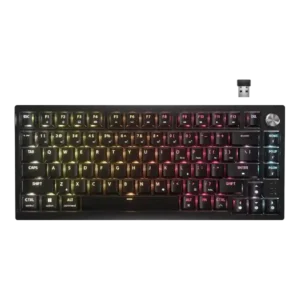
P1 Corsair K65 Plus
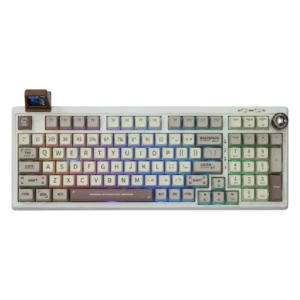
P2 Epomaker RT100

Comparison Takeaways

Corsair K65 Plus

Where It Has the Edge

  • key stability is 4.4 vs 2.5. Key stability evidence was limited but positive, with reviewers noting little wobble and consistent key behavior.
  • actuation consistency is 4.4 vs 2.5. Evidence was limited but positive: reviewers described stable, consistent key travel and simultaneous presses registering as expected.
  • reliability is 4.4 vs 2.8. Reliability evidence was limited but positive, with one reviewer saying the board stayed dependable in hectic gameplay.
  • backlight brightness is 4.4 vs 3.0. Reviewers generally found the lighting bright or visible around the caps, helped by the reflective plate, even though...

Epomaker RT100

Where It Has the Edge

  • switch options is 4.4 vs 3.1. Switch choice is a recurring strength: reviewers praised the range of stock options and the ability to choose...
  • extra gaming features is 4.0 vs 3.2. Extra gaming features have limited evidence, but NKRO was appreciated as useful for macros and gamers.
  • ergonomics is 4.4 vs 3.6. Ergonomics are generally positive due to soft mounting, comfortable key profiles, typing angle choices, and carpal-tunnel-friendly spacing in...
  • profile management is 4.5 vs 3.7. Profile management was directly praised in one review as intuitive inside the Epomaker driver workflow.
Average score
Product 1: Corsair K65 Plus
4.2
Product 2: Epomaker RT100
4.0
acoustics
Product 1: Corsair K65 Plus
4.4

Most reviewers liked the quieter, fuller sound profile, often crediting the K65 Plus with enthusiast-like acoustics; a few noted average sound or a plasticky spacebar.

Product 2: Epomaker RT100
4.8

Acoustics are a major strength, with reviewers praising deep thock, muted office-friendly sound, and strong stock sound profiles.

actuation consistency
Product 1: Corsair K65 Plus
4.4

Evidence was limited but positive: reviewers described stable, consistent key travel and simultaneous presses registering as expected.

Product 2: Epomaker RT100
2.5

One reviewer raised a possible consistency concern, describing actuation as inconsistent across the keyboard despite otherwise liking the board.

backlight brightness
Product 1: Corsair K65 Plus
4.4

Reviewers generally found the lighting bright or visible around the caps, helped by the reflective plate, even though it does not shine through legends.

Product 2: Epomaker RT100
3.0

Backlight brightness received limited direct opinion, with one reviewer finding it not especially strong.

battery life
Product 1: Corsair K65 Plus
4.4

Battery life was widely praised, especially with RGB off; reviewers with RGB on reported shorter but still usable runtimes ranging from days to around a week.

Product 2: Epomaker RT100
3.8

Battery life is mixed: some reviewers saw only a couple days with RGB or screen use, while others reported a week or more with lighter settings.

build quality
Product 1: Corsair K65 Plus
4.5

Build quality was a consistent strength, with reviewers calling the board sturdy, solid, hefty, and well-built despite its plastic-heavy shell.

Product 2: Epomaker RT100
4.3

Build quality is mostly praised as sturdy, well constructed, and high quality for plastic, with a few caveats about knob or screen details.

cable quality
Product 1: Corsair K65 Plus
4.4

The included cable received light but positive comments, with reviewers appreciating that it is braided, good-sized, and long enough for charging.

Product 2: Epomaker RT100
4.6

Cable quality is a surprisingly consistent strength, with reviewers praising the thick, themed, premium-feeling included cable.

compatibility
Product 1: Corsair K65 Plus
4.7

Reviewers liked the broad platform support, including Windows, Mac, mobile devices, consoles, and multiple-device use cases.

Product 2: Epomaker RT100
4.5

Compatibility is positive where discussed, especially dual OS support and broad wired/Bluetooth/2.4GHz device support.

connectivity
Product 1: Corsair K65 Plus
4.7

Connectivity was a major positive: wired, 2.4GHz, and Bluetooth modes were repeatedly described as versatile, smooth, and easy to use.

Product 2: Epomaker RT100
4.2

Connectivity is a consistent strength across wired, Bluetooth, and 2.4GHz, although one reviewer had cable-specific wired finickiness.

customization options
Product 1: Corsair K65 Plus
4.4

Customization was strongly praised, especially hot-swap support, onboard shortcuts, iCUE controls, remapping, lighting control, and hardware-level adjustments.

Product 2: Epomaker RT100
3.7

Customization is a central appeal, especially with screen images, RGB, keys, and switches, but the mini TV layout and metrics are not customizable enough for several reviewers.

design aesthetics
Product 1: Corsair K65 Plus
4.4

Most reviewers liked the understated two-tone look and cleaner non-gamery styling, though one disliked the keycap color mix.

Product 2: Epomaker RT100
4.6

Design aesthetics are a major consensus strength: reviewers liked the retro-futuristic styling, colorways, and distinctive mini-TV personality.

desk space efficiency
Product 1: Corsair K65 Plus
4.6

Reviewers consistently said the 75% layout frees up desk and mouse space while preserving useful keys.

Product 2: Epomaker RT100
4.5

Desk space efficiency is a strong point for users who want numpad functionality without a sprawling full-size footprint.

durability
Product 1: Corsair K65 Plus
4.8

Durability evidence was limited, but one reviewer strongly expected the sturdy build to last a long time.

Product 2: Epomaker RT100
3.5

Durability evidence is mostly positive for keycaps, but one reviewer worried the protruding mini screen could be vulnerable to impact.

ease of switch replacement
Product 1: Corsair K65 Plus
4.4

Reviewers generally found switch replacement and disassembly approachable, though one noted some switches required extra force.

Product 2: Epomaker RT100
4.4

Switch replacement is usually easy, though one internal-access review found pulling and installing switches harder because of plate flexibility.

ergonomics
Product 1: Corsair K65 Plus
3.6

Ergonomic feedback was mixed: adjustable feet helped some reviewers, but sharper edges and the missing wrist rest hurt long-session comfort for others.

Product 2: Epomaker RT100
4.4

Ergonomics are generally positive due to soft mounting, comfortable key profiles, typing angle choices, and carpal-tunnel-friendly spacing in one review.

extra gaming features
Product 1: Corsair K65 Plus
3.2

Gaming extras were mixed: reviewers liked Fn functions and anti-ghosting, but several felt the board lacked standout gaming features such as advanced switches or macro keys.

Product 2: Epomaker RT100
4.0

Extra gaming features have limited evidence, but NKRO was appreciated as useful for macros and gamers.

frame rigidity
Product 1: Corsair K65 Plus
4.5

The frame was usually described as rigid and flex-resistant thanks to internal plates and solid construction, with one reviewer noting some chassis flex.

Product 2: Epomaker RT100
3.7

Frame rigidity is mixed: some reviewers found the chassis firm with no flex, while others noted flex or a gasket system that did not behave as expected.

gaming performance
Product 1: Corsair K65 Plus
4.5

Gaming performance was mostly praised for smooth, responsive, reliable play, though one reviewer found it merely average and not exceptional.

Product 2: Epomaker RT100
4.0

Gaming performance is good for casual and light competitive play, but intense FPS use can suffer with the soft Sea Salt switches.

hot-swappable switches
Product 1: Corsair K65 Plus
4.6

Hot-swappable switches were one of the strongest points, repeatedly praised for making the keyboard easy to tailor after purchase.

Product 2: Epomaker RT100
4.6

Hot-swappable switch support is a clear strength, repeatedly praised for repairability, flexibility, and broad 3-/5-pin compatibility.

keycap quality
Product 1: Corsair K65 Plus
3.9

Keycap quality was mixed: reviewers liked PBT durability and feel, but several criticized legend alignment, no shine-through, or keycaps holding back the premium impression.

Product 2: Epomaker RT100
4.3

Keycap quality is widely praised for thick PBT construction, feel, texture, and styling, though a few reviewers disliked the height or printing choices.

key responsiveness
Product 1: Corsair K65 Plus
4.3

Most reviewers found response strong or fast, especially for gaming, but a few described responsiveness as average or noted accidental presses.

Product 2: Epomaker RT100
3.9

Key responsiveness is generally strong, especially on wireless and lighter gaming, though some silent-switch users reported false inputs or double spaces.

key spacing
Product 1: Corsair K65 Plus
4.8

Key spacing evidence was limited but very positive, with one reviewer saying the keys felt naturally placed and reduced mis-hits.

Product 2: Epomaker RT100
4.3

Key spacing is praised as roomy enough to avoid crowding while still compact enough to navigate efficiently.

key stability
Product 1: Corsair K65 Plus
4.4

Key stability evidence was limited but positive, with reviewers noting little wobble and consistent key behavior.

Product 2: Epomaker RT100
2.5

A spacebar rebound issue in one review hurt perceived key stability by creating accidental double spaces.

latency
Product 1: Corsair K65 Plus
4.8

Wireless latency feedback was very positive, with reviewers reporting no noticeable lag or dropout issues in gaming.

Product 2: Epomaker RT100
4.7

Latency evidence is mostly positive, with several reviewers reporting no discernible lag over 2.4GHz and acceptable wireless responsiveness.

layout options
Product 1: Corsair K65 Plus
4.0

The 75% layout was praised as a productivity-and-gaming compromise, but reviewers also noted missing or awkwardly relocated keys and limited regional layouts.

Product 2: Epomaker RT100
4.0

Layout options are praised mainly through the compact full-size/number-pad layout, which suits office work and number-heavy use.

legend visibility
Product 1: Corsair K65 Plus
2.3

Legend visibility was a consistent weakness because the opaque keycaps do not shine through, making dark-room typing harder.

Product 2: Epomaker RT100
2.5

Legend visibility is mixed: large legends are easy to see, but cluttered number-row legends and non-shine-through caps hurt usability in some contexts.

macro customization
Product 1: Corsair K65 Plus
4.3

Macro support was positively reviewed through iCUE and hardware workflows, though one reviewer needed time to rebuild old macros on fewer keys.

Product 2: Epomaker RT100
3.8

Macro customization is useful but split: reviewers acknowledged macro support, while software friction made it less intuitive in some cases.

materials quality
Product 1: Corsair K65 Plus
3.6

Materials drew mixed reactions: reviewers liked the premium feel from the plate and PBT caps but often wished for more metal or less plastic at the price.

Product 2: Epomaker RT100
3.7

Materials quality is generally solid for the price, especially PBT keycaps and thicker plastic, but the plastic volume knob drew criticism.

media controls
Product 1: Corsair K65 Plus
4.2

The control dial was generally liked for volume, scroll, zoom, and brightness, but several reviewers wanted deeper remapping or noted slight wobble.

Product 2: Epomaker RT100
3.9

Media controls are useful overall, though the knob design and feel range from excellent tactile feedback to cheap-looking plastic.

noise level
Product 1: Corsair K65 Plus
4.6

Noise was widely praised as quiet, calm, and non-disruptive, making the board suitable for shared or quieter spaces.

Product 2: Epomaker RT100
4.8

Noise level is a consistent strength for the Sea Salt Silent version, which reviewers found extremely quiet and office-friendly.

onboard memory
Product 1: Corsair K65 Plus
3.7

Onboard profile evidence was mixed: some reviewers liked saved profiles, while others criticized the lack of true hardware-profile behavior.

Product 2: Epomaker RT100
No score yet
per-key lighting control
Product 1: Corsair K65 Plus
3.5

Per-key lighting control was mixed because wired/iCUE use unlocks stronger customization, while wireless mode limits patterns and layers.

Product 2: Epomaker RT100
4.0

Per-key lighting control appears as a modern feature reviewers valued, though it is limited by opaque keycaps.

polling rate
Product 1: Corsair K65 Plus
3.6

The 1,000Hz polling rate was usually considered fine for casual or average gamers, but reviewers noted it trails high-end competitive boards.

Product 2: Epomaker RT100
No score yet
portability
Product 1: Corsair K65 Plus
3.7

Portability was mixed: the compact form and dongle storage help travel, but multiple reviewers noted the board is heavier than expected.

Product 2: Epomaker RT100
3.3

Portability is mixed: the plastic build and moderate weight help, but the protruding screen and near-full layout make travel less friendly.

profile management
Product 1: Corsair K65 Plus
3.7

Profile management was useful for switching setups, but opinions were mixed because onboard limits and preset behavior constrain software-free use.

Product 2: Epomaker RT100
4.5

Profile management was directly praised in one review as intuitive inside the Epomaker driver workflow.

rapid trigger support
Product 1: Corsair K65 Plus
2.4

Rapid trigger support was viewed as a missing or unnecessary advanced feature depending on the reviewer’s gaming needs.

Product 2: Epomaker RT100
2.0

Rapid-trigger style play was a weak point in one review because the Sea Salt switches made fast, precise FPS inputs harder.

reliability
Product 1: Corsair K65 Plus
4.4

Reliability evidence was limited but positive, with one reviewer saying the board stayed dependable in hectic gameplay.

Product 2: Epomaker RT100
2.8

Reliability is mixed, with strong connections in some reviews but repeated concerns about screen setup, app crashes, missing readings, and unstable mini-TV behavior.

RGB customization
Product 1: Corsair K65 Plus
4.1

RGB customization was often praised through iCUE and onboard presets, but reviewers disliked reduced wireless customization and non-shine-through caps.

Product 2: Epomaker RT100
4.3

RGB customization is considered useful and reasonably flexible through the driver, with both per-key control and effect customization mentioned positively.

RGB lighting quality
Product 1: Corsair K65 Plus
4.4

RGB quality was usually praised as vibrant, tasteful, bright, or stylish despite its mostly aesthetic underglow role.

Product 2: Epomaker RT100
4.0

RGB lighting quality is generally liked for visible, vibrant effects, although some reviewers noted subdued underglow or non-shine-through keycaps limiting usefulness.

size and form factor
Product 1: Corsair K65 Plus
4.6

The 75% form factor was a major strength, balancing compactness with arrows, function keys, and everyday usability.

Product 2: Epomaker RT100
4.4

Size and form factor are widely liked because the RT100 keeps a numpad while remaining more compact than a traditional full-size board.

software quality
Product 1: Corsair K65 Plus
4.2

Software feedback was mostly positive for iCUE’s options and ease, but reviewers also cited limited dial control, hardware-profile limits, and occasional dependence on software.

Product 2: Epomaker RT100
3.4

Software quality is mixed: some reviewers found it stable or straightforward, while others found it clunky, finicky, slow, or unreliable for screen features.

sound dampening
Product 1: Corsair K65 Plus
4.6

Sound dampening was strongly praised, with reviewers crediting the foam and silicone layers for quieter, smoother, less hollow sound.

Product 2: Epomaker RT100
4.6

Sound dampening is widely praised; foam, gasket-style structure, and case design reduce hollowness, pinging, and harshness.

stabilizer quality
Product 1: Corsair K65 Plus
4.4

Stabilizers were generally strong, especially the spacebar, though a few reviewers found uneven lube or minor rattle/wobble.

Product 2: Epomaker RT100
4.2

Stabilizers are mostly good out of the box, with multiple reviewers hearing little rattle, though one noted ticks needing light tuning.

switch feel
Product 1: Corsair K65 Plus
4.5

Switch feel was widely praised for smooth, soft, factory-lubed MLX Reds, though a few reviewers wanted tactile alternatives or found them average.

Product 2: Epomaker RT100
4.4

Reviewers broadly liked the switch feel, especially Wisteria, Flamingo, and Sea Salt options, but silent Sea Salts divided users who disliked their mushy or overly soft bottom-out.

switch options
Product 1: Corsair K65 Plus
3.1

Switch options were a recurring weakness because the base board ships only with linear MLX Reds, even though hot-swap mitigates that limitation.

Product 2: Epomaker RT100
4.4

Switch choice is a recurring strength: reviewers praised the range of stock options and the ability to choose quieter, tactile, or more conventional linear switches.

typing comfort
Product 1: Corsair K65 Plus
4.5

Typing comfort was mostly praised over long sessions, but some reviewers found the edge angle or lack of wrist rest uncomfortable.

Product 2: Epomaker RT100
4.3

Typing comfort is highly praised when users like the switch profile, but tall MDA caps and light switches are uncomfortable for some reviewers.

typing feel
Product 1: Corsair K65 Plus
4.8

Typing feel was one of the strongest themes, with many reviewers calling it smooth, satisfying, premium, or the best Corsair typing experience.

Product 2: Epomaker RT100
4.3

Typing feel is one of the strongest themes: most reviewers found the RT100 smooth, soft, satisfying, and enjoyable, with only switch-profile caveats.

value for money
Product 1: Corsair K65 Plus
4.1

Value sentiment was mostly positive at the launch price, especially versus pricier gaming boards, but some reviewers felt cheaper competitors outclass it.

Product 2: Epomaker RT100
4.6

Value for money is one of the clearest strengths, with reviewers repeatedly calling the RT100 feature-rich, reasonably priced, or hard to beat near $100-$120.

volume control
Product 1: Corsair K65 Plus
4.2

Volume control through the dial was liked and convenient, although reviewers noted mode limits and minor dial tolerance issues.

Product 2: Epomaker RT100
3.8

Volume control is useful and often tactile, but the knob’s plasticky look and out-of-place design are repeated complaints.

wireless performance
Product 1: Corsair K65 Plus
4.7

Wireless performance was repeatedly praised as stable, lag-free, and reliable over 2.4GHz or Bluetooth in normal use.

Product 2: Epomaker RT100
4.4

Wireless performance is generally strong, especially over 2.4GHz, with reviewers reporting no obvious lag and easy device switching.

wrist rest quality
Product 1: Corsair K65 Plus
2.6

Wrist-rest feedback was negative because the keyboard lacks one, which several reviewers felt mattered at the price or for comfort.

Product 2: Epomaker RT100
No score yet