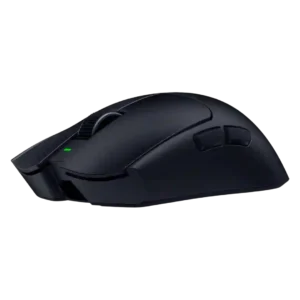
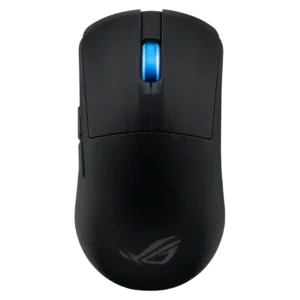
Compare Razer Viper V4 Pro vs ASUS ROG Harpe Ace Mini

P1 Razer Viper V4 Pro
P2 ASUS ROG Harpe Ace Mini

Comparison Takeaways

Razer Viper V4 Pro

Where It Has the Edge

  • software stability is 3.9 vs 2.2. Software stability was mixed: several reviewers had smooth experiences, but one reported a persistent web-app conflict with desktop...
  • materials quality is 4.8 vs 3.7. Materials quality was praised for sturdy plastics and a premium-feeling coating, especially compared with cheaper ultralight shells.
  • software usability is 4.6 vs 3.5. Software usability was mostly strong, especially with Synapse Web reducing install friction, though Synapse still drew occasional caveats.
  • balance and weight distribution is 5.0 vs 4.2. Weight distribution was strongly praised, with reviewers describing the mouse as centered, balanced, and lighter-feeling in motion.

ASUS ROG Harpe Ace Mini

Where It Has the Edge

  • Bluetooth support is 4.5 vs 1.5. Bluetooth support was positively received for easy pairing, useful productivity support, and painless mode switching.
  • cable flexibility is 4.8 vs 2.3. Cable flexibility was strongly positive where mentioned, with reviewers praising the paracord as highly flexible and low-friction.
  • portability is 4.6 vs 3.2. Portability was a clear advantage due to the compact, light design and travel-friendly use.
  • RGB features is 4.0 vs 2.7. RGB features were generally seen as tasteful and minimal, though the lighting is limited to subtle scroll-wheel effects.
Average score
Product 1: Razer Viper V4 Pro
4.2
Product 2: ASUS ROG Harpe Ace Mini
4.3
2.4GHz connectivity
Product 1: Razer Viper V4 Pro
4.8

Dongle-based wireless connectivity was praised for helpful indicators, strong signal, and improved convenience over older dongles.

Product 2: ASUS ROG Harpe Ace Mini
4.5

2.4GHz connectivity was praised for easy setup, SpeedNova precision, reliable performance, and top-notch wireless behavior.

acceleration control
Product 1: Razer Viper V4 Pro
4.3

Dynamic sensitivity, rotation, and acceleration-style controls were valued by advanced users, but some reviewers framed them as niche tuning tools.

Product 2: ASUS ROG Harpe Ace Mini
4.4

Acceleration behavior was positive in limited evidence, with reviewers saying it felt sufficient or showed zero unwanted acceleration.

Accuracy and tracking precision
Product 1: Razer Viper V4 Pro
4.8

Reviewers consistently described tracking as highly precise and confidence-inspiring, with only a few saying gains are incremental at the very high end.

Product 2: ASUS ROG Harpe Ace Mini
4.7

Reviewers consistently praised the mouse as accurate and precise, with only one review noting high-DPI jitter in unrealistic upper ranges.

balance and weight distribution
Product 1: Razer Viper V4 Pro
5.0

Weight distribution was strongly praised, with reviewers describing the mouse as centered, balanced, and lighter-feeling in motion.

Product 2: ASUS ROG Harpe Ace Mini
4.2

Balance evidence was split: one reviewer felt rear weighting, while another said balance felt spot-on.

battery life
Product 1: Razer Viper V4 Pro
4.7

Battery life was one of the clearest upgrades, with broad praise for 180 hours at 1,000Hz and useful endurance even at 8,000Hz.

Product 2: ASUS ROG Harpe Ace Mini
4.6

Battery life was one of the strongest consensus wins, repeatedly described as impressive, fantastic, accurate, or better than expected.

Bluetooth support
Product 1: Razer Viper V4 Pro
1.5

Bluetooth support is absent, which reviewers treated as a limitation rather than a performance issue.

Product 2: ASUS ROG Harpe Ace Mini
4.5

Bluetooth support was positively received for easy pairing, useful productivity support, and painless mode switching.

build quality
Product 1: Razer Viper V4 Pro
4.9

Build quality was a standout strength, with reviewers repeatedly noting rigidity, no creak, and premium construction.

Product 2: ASUS ROG Harpe Ace Mini
4.5

Build quality was consistently positive, with reviewers calling it sturdy, solid, well-built, and able to go the distance.

button customization
Product 1: Razer Viper V4 Pro
4.5

Button customization was consistently treated as flexible and easy through Synapse or Synapse Web.

Product 2: ASUS ROG Harpe Ace Mini
4.5

Button customization was praised for easy programming and broad finetuning options.

button responsiveness
Product 1: Razer Viper V4 Pro
4.5

Button responsiveness was usually praised as crisp and quick, with one reviewer noting occasional stickiness under spam-clicking.

Product 2: ASUS ROG Harpe Ace Mini
4.5

Button responsiveness was a repeated strength, with clicks described as satisfying, tactile, crisp, clear, and responsive.

cable flexibility
Product 1: Razer Viper V4 Pro
2.3

Cable flexibility was a weakness where tested, with reviewers finding the cable too stiff or intrusive for wired play.

Product 2: ASUS ROG Harpe Ace Mini
4.8

Cable flexibility was strongly positive where mentioned, with reviewers praising the paracord as highly flexible and low-friction.

charging convenience
Product 1: Razer Viper V4 Pro
3.4

Charging convenience was mixed: long battery life reduces the issue, but cable-only charging and stiff cables drew criticism.

Product 2: ASUS ROG Harpe Ace Mini
4.4

Charging convenience had limited but positive evidence, especially around USB-C fast charging and quick top-ups.

claw grip comfort
Product 1: Razer Viper V4 Pro
4.6

Claw grip comfort was a major strength, with many reviewers calling the Viper shape especially suited to claw users.

Product 2: ASUS ROG Harpe Ace Mini
4.5

Claw grip comfort was a major strength, repeatedly tied to the compact esports shape.

click latency
Product 1: Razer Viper V4 Pro
4.7

Click and wireless latency were repeatedly judged excellent, with reviewers calling the mouse extremely fast and low-latency in real use.

Product 2: ASUS ROG Harpe Ace Mini
4.6

Click latency was praised in the reviews that addressed it, especially around optical switches and low-latency performance.

click noise
Product 1: Razer Viper V4 Pro
2.6

Click noise was the most repeated sensory complaint; reviewers often liked the feel but called the optical switches loud or hollow.

Product 2: ASUS ROG Harpe Ace Mini
No score yet
connection stability
Product 1: Razer Viper V4 Pro
4.8

Connection stability was a major positive thanks to the Gen-2 dongle, strong signal, and stable desk placement.

Product 2: ASUS ROG Harpe Ace Mini
4.5

Connection stability was broadly positive across wired, Bluetooth, and 2.4GHz modes, with reviewers reporting easy, reliable, or trouble-free use.

cross-platform compatibility
Product 1: Razer Viper V4 Pro
4.3

Cross-platform compatibility was helped by browser-based configuration across computers, though it is still browser/software dependent.

Product 2: ASUS ROG Harpe Ace Mini
4.4

Cross-platform compatibility was positive in limited evidence, especially Windows/Mac Bluetooth use and flexible multi-platform operation.

dock compatibility
Product 1: Razer Viper V4 Pro
1.5

Dock compatibility was a clear downside where mentioned because the mouse does not support dock-style charging.

Product 2: ASUS ROG Harpe Ace Mini
No score yet
DPI range
Product 1: Razer Viper V4 Pro
3.9

The huge DPI range was seen as flexible and impressive, but several reviewers said the extreme 50K ceiling is more experimental than necessary.

Product 2: ASUS ROG Harpe Ace Mini
4.5

DPI range was treated as a strength where reviewers evaluated sensitivity, especially versus smaller or older rivals.

durability over time
Product 1: Razer Viper V4 Pro
4.5

Durability over time was supported mainly by one review's longer-lasting assessment rather than broad long-term testing.

Product 2: ASUS ROG Harpe Ace Mini
3.9

Durability over time was mixed-positive: switches and build were praised, but one travel-use review criticized finish scuffing.

ecosystem integration
Product 1: Razer Viper V4 Pro
4.6

Ecosystem integration was positive where reviewers paired the Viper with Razer's mouse pad and software ecosystem.

Product 2: ASUS ROG Harpe Ace Mini
4.3

Ecosystem integration was positively received where reviewers mentioned the Omni receiver and multi-device ASUS setup support.

ergonomic design
Product 1: Razer Viper V4 Pro
4.1

Ergonomics were solid for a symmetrical esports mouse, but reviewers noted it lacks the contouring of more ergonomic shapes.

Product 2: ASUS ROG Harpe Ace Mini
4.1

Ergonomic design was context-dependent: the compact shape pleased smaller-hand users but was less ideal for large hands or ergonomic-specific preferences.

fingertip grip comfort
Product 1: Razer Viper V4 Pro
4.5

Fingertip grip comfort was strong overall, though aggressive fingertip users were sometimes pointed toward smaller alternatives.

Product 2: ASUS ROG Harpe Ace Mini
4.5

Fingertip grip comfort was positive in the few reviews that addressed it directly.

FPS gaming suitability
Product 1: Razer Viper V4 Pro
4.7

FPS suitability was extremely strong, with many reviewers tying its speed, weight, accuracy, and responsiveness to shooter performance.

Product 2: ASUS ROG Harpe Ace Mini
4.7

FPS gaming suitability was strongly supported by repeated esports, aiming, shooting-game, and competitive-player praise.

glide smoothness
Product 1: Razer Viper V4 Pro
4.8

Glide smoothness was widely praised, with skates and low weight making swipes feel smooth and fast.

Product 2: ASUS ROG Harpe Ace Mini
4.6

Glide smoothness was a repeated strength, with PTFE feet and skates described as smooth, easy, or excellent.

grip texture
Product 1: Razer Viper V4 Pro
4.5

Grip texture and coating received strong praise for feeling matte, grippy, and secure, with one concern about long-term shine.

Product 2: ASUS ROG Harpe Ace Mini
4.3

Grip texture was generally praised for coatings, ridges, grips, and grippy surfaces, with only minor reservations about finish marking.

handedness options
Product 1: Razer Viper V4 Pro
2.4

Handedness options were a repeated limitation because the mouse is effectively right-handed despite its symmetrical shell.

Product 2: ASUS ROG Harpe Ace Mini
2.6

Handedness options were a weakness because multiple reviewers noted the right-hand-biased side-button layout and lack of true left-handed support.

left and right click quality
Product 1: Razer Viper V4 Pro
4.6

Primary click quality was generally excellent, though one review found the left click less bouncy than preferred.

Product 2: ASUS ROG Harpe Ace Mini
4.4

Left and right click quality had limited but positive evidence from a reviewer who liked the click implementation.

lift-off distance
Product 1: Razer Viper V4 Pro
4.3

Lift-off and tracking controls were useful overall, though one reviewer found the default lift-off distance slightly higher than ideal.

Product 2: ASUS ROG Harpe Ace Mini
4.3

Lift-off distance received limited but positive evidence through one reviewer praising the software adjustment options.

long-session comfort
Product 1: Razer Viper V4 Pro
4.6

Long-session comfort was generally strong thanks to low weight and balanced shape, though vertical-mouse comfort fans may disagree.

Product 2: ASUS ROG Harpe Ace Mini
4.7

Long-session comfort had limited but positive evidence for extended gaming sessions.

macro support
Product 1: Razer Viper V4 Pro
No score yet
Product 2: ASUS ROG Harpe Ace Mini
2.8

Macro support had limited negative evidence because one reviewer disliked needing the large Armoury Crate suite for macros.

materials quality
Product 1: Razer Viper V4 Pro
4.8

Materials quality was praised for sturdy plastics and a premium-feeling coating, especially compared with cheaper ultralight shells.

Product 2: ASUS ROG Harpe Ace Mini
3.7

Materials quality was mostly positive for sturdy plastics, premium feel, and coating, but one reviewer criticized the finish marking and another questioned the material.

MMO gaming suitability
Product 1: Razer Viper V4 Pro
No score yet
Product 2: ASUS ROG Harpe Ace Mini
4.5

MMO gaming suitability had limited positive evidence from one review that named MMORPG use as a fit.

MOBA gaming suitability
Product 1: Razer Viper V4 Pro
4.2

MOBA suitability was only lightly supported through scroll-wheel reliability for weapon-wheel-style mechanics, so evidence is limited.

Product 2: ASUS ROG Harpe Ace Mini
4.5

MOBA gaming suitability had limited positive evidence from one review that named MOBA use as a fit.

motion consistency
Product 1: Razer Viper V4 Pro
4.9

Motion consistency received strong praise in the few reviews that tested it directly, especially for smooth tracking and micro-adjustments.

Product 2: ASUS ROG Harpe Ace Mini
4.7

Motion consistency scored very well where tested, with reviewers describing reliable tracking and no acceleration or jitter.

onboard memory
Product 1: Razer Viper V4 Pro
4.4

Onboard memory/profile storage was praised where mentioned because browser-based changes can be saved directly to the mouse.

Product 2: ASUS ROG Harpe Ace Mini
4.4

Onboard memory had limited positive evidence, with one reviewer praising memory profiles for use on the go.

palm grip comfort
Product 1: Razer Viper V4 Pro
3.8

Palm grip comfort was mixed: several reviewers could use it comfortably, but others preferred more ergonomic or vertical shapes.

Product 2: ASUS ROG Harpe Ace Mini
4.2

Palm grip comfort was acceptable for some reviewers with smaller hands, though evidence was less broad than for claw and fingertip use.

polling rate
Product 1: Razer Viper V4 Pro
4.3

8,000Hz polling earned praise from competitive-focused reviewers, while others found the difference subtle or unnecessary for most players.

Product 2: ASUS ROG Harpe Ace Mini
3.6

Polling feedback was mixed: 1000Hz was acceptable for many, but reviewers disliked needing a separate booster for easy 8000Hz.

portability
Product 1: Razer Viper V4 Pro
3.2

Portability was mixed because the desktop dongle improves wireless reliability but can be bulkier or less travel-friendly.

Product 2: ASUS ROG Harpe Ace Mini
4.6

Portability was a clear advantage due to the compact, light design and travel-friendly use.

premium feel
Product 1: Razer Viper V4 Pro
4.9

Premium feel was a major positive, with reviewers describing the mouse as refined, rigid, and quality-focused.

Product 2: ASUS ROG Harpe Ace Mini
4.5

Premium feel was praised, with reviewers describing the mouse as not cheap, masterful, premium, or solid.

profile switching
Product 1: Razer Viper V4 Pro
No score yet
Product 2: ASUS ROG Harpe Ace Mini
3.5

Profile switching was useful in principle, but one reviewer found the onboard controls clunky.

programmable buttons
Product 1: Razer Viper V4 Pro
4.3

Programmable buttons were viewed as useful through Synapse customization, though the mouse remains a minimalist, low-button design.

Product 2: ASUS ROG Harpe Ace Mini
4.4

Programmable buttons were viewed as useful and easy to configure in the reviews that judged button programming.

RGB features
Product 1: Razer Viper V4 Pro
2.7

RGB support is minimal or absent; reviewers often accepted this as part of the focused esports design, but it limits desk-lighting appeal.

Product 2: ASUS ROG Harpe Ace Mini
4.0

RGB features were generally seen as tasteful and minimal, though the lighting is limited to subtle scroll-wheel effects.

scroll wheel quality
Product 1: Razer Viper V4 Pro
4.6

The optical scroll wheel was one of the most consistently praised parts, with reviewers highlighting precision, tactility, and reliable steps.

Product 2: ASUS ROG Harpe Ace Mini
3.8

Scroll wheel feedback was mixed-positive: several liked the resistance or easy actuation, while others found it stiff or soft.

sensor performance
Product 1: Razer Viper V4 Pro
4.8

The Focus Pro sensor was widely praised as elite, fast, and reliable, though some reviewers felt modern top sensors already feel close in practice.

Product 2: ASUS ROG Harpe Ace Mini
4.6

Sensor feedback was strongly positive overall, with reviewers calling it potent, precise, reliable, stellar, rock-solid, or one of the best.

shape comfort
Product 1: Razer Viper V4 Pro
4.7

Shape comfort was widely positive for the familiar symmetrical Viper shell, though it remains preference-dependent.

Product 2: ASUS ROG Harpe Ace Mini
4.3

Shape comfort was mostly praised for smaller hands and compact preferences, but larger-hand comfort was a recurring limitation.

side button quality
Product 1: Razer Viper V4 Pro
4.7

Side buttons were often praised as tactile, reachable, and top-tier, with a minor caveat that they are not always as satisfying as the main clicks.

Product 2: ASUS ROG Harpe Ace Mini
4.4

Side button quality was generally praised, with reviewers noting satisfying side clicks, easy thumb access, and good in-game feel.

software stability
Product 1: Razer Viper V4 Pro
3.9

Software stability was mixed: several reviewers had smooth experiences, but one reported a persistent web-app conflict with desktop Synapse.

Product 2: ASUS ROG Harpe Ace Mini
2.2

Software stability had limited but negative evidence from one reviewer who reported errors and restarts.

software usability
Product 1: Razer Viper V4 Pro
4.6

Software usability was mostly strong, especially with Synapse Web reducing install friction, though Synapse still drew occasional caveats.

Product 2: ASUS ROG Harpe Ace Mini
3.5

Software usability was the most divided software attribute: some liked the simplified or clean app, while others found it clunky, difficult, or outdated.

surface compatibility
Product 1: Razer Viper V4 Pro
4.7

Surface compatibility was positive where tested, with lift-off and sensor tracking staying reliable across surfaces.

Product 2: ASUS ROG Harpe Ace Mini
4.6

Surface compatibility scored well where tested, with reviewers praising calibration usefulness or trouble-free tracking across many surfaces.

switch durability
Product 1: Razer Viper V4 Pro
4.7

Optical switch durability was viewed positively because reviewers cited longevity, reduced wear, and confidence under heavy use.

Product 2: ASUS ROG Harpe Ace Mini
4.5

Switch durability evidence was positive, with optical switches framed as durable, long-lived, and safer against double-click concerns.

switch feel
Product 1: Razer Viper V4 Pro
4.5

Switch feel drew mostly positive feedback for sharp tactile response, but some reviewers wished for newer rapid-trigger-style click tech.

Product 2: ASUS ROG Harpe Ace Mini
4.5

Switch feel was viewed positively, especially for tactile optical switches and spam-click friendliness.

value for money
Product 1: Razer Viper V4 Pro
3.8

Value for money was mixed: reviewers admired the performance but repeatedly warned that the premium price is best justified for competitive users.

Product 2: ASUS ROG Harpe Ace Mini
3.9

Value was mixed: reviewers liked the performance for the price, but the high base price and separate polling booster drew criticism.

weight
Product 1: Razer Viper V4 Pro
4.8

The 49–50g weight was one of the strongest positives, making the mouse feel fast, effortless, and competitive.

Product 2: ASUS ROG Harpe Ace Mini
4.7

Weight was one of the clearest strengths, repeatedly praised as extremely light, flingable, and competitive.

wireless latency
Product 1: Razer Viper V4 Pro
4.8

Wireless latency was widely praised as extremely low, with some reviewers citing noticeable responsiveness in games.

Product 2: ASUS ROG Harpe Ace Mini
4.6

Wireless latency was praised where tested, especially for lag-free connectivity or low-latency performance.

wireless performance
Product 1: Razer Viper V4 Pro
4.9

Wireless performance was consistently described as fast, reliable, and comparable to wired use.

Product 2: ASUS ROG Harpe Ace Mini
4.6

Wireless performance was well regarded, with reviewers describing reliable, flexible, lag-free, or top-notch wireless use.