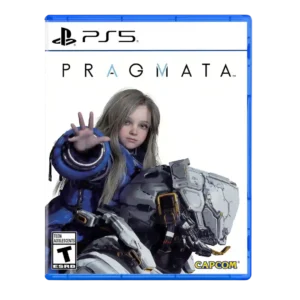
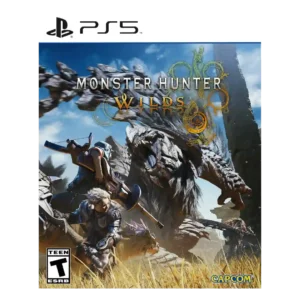
Compare Pragmata vs Monster Hunter Wilds

P1 Pragmata
P2 Monster Hunter Wilds

Comparison Takeaways

Pragmata

Where It Has the Edge

  • dialogue quality is 4.7 vs 1.5. Dialogue receives positive support, especially the Shelter conversations and the relationship-building exchanges between Hugh and Diana.
  • menu usability is 4.8 vs 2.6. Menu usability is praised for reducing friction, especially when checking materials and returning to the Shelter.
  • writing quality is 4.2 vs 2.0. Writing quality is strongest when focused on the Hugh-Diana relationship and themes, but some reviewers find it blunt...
  • pacing is 4.4 vs 2.3. Pacing is mostly praised as brisk and focused, with reviewers saying it wastes little time, though one notes...

Monster Hunter Wilds

Where It Has the Edge

  • accessibility options is 4.5 vs 3.0. Accessibility options were widely praised, including UI adjustments, color-blindness settings, arachnophobia mode, and broader approachability.
  • weapon balance is 4.8 vs 3.7. Weapon balance was praised, with reviewers saying weapons felt viable, well-tuned, and not underpowered.
  • loot system is 4.1 vs 3.2. Loot was generally accessible and generous, especially decorations and investigation rewards, though that also made gearing faster.
  • movement feel is 4.5 vs 3.9. Mount movement was praised for smooth traversal and climbing, especially while using the Seikret.
Average score
Product 1: Pragmata
4.3
Product 2: Monster Hunter Wilds
3.7
accessibility options
Product 1: Pragmata
3.0

Accessibility is mixed: one review notes grouped accessibility presets but no colorblind options, and another describes trouble reading red hacking tiles.

Product 2: Monster Hunter Wilds
4.5

Accessibility options were widely praised, including UI adjustments, color-blindness settings, arachnophobia mode, and broader approachability.

AI behavior
Product 1: Pragmata
4.0

AI behavior is central to the premise, with a rogue AI turning the moon station and robots against Hugh.

Product 2: Monster Hunter Wilds
2.0

AI behavior had a negative mark from pathing issues, including monsters getting stuck or failing to react.

aiming precision
Product 1: Pragmata
4.2

Aiming is supported by enemy weak spots that reward careful precision once Diana opens robots up through hacking.

Product 2: Monster Hunter Wilds
4.0

Focus Mode improved attack aiming and part targeting, though one reviewer felt its accuracy reduced the need for careful positioning.

animation quality
Product 1: Pragmata
4.5

Animation quality is supported by motion-captured interactions between Hugh and Diana that help sell the human element.

Product 2: Monster Hunter Wilds
4.5

Animation quality was praised for strong monster and hunter animations.

art direction
Product 1: Pragmata
4.8

Art direction is a standout, with reviewers praising the NASA-punk, sci-fi, and distinctive visual identity of the lunar base.

Product 2: Monster Hunter Wilds
4.5

Art direction stood out in armor and creature fashion, especially flamboyant equipment designs.

atmosphere
Product 1: Pragmata
4.5

Atmosphere is praised for eerie, sinister, inhuman spaces that reinforce the AI-shaped lunar setting.

Product 2: Monster Hunter Wilds
5.0

Atmosphere was a strength, especially during weather-driven exploration that felt epic.

boss design
Product 1: Pragmata
4.2

Boss design is usually positive, with bosses described as highlights, spectacles, memorable, or well designed, though some previews found them frustrating.

Product 2: Monster Hunter Wilds
4.8

Boss and monster design received strong praise for awe-inspiring, intimidating, epic, and visually powerful encounters.

bug frequency
Product 1: Pragmata
4.8

Bug frequency appears low in the cited review, which reports no glitches or frame hiccups during play.

Product 2: Monster Hunter Wilds
3.5

Bug frequency appeared mostly minor in one review, though graphical glitches were still observed.

camera behavior
Product 1: Pragmata
No score yet
Product 2: Monster Hunter Wilds
2.3

Camera behavior was a recurring caveat, with camera hitches, freak-outs, and restricted vision mentioned in several reviews.

character development
Product 1: Pragmata
4.4

Character development is a major strength in many reviews, especially the father-daughter-like bond, though one review says parts feel forced.

Product 2: Monster Hunter Wilds
4.0

Character development was strongest around Nata, whose growth and changing perspective were called out positively.

checkpoint system
Product 1: Pragmata
3.5

Checkpoint behavior is mixed because returning to the Shelter can respawn enemies, which one reviewer found dull.

Product 2: Monster Hunter Wilds
No score yet
co-op experience
Product 1: Pragmata
No score yet
Product 2: Monster Hunter Wilds
4.0

Co-op was generally enjoyable and a major hook, though story restrictions and janky setup remained caveats.

combat system
Product 1: Pragmata
4.7

Combat is the clearest consensus strength: most reviewers highlight the real-time hack-and-shoot system as satisfying, inventive, tactile, and often exceptional, though one notes occasional clunkiness.

Product 2: Monster Hunter Wilds
4.4

Combat was one of the strongest areas, repeatedly described as fluid, satisfying, refined, and among the best in the series despite easier fights.

companion AI
Product 1: Pragmata
4.5

Companion AI is strongly tied to gameplay because Diana handles hacking while Hugh handles shooting, making her mechanically essential.

Product 2: Monster Hunter Wilds
4.3

Companion AI was a clear strength, with AI hunters and Palicos praised for healing, traps, aggro control, and useful support.

content variety
Product 1: Pragmata
4.4

Content variety is supported by varied arsenal choices, attack/tactical/defense units, new toys, and multiple combat or exploration systems.

Product 2: Monster Hunter Wilds
4.3

Content variety was supported by plenty of beasts and new mechanics, though individual opinions on total content depth varied.

controls responsiveness
Product 1: Pragmata
4.7

Controls are generally praised as responsive and intuitive, with reviewers saying the shooting, movement, and hacking become manageable despite the multitasking demands.

Product 2: Monster Hunter Wilds
2.8

Control feel was mixed: some reviewers found smoother combat, while others disliked animation lock-in, radial clutter, or limited remapping.

core gameplay loop
Product 1: Pragmata
4.5

Reviewers repeatedly praise the central loop of shooting while hacking, calling it tense, satisfying, well-paced, and strong enough to hold attention through the campaign.

Product 2: Monster Hunter Wilds
4.0

The hunt-craft-hunt loop drew strong praise from many reviewers, though a few said lower difficulty and streamlining weakened its purpose.

crafting system
Product 1: Pragmata
No score yet
Product 2: Monster Hunter Wilds
4.3

Crafting remained a meaningful part of the endgame through armor, talismans, decorations, weapons, and Artian weapon crafting.

crash stability
Product 1: Pragmata
5.0

Crash stability is strong in the cited PC review, which reports no crashes.

Product 2: Monster Hunter Wilds
3.3

Crash stability was mixed: several reviewers had no crashes, while others reported crashes or post-update crash complaints.

cross-play support
Product 1: Pragmata
No score yet
Product 2: Monster Hunter Wilds
5.0

Cross-play support was praised as a major multiplayer addition across platforms.

dialogue quality
Product 1: Pragmata
4.7

Dialogue receives positive support, especially the Shelter conversations and the relationship-building exchanges between Hugh and Diana.

Product 2: Monster Hunter Wilds
1.5

Dialogue quality was criticized by one reviewer for long, boring NPC chatter during story missions.

difficulty balance
Product 1: Pragmata
4.0

Difficulty is generally seen as fair and rewarding, though some reviewers describe the process as unforgiving while others find standard difficulty not especially challenging.

Product 2: Monster Hunter Wilds
2.6

Difficulty balance was the most repeated concern: many reviewers found Wilds much easier than prior entries, especially for veterans.

DLC value
Product 1: Pragmata
No score yet
Product 2: Monster Hunter Wilds
4.3

DLC value was viewed positively because reviewers expected free updates and later Master Rank expansion support.

economy and resource balance
Product 1: Pragmata
3.9

Resource balance is a real design pillar, with ammo scarcity, fragile weapons, healing limits, and breakable printed gear pushing adaptation.

Product 2: Monster Hunter Wilds
2.0

Resource balance was criticized for showering players with materials, reducing the need to repeat hunts during the story.

emotional impact
Product 1: Pragmata
4.7

Emotional impact is strong across multiple reviews, with several reviewers saying Hugh and Diana's bond moved them or hit close to home.

Product 2: Monster Hunter Wilds
4.0

Emotional impact came through stronger presentation, danger, and story moments that helped sell the world.

endgame content
Product 1: Pragmata
4.3

Endgame content is a positive but not unanimous area, with New Game Plus and postgame challenges praised while one review found some postgame modes lackluster.

Product 2: Monster Hunter Wilds
2.7

Endgame content was highly mixed, with some reviewers finding challenge and long-term hooks while many criticized thin or easy endgame offerings.

enemy variety
Product 1: Pragmata
4.0

Enemy variety is mostly praised for keeping combat engaging and requiring different approaches, though a couple of reviewers wanted more or noticed reuse.

Product 2: Monster Hunter Wilds
4.6

Enemy variety was a highlight, with reviewers praising the creature roster as strange, memorable, creative, and visually distinct.

environmental detail
Product 1: Pragmata
4.4

Environmental detail is praised through varied biomes, surprising setting changes, and visually distinct moon-base areas.

Product 2: Monster Hunter Wilds
4.7

Environmental detail was a major strength, with beautiful biomes, detailed areas, and living ecosystems repeatedly noted.

exploration quality
Product 1: Pragmata
4.3

Exploration is a repeated strength, especially optional paths, collectibles, backtracking rewards, secrets, and areas that reward curiosity.

Product 2: Monster Hunter Wilds
4.0

Exploration was strongest after the campaign opens up, with reviewers praising discoveries, map navigation, and rewarding endemic-life hunts.

facial animations
Product 1: Pragmata
No score yet
Product 2: Monster Hunter Wilds
4.0

Facial animation and character movement were noted as more natural than prior entries.

faithfulness to franchise
Product 1: Pragmata
No score yet
Product 2: Monster Hunter Wilds
3.0

Faithfulness to the franchise was split: some said it retained the trademark loop, while others felt it damaged the series identity.

fast travel convenience
Product 1: Pragmata
4.2

Fast travel convenience is supported by strategically placed save and fast-travel points that help structure exploration.

Product 2: Monster Hunter Wilds
3.5

Fast travel convenience helped movement across regions, though one reviewer felt it reduced meaningful open roaming.

frame rate stability
Product 1: Pragmata
3.7

Frame rate stability is platform-dependent: PC evidence is excellent, while Switch 2's unlocked frame rate is criticized as unstable.

Product 2: Monster Hunter Wilds
4.0

Frame rate reports varied by platform, with some reviewers seeing smooth 55–60 FPS and others noting jitter, stutter, or mode compromises.

fun factor
Product 1: Pragmata
4.8

Fun factor is one of the strongest areas, with reviewers repeatedly calling the game fun, entertaining, and a blast to play.

Product 2: Monster Hunter Wilds
4.6

Fun factor remained high for many reviewers, including those who played extensively or called the game a favorite.

gameplay mechanics
Product 1: Pragmata
4.5

Review evidence describes the game as compelling when its third-person shooting and hacking layers work together, with the dual-system gameplay carrying the experience.

Product 2: Monster Hunter Wilds
4.5

New mechanics such as Seikret, Focus Mode, and monster wounds were praised for enhancing the familiar Monster Hunter formula without overwhelming it.

graphics quality
Product 1: Pragmata
4.5

Graphics quality is broadly praised across platforms, with strong visuals, impressive environments, and current-gen presentation, though Switch 2 is cut back.

Product 2: Monster Hunter Wilds
4.1

Graphics were mostly praised for environments, visuals, and RE Engine detail, though some reviewers noted blurry or lower-quality areas.

grind level
Product 1: Pragmata
3.2

Grind is a minor caveat around Cabin Coins, which one reviewer says can become a grind for bingo-board rewards.

Product 2: Monster Hunter Wilds
2.5

Grinding remained part of the experience, with one reviewer calling the game a festival of grind.

handheld play suitability
Product 1: Pragmata
3.2

Handheld suitability is mixed: PlayStation Portal use is positive, Steam Deck is playable only at a pinch, and Switch 2 handheld is soft and unstable.

Product 2: Monster Hunter Wilds
No score yet
haptic feedback integration
Product 1: Pragmata
4.5

DualSense adaptive triggers are noted as contributing to the tactile feel of the action.

Product 2: Monster Hunter Wilds
No score yet
HUD clarity
Product 1: Pragmata
3.4

HUD clarity is mixed: the hacking UI can draw attention away from danger, and collectible scanning can clutter the HUD.

Product 2: Monster Hunter Wilds
3.0

HUD and interface clarity were criticized by one reviewer as lacking elegance amid too many field options.

immersion
Product 1: Pragmata
4.2

Immersion is supported by audio and headphones deepening the sci-fi experience.

Product 2: Monster Hunter Wilds
4.5

Immersion benefited from cinematic presentation that made the player feel heroic.

innovation
Product 1: Pragmata
4.8

Innovation is strongly supported by the puzzle-shooter concept and Capcom's willingness to build a fresh system around simultaneous hacking and shooting.

Product 2: Monster Hunter Wilds
4.5

Innovation was praised through new systems and additions that separated Wilds from earlier entries.

learning curve
Product 1: Pragmata
3.8

The learning curve is real because simultaneous hacking and shooting takes time to master, but reviewers generally say it clicks.

Product 2: Monster Hunter Wilds
3.8

The learning curve was mixed: Wilds removes many barriers, but some reviewers still found mechanics underexplained or intimidating.

level design
Product 1: Pragmata
4.4

Level design is usually described as linear but strong, with shortcuts, puzzle-box routing, save points, and optional paths keeping stages engaging.

Product 2: Monster Hunter Wilds
4.0

The Forbidden Lands opened into freer exploration for at least one reviewer once the story loosened its grip.

live-service support
Product 1: Pragmata
No score yet
Product 2: Monster Hunter Wilds
2.0

Live-service support was questioned in a retrospective review that compared post-launch updates unfavorably to World.

load times
Product 1: Pragmata
No score yet
Product 2: Monster Hunter Wilds
4.0

Load times were generally acceptable to good, with one reviewer praising quick travel between connected areas.

loot system
Product 1: Pragmata
3.2

Loot rewards are more mixed, with one reviewer finding some cosmetic and collectible incentives underwhelming despite the broader reward structure.

Product 2: Monster Hunter Wilds
4.1

Loot was generally accessible and generous, especially decorations and investigation rewards, though that also made gearing faster.

lore depth
Product 1: Pragmata
4.0

Lore depth is supported by data logs and voiced holograms, though the main story sometimes relies on them for important context.

Product 2: Monster Hunter Wilds
4.0

Lore depth was supported by the story’s monster mystery and wider worldbuilding details.

map and navigation design
Product 1: Pragmata
3.1

Map and navigation design is a recurring concern, with several reviewers calling the map unhelpful, imprecise, or frustrating for backtracking.

Product 2: Monster Hunter Wilds
2.3

Map and navigation design was divisive, with clutter, confusing layers, and autopilot undermining some reviewers’ map familiarity.

matchmaking quality
Product 1: Pragmata
No score yet
Product 2: Monster Hunter Wilds
2.0

Matchmaking setup drew criticism for being finicky and hard to explain.

menu usability
Product 1: Pragmata
4.8

Menu usability is praised for reducing friction, especially when checking materials and returning to the Shelter.

Product 2: Monster Hunter Wilds
2.6

Menu usability split reviewers, with praise for radial menus but repeated complaints about confusing or unresponsive menu systems.

microtransaction impact
Product 1: Pragmata
No score yet
Product 2: Monster Hunter Wilds
2.0

Microtransactions had a negative impact around paid character edit vouchers.

mission design
Product 1: Pragmata
3.2

Mission design receives mixed preview evidence, with one objective criticized for repeating the six-lock door setup.

Product 2: Monster Hunter Wilds
2.0

Story missions were criticized by one reviewer for being intrusive and unpleasant compared with the open hunting experience.

mission variety
Product 1: Pragmata
4.2

Mission variety is helped by training simulations and side challenges that reviewers call surprisingly fun or among the better optional content.

Product 2: Monster Hunter Wilds
3.0

Mission variety was only lightly supported and was tempered by one reviewer describing quest structure as repetitive.

monetization fairness
Product 1: Pragmata
No score yet
Product 2: Monster Hunter Wilds
2.0

Monetization fairness drew criticism around cosmetic purchases and character-edit microtransactions.

movement feel
Product 1: Pragmata
3.9

Movement is mostly positive thanks to boosting, jumping, dodging, and light platforming, though one reviewer calls Hugh's momentum unpredictable.

Product 2: Monster Hunter Wilds
4.5

Mount movement was praised for smooth traversal and climbing, especially while using the Seikret.

multiplayer design
Product 1: Pragmata
No score yet
Product 2: Monster Hunter Wilds
4.5

Multiplayer design was praised for cross-platform Link Party support once set up with friends.

narrative quality
Product 1: Pragmata
3.9

Narrative quality is divisive: several reviews love the story and relationship, while others call the plot safe, predictable, uneven, or underexplored.

Product 2: Monster Hunter Wilds
3.9

Narrative quality was sharply divided: some reviewers found it the series’ best or more engaging, while others called it overlong or weak.

onboarding experience
Product 1: Pragmata
4.5

Onboarding is praised for introducing the core loop without dragging, helping players learn shooting, moving, and hacking together.

Product 2: Monster Hunter Wilds
4.3

Onboarding was viewed positively for newcomers, with several reviewers calling Wilds approachable and more hand-holding than earlier entries.

online stability
Product 1: Pragmata
No score yet
Product 2: Monster Hunter Wilds
3.8

Online stability was mixed, ranging from frequent disconnects to smooth online sessions and no stutters.

open-world design
Product 1: Pragmata
No score yet
Product 2: Monster Hunter Wilds
3.3

Open-world design split reviewers: some loved the seamless connected world, while others felt autopilot and streamlining wasted the spaces.

originality
Product 1: Pragmata
4.7

Originality is praised because Pragmata feels like a new IP with unique systems, even when it uses familiar shooter and dad-game foundations.

Product 2: Monster Hunter Wilds
4.0

Originality was supported by reviewers describing Wilds as familiar but refreshingly new.

pacing
Product 1: Pragmata
4.4

Pacing is mostly praised as brisk and focused, with reviewers saying it wastes little time, though one notes the final section drags.

Product 2: Monster Hunter Wilds
2.3

Pacing was divisive, with praise for consistent story momentum but repeated complaints about padding, rails, and a stalling campaign.

performance optimization
Product 1: Pragmata
4.5

Performance optimization is generally strong on PC and higher-end hardware, though the Switch 2 port introduces more compromise.

Product 2: Monster Hunter Wilds
3.3

Performance optimization was inconsistent across reviews, ranging from flawless PC experiences to serious complaints about console modes and PC issues.

platform-specific feature support
Product 1: Pragmata
4.5

Platform-specific feature support is visible in ray tracing and performance modes, though execution varies by platform.

Product 2: Monster Hunter Wilds
No score yet
platforming precision
Product 1: Pragmata
4.2

Platforming is present as part of the action-adventure structure, with timing jumps and hover movement noted as important.

Product 2: Monster Hunter Wilds
No score yet
polish
Product 1: Pragmata
4.4

Polish is broadly positive, with reviewers calling the game polished, well-made, and expertly designed, though Switch 2 has visible cuts.

Product 2: Monster Hunter Wilds
2.8

Polish was mixed, with some smooth experiences but one reviewer calling it the least polished launch in the series.

progression system
Product 1: Pragmata
4.6

Progression is consistently positive, with upgrades, resources, loadouts, and hub growth giving players steady goals and meaningful growth.

Product 2: Monster Hunter Wilds
3.3

Progression was smoother and more flexible, but some reviewers felt faster gear progress reduced long-term goals.

protagonist appeal
Product 1: Pragmata
4.7

Protagonist appeal is positive mainly through Diana's charm and Hugh's surprising everyman appeal.

Product 2: Monster Hunter Wilds
4.0

The voiced protagonist helped the created hunter feel more involved in the plot.

puzzle design
Product 1: Pragmata
4.5

The puzzle layer is widely praised because hacking turns combat into a real-time route-planning challenge rather than a detached minigame.

Product 2: Monster Hunter Wilds
No score yet
quest design
Product 1: Pragmata
No score yet
Product 2: Monster Hunter Wilds
4.0

Quest activation in the field was praised as seamless because fights can turn directly into formal quests.

replay value
Product 1: Pragmata
4.7

Replay value is strong thanks to completion goals, New Game Plus, harder modes, postgame challenges, and reviewers wanting to return after credits.

Product 2: Monster Hunter Wilds
4.5

Replay value looked strong for reviewers who wanted more hunts, endgame gear, multiplayer, and continued play after the story.

sandbox freedom
Product 1: Pragmata
No score yet
Product 2: Monster Hunter Wilds
4.0

Sandbox freedom improved after the credits for reviewers who felt the world opened up with more monsters and less story pressure.

save system reliability
Product 1: Pragmata
4.0

Saving is clearly tied to the Shelter, giving the game a defined hub-based save structure.

Product 2: Monster Hunter Wilds
No score yet
server reliability
Product 1: Pragmata
No score yet
Product 2: Monster Hunter Wilds
4.5

Server reliability was supported by at least one reviewer reporting smooth lobbies without the issues seen in prior entries.

side character depth
Product 1: Pragmata
No score yet
Product 2: Monster Hunter Wilds
4.0

Side characters were praised by one reviewer as likable personalities that made the campaign more engaging.

social features
Product 1: Pragmata
No score yet
Product 2: Monster Hunter Wilds
4.0

Social features were supported by Squads and more permanent connections to other players.

sound design
Product 1: Pragmata
4.7

Sound design is a major strength, with reviewers praising weapon sounds, sci-fi effects, acoustics, and the satisfying feedback of hacks.

Product 2: Monster Hunter Wilds
4.0

Sound design supported the game’s spectacle through music and presentation that made hunts feel intense.

soundtrack quality
Product 1: Pragmata
4.5

Soundtrack quality is positive, with reviewers noting arresting music, strong battle tracks, and a soundtrack that deepens the audio experience.

Product 2: Monster Hunter Wilds
4.8

Soundtrack quality was praised for heightening mood, weather drama, and boss-fight spectacle.

tutorial quality
Product 1: Pragmata
4.2

The demo/tutorial-style introduction is seen as a useful explanation of what the game is about and how it plays.

Product 2: Monster Hunter Wilds
2.3

Tutorial quality was criticized because important explanations could be buried, fleeting, or difficult to recover later.

upgrade system
Product 1: Pragmata
4.7

The upgrade system is praised for loadout customization and an immediately gratifying upgrade loop tied to Hugh, Diana, weapons, and abilities.

Product 2: Monster Hunter Wilds
4.0

The upgrade system was supported by steady weapon and gear improvements from monster parts during play.

user interface design
Product 1: Pragmata
4.8

The broader user interface is praised for being streamlined and easy to use during play.

Product 2: Monster Hunter Wilds
3.8

UI design was flexible in some areas but also criticized for menu confusion and occasional awkwardness.

value for money
Product 1: Pragmata
4.5

Value is mostly positive for players who enjoy completion, New Game Plus, postgame, and a 12-to-20-hour action-adventure scope.

Product 2: Monster Hunter Wilds
4.5

Value for money was generally positive where reviewers cited justifiable pricing, extensive playtime, and continued updates.

visual effects quality
Product 1: Pragmata
4.2

Visual effects get positive support through combat flourishes such as sparks and explosions accompanying the shooting and hacking.

Product 2: Monster Hunter Wilds
4.0

Visual effects were praised through dramatic weather shifts and changing hunting grounds.

voice acting
Product 1: Pragmata
4.7

Voice acting is praised as convincing and delightful, with Diana and the central pair singled out.

Product 2: Monster Hunter Wilds
3.8

Voice acting was generally acceptable to positive, with reviewers noting solid performances despite some repeated dialogue.

weapon balance
Product 1: Pragmata
3.7

Weapon balance is mostly positive because of varied, paced arsenal options, but at least one reviewer found specific weapons weak.

Product 2: Monster Hunter Wilds
4.8

Weapon balance was praised, with reviewers saying weapons felt viable, well-tuned, and not underpowered.

world-building
Product 1: Pragmata
4.5

World-building is praised for near-future technology, Lunafilament, environmental storytelling, and humanity-focused sci-fi ideas.

Product 2: Monster Hunter Wilds
3.5

World-building was mixed, with some praising the new land and residents while others felt the series identity was being lost.

world interactivity
Product 1: Pragmata
4.2

World interaction is supported by environmental tools and hazards, including laser fields and other elements that affect encounters.

Product 2: Monster Hunter Wilds
4.5

World interactivity was praised through weather, monsters reacting to conditions, traps, terrain hazards, and environmental attacks.

writing quality
Product 1: Pragmata
4.2

Writing quality is strongest when focused on the Hugh-Diana relationship and themes, but some reviewers find it blunt or on the nose.

Product 2: Monster Hunter Wilds
2.0

Writing quality received criticism from one reviewer for banal writing and shallow personalities in the story campaign.