If you want better monetization fairness
Choose Borderlands 4. It scores 5.0 vs 1.5 for monetization fairness, with a 3.6 overall score.
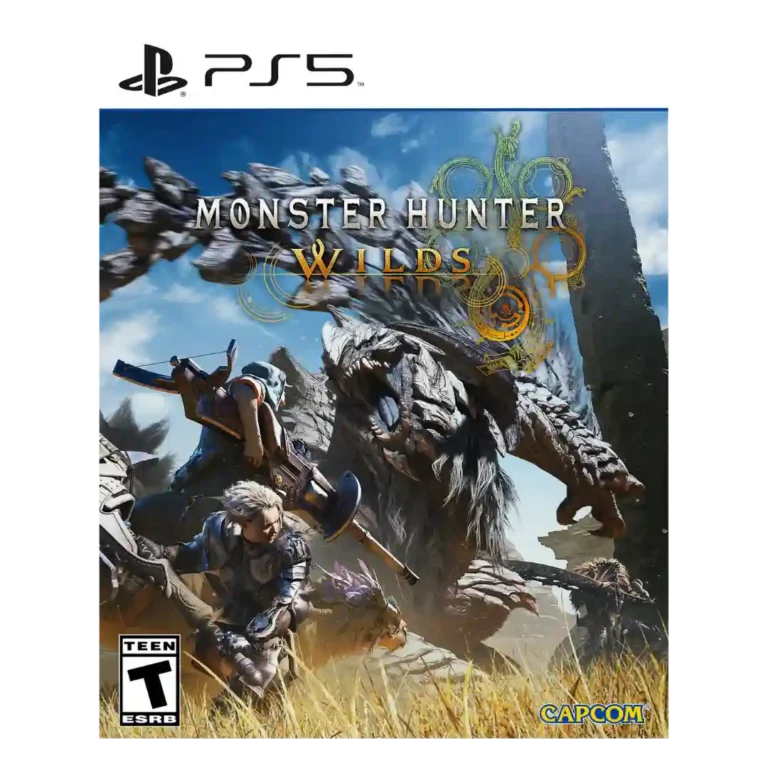
Choose Monster Hunter Wilds if you want the smoothest, most approachable hunt yet with superb monsters and combat. Skip it if you need punishing difficulty, friction-heavy preparation, or a polished PC/performance experience at launch.
Best for newcomers and returning players who want fluid combat, memorable monsters, seamless hunting, and approachable systems. It also suits players who enjoy co-op hunts, customization, and long-term gear chasing despite a smoother base-game difficulty curve.
Not for veterans who primarily want punishing difficulty, deep preparation pressure, or a dense endgame at launch. It may also frustrate players sensitive to forced story pacing, cluttered menus, or uneven PC/performance behavior.
Monster Hunter Wilds lands as a highly praised but noticeably divisive evolution of the series. Reviewers repeatedly celebrate its fluid combat, memorable monster designs, living environments, soundtrack, co-op potential, and newcomer-friendly quality-of-life changes. The tradeoff is that the same streamlining often weakens preparation, difficulty, and long-term gear motivation for veteran hunters. Story reception is split: some call it the strongest or most robust series narrative, while others dislike the forced walking, linear pacing, and intrusive dialogue. Performance also depends heavily on platform and settings, with reports ranging from flawless to muddy, stuttery, or crash-prone. Overall, the evidence points to a thrilling hunt whose accessibility and spectacle sometimes come at the cost of challenge, friction, and polish.
Compared with other Video Games, this product is above average in companion AI, enemy variety, cross-play support, near average in open-world design, core gameplay loop, below average in sandbox freedom, dialogue quality, microtransaction impact.
| Attribute | This product | Category average | Difference |
|---|---|---|---|
| sandbox freedom | 1.7 | 4.2 | -2.6 |
| dialogue quality | 1.4 | 3.4 | -2.0 |
| microtransaction impact | 1.5 | 3.5 | -2.0 |
| monetization fairness | 1.5 | 3.3 | -1.8 |
| user interface design | 2.0 | 3.4 | -1.4 |
| mission design | 2.2 | 3.5 | -1.3 |
| writing quality | 2.3 | 3.6 | -1.2 |
| companion AI | 4.4 | 3.2 | +1.1 |
Choose Borderlands 4. It scores 5.0 vs 1.5 for monetization fairness, with a 3.6 overall score.
Choose Diablo IV. It scores 4.5 vs 1.7 for sandbox freedom, with a 4.1 overall score.
Choose Ghost of Yōtei. It scores 4.5 vs 2.0 for AI behavior, with a 4.4 overall score.
Choose The Outer Worlds 2. It scores 4.6 vs 2.2 for mission design, with a 3.9 overall score.
Products reviewers directly compared with this model, grouped into quick takeaways.
Mostly yes. Many reviewers called it the most approachable or newcomer-friendly Monster Hunter yet, though several still found tutorials and menus confusing.
Yes. Combat was the strongest point across the reviews, with praise for fluid weapons, Focus Mode, Wounds, and satisfying monster fights.
Many reviewers, especially veterans, thought it was easier than past entries and lacked major difficulty walls. A few found the endgame or larger monsters still challenging enough.
Story reception was mixed. Some reviewers enjoyed the stronger presentation, characters, and Nata's development, while others disliked the linear pacing, forced walk-and-talk sections, and dialogue.
Endgame impressions were split. Some reviewers expected hundreds of hours of hunting and buildcrafting, but others felt launch endgame lacked depth, monster variety, or demanding threats.
Performance varied widely by platform and setup. Some reviewers reported smooth or flawless play, while others cited muddy performance mode, pop-in, stutters, crashes, or PC optimization problems.
These are a few of the reviews included in our analysis.
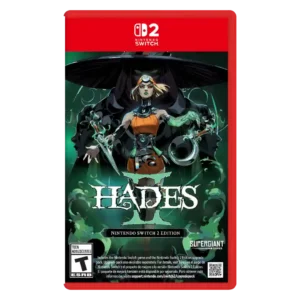
Good if you want fast, tactical roguelite combat with huge progression depth, striking art, and standout music. Skip it if repetition, resource micromanagement, or a less emotionally satisfying sequel story...
Pros: skill tree depth, dialogue quality
Cons: emotional impact, economy and resource balance
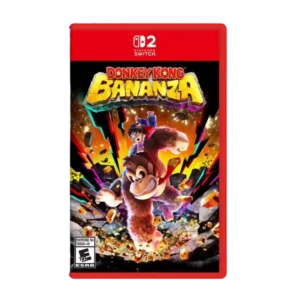
Best for joyful destruction, dense exploration, and a charming DK-Pauline adventure. Skip it if camera quirks, frame-rate dips, easy bosses, or premium Switch 2 pricing are dealbreakers.
Pros: gameplay mechanics, world interactivity
Cons: economy and resource balance, enemy variety
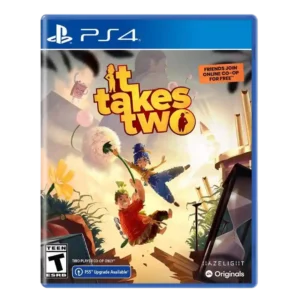
Best for joyful, inventive co-op with a partner, especially on couch. Skip it if divorce themes, uneven story tone, or Switch visual compromises would distract you.
Pros: core gameplay loop, movement feel
Cons: character development, dialogue quality
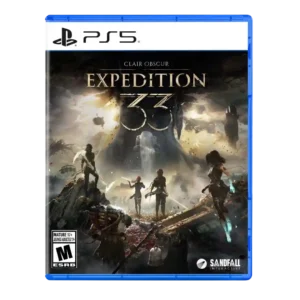
Choose Clair Obscur if you want a story-rich RPG with thrilling timed combat, gorgeous art, and standout music. Skip it if poor maps, tight parry timing, or occasional bugs and...
Pros: monetization fairness, microtransaction impact
Cons: platforming precision, menu usability