Compare Pragmata vs The Rogue Prince of Persia

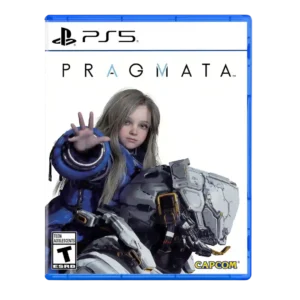
P1 Pragmata
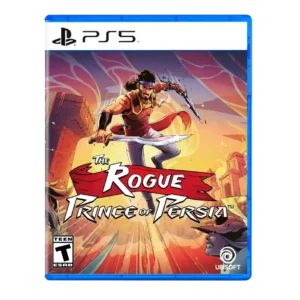
P2 The Rogue Prince of Persia

Comparison Takeaways

Pragmata

Where It Has the Edge

  • bug frequency is 5.0 vs 2.0. Bug frequency evidence is positive where mentioned, with one reviewer saying they encountered no glitches during play.
  • dialogue quality is 4.8 vs 2.1. Dialogue quality is praised most when Hugh and Diana talk in the Shelter or quiet moments, where reviewers...
  • innovation is 4.8 vs 2.2. Innovation is one of the strongest attributes, especially the real-time hacking/shooting blend and Capcom’s willingness to build a...
  • visual effects quality is 4.5 vs 2.0. Visual effects quality is praised indirectly through path tracing, reflections, combat sparks, explosions, and spectacle, though it is...

The Rogue Prince of Persia

Where It Has the Edge

  • HUD clarity is 5.0 vs 2.5. HUD clarity was strongly praised in one review that singled out visual clarity as excellent.
  • accessibility options is 4.6 vs 2.8. Accessibility was positively noted where reviewers mentioned useful or extensive options.
  • map and navigation design is 4.4 vs 2.8. Map and navigation design was a consistent strength, especially the Mind Map, world map, and objective tracking.
  • fast travel convenience is 4.7 vs 3.0. Fast travel was highly praised for making backtracking painless, instant, or strategically useful.
Average score
Product 1: Pragmata
4.1
Product 2: The Rogue Prince of Persia
3.9
accessibility options
Product 1: Pragmata
2.8

Accessibility evidence is mixed: grouped presets help, but reviewers specifically criticized missing colorblind support and red tile readability.

Product 2: The Rogue Prince of Persia
4.6

Accessibility was positively noted where reviewers mentioned useful or extensive options.

aiming precision
Product 1: Pragmata
4.5

Aiming earns positive marks because weak-spot shooting carries strong feedback and rewards careful targeting.

Product 2: The Rogue Prince of Persia
No score yet
animation quality
Product 1: Pragmata
4.5

Animation quality is positive where discussed, with motion capture and large boss animations helping sell character interaction and spectacle.

Product 2: The Rogue Prince of Persia
4.7

Animation quality was a strong visual highlight, repeatedly described as smooth, buttery, and momentum-selling.

art direction
Product 1: Pragmata
4.7

Art direction is a standout, especially the NASA-punk, AI-slop, lunar-base, and uncanny Earth-replica aesthetics.

Product 2: The Rogue Prince of Persia
4.3

Art direction was broadly praised for cel-shaded, colorful, comic-like, or distinctive Persian-inspired presentation, with one outlier calling it flat.

atmosphere
Product 1: Pragmata
4.5

Atmosphere is praised for its eerie, artificial, lunar, and emotionally reflective spaces.

Product 2: The Rogue Prince of Persia
4.4

Atmosphere was praised for strong tone-setting and a magical, dangerous Persian world.

boss design
Product 1: Pragmata
4.0

Boss design is generally praised as spectacular, challenging, and mechanically expressive, but some reviews call out too few bosses or frustration.

Product 2: The Rogue Prince of Persia
4.1

Bosses were usually seen as fair, memorable, and movement-driven, though some wanted more bosses or found certain fights too easy or health-heavy.

bug frequency
Product 1: Pragmata
5.0

Bug frequency evidence is positive where mentioned, with one reviewer saying they encountered no glitches during play.

Product 2: The Rogue Prince of Persia
2.0

Bug frequency hurt early-access impressions, especially around forge/unlock glitches.

character customization
Product 1: Pragmata
No score yet
Product 2: The Rogue Prince of Persia
4.6

Character customization was praised where reviewers highlighted numerous skins, costumes, and distinct outfit changes.

character development
Product 1: Pragmata
4.4

Character development centers on Hugh and Diana’s growing bond, which reviewers overwhelmingly found organic, heartfelt, and memorable.

Product 2: The Rogue Prince of Persia
2.0

Character development was scored negatively where characters were described as broad, predictable archetypes.

checkpoint system
Product 1: Pragmata
3.0

The checkpoint/Shelter loop is useful but imperfect, with respawning enemies after Shelter visits bothering at least one reviewer.

Product 2: The Rogue Prince of Persia
4.6

The checkpoint system was praised for autosaving and Wells of Dreams respecting player time.

combat system
Product 1: Pragmata
4.6

Combat is the strongest consensus point, with reviewers praising the simultaneous hacking and shooting as satisfying, distinctive, and deeply engaging despite occasional clunkiness.

Product 2: The Rogue Prince of Persia
4.1

Combat drew broad praise for smooth, acrobatic, environment-aware action, but several reviewers found it basic, floaty, or less deep than movement.

community features
Product 1: Pragmata
No score yet
Product 2: The Rogue Prince of Persia
4.5

Community features earned positive support where community-created skins were framed as a good player-involvement idea.

companion AI
Product 1: Pragmata
4.5

Diana’s companion role is highly valued because her hacking is mechanically essential and strengthens the central duo dynamic.

Product 2: The Rogue Prince of Persia
No score yet
content variety
Product 1: Pragmata
4.5

Content variety is praised for blending combat, puzzles, platforming, exploration, biomes, simulations, and post-game activities.

Product 2: The Rogue Prince of Persia
3.8

Content variety ranged from strong biome/update praise to concerns about barebones early access, lean side areas, or limited endgame.

controls responsiveness
Product 1: Pragmata
4.8

Controls are broadly praised as responsive and intuitive, with several reviewers saying the demanding dual-input combat becomes smooth once learned.

Product 2: The Rogue Prince of Persia
4.1

Controls were mostly described as responsive and intuitive, though a few reviews noted input delay or combat-control rough edges.

core gameplay loop
Product 1: Pragmata
4.1

The core loop is repeatedly described as compelling and satisfying, though one preview found the repeated hack-window rhythm somewhat formulaic.

Product 2: The Rogue Prince of Persia
4.5

The core loop was widely praised as addictive, slick, and rewarding, with a few caveats around repetition or shorter staying power.

crash stability
Product 1: Pragmata
No score yet
Product 2: The Rogue Prince of Persia
5.0

Crash stability had one strong positive technical report noting a sound package with no crash concerns.

dialogue quality
Product 1: Pragmata
4.8

Dialogue quality is praised most when Hugh and Diana talk in the Shelter or quiet moments, where reviewers found the relationship charming and warm.

Product 2: The Rogue Prince of Persia
2.1

Dialogue quality was weak overall because reviewers repeatedly cited repetition, unvoiced exchanges, and low charm.

difficulty balance
Product 1: Pragmata
4.1

Difficulty is viewed as challenging but fair, with multitasking pressure and tough fights that usually feel rewarding rather than punishing.

Product 2: The Rogue Prince of Persia
3.4

Difficulty was split: approachable and fair for many, but sometimes too easy, undertuned, or constrained by limited options.

economy and resource balance
Product 1: Pragmata
3.0

Resource balance has mixed evidence, with currencies and consumables creating strategic tension but sometimes feeling overengineered or grindy.

Product 2: The Rogue Prince of Persia
3.4

Resource balance was mixed, with one review praising plentiful unlock resources and another saying spending options run out too quickly.

emotional impact
Product 1: Pragmata
4.8

Emotional impact is one of the clearest strengths, with many reviewers saying the Hugh-Diana relationship moved them or made them care.

Product 2: The Rogue Prince of Persia
2.4

Emotional impact was limited where the lack of consequences reduced urgency and danger.

endgame content
Product 1: Pragmata
3.8

Endgame content is mixed-to-positive: many reviewers like the post-game and New Game Plus, while one found some challenges lackluster.

Product 2: The Rogue Prince of Persia
2.6

Endgame content was weak in early-access and later critiques that wanted more content or more staying power.

enemy variety
Product 1: Pragmata
4.3

Enemy variety is mostly strong, with different robot types and threats keeping combat fresh, though a few reviewers wanted more bots or bosses.

Product 2: The Rogue Prince of Persia
3.9

Enemy variety was often praised for distinct types and readable design, but some reviews found repeated enemies visually or mechanically familiar.

environmental detail
Product 1: Pragmata
4.5

Environmental detail is a strength, with varied biomes, dense sci-fi spaces, Times Square-like areas, forests, and lunar vistas highlighted often.

Product 2: The Rogue Prince of Persia
4.2

Environmental detail was praised for readable, distinct, colorful locations and expressive spaces.

exploration quality
Product 1: Pragmata
4.2

Exploration is generally rewarding thanks to hidden paths, collectibles, secrets, and backtracking incentives, although weak maps and pathing sometimes undercut it.

Product 2: The Rogue Prince of Persia
4.1

Exploration was usually rewarding thanks to hidden paths, nonlinearity, and satisfying traversal, though one review found it merely okay.

faithfulness to franchise
Product 1: Pragmata
No score yet
Product 2: The Rogue Prince of Persia
4.6

Faithfulness to the franchise was strong, with reviewers saying the parkour-first design respected Prince of Persia identity.

fast travel convenience
Product 1: Pragmata
3.0

Fast travel convenience is mixed because Shelter return points are useful, but one reviewer wished travel worked between hatches instead of only back to Shelter.

Product 2: The Rogue Prince of Persia
4.7

Fast travel was highly praised for making backtracking painless, instant, or strategically useful.

frame rate stability
Product 1: Pragmata
4.1

Frame rate stability is mostly positive on PS5/PC, but Switch 2 receives lower marks for unlocked frame-rate fluctuations.

Product 2: The Rogue Prince of Persia
4.9

Frame rate stability was strongly praised across several Switch 2 and technical impressions.

fun factor
Product 1: Pragmata
4.9

Fun factor is high across reviews, with many calling it joyful, entertaining, or simply fun to play.

Product 2: The Rogue Prince of Persia
4.4

Fun factor was high overall, with many reviewers calling the game addictive, satisfying, or a blast despite caveats.

gameplay mechanics
Product 1: Pragmata
4.7

Reviewers praised the overall gameplay systems as well integrated, varied, and satisfying, especially when shooting, hacking, movement, and exploration reinforce one another.

Product 2: The Rogue Prince of Persia
4.0

General gameplay mechanics were usually seen as confident and fast-paced, though one review called the overall execution merely solid.

graphics quality
Product 1: Pragmata
4.5

Graphics quality is consistently praised across platforms as sharp, gorgeous, technically impressive, and powered well by Capcom’s engine.

Product 2: The Rogue Prince of Persia
4.5

Graphics were usually praised as crisp, gorgeous, or sublime, especially after visual updates and on Switch 2.

grind level
Product 1: Pragmata
3.0

Grind level is a minor concern, particularly Cabin Coins and the number of currencies.

Product 2: The Rogue Prince of Persia
4.4

Grind level was praised as learning-focused and consistently rewarding rather than grindy.

handheld play suitability
Product 1: Pragmata
3.5

Handheld play suitability is mixed: Switch 2 and Steam Deck are playable/impressive, but compromises and frame-time fluctuations limit enthusiasm.

Product 2: The Rogue Prince of Persia
4.6

Handheld suitability was praised on ROG Ally and Switch 2 thanks to crisp visuals and run-based structure.

haptic feedback integration
Product 1: Pragmata
4.5

Haptic feedback integration is praised in the DualSense version because adaptive triggers make the action feel tactile.

Product 2: The Rogue Prince of Persia
No score yet
HUD clarity
Product 1: Pragmata
2.5

HUD clarity is a concern in one review, where collectible scanning created visual noise and clutter.

Product 2: The Rogue Prince of Persia
5.0

HUD clarity was strongly praised in one review that singled out visual clarity as excellent.

immersion
Product 1: Pragmata
4.5

Immersion benefits from the two-character combat feel, strong sci-fi presentation, audio, and environmental design.

Product 2: The Rogue Prince of Persia
No score yet
innovation
Product 1: Pragmata
4.8

Innovation is one of the strongest attributes, especially the real-time hacking/shooting blend and Capcom’s willingness to build a new IP around it.

Product 2: The Rogue Prince of Persia
2.2

Innovation was low in one review that criticized the game for not matching or exceeding stronger roguelikes.

learning curve
Product 1: Pragmata
3.7

The learning curve is noticeable because simultaneous hacking and shooting takes time, but reviewers usually found the process well managed.

Product 2: The Rogue Prince of Persia
4.2

The learning curve was considered manageable and rewarding, with mastery rather than frustration emphasized.

level design
Product 1: Pragmata
4.3

Level design is widely admired for semi-linear routes, shortcuts, varied sectors, and combat arenas, though repetition appears in a few late-game comments.

Product 2: The Rogue Prince of Persia
3.9

Level design was often praised for branching paths, biomes, and movement support, though procedural layouts sometimes became familiar or disrupted flow.

load times
Product 1: Pragmata
No score yet
Product 2: The Rogue Prince of Persia
3.0

Load times were mixed, with some reviewers reporting solid loads and others calling them slow or momentum-breaking.

loot system
Product 1: Pragmata
No score yet
Product 2: The Rogue Prince of Persia
3.8

Loot and build variety were praised when weapons, tools, and medallions clicked, though several reviewers found synergies inconsistent or padded.

lore depth
Product 1: Pragmata
3.5

Lore depth is useful but uneven, with datapads and holograms adding detail while sometimes carrying story information that should have been central.

Product 2: The Rogue Prince of Persia
3.8

Lore depth received limited positive support from one review tying lore discoveries to Mind Map expansion.

map and navigation design
Product 1: Pragmata
2.8

Map and navigation design is a recurring weakness, with multiple reviewers saying the map, minimap absence, or pathing made backtracking harder.

Product 2: The Rogue Prince of Persia
4.4

Map and navigation design was a consistent strength, especially the Mind Map, world map, and objective tracking.

menu usability
Product 1: Pragmata
4.5

Menu usability receives positive evidence from reviewers who liked quick hub/loadout feedback and minimal menu friction.

Product 2: The Rogue Prince of Persia
4.0

Menu usability received limited positive support from update coverage mentioning UI and menu tweaks.

mission design
Product 1: Pragmata
2.8

Mission design is mixed because some reviewers enjoyed the structure, while others criticized repeated lock-and-door objectives or formulaic area setups.

Product 2: The Rogue Prince of Persia
4.0

Mission design earned positive mention where objectives and clues gave players more agency during runs.

mission variety
Product 1: Pragmata
3.0

Mission variety is mixed, with some reviewers praising changing mechanics while others call out lazy or repetitive late encounters.

Product 2: The Rogue Prince of Persia
4.1

Mission variety was supported by secondary missions and NPC objectives that pushed different play styles and routes.

movement feel
Product 1: Pragmata
4.3

Movement feel is generally positive when discussing thrusters, dashing, and hover movement, though some platforming-specific momentum issues remain.

Product 2: The Rogue Prince of Persia
4.7

Movement was the strongest consensus highlight, repeatedly praised for fluid wall-running, parkour flow, and satisfying momentum.

narrative quality
Product 1: Pragmata
3.6

Narrative quality is divisive: the character bond lands strongly, but several reviewers call the broader plot predictable, safe, or uneven.

Product 2: The Rogue Prince of Persia
3.0

Narrative quality was the clearest weak spot: some liked the setup and Mind Map integration, but many found the story thin, light, or underdeveloped.

onboarding experience
Product 1: Pragmata
4.5

The onboarding experience is positive, easing players into shooting, movement, and hacking without dragging out the opening hours.

Product 2: The Rogue Prince of Persia
4.4

Onboarding was viewed positively in update coverage and Switch 2 impressions, especially for preparing players without confusion.

online stability
Product 1: Pragmata
No score yet
Product 2: The Rogue Prince of Persia
2.2

Online stability had one negative Switch 2 note about unnecessary connection prompts.

originality
Product 1: Pragmata
4.4

Originality is praised because Pragmata feels like a fresh new IP with a distinctive puzzle-shooter identity.

Product 2: The Rogue Prince of Persia
2.8

Originality was mixed-to-low; reviewers liked the execution but often said it followed genre formulas or lacked novelty.

pacing
Product 1: Pragmata
4.3

Pacing is mostly strong, with reviewers praising brisk forward momentum and a compact runtime, though one late section was said to drag.

Product 2: The Rogue Prince of Persia
4.5

Pacing was considered well balanced, with short, pick-up-and-play runs that still leave room to learn.

performance optimization
Product 1: Pragmata
4.3

Performance optimization is strong on PC and generally impressive, though Switch 2 shows compromises and frame-time concerns.

Product 2: The Rogue Prince of Persia
3.7

Performance optimization was mixed by platform, with stable Switch 2 reports offset by occasional lag or calls for tuning.

platform-specific feature support
Product 1: Pragmata
3.5

Platform-specific feature support is positive where PC and Switch-specific features are discussed, including DLSS and technical scaling.

Product 2: The Rogue Prince of Persia
4.5

Platform-specific feature support was positive in Switch 2 coverage citing 4K output and stable docked/handheld performance.

platforming precision
Product 1: Pragmata
3.3

Platforming precision is mixed: upgrades and hover movement help, but some reviewers found momentum inconsistent or specific platforming moments frustrating.

Product 2: The Rogue Prince of Persia
4.5

Platforming was praised for precision, flow, and expressive parkour, with only occasional complaints about awkward interactions or puzzle repetition.

polish
Product 1: Pragmata
4.6

Polish is widely praised, with reviewers calling Pragmata confident, well-executed, and carefully designed.

Product 2: The Rogue Prince of Persia
4.1

Polish was generally high in final-release reviews, though early-access coverage still called the package unfinished or in progress.

progression system
Product 1: Pragmata
4.3

Progression is a major strength, with upgrades, currencies, hub growth, and loadout improvements providing steady goals and player choice.

Product 2: The Rogue Prince of Persia
4.0

Progression was generally rewarding and steady, though some reviews criticized shallow or limited long-term upgrade depth.

protagonist appeal
Product 1: Pragmata
3.0

Hugh’s protagonist appeal is mixed: some found him endearing or refreshing, while others saw him as generic or vanilla.

Product 2: The Rogue Prince of Persia
3.9

The Prince himself had modest appeal, with reviewers noting charm and emotional vulnerability despite broader story limits.

puzzle design
Product 1: Pragmata
4.8

Puzzle design is praised for turning hacking grids into a real-time combat puzzle that feels fresh rather than a throwaway minigame.

Product 2: The Rogue Prince of Persia
3.6

Puzzle elements were viewed as useful for variety, but one reviewer felt repeated setups lost impact.

quest design
Product 1: Pragmata
No score yet
Product 2: The Rogue Prince of Persia
4.7

Quest design received strong praise for weaving roguelite runs, optional quests, plot pieces, and characters together.

replay value
Product 1: Pragmata
4.4

Replay value is strong, supported by New Game Plus, post-game challenges, collectibles, simulation missions, and reviewer desire to continue after credits.

Product 2: The Rogue Prince of Persia
3.8

Replay value was good when the loop grabbed reviewers, but repetition and shorter content reduced long-term pull for some.

save system reliability
Product 1: Pragmata
No score yet
Product 2: The Rogue Prince of Persia
4.4

Save reliability was positive where local saves and permanent blueprint saving were noted as dependable.

side character depth
Product 1: Pragmata
4.5

Diana’s side-character appeal is strong, with reviewers repeatedly describing her as charming, heartfelt, and central to the game’s appeal.

Product 2: The Rogue Prince of Persia
2.4

Side character depth was mixed-to-negative: one review liked distinct personalities, but several called the cast shallow or generic.

skill tree depth
Product 1: Pragmata
No score yet
Product 2: The Rogue Prince of Persia
3.5

Skill trees were mixed: some appreciated meaningful progression and freedom, while others found the upgrades incremental or unexciting.

sound design
Product 1: Pragmata
4.8

Sound design is highly praised for punchy weapons, sci-fi acoustics, hacking feedback, and kinetic combat audio.

Product 2: The Rogue Prince of Persia
3.8

Sound design was mostly positive when it supported flow and communicated danger, though one review found audio understated.

soundtrack quality
Product 1: Pragmata
4.5

Soundtrack quality is praised for electronic battle music, Shelter themes, and emotional piano moments.

Product 2: The Rogue Prince of Persia
4.5

The soundtrack was one of the strongest points, repeatedly praised as energetic, dynamic, Persian-inflected, and memorable.

tutorial quality
Product 1: Pragmata
4.5

Tutorial and onboarding are praised where mentioned, with early sections introducing the unusual loop without overwhelming players.

Product 2: The Rogue Prince of Persia
4.7

Tutorial quality was praised for functioning as a clear training ground before the game opens up.

upgrade system
Product 1: Pragmata
4.0

Upgrade systems are useful and rewarding, though one reviewer disliked that the full weapon suite waits until New Game Plus.

Product 2: The Rogue Prince of Persia
4.0

The upgrade and medallion systems often added build variety, but some reviewers felt individual upgrades were basic or underwhelming.

user interface design
Product 1: Pragmata
5.0

User interface design is praised for streamlined menus and real-time information that reduces friction.

Product 2: The Rogue Prince of Persia
2.9

User interface design was mixed, with map/UI glitches and requests for clearer map information.

value for money
Product 1: Pragmata
4.2

Value for money is generally positive when reviewers cite 12-16 hours, post-game content, New Game Plus, and a $60 price point.

Product 2: The Rogue Prince of Persia
3.8

Value for money was mixed-positive: final-release Switch coverage found the price fair, while early access was harder to recommend.

visual effects quality
Product 1: Pragmata
4.5

Visual effects quality is praised indirectly through path tracing, reflections, combat sparks, explosions, and spectacle, though it is less commonly discussed than overall graphics.

Product 2: The Rogue Prince of Persia
2.0

Visual effects had one negative note where an effect obscured enemies and hurt readability.

voice acting
Product 1: Pragmata
4.5

Voice acting is positively reviewed, especially Diana’s performance and the natural delivery that grounds the sci-fi premise.

Product 2: The Rogue Prince of Persia
2.2

Voice acting was a limitation in early-access impressions and story critiques, with unvoiced dialogue making characters feel flatter.

weapon balance
Product 1: Pragmata
4.4

Weapon balance is positive overall, with varied weapons, loadout limits, and ammo scarcity encouraging adaptation and experimentation.

Product 2: The Rogue Prince of Persia
4.2

Weapon balance and variety were generally positive, with distinct weapons and playstyles, though some early-access reviewers wanted more excitement.

world-building
Product 1: Pragmata
4.5

World-building is praised for its lunafilament, moon-base setting, environmental storytelling, and AI/technology themes.

Product 2: The Rogue Prince of Persia
4.3

World-building earned positive support where optional world and character context enhanced the story.

world interactivity
Product 1: Pragmata
No score yet
Product 2: The Rogue Prince of Persia
4.4

World interactivity was praised when environmental hazards, parkour spaces, and combat arenas actively shaped encounters.

writing quality
Product 1: Pragmata
3.8

Writing quality is mixed, ranging from sincere and heartfelt to on-the-nose or underdeveloped in its broader sci-fi themes.

Product 2: The Rogue Prince of Persia
2.9

Writing quality was mixed-to-weak, with praise for some concise story touches but frequent criticism of thin or underwritten material.