The reviews consistently note robust accessibility support, including visual adjustments, accessibility tools, and options to bypass major gameplay demands.
Reviews describe abuse, kidnapping, murder, and similarly heavy material, making the game better suited to older teens and adults than younger players.
One review says enemy AI can break down under three-player pressure, making some encounters feel messy.
One review says the animations, along with the broader presentation, can look absolutely stunning.
The stop-motion-inspired animation is widely praised for giving the game a distinctive, intentionally stylized look.
One review says the fantasy art direction remains striking even within a heavily reused asset base.
Reviewers repeatedly highlight the game’s strong artistic vision and highly stylized presentation as standout strengths.
One review says the run-based structure sacrifices some of Elden Ring's melancholy scenic presence.
The Deep South setting, folklore, and haunting tone create an atmosphere reviewers found memorable and absorbing.
Boss design is one of the clearest strengths, though some reviews say the health pools can make those fights drag.
Bosses are generally seen as memorable and varied enough to stand out, even by reviewers who were cooler on regular combat.
One review describes the game as having minimum bugs alongside decent performance.
Technical issues exist, but the reviews point to occasional bugs rather than constant problems.
One review says the lock-on camera can feel like it is fighting the player in crowded battles.
Camera issues are a real weakness, with at least one review citing camera glitches and another criticizing lock-on behavior in crowded fights.
One review says the character-specific storylines are surprisingly well done and help the Nightfarers stand out.
Hazel’s personal growth lands well in stronger reviews, which describe her coming into her own over the course of the story.
The Nightfarers are usually described as distinct, useful, and broadly well balanced.
Co-op is one of Nightreign's biggest strengths, especially when the team is coordinated and communicating well.
Combat is often described as excellent and energized by the new format, though one review finds it uneven in practice.
Combat is functional but divisive: some reviewers enjoyed the late-game flow, while many still found it shallow or merely serviceable.
Crouton adds a useful twist by briefly turning enemies against each other, but companion play is treated as a light supplement rather than a core pillar.
Class and run variation help, but repeated points of interest and repeated encounters keep variety from feeling fully convincing.
The game offers varied scenery and chapter-to-chapter folklore color, even if its structure stays linear.
Responsiveness is mixed, with some criticism of sluggishness or delay despite otherwise playable controls.
The core loop is compelling and fast to click with, but one review says repetition eventually wears the format down.
The core loop is easy to grasp but becomes repetitive, especially once combat arenas start repeating the same pattern.
Crash stability looks solid overall, with reviews mentioning smooth runs and no widespread crash issues.
The lack of cross-play is a repeated and unanimous negative across the supporting reviews.
Dialogue is regularly described as natural, conversational, and believable.
Difficulty is a major pain point, especially in solo play, with several reviews calling the balance harsh or overtuned.
Difficulty tuning is uneven: some found it fair and forgiving, while others felt combat spikes unless eased on lower settings.
One review highlights strong emotional swings, with co-op runs creating wonder, frustration, and euphoria.
The game’s storytelling and themes hit hard emotionally, with multiple reviewers saying it stirred strong feelings.
One review says there is still plenty to finish and collect even after a long time with the game.
One review says rotating mini-bosses help encounters stay fresher than pure reuse would suggest.
Enemy variety is enough to create some contrast early on, but several reviews say the same enemy sets wear out their welcome.
One review says the terrain and environmental variety feel careful, purposeful, and visually striking.
Environmental detail is a major strength, with richly dressed spaces and strong place-making throughout Prospero.
Exploration has real appeal when teams learn the map, but the timer can sharply limit how much wandering feels viable.
Exploration is pleasant for atmosphere and light secrets, but many reviewers found it simple and not especially rewarding.
Character faces and expressions are frequently praised for helping cutscenes land emotionally.
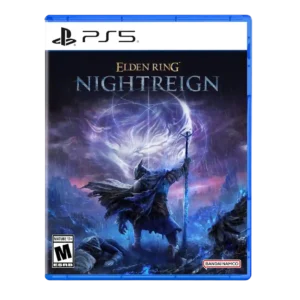
The spin-off still preserves Elden Ring and FromSoftware combat DNA strongly enough to satisfy series fans.
Its story regularly deals with trauma, abuse, kidnapping, and murder, so it is not presented as family-friendly entertainment.
Frame-rate stability varies by setup, with some reviewers seeing slowdown and others reporting mostly smooth performance.
Frame-rate performance is mixed rather than disastrous, ranging from smooth reports to visible dips on some platforms.
When the conditions are right, the game is consistently described as exciting and very fun.
Even with clear flaws, several reviewers still describe the overall experience as enjoyable and easy to recommend to story-minded players.
Reviews praise the underlying systems for balancing speed, routing, and streamlined build rules, though one review says the structure can still feel restrictive.
The mechanics are competent and readable, but most reviews frame them as familiar rather than inventive.
Visual presentation is broadly praised, ranging from perfectly fine to gorgeous, even when reuse is obvious.
Visual fidelity is widely praised, especially the lighting, environments, and overall presentation quality.
One review says the repeated setup before Nightlords turns the experience into a grind.
One review specifically calls the Steam Deck a perfectly fine place to play, suggesting good handheld suitability.
The game sustains a creepy, Southern Gothic unease without leaning entirely into full horror.
One review says the game throws varied locations and unexplained icons at players, hurting immediate clarity.
Combat readability suffers a bit, with cooldown information criticized for relying on visual indicators without explicit timers.
Strong regional detail and careful environmental touches help the world feel immersive and lived in.
The setting and cultural framing feel fresh, but reviewers are clear that the underlying gameplay systems are not especially groundbreaking.
The learning curve is steep because the game expects fast system knowledge and a lot of failure-driven learning.
The learning curve is moderate, with some early friction but not much severe punishment once systems click.
Level design earns praise for comfort, clarity, and striking spaces, even from reviewers who dislike other parts of the game.
Loot can meaningfully shape builds and often feels purposeful, though randomness sometimes withholds the tools players want.
Lore is lighter than base Elden Ring, but one review still finds enough mystery to fuel speculation.
The game’s folklore, notes, and chapter tales give the world satisfying lore density for a compact adventure.
One review says the map can feel cluttered and unintuitive even if it still gives teams enough guidance to move.
Navigation is mixed: guidance tools keep the critical path clear, but at least one reviewer disliked the lack of a map.
Matchmaking is inconsistent across reviews, ranging from quick and painless to unreliable.
Menus and information tools are usable but not especially welcoming or clear to parse quickly.
Menus are described as straightforward and easy to understand.
Chapter-based subplots and folklore arcs give the campaign more mission-to-mission variety than its combat structure suggests.
One review explicitly notes that the game is not expected to add microtransactions later.
One review says movement is noticeably faster and more agile, which fits the run-based format well.
Movement generally feels smooth and satisfying during traversal, helping the game maintain momentum between fights.
The trio-first multiplayer structure is clear, but repeated complaints about missing duos and limited comms drag the design down.
Most reviews that discuss the story treat it as light scaffolding rather than a major strength.
Narrative reception is mixed but positive overall, with strong praise for the main themes offset by complaints about loose connective tissue or unresolved threads.
Basic class pickup is approachable, but newcomers can still feel overwhelmed once the run starts moving.
The onboarding is effective in some reviews thanks to strong tutorial framing, but others felt the game over-explains too much.
Online stability is uneven, with some reports of lag or netcode issues and others seeing only occasional disconnects.
The semi-randomized map structure and shifting conditions help the world feel dynamic despite the fixed overall space.
Reviewers see real invention in the co-op roguelike pivot, even if the game also leans heavily on reused assets.
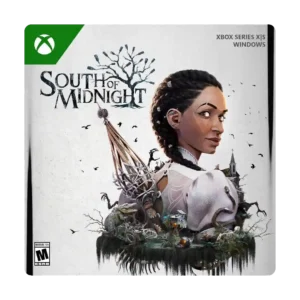
The game’s blend of Deep South folklore and modern fairy-tale framing gives it a notably original identity.
The pace is intentionally frantic and fast, which some reviewers find thrilling and others find exhausting.
Pacing is mostly seen as good for a short campaign, though some reviews call out a slow start or abrupt later beats.
One review reports acceptable overall performance but still flags frame drops and uneven smoothness.
Optimization appears generally sound, with several reviews noting stable play and few major hitches.
Platforming is approachable yet precise enough that jumps, wall-runs, and grapples usually feel reliable.
One review describes the overall package as quite well polished despite its rough edges.
Overall polish is good but not spotless, with strong presentation covering for a handful of rough edges.
Run-to-run progression has strong momentum, but the relic layer is often described as thin, random, or inconsistent.
Progression helps later combat somewhat, but many reviews still frame it as limited rather than transformative.
Hazel is one of the game’s clearest strengths, regularly praised as likable, charming, and easy to follow.
Puzzle design is one of the weaker areas, with repeated criticism that solutions are too obvious or low challenge.
Remembrance and objective-based questing adds direction, but one review says some steps can be frustrating to parse.
Randomness and the one-more-run pull give Nightreign strong replay hooks, even if some reviewers say the cadence turns rote.
Replay appeal looks limited for most reviewers, who did not view combat or structure as reasons to revisit the whole campaign.
Even brief side characters leave an impression thanks to expressive writing and presentation.
The skill tree is consistently described as small or underwhelming, with limited build depth.
Social tooling is weak overall, with repeated complaints about missing voice or text chat and limited in-game communication.
Sound design and audio impact are broadly praised across the reviews that discuss them.
Sound design is excellent, with ambient effects and movement cues repeatedly highlighted as part of the game’s identity.
The soundtrack is a consistent strength, with boss and overall musical presentation repeatedly singled out.
The soundtrack is one of the game’s biggest draws, earning repeated praise for memorable songs and strong story integration.
Tutorial quality is mixed: one review praises its narrative framing, while another finds the pop-ups overbearing.
Upgrades exist, but several reviews argue they do not evolve combat enough to feel essential.
Interface readability needs work, with cluttered maps and weak completion signaling drawing criticism.
The UI is praised for being clean, simple, and easy to navigate.
The lower asking price is repeatedly framed as fair or strong value for the package on offer.
At full price the value feels decent rather than outstanding, with some reviewers specifically steering buyers toward Game Pass.
One review praises the Nightlord spectacle for delivering especially strong visual flair.
Lighting, fog, and other visual flourishes regularly stand out and help scenes feel cinematic.
Voice acting gets some praise, but another review says it does not reach the standard of earlier Souls titles.
Voice acting is a standout, with performances repeatedly singled out as authentic and emotionally effective.
Weapon and build choices can feel flexible and meaningful, though some classes or loadouts come off weaker than others.
One review says the borrowed Elden Ring world still does a lot of heavy lifting for curiosity and appeal.
The world-building around Prospero, its folklore, and its history is one of the game’s biggest strengths.
One review says the character writing in Remembrances is especially poignant for a FromSoftware game.
Writing is one of the better-regarded parts of the package, especially in dialogue and scene construction, even if some larger story beats divide reviewers.