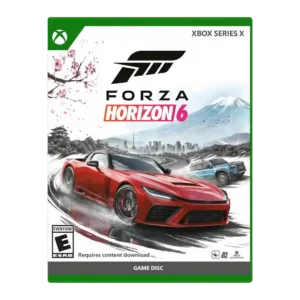
The reviews specifically mention assist-style options such as autosteering that should make Horizon 6 easier for a broader range of players to enjoy.
One review says enemy AI can break down under three-player pressure, making some encounters feel messy.
One review says the animations, along with the broader presentation, can look absolutely stunning.
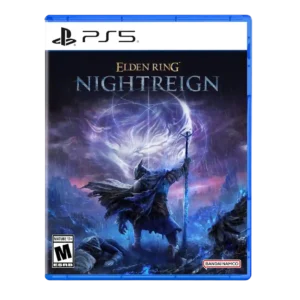
One review says the fantasy art direction remains striking even within a heavily reused asset base.
Reviewers praise the Japanese setting’s visual identity, saying the locales capture iconic aesthetics with real care and precision.
One review says the run-based structure sacrifices some of Elden Ring's melancholy scenic presence.
The setting is often described as vivid and alive, though one review says Tokyo can still feel too empty in preview footage.
Boss design is one of the clearest strengths, though some reviews say the health pools can make those fights drag.
One review describes the game as having minimum bugs alongside decent performance.
One review says the lock-on camera can feel like it is fighting the player in crowded battles.
One review says the character-specific storylines are surprisingly well done and help the Nightfarers stand out.
The Nightfarers are usually described as distinct, useful, and broadly well balanced.
One preview highlights roster rebalancing aimed at making vehicle classes more evenly competitive instead of funneling players into a few dominant builds.
Co-op is one of Nightreign's biggest strengths, especially when the team is coordinated and communicating well.
Combat is often described as excellent and energized by the new format, though one review finds it uneven in practice.
Car Meets appear to deepen the car culture angle by letting players browse shared designs and even buy pink slips from appealing builds.
Class and run variation help, but repeated points of interest and repeated encounters keep variety from feeling fully convincing.
Previews point to a huge roster of cars and a broad mix of things to do beyond standard races, from collecting to open-world activities.
Wheel impressions say Horizon 6 responds accurately, with steering going where the player expects rather than fighting inputs.
The core loop is compelling and fast to click with, but one review says repetition eventually wears the format down.
The loop is still built around driving, exploring, and naturally stumbling into activities instead of focusing only on structured race wins.
The lack of cross-play is a repeated and unanimous negative across the supporting reviews.
Difficulty is a major pain point, especially in solo play, with several reviews calling the balance harsh or overtuned.
Driving stays approachable and Horizon-like, but at least one preview finds the controller handling twitchy and overly prone to oversteer.
Early hands-on coverage suggests credits come in quickly enough to support experimenting with upgrades and swaps without much friction.
One review highlights strong emotional swings, with co-op runs creating wonder, frustration, and euphoria.
One review says there is still plenty to finish and collect even after a long time with the game.
One review says rotating mini-bosses help encounters stay fresher than pure reuse would suggest.
One review says the terrain and environmental variety feel careful, purposeful, and visually striking.
Japan’s map is repeatedly described as dense and richly detailed, even by critics who still want more city life and traffic.
Exploration has real appeal when teams learn the map, but the timer can sharply limit how much wandering feels viable.
Exploration is one of the strongest themes in the reviews, with multiple writers saying the world constantly tempts them to keep roaming.
The spin-off still preserves Elden Ring and FromSoftware combat DNA strongly enough to satisfy series fans.
At least one outlet frames Horizon 6 as a return to form that preserves Horizon’s identity while improving where Horizon 5 felt weaker.
Player houses doubling as fast travel points should make moving around the large map much easier once they are unlocked.
Frame-rate stability varies by setup, with some reviewers seeing slowdown and others reporting mostly smooth performance.
Preview players repeatedly describe the available quality mode as stable and locked in rather than inconsistent.
When the conditions are right, the game is consistently described as exciting and very fun.
Across previews, Horizon 6 is repeatedly described as playful, approachable driving fun, especially when the handling and event design line up.
Reviews praise the underlying systems for balancing speed, routing, and streamlined build rules, though one review says the structure can still feel restrictive.
The underlying mechanics remain rooted in Horizon’s familiar open-world racing formula: explore freely, enter events, and customize cars.
Visual presentation is broadly praised, ranging from perfectly fine to gorgeous, even when reuse is obvious.
The Japan setting is widely described as the best-looking Horizon yet, with multiple previews calling it a clear visual step up.
One review says the repeated setup before Nightlords turns the experience into a grind.
One PC-focused review argues the modest minimum requirements make handheld play on Steam Deck-class devices look plausible.
One review says the game throws varied locations and unexplained icons at players, hurting immediate clarity.
New awareness tools like the proximity radar and optional leaderboard elements are praised for adding information without forcing clutter.
The best previews say the map sells a convincing Japanese driving fantasy, though some footage still feels less lived-in than it should.
Reviewers see meaningful additions such as Time Attack circuits and Car Meets, but not a full reinvention of the Horizon template.
The learning curve is steep because the game expects fast system knowledge and a lot of failure-driven learning.
Sensitive handling and car-specific tuning mean some players will need time to adapt before the driving fully clicks.
Loot can meaningfully shape builds and often feels purposeful, though randomness sometimes withholds the tools players want.
Lore is lighter than base Elden Ring, but one review still finds enough mystery to fuel speculation.
One review says the map can feel cluttered and unintuitive even if it still gives teams enough guidance to move.
The GPS and road layout are described as clear and useful, helping the giant map feel easy to traverse instead of cumbersome.
Matchmaking is inconsistent across reviews, ranging from quick and painless to unreliable.
Menus and information tools are usable but not especially welcoming or clear to parse quickly.
The race events sound reliable and on-brand for Horizon, even if previews have not yet shown radically new event structure.
The early build already shows a wide spread of event types, including circuit races, drag races, rally events, stunts, and cross-country play.
One review explicitly notes that the game is not expected to add microtransactions later.
One review says movement is noticeably faster and more agile, which fits the run-based format well.
Input feel earns good marks on a wheel, but controller-based handling impressions are more mixed because of the extra twitchiness.
The trio-first multiplayer structure is clear, but repeated complaints about missing duos and limited comms drag the design down.
Preview coverage points to flexible social racing options, with events and spaces that support solo play, competitive play, and shared-session activity.
Most reviews that discuss the story treat it as light scaffolding rather than a major strength.
Basic class pickup is approachable, but newcomers can still feel overwhelmed once the run starts moving.
The opening tourist setup and guided intro appear welcoming, giving players an easy way into the setting and early progression systems.
Online stability is uneven, with some reports of lag or netcode issues and others seeing only occasional disconnects.
The semi-randomized map structure and shifting conditions help the world feel dynamic despite the fixed overall space.
The map is the consensus standout, with repeated praise for its size, density, variety, and how rewarding it is to simply drive around.
Reviewers see real invention in the co-op roguelike pivot, even if the game also leans heavily on reused assets.
Japan makes the package feel fresher, but several reviews also say the broader Horizon structure remains very familiar.
The pace is intentionally frantic and fast, which some reviewers find thrilling and others find exhausting.
Reviews praise how travel, exploration, and progression flow together, making even the space between events feel worthwhile.
One review reports acceptable overall performance but still flags frame drops and uneven smoothness.
Early PC-focused coverage is optimistic that Horizon 6 is being built with strong optimization in mind rather than punishing requirements.
Wheel support receives explicit attention, and early impressions suggest Horizon 6 is taking steering-wheel play more seriously than before.
One review describes the overall package as quite well polished despite its rough edges.
Multiple previews say the overall presentation feels more polished than previous entries, especially visually.
Run-to-run progression has strong momentum, but the relic layer is often described as thin, random, or inconsistent.
The return of gated wristbands and slower unlock pacing is broadly seen as a more purposeful and satisfying progression structure.
Remembrance and objective-based questing adds direction, but one review says some steps can be frustrating to parse.
Randomness and the one-more-run pull give Nightreign strong replay hooks, even if some reviewers say the cadence turns rote.
Several reviewers kept roaming long after the guided preview content ended, which suggests strong short-term replay pull.
A major appeal is the freedom to drive almost anywhere, pick your own activities, and set your own pace.
Seasonal changes are described as more dramatic and meaningful than before, especially in Japan’s contrasting regions.
Social tooling is weak overall, with repeated complaints about missing voice or text chat and limited in-game communication.
Permanent Car Meets and related shared-world hooks are positioned as stronger social anchors than past Horizon games offered.
Sound design and audio impact are broadly praised across the reviews that discuss them.
Previews mention improved weather audio, engine sounds, and surface detail that help the world and cars feel more tactile.
The soundtrack is a consistent strength, with boss and overall musical presentation repeatedly singled out.
One preview specifically praises the Japanese radio vibe and says the music brings back classic Horizon energy.
Tuning, garage customization, and more impactful upgrades are all highlighted as meaningful parts of the experience.
Interface readability needs work, with cluttered maps and weak completion signaling drawing criticism.
Reviewers like the cleaner map presentation and the extra control over UI elements such as split times and radar placement.
The lower asking price is repeatedly framed as fair or strong value for the package on offer.
One review praises the Nightlord spectacle for delivering especially strong visual flair.
Weather, lighting, and screenshot-friendly presentation are repeatedly singled out as strengths.
Voice acting gets some praise, but another review says it does not reach the standard of earlier Souls titles.
Weapon and build choices can feel flexible and meaningful, though some classes or loadouts come off weaker than others.
One review says the borrowed Elden Ring world still does a lot of heavy lifting for curiosity and appeal.
The setting sells a strong sense of place through biomes, landmarks, and a more distinct regional identity than prior maps.
This is a recurring weak spot, with reviews noting that traffic and the city still react very little to the player.
One review says the character writing in Remembrances is especially poignant for a FromSoftware game.