If you want better upgrade system
Choose Forza Horizon 5. It scores 4.9 vs 3.9 for upgrade system, with a 4.3 overall score.
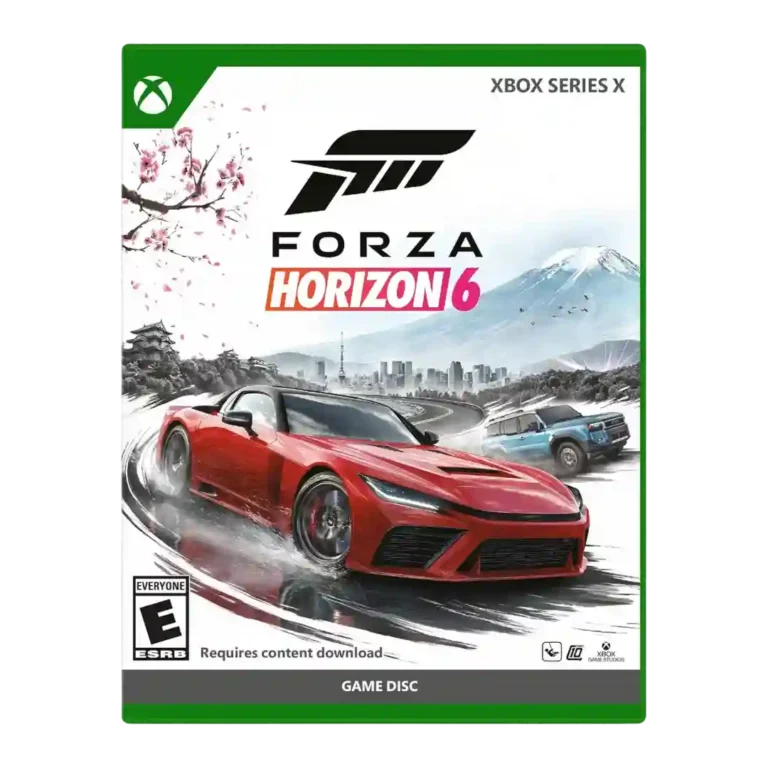
Choose Forza Horizon 6 for a gorgeous Japan map, relaxed exploration, car variety, and controller-friendly fun. Skip it if twitchy oversteer, familiar Horizon structure, or sparse city life would bother you.
Best for Horizon fans, casual racing players, and car collectors who want a gorgeous Japan road trip with strong exploration, social spaces, and lots of cars to tune or showcase.
Not for players who need strict sim handling, dense reactive traffic, major formula changes, or story/dialogue that feels grounded and human.
Reviewer evidence points to Forza Horizon 6 as a visually striking, exploration-first racer whose Japan map is the main event. The strongest praise centers on dense environments, gorgeous graphics, varied roads, social car-meet potential, accessible controls, and a more satisfying progression setup built around slower starts and wristbands. The tradeoff is that some previews still see familiar Horizon structure underneath the new setting, while others flag twitchy oversteer, sparse or nonreactive traffic, and storytelling that can feel artificial. Overall, the evidence favors players who want freedom, scenery, cars, and relaxed racing more than a strict simulation or deeply reactive city.
Compared with other Video Games, this product is above average in HUD clarity, menu usability, open-world design, near average in driving mechanics, content variety, below average in dialogue quality, writing quality, narrative quality.
| Attribute | This product | Category average | Difference |
|---|---|---|---|
| HUD clarity | 4.7 | 3.3 | +1.4 |
| menu usability | 4.4 | 3.0 | +1.4 |
| open-world design | 5.0 | 3.8 | +1.1 |
| dialogue quality | 2.2 | 3.4 | -1.2 |
| map and navigation design | 4.5 | 3.5 | +1.0 |
| bug frequency | 4.3 | 3.2 | +1.1 |
| writing quality | 2.6 | 3.6 | -1.0 |
| platform-specific feature support | 4.8 | 3.8 | +1.0 |
Choose Forza Horizon 5. It scores 4.9 vs 3.9 for upgrade system, with a 4.3 overall score.
Choose Kirby Air Riders. It scores 5.0 vs 3.4 for world interactivity, with a 4.3 overall score.
Choose Death Stranding 2: On the Beach. It scores 5.0 vs 3.4 for innovation, with a 4.3 overall score.
Choose Street Fighter 6. It scores 4.5 vs 2.2 for dialogue quality, with a 4.2 overall score.
Products reviewers directly compared with this model, grouped into quick takeaways.
The reviews describe it as both, but exploration is the clearest strength. Multiple previews say the Japan map makes aimless driving, discovery, and scenic routes feel rewarding.
Reviewers strongly praise the map as dense, beautiful, varied, and more vertical than earlier Horizon settings. A few still worry that wide roads or sparse traffic can make Tokyo feel less alive.
Most evidence says the game remains approachable and fun, especially on a controller, but some previews mention sensitive handling, oversteer, or a learning curve when tuning cars or using a wheel.
The setting, progression changes, social features, and map density feel fresh to many reviewers. However, several also say the core Horizon structure still plays it safe.
The repeated caveats are twitchy or inconsistent handling, traffic and world reactivity that may feel thin, familiar event design, and story/dialogue that can sound artificial.
One wheel-focused preview is very positive, calling the wheel implementation smooth, natural, and the best in a Horizon game, while still noting the preview nature of the build.
These are a few of the reviews included in our analysis.



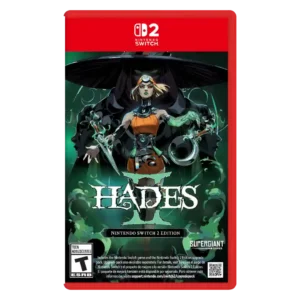
Good if you want fast, tactical roguelite combat with huge progression depth, striking art, and standout music. Skip it if repetition, resource micromanagement, or a less emotionally satisfying sequel story...
Pros: skill tree depth, dialogue quality
Cons: emotional impact, economy and resource balance
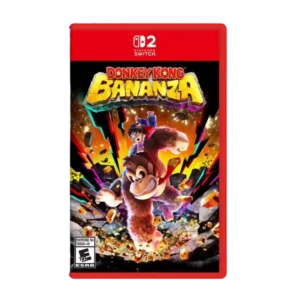
Best for joyful destruction, dense exploration, and a charming DK-Pauline adventure. Skip it if camera quirks, frame-rate dips, easy bosses, or premium Switch 2 pricing are dealbreakers.
Pros: gameplay mechanics, world interactivity
Cons: economy and resource balance, enemy variety
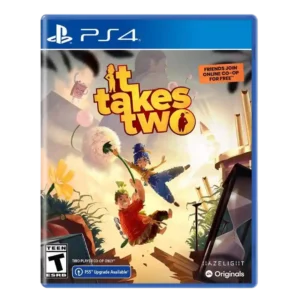
Best for joyful, inventive co-op with a partner, especially on couch. Skip it if divorce themes, uneven story tone, or Switch visual compromises would distract you.
Pros: core gameplay loop, movement feel
Cons: character development, dialogue quality
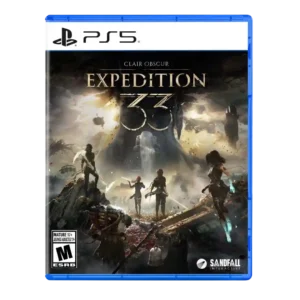
Choose Clair Obscur if you want a story-rich RPG with thrilling timed combat, gorgeous art, and standout music. Skip it if poor maps, tight parry timing, or occasional bugs and...
Pros: monetization fairness, microtransaction impact
Cons: platforming precision, menu usability