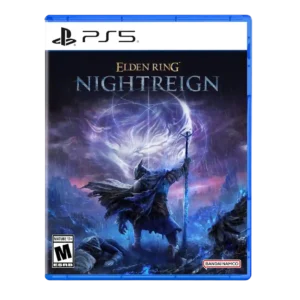
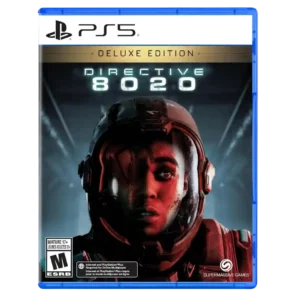
Compare Elden Ring Nightreign vs Directive 8020

P1 Elden Ring Nightreign
P2 Directive 8020

Comparison Takeaways

Elden Ring Nightreign

Where It Has the Edge

  • animation quality is 4.5 vs 2.0. Animation quality was praised alongside the graphics in one review.
  • combat system is 4.1 vs 2.0. Combat drew strong praise when it retained Elden Ring's timing and aggression, though a few reviewers felt the...
  • polish is 4.5 vs 3.1. Polish was praised in Fextralife coverage, especially performance and low bug frequency.
  • fun factor is 4.2 vs 3.2. Fun factor was high for many reviewers, especially with friends, though the fun could swing into frustration depending...

Directive 8020

Where It Has the Edge

  • world-building is 4.5 vs 2.0. World-building was praised for themes of isolation, uncertainty, and human fragility within the sci-fi premise.
  • difficulty balance is 4.6 vs 2.1. Difficulty balance was praised because reviewers noticed easy-mode, death toggles, and per-player customization that broaden access.
  • camera behavior is 4.2 vs 2.0. Camera behavior had positive support where the shift to first person intensified the vent sequence.
  • social features is 4.2 vs 2.2. Social features drew positive interest around messaging and conversation systems that may support impostor suspicion.
Average score
Product 1: Elden Ring Nightreign
3.4
Product 2: Directive 8020
4.0
accessibility options
Product 1: Elden Ring Nightreign
No score yet
Product 2: Directive 8020
4.6

Accessibility options were praised for letting players tailor death risk, difficulty, and skill demands to different comfort levels.

AI behavior
Product 1: Elden Ring Nightreign
2.0

Enemy AI was criticized as confused when multiple human players overwhelm standard encounters.

Product 2: Directive 8020
2.8

Enemy AI was mixed to negative overall: one reviewer found the creature capable, but several criticized rigid or predictable patrol behavior.

animation quality
Product 1: Elden Ring Nightreign
4.5

Animation quality was praised alongside the graphics in one review.

Product 2: Directive 8020
2.0

Animation quality drew criticism in one preview for lacking energy or dynamism in a scene that needed tension.

art direction
Product 1: Elden Ring Nightreign
4.5

Art direction was praised as carrying over Elden Ring's strong fantasy style despite reused assets.

Product 2: Directive 8020
No score yet
atmosphere
Product 1: Elden Ring Nightreign
4.0

Atmosphere was supported by one reviewer who found the world mysteriously interesting and alluring.

Product 2: Directive 8020
4.6

Atmosphere was consistently strong, with praise for lighting, paranoia, claustrophobia, and the alien impostor premise.

boss design
Product 1: Elden Ring Nightreign
4.1

Boss design was widely praised for spectacle and challenge, though several reviewers complained about overtuned, spongy, or unfair encounters.

Product 2: Directive 8020
No score yet
bug frequency
Product 1: Elden Ring Nightreign
4.5

Bug frequency was described positively by one reviewer who noted minimal bugs.

Product 2: Directive 8020
No score yet
camera behavior
Product 1: Elden Ring Nightreign
2.0

Camera behavior was criticized for fighting the player in crowds.

Product 2: Directive 8020
4.2

Camera behavior had positive support where the shift to first person intensified the vent sequence.

character development
Product 1: Elden Ring Nightreign
4.0

Character development was praised in the Nightfarer storylines and Remembrances.

Product 2: Directive 8020
4.5

Character development was praised for how relationships and reactivity could make the story feel personal.

character roster
Product 1: Elden Ring Nightreign
4.3

The eight-character roster was widely praised as distinct and useful, with later additions expanding the lineup.

Product 2: Directive 8020
4.4

The character roster had limited but positive support through praise for a strong cast in an intense story setup.

checkpoint system
Product 1: Elden Ring Nightreign
No score yet
Product 2: Directive 8020
4.1

The checkpoint and rewind-style Turning Points system was mostly praised, though one preview said the demo did not show enough to judge it fully.

class balance
Product 1: Elden Ring Nightreign
2.9

Class balance was mixed: the roster felt readable and solid, but some classes were weak or uneven in solo contexts.

Product 2: Directive 8020
No score yet
co-op experience
Product 1: Elden Ring Nightreign
4.3

Co-op experience was the clearest strength when played with friends, but reviewers repeatedly warned that it declines with randoms or solo play.

Product 2: Directive 8020
4.5

Co-op was praised as a fun group experience, both for command-shouting play and improved Movie Night support.

combat system
Product 1: Elden Ring Nightreign
4.1

Combat drew strong praise when it retained Elden Ring's timing and aggression, though a few reviewers felt the multiplayer format strained the system.

Product 2: Directive 8020
2.0

Combat drew criticism in one preview because an important weapon moment removed control from the player.

content variety
Product 1: Elden Ring Nightreign
3.0

Content variety was sharply mixed: some praised random events and route variety, while others criticized recycled assets and too little randomness.

Product 2: Directive 8020
4.5

Content variety was praised for mixing cinematic lean-back scenes with more active alien avoidance and clue-searching.

controls responsiveness
Product 1: Elden Ring Nightreign
4.0

One PC reviewer reported generally fine input latency despite occasional minor registration issues.

Product 2: Directive 8020
3.3

Controls were split: one hands-on praised how it looked and controlled, while another found the mid-demo introduction frustrating and quirky.

core gameplay loop
Product 1: Elden Ring Nightreign
3.7

The run-based loop was often praised as compelling, thrilling, and addictive, while several critics found it repetitive or overly limited after repeated runs.

Product 2: Directive 8020
4.6

The core loop of tension, choices, and consequences was described as exciting and potentially one of the game’s clearest strengths.

crash stability
Product 1: Elden Ring Nightreign
1.5

Crash stability was a concern in one preview build due to network crashes.

Product 2: Directive 8020
No score yet
cross-play support
Product 1: Elden Ring Nightreign
1.6

Cross-play support was consistently criticized as absent or a major oversight for a multiplayer-focused game.

Product 2: Directive 8020
No score yet
dialogue quality
Product 1: Elden Ring Nightreign
No score yet
Product 2: Directive 8020
4.3

Dialogue was viewed positively, especially when choices affected outcomes and when character conversations carried meaningful tension.

difficulty balance
Product 1: Elden Ring Nightreign
2.1

Difficulty balance was the most common concern, especially poor solo balance, overtuned bosses, and harsh punishment after long setup runs.

Product 2: Directive 8020
4.6

Difficulty balance was praised because reviewers noticed easy-mode, death toggles, and per-player customization that broaden access.

DLC value
Product 1: Elden Ring Nightreign
4.0

DLC value was positively described in the post-launch update review as adding expected classes, bosses, and map content.

Product 2: Directive 8020
No score yet
economy and resource balance
Product 1: Elden Ring Nightreign
2.0

Random map and reward outcomes sometimes made failures feel outside the player's control.

Product 2: Directive 8020
No score yet
emotional impact
Product 1: Elden Ring Nightreign
5.0

The emotional payoff of defeating Nightlords with a team was described as exceptionally rewarding.

Product 2: Directive 8020
4.4

Emotional impact was supported by the sense of loss created by major choices and consequences.

endgame content
Product 1: Elden Ring Nightreign
3.8

Endgame content improved with Deep of Night and hard modes, though some reviewers still wanted more difficulty and variety.

Product 2: Directive 8020
No score yet
enemy variety
Product 1: Elden Ring Nightreign
4.0

Enemy variety was praised by one reviewer as a balanced mix of new final bosses and familiar mini-bosses.

Product 2: Directive 8020
No score yet
environmental detail
Product 1: Elden Ring Nightreign
4.0

Environmental detail ranged from praise for beauty and world-building to more functional, condensed spaces.

Product 2: Directive 8020
4.4

Environmental detail was praised for believable, immersive spaces and environmental storytelling.

exploration quality
Product 1: Elden Ring Nightreign
2.8

Exploration was divisive: some enjoyed secrets and compact adventures, while others felt time pressure stripped away wonder and experimentation.

Product 2: Directive 8020
3.8

Exploration drew praise for added freedom and player control, though one preview worried the exploration sections felt ropey.

facial animations
Product 1: Elden Ring Nightreign
No score yet
Product 2: Directive 8020
4.6

Facial animation evidence was positive, with reviewers praising convincing expressions, lip sync, and skin textures.

faithfulness to franchise
Product 1: Elden Ring Nightreign
3.3

Faithfulness to franchise was split between authentic Souls challenge and disappointment that the format lost Elden Ring's magic.

Product 2: Directive 8020
4.4

Faithfulness to franchise was positive, with reviewers framing the game as both a Supermassive horror game and a large step forward.

frame rate stability
Product 1: Elden Ring Nightreign
1.8

Frame-rate stability was a recurring issue for several reviewers, especially on PlayStation hardware.

Product 2: Directive 8020
No score yet
fun factor
Product 1: Elden Ring Nightreign
4.2

Fun factor was high for many reviewers, especially with friends, though the fun could swing into frustration depending on conditions.

Product 2: Directive 8020
3.2

Fun factor was mixed, with one reviewer’s excitement wobbling while another found experimentation part of the fun.

gameplay mechanics
Product 1: Elden Ring Nightreign
3.3

Reviewers saw the mechanics as a bold Elden Ring remix, but several said the experience depends heavily on teammates and sometimes clashes with FromSoftware expectations.

Product 2: Directive 8020
4.1

Reviewers generally liked the move toward direct-control horror and consequence-driven play, but one preview found the featured stealth-action sections unconvincing.

graphics quality
Product 1: Elden Ring Nightreign
3.8

Graphics were mostly praised as fine to stunning, though some reviewers felt the vistas lacked Elden Ring's full impact.

Product 2: Directive 8020
4.7

Graphics were one of the strongest points, with multiple reviewers praising visuals, textures, and overall presentation.

grind level
Product 1: Elden Ring Nightreign
2.2

Grind level was a concern when repeated runs or random relic acquisition made progress feel tedious.

Product 2: Directive 8020
No score yet
horror tension
Product 1: Elden Ring Nightreign
No score yet
Product 2: Directive 8020
3.9

Horror tension was mixed but often strong, with several previews reporting big scares while others found the demo’s stealth and jump scares underwhelming.

HUD clarity
Product 1: Elden Ring Nightreign
2.5

HUD clarity was a mild issue because the minimap presented a lot of information at once.

Product 2: Directive 8020
No score yet
immersion
Product 1: Elden Ring Nightreign
3.0

Immersion was mixed: some felt Elden Ring's adrenaline remained, while others thought discovery and delight were stripped away.

Product 2: Directive 8020
4.6

Immersion was praised through the cinematic feel, believable spaces, and reviewers feeling pulled into the world.

innovation
Product 1: Elden Ring Nightreign
4.3

Innovation was generally admired as a risky FromSoftware experiment, even where execution missed some marks.

Product 2: Directive 8020
4.5

Innovation was praised where reviewers saw exploration, direct control, and the sci-fi impostor setup as meaningful changes.

learning curve
Product 1: Elden Ring Nightreign
2.3

The learning curve was steep, with reviewers describing early runs as overwhelming and knowledge-heavy before the game clicks.

Product 2: Directive 8020
2.1

The learning curve was criticized when one reviewer was dropped mid-game before understanding the unusual controls.

level design
Product 1: Elden Ring Nightreign
3.8

Level design split reviewers between praise for purposeful terrain and criticism of copy-pasted or repetitive layouts, with later updates improving map mutations.

Product 2: Directive 8020
3.5

Level design had strong claustrophobic highlights in vents and corridors, but one larger station area was criticized as nondescript.

live-service support
Product 1: Elden Ring Nightreign
4.2

Live-service support was viewed as promising, with reviewers calling Nightreign a strong foundation and praising added content.

Product 2: Directive 8020
No score yet
loot system
Product 1: Elden Ring Nightreign
3.1

Loot and relic systems encouraged fluid builds and experimentation, but randomness often frustrated reviewers when rewards failed to fit a class or plan.

Product 2: Directive 8020
No score yet
lore depth
Product 1: Elden Ring Nightreign
4.0

Lore depth benefited from Elden Ring's groundwork, though it was concentrated in character side stories rather than a broad main plot.

Product 2: Directive 8020
No score yet
map and navigation design
Product 1: Elden Ring Nightreign
3.1

Map and navigation design was mixed, with praise for purposeful terrain but complaints about clutter, landing control, and route clarity.

Product 2: Directive 8020
No score yet
matchmaking quality
Product 1: Elden Ring Nightreign
2.3

Matchmaking quality was one of the weakest areas, with many reviewers reporting failed, unreliable, or frustrating random matchmaking despite one positive wait-time note.

Product 2: Directive 8020
No score yet
menu usability
Product 1: Elden Ring Nightreign
4.0

Menu usability improved post-launch through better relic filtering options.

Product 2: Directive 8020
No score yet
mission design
Product 1: Elden Ring Nightreign
4.0

Mission design was praised for demanding mastery on the fly rather than slow, methodical FromSoftware play.

Product 2: Directive 8020
3.3

Mission design was mixed, ranging from time-flying engagement in one preview to a simple, dull objective in another.

mission variety
Product 1: Elden Ring Nightreign
3.8

Mission variety benefited from random events, shifting terrain, and post-launch additions, but some wanted more frequent shakeups.

Product 2: Directive 8020
4.3

Mission variety earned praise in one hands-on because tension and action blended together across the demo.

mod support
Product 1: Elden Ring Nightreign
4.0

Mod support was not formally reviewed, but one preview likened Nightreign's experimental structure positively to a polished mod.

Product 2: Directive 8020
No score yet
movement feel
Product 1: Elden Ring Nightreign
3.6

Movement was praised for speed, parkour, and verticality, but some reviewers criticized traversal pressure and terrain-related deaths.

Product 2: Directive 8020
No score yet
multiplayer design
Product 1: Elden Ring Nightreign
3.1

Multiplayer design was ambitious but divisive, thriving with coordinated teams and struggling with strangers or limited communication.

Product 2: Directive 8020
4.3

Multiplayer design was received positively, especially the improved Movie Night mode and the idea of working together under impostor pressure.

narrative quality
Product 1: Elden Ring Nightreign
2.9

Narrative quality was generally secondary, with some reviewers finding it barebones or disconnected and others praising character-focused Remembrances.

Product 2: Directive 8020
4.5

Narrative quality was consistently praised for its strong setup, meaningful choices, paranoia, and reactive story structure.

onboarding experience
Product 1: Elden Ring Nightreign
2.3

Onboarding was considered obtuse or too demanding, especially for players without deep Elden Ring knowledge.

Product 2: Directive 8020
No score yet
online stability
Product 1: Elden Ring Nightreign
2.4

Online stability varied widely, from lag, disconnects, and preview crashes to one stable PC session.

Product 2: Directive 8020
No score yet
originality
Product 1: Elden Ring Nightreign
3.8

Originality was debated, from criticism of challenge-for-challenge's-sake to praise for a weird, bold experiment.

Product 2: Directive 8020
3.7

Originality was mixed: some saw refreshing focus, while one preview felt the survival-horror shift made it less distinct.

pacing
Product 1: Elden Ring Nightreign
3.1

The pace was one of the biggest tradeoffs: many found it thrilling and fresh, while others found the constant rush stressful or exhausting.

Product 2: Directive 8020
4.4

Pacing was viewed positively when tied to episodic stopping points and a rhythm that lets tension build before release.

performance optimization
Product 1: Elden Ring Nightreign
3.6

Performance was mixed by platform, from smooth PC impressions to severe PS5 Pro slowdown complaints.

Product 2: Directive 8020
No score yet
platforming precision
Product 1: Elden Ring Nightreign
2.3

Platforming was mixed: wall climbing and collision quirks helped mobility but sometimes felt bad or unreliable.

Product 2: Directive 8020
No score yet
polish
Product 1: Elden Ring Nightreign
4.5

Polish was praised in Fextralife coverage, especially performance and low bug frequency.

Product 2: Directive 8020
3.1

Polish was mixed: one review called production value a major leap, while others left underwhelmed or concerned by the demo.

progression system
Product 1: Elden Ring Nightreign
3.1

Progression was mixed, with useful relics and quests praised but meta-progression often criticized as thin, random, or too limited.

Product 2: Directive 8020
4.5

Progression through branching outcomes and player-controlled consequences was seen as more impactful than in earlier entries.

protagonist appeal
Product 1: Elden Ring Nightreign
No score yet
Product 2: Directive 8020
4.6

Protagonist appeal was supported by praise for Brianna Young as a compelling lead.

quest design
Product 1: Elden Ring Nightreign
4.0

Quest design received praise for Remembrance objectives that gave runs extra goals and meaningful character rewards.

Product 2: Directive 8020
No score yet
replay value
Product 1: Elden Ring Nightreign
3.8

Replay value ranged from excellent long-term addiction to fatigue from repeated content, depending on tolerance for repetition and co-op optimization.

Product 2: Directive 8020
4.4

Replay value was a major strength, with reviewers repeatedly highlighting branching paths, completionist timelines, and multiple outcomes.

sandbox freedom
Product 1: Elden Ring Nightreign
4.0

Reviewers liked the number of viable routes and experiments, though the format still constrained freedom compared with Elden Ring.

Product 2: Directive 8020
No score yet
server reliability
Product 1: Elden Ring Nightreign
2.0

Server reliability was questioned due to peer-to-peer netcode and lack of dedicated servers.

Product 2: Directive 8020
No score yet
side character depth
Product 1: Elden Ring Nightreign
No score yet
Product 2: Directive 8020
2.4

Side character depth was a concern in limited demo time, with reviewers noting little crew reaction or emotional attachment.

social features
Product 1: Elden Ring Nightreign
2.2

Social features were widely criticized because ping-only communication could not replace voice or text chat in a coordination-heavy game.

Product 2: Directive 8020
4.2

Social features drew positive interest around messaging and conversation systems that may support impostor suspicion.

sound design
Product 1: Elden Ring Nightreign
4.2

Sound design was generally praised as strong and in line with Elden Ring quality.

Product 2: Directive 8020
No score yet
soundtrack quality
Product 1: Elden Ring Nightreign
4.4

The soundtrack was consistently praised, especially boss themes and standout tracks.

Product 2: Directive 8020
No score yet
stealth mechanics
Product 1: Elden Ring Nightreign
No score yet
Product 2: Directive 8020
3.6

Stealth was the most divisive system, praised as tense and effective by some but criticized by others as predictable, low-tension, or merely serviceable.

tutorial quality
Product 1: Elden Ring Nightreign
2.0

Tutorial quality was criticized as brief and rudimentary for a complex multiplayer roguelike.

Product 2: Directive 8020
No score yet
user interface design
Product 1: Elden Ring Nightreign
4.0

User interface design was considered streamlined in inventory and improved through later UI updates.

Product 2: Directive 8020
4.7

The interface around branching timelines was praised as satisfying for completionists and less repetitive than full replays.

value for money
Product 1: Elden Ring Nightreign
4.3

Value for money was usually praised at the lower price point, though one reviewer still found the package not worth it.

Product 2: Directive 8020
No score yet
visual effects quality
Product 1: Elden Ring Nightreign
5.0

Visual effects and boss spectacle were singled out as a major strength.

Product 2: Directive 8020
4.2

Visual effects had limited but positive support through disturbing alien imagery that piqued curiosity.

voice acting
Product 1: Elden Ring Nightreign
3.0

Voice acting was mixed, with praise for quality in one review but criticism of stiffer deliveries in others.

Product 2: Directive 8020
4.0

Voice acting had limited but positive support, with one reviewer calling the performances solid.

weapon balance
Product 1: Elden Ring Nightreign
2.8

Weapon balance was mixed, with boss health and class-specific relics making some weapon paths feel less flexible.

Product 2: Directive 8020
2.9

Weapon balance was mixed to negative because one reviewer liked limited defensive tools, while another felt gun use robbed agency.

world-building
Product 1: Elden Ring Nightreign
2.0

World-building was criticized by one reviewer as sacrificing FromSoftware's usual sense of place.

Product 2: Directive 8020
4.5

World-building was praised for themes of isolation, uncertainty, and human fragility within the sci-fi premise.

writing quality
Product 1: Elden Ring Nightreign
2.0

Writing quality drew criticism from one reviewer who felt the Remembrance writing lacked FromSoftware's usual prose quality.

Product 2: Directive 8020
3.2

Writing quality was split between confidence in branching narrative ambition and a preview complaint about a narrative inconsistency.