atmosphere
P1
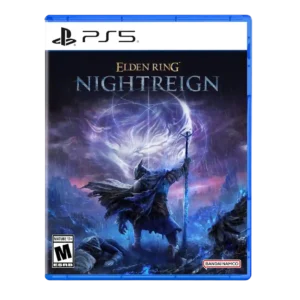
Product 1: Elden Ring Nightreign
4.0
Atmosphere was supported by one reviewer who found the world mysteriously interesting and alluring.
P2
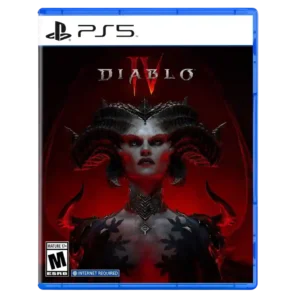
Product 2: Diablo IV
5.0
Atmosphere was strongly praised for darkness, brutality, and ominous beauty in both base game and expansion.
boss design
P1
Product 1: Elden Ring Nightreign
4.1
Boss design was widely praised for spectacle and challenge, though several reviewers complained about overtuned, spongy, or unfair encounters.
P2
Product 2: Diablo IV
3.6
Boss design was highly mixed, ranging from phenomenal and mechanically distinct to disappointing, inconsistent, or frustrating.
character roster
P1
Product 1: Elden Ring Nightreign
4.3
The eight-character roster was widely praised as distinct and useful, with later additions expanding the lineup.
P2
Product 2: Diablo IV
4.5
The roster was praised overall for fun, distinct classes, especially Warlock and Paladin, though some reviews preferred one class over another.
class balance
P1
Product 1: Elden Ring Nightreign
2.9
Class balance was mixed: the roster felt readable and solid, but some classes were weak or uneven in solo contexts.
P2
Product 2: Diablo IV
3.0
Class balance evidence was mixed to negative in expansion reviews, especially around the Paladin feeling underwhelming or passive despite power.
co-op experience
P1
Product 1: Elden Ring Nightreign
4.3
Co-op experience was the clearest strength when played with friends, but reviewers repeatedly warned that it declines with randoms or solo play.
P2
Product 2: Diablo IV
4.3
Co-op evidence was positive, with reviewers praising group formation, level scaling, and the extra fun of playing with others.
combat system
P1
Product 1: Elden Ring Nightreign
4.1
Combat drew strong praise when it retained Elden Ring's timing and aggression, though a few reviewers felt the multiplayer format strained the system.
P2
Product 2: Diablo IV
4.7
Combat was one of the strongest points, with repeated praise for precision, satisfaction, and tactical chaos; only one review framed it as more uneven.
content variety
P1
Product 1: Elden Ring Nightreign
3.0
Content variety was sharply mixed: some praised random events and route variety, while others criticized recycled assets and too little randomness.
P2
Product 2: Diablo IV
4.2
Content variety was mostly positive thanks to sidequests, endgame activities, and expansion additions, though one review warned some activities can feel copied.
core gameplay loop
P1
Product 1: Elden Ring Nightreign
3.7
The run-based loop was often praised as compelling, thrilling, and addictive, while several critics found it repetitive or overly limited after repeated runs.
P2
Product 2: Diablo IV
4.3
Reviewers described the core loop as deeply compelling overall, though one found repeated spaces blurred together after long sessions.
difficulty balance
P1
Product 1: Elden Ring Nightreign
2.1
Difficulty balance was the most common concern, especially poor solo balance, overtuned bosses, and harsh punishment after long setup runs.
P2
Product 2: Diablo IV
3.7
Difficulty evidence was mixed: bosses and tier options were praised, but some expansion encounters and later challenge tuning felt frustrating or uncertain.
DLC value
P1
Product 1: Elden Ring Nightreign
4.0
DLC value was positively described in the post-launch update review as adding expected classes, bosses, and map content.
P2
Product 2: Diablo IV
3.7
DLC value was mixed: several reviewers found Lord of Hatred worth playing or robust, while others called it a hard sell or context-dependent.
economy and resource balance
P1
Product 1: Elden Ring Nightreign
2.0
Random map and reward outcomes sometimes made failures feel outside the player's control.
P2
Product 2: Diablo IV
3.2
One review found respec costs workable but still a slight disincentive to experimentation.
endgame content
P1
Product 1: Elden Ring Nightreign
3.8
Endgame content improved with Deep of Night and hard modes, though some reviewers still wanted more difficulty and variety.
P2
Product 2: Diablo IV
4.3
Endgame was heavily discussed and mostly praised, especially day-one systems and War Plans, though a few reviewers found later loops lacking.
environmental detail
P1
Product 1: Elden Ring Nightreign
4.0
Environmental detail ranged from praise for beauty and world-building to more functional, condensed spaces.
P2
Product 2: Diablo IV
4.8
Environmental detail was a major strength, with reviewers praising intricate environments, Skovos changes, and beautiful region design.
exploration quality
P1
Product 1: Elden Ring Nightreign
2.8
Exploration was divisive: some enjoyed secrets and compact adventures, while others felt time pressure stripped away wonder and experimentation.
P2
Product 2: Diablo IV
4.6
Exploration was consistently praised as rewarding, joyful, and enhanced by large regions, side activities, and new expansion spaces.
faithfulness to franchise
P1
Product 1: Elden Ring Nightreign
3.3
Faithfulness to franchise was split between authentic Souls challenge and disappointment that the format lost Elden Ring's magic.
P2
Product 2: Diablo IV
5.0
One review praised Diablo IV as quintessentially Diablo.
fun factor
P1
Product 1: Elden Ring Nightreign
4.2
Fun factor was high for many reviewers, especially with friends, though the fun could swing into frustration depending on conditions.
P2
Product 2: Diablo IV
4.3
Fun factor was broadly positive across base game and expansion reviews, even among reviewers who criticized story or systems.
gameplay mechanics
P1
Product 1: Elden Ring Nightreign
3.3
Reviewers saw the mechanics as a bold Elden Ring remix, but several said the experience depends heavily on teammates and sometimes clashes with FromSoftware expectations.
P2
Product 2: Diablo IV
4.0
One review praised the ability-tree flexibility, saying players can rebuild their character and adapt play fluidly.
graphics quality
P1
Product 1: Elden Ring Nightreign
3.8
Graphics were mostly praised as fine to stunning, though some reviewers felt the vistas lacked Elden Ring's full impact.
P2
Product 2: Diablo IV
4.7
Graphics were consistently praised as stellar, beautiful, sharp, and technically impressive across base game and expansion coverage.
innovation
P1
Product 1: Elden Ring Nightreign
4.3
Innovation was generally admired as a risky FromSoftware experiment, even where execution missed some marks.
P2
Product 2: Diablo IV
2.8
Innovation was criticized as limited, even by reviewers who liked the overall design.
learning curve
P1
Product 1: Elden Ring Nightreign
2.3
The learning curve was steep, with reviewers describing early runs as overwhelming and knowledge-heavy before the game clicks.
P2
Product 2: Diablo IV
3.8
Learning curve evidence was mixed: complexity can be bracing, but the Warlock and skill systems were also called approachable.
level design
P1
Product 1: Elden Ring Nightreign
3.8
Level design split reviewers between praise for purposeful terrain and criticism of copy-pasted or repetitive layouts, with later updates improving map mutations.
P2
Product 2: Diablo IV
3.7
Level design was mixed: some praised less backtracking and rewarding dungeons, while another found dungeon structure predictable.
live-service support
P1
Product 1: Elden Ring Nightreign
4.2
Live-service support was viewed as promising, with reviewers calling Nightreign a strong foundation and praising added content.
P2
Product 2: Diablo IV
4.1
Live-service evidence was cautiously positive, with reviewers praising foundations and planned updates while noting unknown seasonal elements.
loot system
P1
Product 1: Elden Ring Nightreign
3.1
Loot and relic systems encouraged fluid builds and experimentation, but randomness often frustrated reviewers when rewards failed to fit a class or plan.
P2
Product 2: Diablo IV
4.6
Loot was praised for cadence, usefulness, and improved design, with reviewers emphasizing experimentation and build-defining drops.
map and navigation design
P1
Product 1: Elden Ring Nightreign
3.1
Map and navigation design was mixed, with praise for purposeful terrain but complaints about clutter, landing control, and route clarity.
P2
Product 2: Diablo IV
4.4
Map and navigation design was praised for an easy world map, pathfinding, overlays, and War Plans teleporting.
mission variety
P1
Product 1: Elden Ring Nightreign
3.8
Mission variety benefited from random events, shifting terrain, and post-launch additions, but some wanted more frequent shakeups.
P2
Product 2: Diablo IV
2.0
One expansion review criticized missions for repeating ambush-style objectives.
movement feel
P1
Product 1: Elden Ring Nightreign
3.6
Movement was praised for speed, parkour, and verticality, but some reviewers criticized traversal pressure and terrain-related deaths.
P2
Product 2: Diablo IV
4.8
Movement received strong marks for responsive dodging and class mobility, including praise for the expansion Warlock’s wraith-like movement.
multiplayer design
P1
Product 1: Elden Ring Nightreign
3.1
Multiplayer design was ambitious but divisive, thriving with coordinated teams and struggling with strangers or limited communication.
P2
Product 2: Diablo IV
4.8
Multiplayer design was praised for cross-platform flexibility, online integration, and group play freshness.
narrative quality
P1
Product 1: Elden Ring Nightreign
2.9
Narrative quality was generally secondary, with some reviewers finding it barebones or disconnected and others praising character-focused Remembrances.
P2
Product 2: Diablo IV
4.1
Narrative drew broad but mixed praise: many reviews liked Lilith, Mephisto, or expansion arcs, while several criticized weak, predictable, or ham-fisted storytelling.
onboarding experience
P1
Product 1: Elden Ring Nightreign
2.3
Onboarding was considered obtuse or too demanding, especially for players without deep Elden Ring knowledge.
P2
Product 2: Diablo IV
4.4
Reviews found the story and current ARPG structure approachable for newcomers, especially when major lore points were explained.
online stability
P1
Product 1: Elden Ring Nightreign
2.4
Online stability varied widely, from lag, disconnects, and preview crashes to one stable PC session.
P2
Product 2: Diablo IV
4.1
Online stability was mostly good in review periods, though reviewers still noted rare hitches and disconnections.
originality
P1
Product 1: Elden Ring Nightreign
3.8
Originality was debated, from criticism of challenge-for-challenge's-sake to praise for a weird, bold experiment.
P2
Product 2: Diablo IV
2.8
Originality was a weakness, with reviews describing Diablo IV as rule-following or more deterministic than surprising.
pacing
P1
Product 1: Elden Ring Nightreign
3.1
The pace was one of the biggest tradeoffs: many found it thrilling and fresh, while others found the constant rush stressful or exhausting.
P2
Product 2: Diablo IV
2.3
Pacing was a recurring weakness, with reviewers criticizing filler errands, shocking plot pacing, and overly cinematic stretches.
performance optimization
P1
Product 1: Elden Ring Nightreign
3.6
Performance was mixed by platform, from smooth PC impressions to severe PS5 Pro slowdown complaints.
P2
Product 2: Diablo IV
4.3
Performance was generally praised as smooth and well optimized, though one expansion review noted mild issues and progression bugs.
polish
P1
Product 1: Elden Ring Nightreign
4.5
Polish was praised in Fextralife coverage, especially performance and low bug frequency.
P2
Product 2: Diablo IV
4.2
Polish was mostly praised, with several reviewers calling the launch or technical package ready, well made, or a tour de force.
progression system
P1
Product 1: Elden Ring Nightreign
3.1
Progression was mixed, with useful relics and quests praised but meta-progression often criticized as thin, random, or too limited.
P2
Product 2: Diablo IV
4.1
Progression was mostly praised for freshness, item growth, and useful systems, though a few reviewers found leveling or rewards slow early on.
replay value
P1
Product 1: Elden Ring Nightreign
3.8
Replay value ranged from excellent long-term addiction to fatigue from repeated content, depending on tolerance for repetition and co-op optimization.
P2
Product 2: Diablo IV
4.9
Replay value was a major strength, with reviewers repeatedly saying the game kept them returning through classes, builds, and endgame systems.
server reliability
P1
Product 1: Elden Ring Nightreign
2.0
Server reliability was questioned due to peer-to-peer netcode and lack of dedicated servers.
P2
Product 2: Diablo IV
3.3
Server reliability was mixed: some reviews saw stability, while others reported lag, disconnections, or rubber-banding.
soundtrack quality
P1
Product 1: Elden Ring Nightreign
4.4
The soundtrack was consistently praised, especially boss themes and standout tracks.
P2
Product 2: Diablo IV
4.8
The soundtrack was consistently praised as memorable, majestic, atmospheric, and excellent.
value for money
P1
Product 1: Elden Ring Nightreign
4.3
Value for money was usually praised at the lower price point, though one reviewer still found the package not worth it.
P2
Product 2: Diablo IV
4.8
Value evidence was positive, with reviewers saying the base game offered strong hours-per-dollar value.
voice acting
P1
Product 1: Elden Ring Nightreign
3.0
Voice acting was mixed, with praise for quality in one review but criticism of stiffer deliveries in others.
P2
Product 2: Diablo IV
4.4
Voice acting was consistently praised, especially Lorath and the expansion performances, with only minor presentation caveats elsewhere.
world-building
P1
Product 1: Elden Ring Nightreign
2.0
World-building was criticized by one reviewer as sacrificing FromSoftware's usual sense of place.
P2
Product 2: Diablo IV
4.7
World-building was praised for history, mythos, and an exciting Sanctuary setting.