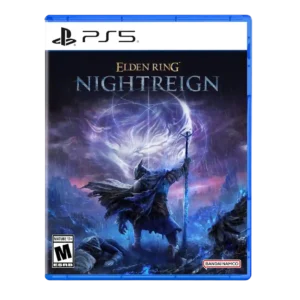
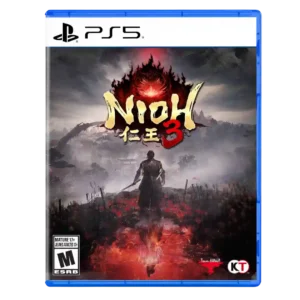
art direction
P1
Product 1: Elden Ring Nightreign
4.5
Art direction was praised as carrying over Elden Ring's strong fantasy style despite reused assets.
P2
Product 2: Nioh 3
4.2
Art direction was mostly positive, especially for aesthetic and yokai style, despite one review saying it lacked FromSoftware-like beauty.
atmosphere
P1
Product 1: Elden Ring Nightreign
4.0
Atmosphere was supported by one reviewer who found the world mysteriously interesting and alluring.
P2
Product 2: Nioh 3
4.5
Atmosphere was praised for distinctive hubs, strong Sengoku flavor, and memorable area identity.
boss design
P1
Product 1: Elden Ring Nightreign
4.1
Boss design was widely praised for spectacle and challenge, though several reviewers complained about overtuned, spongy, or unfair encounters.
P2
Product 2: Nioh 3
4.3
Boss design was broadly praised for memorable, fair, and demanding encounters, though a few reviewers found some bosses generic or less memorable.
bug frequency
P1
Product 1: Elden Ring Nightreign
4.5
Bug frequency was described positively by one reviewer who noted minimal bugs.
P2
Product 2: Nioh 3
2.8
Bug frequency was a concern in several reviews, including disappearing health bars, glitches, and enemies behaving incorrectly.
class balance
P1
Product 1: Elden Ring Nightreign
2.9
Class balance was mixed: the roster felt readable and solid, but some classes were weak or uneven in solo contexts.
P2
Product 2: Nioh 3
4.2
Class balance was mostly positive, with Samurai and Ninja both seen as viable despite some flexibility concerns.
co-op experience
P1
Product 1: Elden Ring Nightreign
4.3
Co-op experience was the clearest strength when played with friends, but reviewers repeatedly warned that it declines with randoms or solo play.
P2
Product 2: Nioh 3
4.2
Co-op was generally praised as smooth, strong, and helpful, with only some stability caveats.
combat system
P1
Product 1: Elden Ring Nightreign
4.1
Combat drew strong praise when it retained Elden Ring's timing and aggression, though a few reviewers felt the multiplayer format strained the system.
P2
Product 2: Nioh 3
4.9
Combat was the most strongly praised attribute, repeatedly called deep, smooth, flexible, and among the best in the soulslike/action RPG space.
content variety
P1
Product 1: Elden Ring Nightreign
3.0
Content variety was sharply mixed: some praised random events and route variety, while others criticized recycled assets and too little randomness.
P2
Product 2: Nioh 3
3.6
Content variety was mixed: several reviews praised packed activities and systems, while others felt repetition or density set in.
core gameplay loop
P1
Product 1: Elden Ring Nightreign
3.7
The run-based loop was often praised as compelling, thrilling, and addictive, while several critics found it repetitive or overly limited after repeated runs.
P2
Product 2: Nioh 3
4.9
The core loop was described as addictive and hard to put down, with repeated praise for combat-driven progression and long-term engagement.
difficulty balance
P1
Product 1: Elden Ring Nightreign
2.1
Difficulty balance was the most common concern, especially poor solo balance, overtuned bosses, and harsh punishment after long setup runs.
P2
Product 2: Nioh 3
3.9
Difficulty was generally seen as challenging but more approachable and flexible, though one review strongly criticized the lack of lower difficulty options.
economy and resource balance
P1
Product 1: Elden Ring Nightreign
2.0
Random map and reward outcomes sometimes made failures feel outside the player's control.
P2
Product 2: Nioh 3
2.5
Resource balance drew criticism around elixir management, especially early on when healing items felt unnecessarily stressful.
endgame content
P1
Product 1: Elden Ring Nightreign
3.8
Endgame content improved with Deep of Night and hard modes, though some reviewers still wanted more difficulty and variety.
P2
Product 2: Nioh 3
4.9
Endgame content was strongly praised through NG+, deep loot payoff, and multiplayer/endgame longevity.
exploration quality
P1
Product 1: Elden Ring Nightreign
2.8
Exploration was divisive: some enjoyed secrets and compact adventures, while others felt time pressure stripped away wonder and experimentation.
P2
Product 2: Nioh 3
4.5
Exploration was consistently praised as rewarding, meaningful, and strongly tied to progression, though a few reviewers noted checklist fatigue.
faithfulness to franchise
P1
Product 1: Elden Ring Nightreign
3.3
Faithfulness to franchise was split between authentic Souls challenge and disappointment that the format lost Elden Ring's magic.
P2
Product 2: Nioh 3
4.4
Faithfulness to franchise was praised where reviewers felt the game preserved Nioh’s identity while evolving its formula.
frame rate stability
P1
Product 1: Elden Ring Nightreign
1.8
Frame-rate stability was a recurring issue for several reviewers, especially on PlayStation hardware.
P2
Product 2: Nioh 3
3.3
Frame rate stability varied sharply by reviewer and platform, from stable or flawless to serious regional problems and forced FPS caps.
fun factor
P1
Product 1: Elden Ring Nightreign
4.2
Fun factor was high for many reviewers, especially with friends, though the fun could swing into frustration depending on conditions.
P2
Product 2: Nioh 3
4.8
Fun factor was very high across reviews, with repeated language around fun, addictive play, and strong enjoyment.
gameplay mechanics
P1
Product 1: Elden Ring Nightreign
3.3
Reviewers saw the mechanics as a bold Elden Ring remix, but several said the experience depends heavily on teammates and sometimes clashes with FromSoftware expectations.
P2
Product 2: Nioh 3
4.2
Reviewers largely praised the Samurai/Ninja systems and style switching for adding flexibility and depth, though a few found specific mechanics underpowered or limiting.
graphics quality
P1
Product 1: Elden Ring Nightreign
3.8
Graphics were mostly praised as fine to stunning, though some reviewers felt the vistas lacked Elden Ring's full impact.
P2
Product 2: Nioh 3
3.7
Graphics were mixed: some called the game good-looking or visually impressive, while others found graphics dated or uneven.
immersion
P1
Product 1: Elden Ring Nightreign
3.0
Immersion was mixed: some felt Elden Ring's adrenaline remained, while others thought discovery and delight were stripped away.
P2
Product 2: Nioh 3
3.0
Immersion was mixed: one review said empty restored areas harmed it, while another said technical hiccups did not break it.
learning curve
P1
Product 1: Elden Ring Nightreign
2.3
The learning curve was steep, with reviewers describing early runs as overwhelming and knowledge-heavy before the game clicks.
P2
Product 2: Nioh 3
3.4
The learning curve was widely described as approachable but still steep, dense, or overwhelming depending on player familiarity.
level design
P1
Product 1: Elden Ring Nightreign
3.8
Level design split reviewers between praise for purposeful terrain and criticism of copy-pasted or repetitive layouts, with later updates improving map mutations.
P2
Product 2: Nioh 3
4.6
Level design was broadly praised for open-field layouts, strong world structure, and mission-like areas integrated into larger spaces.
loot system
P1
Product 1: Elden Ring Nightreign
3.1
Loot and relic systems encouraged fluid builds and experimentation, but randomness often frustrated reviewers when rewards failed to fit a class or plan.
P2
Product 2: Nioh 3
2.7
Loot was one of the most repeated pain points, with reviewers describing abundance, inventory pressure, and menu-heavy cleanup despite some useful tools.
map and navigation design
P1
Product 1: Elden Ring Nightreign
3.1
Map and navigation design was mixed, with praise for purposeful terrain but complaints about clutter, landing control, and route clarity.
P2
Product 2: Nioh 3
4.0
Map and navigation design was mostly positive, especially collectible reveal systems, though one review disliked checklist-style map completion.
menu usability
P1
Product 1: Elden Ring Nightreign
4.0
Menu usability improved post-launch through better relic filtering options.
P2
Product 2: Nioh 3
2.9
Menu usability was a repeated drawback, with reviewers citing convoluted systems, cluttered menus, and too much menu busy work despite mitigation tools.
mission design
P1
Product 1: Elden Ring Nightreign
4.0
Mission design was praised for demanding mastery on the fly rather than slow, methodical FromSoftware play.
P2
Product 2: Nioh 3
4.3
Mission and Crucible design were viewed positively, with reviewers noting more open paths, pressure-test encounters, and dungeon-like challenge.
movement feel
P1
Product 1: Elden Ring Nightreign
3.6
Movement was praised for speed, parkour, and verticality, but some reviewers criticized traversal pressure and terrain-related deaths.
P2
Product 2: Nioh 3
4.5
Movement earned praise for mobility and flow, especially through Ninja style and the broader feel of moment-to-moment action.
narrative quality
P1
Product 1: Elden Ring Nightreign
2.9
Narrative quality was generally secondary, with some reviewers finding it barebones or disconnected and others praising character-focused Remembrances.
P2
Product 2: Nioh 3
2.8
Narrative quality was the clearest creative weakness, often described as hard to follow, dry, rough, or merely functional, with a few positive exceptions.
online stability
P1
Product 1: Elden Ring Nightreign
2.4
Online stability varied widely, from lag, disconnects, and preview crashes to one stable PC session.
P2
Product 2: Nioh 3
2.8
Online stability was mixed-negative, with co-op praised but disconnections and network instability noted.
performance optimization
P1
Product 1: Elden Ring Nightreign
3.6
Performance was mixed by platform, from smooth PC impressions to severe PS5 Pro slowdown complaints.
P2
Product 2: Nioh 3
3.3
Performance optimization was mixed, with some smooth experiences but repeated PC issues, frame dips, and calls for optimization.
polish
P1
Product 1: Elden Ring Nightreign
4.5
Polish was praised in Fextralife coverage, especially performance and low bug frequency.
P2
Product 2: Nioh 3
4.5
Polish was praised by reviews that called Nioh 3 polished, refined, and fleshed out.
progression system
P1
Product 1: Elden Ring Nightreign
3.1
Progression was mixed, with useful relics and quests praised but meta-progression often criticized as thin, random, or too limited.
P2
Product 2: Nioh 3
4.7
Progression was praised for free respecs, build freedom, rewarding upgrades, and flexible experimentation across styles and weapons.
replay value
P1
Product 1: Elden Ring Nightreign
3.8
Replay value ranged from excellent long-term addiction to fatigue from repeated content, depending on tolerance for repetition and co-op optimization.
P2
Product 2: Nioh 3
4.9
Replay value was rated very highly, with reviewers pointing to postgame hostility resets, NG+, long playtimes, and ongoing engagement.
sound design
P1
Product 1: Elden Ring Nightreign
4.2
Sound design was generally praised as strong and in line with Elden Ring quality.
P2
Product 2: Nioh 3
4.8
Sound design was strongly praised, especially combat effects, ambient audio, and overall audio presentation.
soundtrack quality
P1
Product 1: Elden Ring Nightreign
4.4
The soundtrack was consistently praised, especially boss themes and standout tracks.
P2
Product 2: Nioh 3
3.8
Soundtrack quality ranged from forgettable to gorgeous and well-placed, making the overall evidence mixed-positive.
value for money
P1
Product 1: Elden Ring Nightreign
4.3
Value for money was usually praised at the lower price point, though one reviewer still found the package not worth it.
P2
Product 2: Nioh 3
4.8
Value for money was rated highly due to 100-hour completion, content richness, and strong day-one value claims.
voice acting
P1
Product 1: Elden Ring Nightreign
3.0
Voice acting was mixed, with praise for quality in one review but criticism of stiffer deliveries in others.
P2
Product 2: Nioh 3
2.8
Voice acting was mixed, with Japanese voiceover praised but English voice acting criticized as poor or distracting.
weapon balance
P1
Product 1: Elden Ring Nightreign
2.8
Weapon balance was mixed, with boss health and class-specific relics making some weapon paths feel less flexible.
P2
Product 2: Nioh 3
4.3
Weapon balance/depth was positive overall, though style-locked weapons were also described as controversial.
world-building
P1
Product 1: Elden Ring Nightreign
2.0
World-building was criticized by one reviewer as sacrificing FromSoftware's usual sense of place.
P2
Product 2: Nioh 3
3.4
World-building was mixed, with time-period variety praised but identity, lore depth, and restored-world immersion criticized in several reviews.