If you want better performance optimization
Choose Ghost of Yōtei. It scores 4.9 vs 3.3 for performance optimization, with a 4.4 overall score.
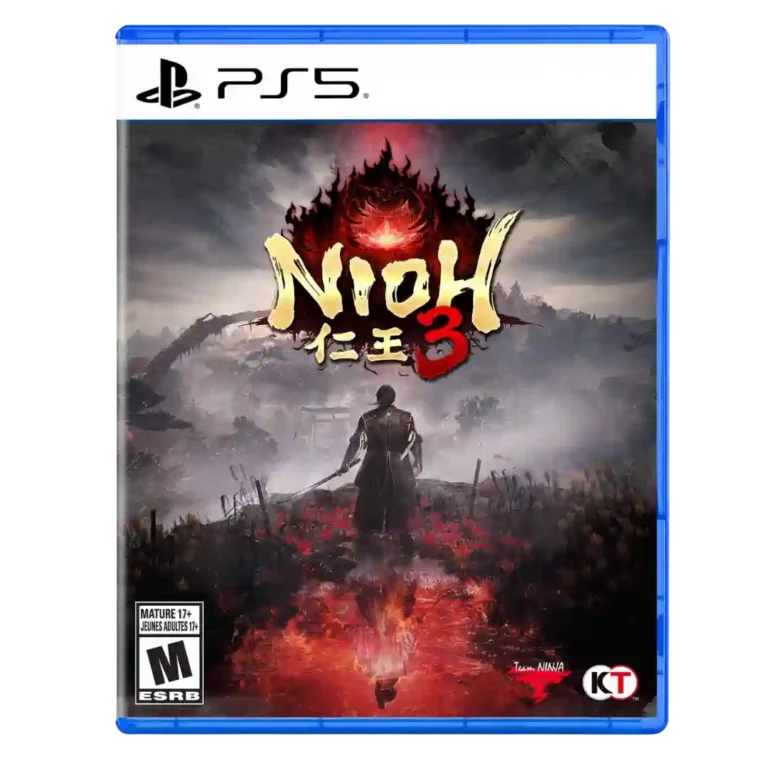
Choose Nioh 3 for elite action combat, deep build freedom, rewarding exploration, and major replay value. Skip it if loot clutter, weak storytelling, steep systems, or uneven PC performance will wear you down.
Best for players who want demanding action combat, deep build experimentation, rewarding exploration, and long-term replay value. Nioh fans and combat-focused soulslike players are the clearest fit.
Not for players who need a strong narrative, simple systems, clean inventory flow, or a consistently polished PC experience. The loot and learning curve can become tiring.
Nioh 3 lands as a combat-first evolution of the series, with reviewers repeatedly praising its Samurai/Ninja style switching, build flexibility, boss encounters, and rewarding open-field exploration. Its strongest tradeoff is scale versus clutter: the wider maps and dense progression make experimentation more satisfying, but they also bring repetitive activities, heavy loot management, and menu friction. Narrative reactions were far weaker than gameplay reactions, and technical impressions varied sharply by platform and hardware, especially on PC. Across the evidence, the game’s identity is clear: exceptional action systems carry a large, replayable package that is less convincing as a story-driven or technically spotless release.
Compared with other Video Games, this product is above average in pacing, endgame content, combat system, near average in character customization, gameplay mechanics, below average in character roster, tutorial quality, voice acting.
| Attribute | This product | Category average | Difference |
|---|---|---|---|
| character roster | 2.0 | 4.0 | -2.0 |
| pacing | 5.0 | 3.3 | +1.7 |
| tutorial quality | 1.8 | 3.4 | -1.6 |
| endgame content | 4.9 | 3.5 | +1.4 |
| voice acting | 2.8 | 4.2 | -1.3 |
| narrative quality | 2.8 | 3.7 | -0.9 |
| combat system | 4.9 | 4.1 | +0.8 |
| immersion | 3.0 | 4.2 | -1.2 |
Choose Ghost of Yōtei. It scores 4.9 vs 3.3 for performance optimization, with a 4.4 overall score.
Choose Avowed. It scores 4.9 vs 1.8 for tutorial quality, with a 3.7 overall score.
Choose The Outer Worlds 2. It scores 4.7 vs 3.4 for world-building, with a 3.9 overall score.
Choose The Rogue Prince of Persia. It scores 5.0 vs 2.7 for crash stability, with a 4.0 overall score.
Products reviewers directly compared with this model, grouped into quick takeaways.
Yes. The review evidence consistently frames combat as the standout strength, especially the Samurai/Ninja split, style switching, boss pressure, and build freedom.
Mostly yes. Many reviewers found exploration rewarding and well tied to progression, though a few said the activities can become repetitive or checklist-like.
Reviewers often called it more approachable than earlier entries, but not easy. The systems, loot, and combat timing still create a steep learning curve.
The most repeated complaints are weak or confusing storytelling, excessive loot and menu management, and uneven technical performance, especially on PC.
Co-op is generally praised as strong and smooth, with several reviewers calling it a major plus. Some evidence still notes random disconnections or network instability.
Yes. Reviews point to long completion times, New Game Plus, endgame loot, restored enemy bases, and flexible builds as reasons to keep playing.
These are a few of the reviews included in our analysis.



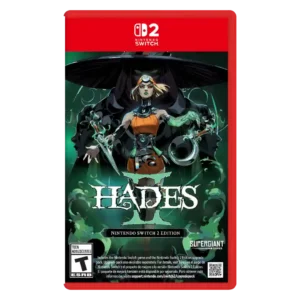
Good if you want fast, tactical roguelite combat with huge progression depth, striking art, and standout music. Skip it if repetition, resource micromanagement, or a less emotionally satisfying sequel story...
Pros: skill tree depth, dialogue quality
Cons: emotional impact, economy and resource balance
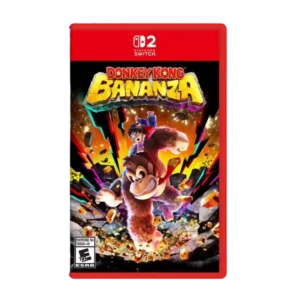
Best for joyful destruction, dense exploration, and a charming DK-Pauline adventure. Skip it if camera quirks, frame-rate dips, easy bosses, or premium Switch 2 pricing are dealbreakers.
Pros: gameplay mechanics, world interactivity
Cons: economy and resource balance, enemy variety
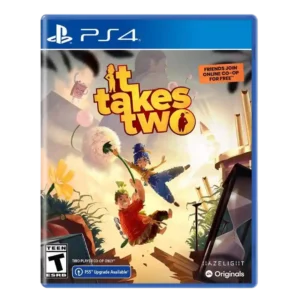
Best for joyful, inventive co-op with a partner, especially on couch. Skip it if divorce themes, uneven story tone, or Switch visual compromises would distract you.
Pros: core gameplay loop, movement feel
Cons: character development, dialogue quality
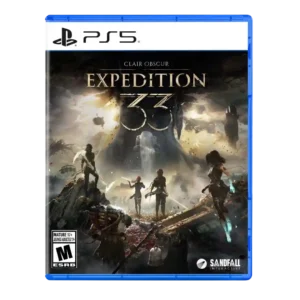
Choose Clair Obscur if you want a story-rich RPG with thrilling timed combat, gorgeous art, and standout music. Skip it if poor maps, tight parry timing, or occasional bugs and...
Pros: monetization fairness, microtransaction impact
Cons: platforming precision, menu usability