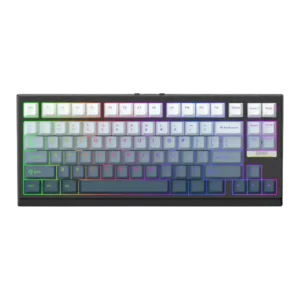
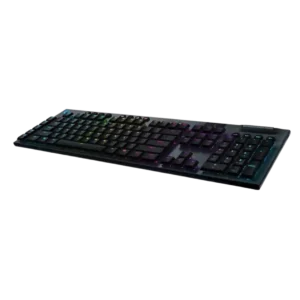
Compare Epomaker G84 HE vs Logitech G915 Lightspeed

P1 Epomaker G84 HE
P2 Logitech G915 Lightspeed

Comparison Takeaways

Epomaker G84 HE

Where It Has the Edge

  • legend visibility is 4.3 vs 2.8. Legend visibility was mostly positive because legends were clear or bright in the dark, though one reviewer found...
  • key stability is 4.4 vs 2.9. Key stability was positive overall, with one reviewer noting limited wobble and another praising how the board stayed...
  • value for money is 4.6 vs 3.4. Value for money was one of the strongest themes, with reviewers repeatedly calling it well equipped, reasonably priced,...
  • layout options is 4.9 vs 3.8. Layout options were praised for functional 75% or compact layouts that avoided missing important keys.

Logitech G915 Lightspeed

Where It Has the Edge

  • compatibility is 4.5 vs 3.2. One reviewer positively framed the device-switching use case as helpful for smart TVs and other devices.
  • acoustics is 5.0 vs 4.0. One reviewer specifically praised the clicky sound, treating the key acoustics as a standout part of the typing...
  • durability is 4.8 vs 4.0. Durability evidence is mostly strong, including rough household use, long-term daily use, and no major failures over time.
  • build quality is 4.9 vs 4.1. Reviewers strongly praised the premium, solid construction, frequently describing the keyboard as sturdy, durable, tank-like, or a real...
Average score
Product 1: Epomaker G84 HE
4.4
Product 2: Logitech G915 Lightspeed
4.2
acoustics
Product 1: Epomaker G84 HE
4.0

Acoustics were split: many reviewers liked the creamy, subdued, or satisfying sound, while one found heavy presses hollow and resonant.

Product 2: Logitech G915 Lightspeed
5.0

One reviewer specifically praised the clicky sound, treating the key acoustics as a standout part of the typing experience.

actuation consistency
Product 1: Epomaker G84 HE
3.8

Actuation consistency drew mixed evidence: some reviewers praised dialed-in settings and precise actuation, while others hit accidental presses with very sensitive setups.

Product 2: Logitech G915 Lightspeed
3.8

Evidence is split: one reviewer liked the clear, consistent clicky actuation, while another struggled to sense the exact registration point.

analog input support
Product 1: Epomaker G84 HE
4.4

Analog-like input support was praised for racing-game control, where the reviewer valued linear control behavior for precise key actions.

Product 2: Logitech G915 Lightspeed
No score yet
backlight brightness
Product 1: Epomaker G84 HE
4.7

Backlight brightness was praised in most evidence as bright and usable in the dark, though the overall RGB quality had one unevenness complaint elsewhere.

Product 2: Logitech G915 Lightspeed
4.8

Reviewers generally found the backlighting bright, with praise for vivid illumination even when running wirelessly.

battery life
Product 1: Epomaker G84 HE
4.8

Battery life was praised strongly, including nearly impossible-to-drain testing, a two-month claim, and expected long gaming sessions.

Product 2: Logitech G915 Lightspeed
4.7

Battery life is one of the strongest points, repeatedly described as solid, commendable, impressive, exceptional, or long-lasting even with RGB enabled.

build quality
Product 1: Epomaker G84 HE
4.1

Build quality was generally positive for a plastic board, with reviewers calling it solid or not cheap, though one noted flex.

Product 2: Logitech G915 Lightspeed
4.9

Reviewers strongly praised the premium, solid construction, frequently describing the keyboard as sturdy, durable, tank-like, or a real step up.

cable quality
Product 1: Epomaker G84 HE
No score yet
Product 2: Logitech G915 Lightspeed
2.4

Cable and charging feedback is mixed: the braided cable is praised, but multiple reviewers criticize the micro-USB charging port as cheap or outdated.

compatibility
Product 1: Epomaker G84 HE
3.2

Compatibility was mixed: reviewers liked broad compatibility in general, but Mac-specific keycap omissions were a recurring caveat.

Product 2: Logitech G915 Lightspeed
4.5

One reviewer positively framed the device-switching use case as helpful for smart TVs and other devices.

connectivity
Product 1: Epomaker G84 HE
4.5

Connectivity was consistently positive, with reviewers praising flexible wired, Bluetooth, 2.4GHz, and fast mode-switching options.

Product 2: Logitech G915 Lightspeed
4.9

Reviewers consistently liked the mix of Lightspeed, Bluetooth, wired use, and fast device switching, with only minor caveats about Bluetooth latency.

customization options
Product 1: Epomaker G84 HE
4.5

Customization options were a strength, with reviewers praising extensive software controls, rapid-trigger settings, and broad configurability.

Product 2: Logitech G915 Lightspeed
4.5

Customization is viewed positively, with reviewers highlighting many assignment, lighting, and software options.

design aesthetics
Product 1: Epomaker G84 HE
4.5

Design aesthetics were generally praised for the gradient, minimal branding, RGB-friendly look, and color-scheme fit, despite one colorway complaint elsewhere.

Product 2: Logitech G915 Lightspeed
4.9

The design receives broad praise for looking sleek, mature, slim, attractive, and premium rather than overly gamer-styled.

desk space efficiency
Product 1: Epomaker G84 HE
4.9

Desk space efficiency was a clear strength, with reviewers valuing the compact footprint for laptop overlay use and mouse-space comfort.

Product 2: Logitech G915 Lightspeed
4.3

Tenkeyless coverage highlights major mouse-space gains, while the full-size model is seen as less desk-friendly because of its length.

durability
Product 1: Epomaker G84 HE
4.0

Durability had limited but positive evidence, with one reviewer expecting it could serve as a long-haul keyboard.

Product 2: Logitech G915 Lightspeed
4.8

Durability evidence is mostly strong, including rough household use, long-term daily use, and no major failures over time.

ease of switch replacement
Product 1: Epomaker G84 HE
4.6

Ease of switch replacement was praised in one overview because the reviewer said switches could simply be popped out and replaced.

Product 2: Logitech G915 Lightspeed
No score yet
ergonomics
Product 1: Epomaker G84 HE
4.0

Ergonomics were mixed-to-positive: typing comfort and range were praised, but one reviewer disliked how the slanted front affected wrist-rest placement.

Product 2: Logitech G915 Lightspeed
4.2

Ergonomics are mostly positive because of the low profile and adjustable feet, though one reviewer felt the keyboard needed tilt to feel right.

extra gaming features
Product 1: Epomaker G84 HE
4.5

Extra gaming features were seen as worthwhile, especially for users who value HE-specific capabilities even when not fully using them.

Product 2: Logitech G915 Lightspeed
4.3

Game mode and G-key functions are considered useful, especially for locking keys or mapping game/streaming actions.

frame rigidity
Product 1: Epomaker G84 HE
3.9

Frame rigidity was mixed: feet and desk grip were praised, but several reviewers noted plastic-case flex or lower rigidity than aluminum.

Product 2: Logitech G915 Lightspeed
4.6

The frame is generally praised for rigidity and low flex, though one long-term reviewer noticed a slight bend that did not affect use.

gaming performance
Product 1: Epomaker G84 HE
4.6

Gaming performance was widely praised, especially for responsive inputs, casual-to-competitive usefulness, and Hall Effect precision.

Product 2: Logitech G915 Lightspeed
4.4

Gaming evidence is positive overall, with reviewers calling it responsive and easy to use in games, though some saw little measurable stat improvement.

hot-swappable switches
Product 1: Epomaker G84 HE
4.3

Hot-swappable switches were seen as useful, though one reviewer cautioned they swap only with magnetic alternatives rather than traditional mechanical switches.

Product 2: Logitech G915 Lightspeed
No score yet
keycap quality
Product 1: Epomaker G84 HE
3.7

Keycap quality was mixed: one reviewer disliked the colorway, while others found the texture acceptable and said the caps did not feel cheap.

Product 2: Logitech G915 Lightspeed
2.7

Keycap quality is the most consistent hardware concern, with complaints about marks, wear, wobble, thinness, small caps, and proprietary replacement issues.

key responsiveness
Product 1: Epomaker G84 HE
4.6

Responsiveness was consistently positive, with reviewers citing swift input, instant response, snappy gaming, and precise movement per key press.

Product 2: Logitech G915 Lightspeed
4.8

Reviewers repeatedly describe the low-profile switches as zippy, responsive, fast, and comparable to wired responsiveness.

key spacing
Product 1: Epomaker G84 HE
4.3

Key spacing was mixed but mostly positive, with some adjustment required on compact layouts while another reviewer praised proper key positioning.

Product 2: Logitech G915 Lightspeed
3.3

Key spacing is mixed: close keys helped one reviewer settle in, but another found them easier to hit accidentally.

key stability
Product 1: Epomaker G84 HE
4.4

Key stability was positive overall, with one reviewer noting limited wobble and another praising how the board stayed put while typing.

Product 2: Logitech G915 Lightspeed
2.9

Key stability is mixed-to-weak, with praise for stable typing in some reviews but complaints about rattle, wobble, and cheap-feeling keycaps in others.

latency
Product 1: Epomaker G84 HE
4.5

Latency evidence was positive where discussed, with the wired Type-C connection praised for consistency and less lag.

Product 2: Logitech G915 Lightspeed
5.0

Latency is a major strength, with reviewers repeatedly saying lag was imperceptible, nonexistent, or indistinguishable from wired use.

layout options
Product 1: Epomaker G84 HE
4.9

Layout options were praised for functional 75% or compact layouts that avoided missing important keys.

Product 2: Logitech G915 Lightspeed
3.8

Layout feedback is mixed: tenkeyless versions improve compactness, while some reviewers disliked the large full-size footprint.

legend visibility
Product 1: Epomaker G84 HE
4.3

Legend visibility was mostly positive because legends were clear or bright in the dark, though one reviewer found the bottom-row typeface hard to see.

Product 2: Logitech G915 Lightspeed
2.8

Legend visibility is a weakness where mentioned, with complaints about small legends or secondary characters not shining through.

macro customization
Product 1: Epomaker G84 HE
4.8

Macro customization was praised where discussed, especially the ability to fully customize layout functions through VIA.

Product 2: Logitech G915 Lightspeed
4.4

Macro support is widely praised through G keys, profile layers, software assignments, and on-the-fly recording, with some limits on TKL/F-key mapping.

materials quality
Product 1: Epomaker G84 HE
4.0

Materials quality was acceptable-to-good for plastic construction, with praise for a quality feel offset by lower rigidity than aluminum.

Product 2: Logitech G915 Lightspeed
4.3

Materials are mostly praised for aluminum, brushed-metal, and premium feel, but one reviewer disliked the sharp frame edges.

media controls
Product 1: Epomaker G84 HE
No score yet
Product 2: Logitech G915 Lightspeed
4.2

Media controls are generally valued, though some reviewers criticize the rubber buttons as mushy, cheap, or inconsistent at the edges.

noise level
Product 1: Epomaker G84 HE
4.2

Noise level was mostly praised as quiet or pleasing, but one review complained that heavy presses were noisy.

Product 2: Logitech G915 Lightspeed
3.6

Noise opinions depend on switch choice: clicky switches are quieter than some mechanical boards but still too loud for shared spaces in one review.

onboard memory
Product 1: Epomaker G84 HE
No score yet
Product 2: Logitech G915 Lightspeed
4.1

Onboard memory is useful for profiles, but implementation can feel counterintuitive or limited in software.

passthrough features
Product 1: Epomaker G84 HE
No score yet
Product 2: Logitech G915 Lightspeed
2.3

USB passthrough is a recurring absence, with reviewers noting or expecting it at this high price.

per-key lighting control
Product 1: Epomaker G84 HE
No score yet
Product 2: Logitech G915 Lightspeed
5.0

Per-key lighting control is praised when discussed, including fully programmable RGB and per-key color choices.

polling rate
Product 1: Epomaker G84 HE
4.5

The polling rate was treated as part of the keyboard's precision-and-speed appeal for users who care about Hall Effect performance.

Product 2: Logitech G915 Lightspeed
5.0

Polling-rate evidence is positive, with 1ms/1,000Hz behavior tied directly to imperceptible lag and fast wireless performance.

portability
Product 1: Epomaker G84 HE
4.3

Portability was mostly praised because of the compact/light design and easy relocation, though one reviewer found the board somewhat hefty.

Product 2: Logitech G915 Lightspeed
3.7

Portability is mixed: the TKL model and dongle storage help, while the full-size board is too long to carry easily.

profile management
Product 1: Epomaker G84 HE
No score yet
Product 2: Logitech G915 Lightspeed
4.0

Profile switching is useful, but one reviewer found the onboard profile workflow counterintuitive.

rapid trigger support
Product 1: Epomaker G84 HE
4.4

Rapid trigger support was viewed as useful for quick gaming reactions, with one reviewer praising the available rapid-trigger settings and another noting a VAC-related caveat.

Product 2: Logitech G915 Lightspeed
No score yet
reliability
Product 1: Epomaker G84 HE
4.3

Reliability had limited positive evidence, with one reviewer saying they expected to keep using it for a long time.

Product 2: Logitech G915 Lightspeed
4.4

Reliability is strong in long-term evidence and TKL use, although one first-use wake issue created a negative first impression.

RGB customization
Product 1: Epomaker G84 HE
4.3

RGB customization was praised for matching setups, turning off cleanly, and fitting the rest of a desk setup.

Product 2: Logitech G915 Lightspeed
4.9

RGB customization is a major strength, with praise for extensive effects, per-key control, downloadable designs, and broad color options.

RGB lighting quality
Product 1: Epomaker G84 HE
4.2

RGB lighting quality was mostly strong thanks to bright, diffused, and ambient lighting, but one review criticized uneven backlighting on larger keys.

Product 2: Logitech G915 Lightspeed
4.3

Lighting quality is generally praised as vivid and bright, though several reviews mention bleed, small legends, or less sharp illumination.

size and form factor
Product 1: Epomaker G84 HE
4.4

Size and form factor were broadly praised for compact functionality, though some users needed adjustment and one FPS-focused reviewer preferred smaller boards.

Product 2: Logitech G915 Lightspeed
4.6

The thin form factor is heavily praised, but the full-size model is criticized by some for being very large.

software quality
Product 1: Epomaker G84 HE
4.0

Software quality was mixed: reviewers liked the depth and serviceability, but several mentioned awkwardness or a learning curve.

Product 2: Logitech G915 Lightspeed
4.1

Software feedback is split: many find G Hub easy, refined, and powerful, while others call it complex, dreadful, or counterintuitive.

sound dampening
Product 1: Epomaker G84 HE
4.5

Sound dampening was praised through subdued keys, spacebar foam, and internal foams shaping the board's sound profile.

Product 2: Logitech G915 Lightspeed
No score yet
stabilizer quality
Product 1: Epomaker G84 HE
4.7

Stabilizer quality was praised for lubrication and lack of rattle, with another reviewer calling the stabilizers nicely lubed.

Product 2: Logitech G915 Lightspeed
No score yet
switch feel
Product 1: Epomaker G84 HE
4.5

Reviewers generally liked the switch feel, describing it as smooth, satisfying, familiar, and easy to use, though one reviewer noted some scratchiness.

Product 2: Logitech G915 Lightspeed
4.4

Switch feel is mostly praised for low-profile speed, tactile/clicky feel, and typing enjoyment, with isolated complaints about uncanny or insufficient clickiness.

switch options
Product 1: Epomaker G84 HE
4.5

Switch choice was praised in the budget-focused review, especially the Creamy Jade option for users who prefer a softer aesthetic.

Product 2: Logitech G915 Lightspeed
4.6

Reviewers appreciate having linear, tactile, and clicky options, with several noting the variants help match user preference.

typing comfort
Product 1: Epomaker G84 HE
4.7

Typing comfort was consistently strong, with reviewers reporting comfort during long typing sessions and little to no discomfort.

Product 2: Logitech G915 Lightspeed
4.6

Typing comfort is a strong point thanks to the low profile, stable feel, and reduced wrist angle.

typing feel
Product 1: Epomaker G84 HE
4.8

Typing feel was a major strength across reviews, with reviewers calling it premium, smooth, satisfying, and difficult to abandon.

Product 2: Logitech G915 Lightspeed
4.3

Typing feel is broadly positive and often called smooth, snappy, or enjoyable, though some reviewers needed adjustment or disliked the low-profile feel.

value for money
Product 1: Epomaker G84 HE
4.6

Value for money was one of the strongest themes, with reviewers repeatedly calling it well equipped, reasonably priced, fair, or a strong deal.

Product 2: Logitech G915 Lightspeed
3.4

Value is the main tradeoff: reviewers often admire the keyboard but repeatedly caution that the price is steep.

volume control
Product 1: Epomaker G84 HE
4.1

Volume control was mixed-to-positive: one reviewer missed a knob only mildly, while another found VIA remapping straightforward.

Product 2: Logitech G915 Lightspeed
4.7

The volume wheel is a standout feature, widely praised for its feel and smoothness, with only minor complaints about delay or lack of tactility.

wireless performance
Product 1: Epomaker G84 HE
4.8

Wireless performance was praised in the work and gaming context, especially rock-solid Bluetooth and snappy 2.4GHz gaming.

Product 2: Logitech G915 Lightspeed
4.8

Wireless performance is one of the clearest strengths, with many reviewers describing Lightspeed as wired-like, reliable, fast, and lag-free.

wrist rest quality
Product 1: Epomaker G84 HE
No score yet
Product 2: Logitech G915 Lightspeed
3.1

Wrist-rest feedback is mixed: many reviewers dislike that none is included, while others say the low profile reduces the need for one.