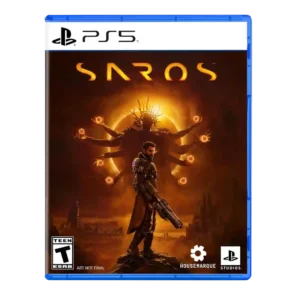
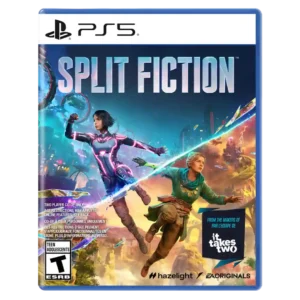
Compare Saros vs Split Fiction

P1 Saros
P2 Split Fiction

Comparison Takeaways

Saros

Where It Has the Edge

  • voice acting is 4.7 vs 2.6. Voice acting is strongly praised, especially Rahul Kohli’s lead performance and the broader cast’s ability to bring the...
  • load times is 4.9 vs 2.9. Load time evidence is narrow but very positive, with one technical review describing transitions as close to instant.
  • exploration quality is 4.5 vs 2.9. Evidence highlights hidden paths, treasures, and backtracking incentives tied to newly unlocked traversal abilities.
  • progression system is 4.4 vs 2.9. Permanent progression is broadly praised for making deaths feel useful, making Arjun stronger over time, and keeping runs...

Split Fiction

Where It Has the Edge

  • facial animations is 4.6 vs 3.1. Facial animation evidence is limited but positive, especially around character models and lip syncing.
  • emotional impact is 4.4 vs 3.4. Emotional impact lands for many reviewers through friendship, trauma, creativity, and player connection, even when story execution is...
  • animation quality is 4.5 vs 3.8. Animation quality is supported mainly by technical praise that characters look good and animate effectively.
  • puzzle design is 4.5 vs 4.0. Puzzle design is a major strength, with reviewers highlighting cooperative problem solving, smart escalation, and partner-dependent solutions.
Average score
Product 1: Saros
4.3
Product 2: Split Fiction
4.1
accessibility options
Product 1: Saros
4.7

Evidence points to strong accessibility support, including challenge tailoring, hue-shifted projectiles, visual recoloring, and an override for modifier balance.

Product 2: Split Fiction
4.1

Accessibility receives positive notice for enemy-damage toggles, checkpoint skipping, camera help, and QuickTime-event options, though one review found a QTE option bug.

age appropriateness
Product 1: Saros
No score yet
Product 2: Split Fiction
4.0

Age appropriateness is supported by T-rated content with some language, blood, darker themes, and relationship-testing difficulty.

aiming precision
Product 1: Saros
4.4

The available evidence points to generous tracking and aiming support, making the arcade shooter feel easier to read and manage during fast combat.

Product 2: Split Fiction
No score yet
animation quality
Product 1: Saros
3.8

Animation quality is mixed. Performance capture receives praise, but character animation outside cutscenes is described as stiff.

Product 2: Split Fiction
4.5

Animation quality is supported mainly by technical praise that characters look good and animate effectively.

art direction
Product 1: Saros
4.6

Art direction is consistently strong, with praise for biomechanical architecture, alien environments, cosmic-horror imagery, and visually distinct biomes.

Product 2: Split Fiction
4.7

Art direction is a standout, with repeated praise for gorgeous, varied, imaginative environments across sci-fi and fantasy spaces.

atmosphere
Product 1: Saros
4.6

Atmosphere is a major strength, with reviews describing unnerving dread, cosmic horror, and a hostile alien world that supports the mystery.

Product 2: Split Fiction
4.6

Atmosphere is colorful, kinetic, and entertaining, helped by broad genre shifts and energetic presentation.

boss design
Product 1: Saros
4.5

Bosses are repeatedly described as memorable, challenging, visually striking, and a highlight. Some caveats mention long bosses, weaker early fights, or boss-run friction, but the overall evidence is highly positive.

Product 2: Split Fiction
4.5

Bosses are generally imaginative, cooperative, and memorable, though some fights can include cheap deaths or frustration.

bug frequency
Product 1: Saros
No score yet
Product 2: Split Fiction
3.0

Bug frequency is generally low but not absent, with reviews citing clipping, small snags, and one serious QuickTime-event bug.

camera behavior
Product 1: Saros
4.3

Camera behavior has limited evidence but is positive, with one review saying camera controls rotate quickly enough without becoming disorienting.

Product 2: Split Fiction
4.0

Camera behavior is mostly positive, with one reviewer praising perfect tracking and another noting some perspective shifts made play harder.

character development
Product 1: Saros
4.8

One review directly praises Arjun’s character development as captivating across the game, supporting a strong score with limited but clear evidence.

Product 2: Split Fiction
4.5

Character development is mixed-positive, with some reviewers praising Mio and Zoe’s arc while others found it slow, predictable, or limited.

checkpoint system
Product 1: Saros
4.7

Checkpoints and run structure are praised for shorter sessions, biome portals, teleportation shortcuts, and more generous run management.

Product 2: Split Fiction
4.7

Checkpoints and respawns are a clear strength, frequently described as generous, instant, and frustration-reducing.

co-op experience
Product 1: Saros
No score yet
Product 2: Split Fiction
4.7

Co-op experience is the strongest attribute, with broad agreement that communication, teamwork, and shared surprise are the heart of the game.

combat system
Product 1: Saros
4.6

The combat is the most consistently praised area, with reviewers calling out bullet-hell intensity, aggressive shield play, precise dodging, parrying, and flow-state shooting. The few caveats focus on repetition or demanding difficulty rather than the core feel.

Product 2: Split Fiction
4.3

Combat is varied and generally enjoyable, using swords, guns, shooter sections, and action-platforming rather than one fixed battle style.

content variety
Product 1: Saros
4.5

The scored evidence supports good variety through weapon types, artifacts, roguelite sections, and different hand-crafted areas, though this is more about action content than modes.

Product 2: Split Fiction
4.8

Content variety is one of the strongest consensus points, with constant shifts across genres, perspectives, mechanics, side stories, and set pieces.

controls responsiveness
Product 1: Saros
4.7

Reviewers generally describe control feel as excellent, citing flawless movement, hyper-responsive inputs, strong tactile feedback, and precise shooting. One review notes minor control snafus elsewhere, but the scored evidence is strongly positive overall.

Product 2: Split Fiction
4.4

Controls are generally responsive and intuitive, with only platform-specific or sequence-specific issues appearing in a few reviews.

core gameplay loop
Product 1: Saros
4.7

The repeated run structure, death-and-rebirth cycle, and steady return to combat are presented as highly engaging. Reviews connect the loop to satisfying action, momentum, and the constant pull to try another run.

Product 2: Split Fiction
4.7

The core loop is built around constant cooperative reinvention, with reviewers praising the way new tools and surprises arrive before old ideas grow stale.

couch co-op quality
Product 1: Saros
No score yet
Product 2: Split Fiction
4.4

Couch co-op quality is repeatedly praised, with local play, shared screens, and relationship-testing cooperation seen as core strengths.

cross-play support
Product 1: Saros
No score yet
Product 2: Split Fiction
5.0

Cross-play support is repeatedly praised as generous and player-friendly, especially when paired with Friend Pass.

dialogue quality
Product 1: Saros
4.0

Dialogue evidence is mixed: one review praises story delivery through dialogue and logs, while another says optional dialogue can feel unnatural when backlogged.

Product 2: Split Fiction
3.2

Dialogue is mixed: one review found it thoughtful and believable, while several others found it cheesy, cliched, or grating.

difficulty balance
Product 1: Saros
4.3

Most reviews describe Saros as challenging but fair, with useful modifiers and accessibility-minded tuning. The main criticism is that progression and modifiers can make the challenge easier to overcorrect.

Product 2: Split Fiction
4.1

Difficulty is more demanding than It Takes Two, but generous checkpoints, respawns, and assists make it forgiving for many pairs.

economy and resource balance
Product 1: Saros
3.9

Resource balance is mostly positive because reviews praise permanent resources and death carryover, but one review says currency can become abundant enough to weaken challenge.

Product 2: Split Fiction
No score yet
emotional impact
Product 1: Saros
3.4

Emotional response is mixed to limited. Reviews mention thoughtful story material, but also note that the narrative did not fully create emotional investment.

Product 2: Split Fiction
4.4

Emotional impact lands for many reviewers through friendship, trauma, creativity, and player connection, even when story execution is imperfect.

endgame content
Product 1: Saros
3.0

Endgame-specific evidence is limited and cautious, with one review wishing for a dedicated post-game activity after finishing the main story.

Product 2: Split Fiction
No score yet
enemy variety
Product 1: Saros
4.6

Reviewers cite varied enemy types, evolving biome threats, and changing enemy behavior across biomes. The evidence supports strong enemy variety in combat contexts.

Product 2: Split Fiction
No score yet
environmental detail
Product 1: Saros
4.6

Evidence supports strong environmental detail through trepidation-filled biomes, visual contrast, and carefully designed spaces that support readability.

Product 2: Split Fiction
4.7

Environmental detail is praised through vast, varied levels and backdrops that make short-lived worlds feel substantial.

exploration quality
Product 1: Saros
4.5

Evidence highlights hidden paths, treasures, and backtracking incentives tied to newly unlocked traversal abilities.

Product 2: Split Fiction
2.9

Exploration is limited and sometimes hurt by invisible walls, despite occasional optional side stories and environmental curiosities.

facial animations
Product 1: Saros
3.1

Facial animation is a notable caveat, with reviews saying in-game faces or conversation models sometimes fail to match the emotional strength of the performances.

Product 2: Split Fiction
4.6

Facial animation evidence is limited but positive, especially around character models and lip syncing.

family friendliness
Product 1: Saros
No score yet
Product 2: Split Fiction
4.6

Family friendliness is positive for capable co-op pairs and families, though the challenge and darker tone may not suit complete beginners.

fast travel convenience
Product 1: Saros
4.8

Fast travel is strongly praised. Reviews note that players can return to unlocked biomes, skip earlier areas, and keep later runs from becoming too long.

Product 2: Split Fiction
No score yet
flying mechanics
Product 1: Saros
No score yet
Product 2: Split Fiction
2.8

Flying is exciting in some sections, but at least one reviewer found dragon flight floaty and less precise than other mechanics.

frame rate stability
Product 1: Saros
4.5

Most performance evidence is positive, with several reviews reporting near-locked or solid 60fps. Caveats include minor drops or occasional performance hits in specific situations.

Product 2: Split Fiction
4.5

Frame rate stability is excellent on most consoles, while Switch 2 reviews note lower targets and occasional stutter.

fun factor
Product 1: Saros
4.6

Fun-factor evidence is narrow but very positive, with one preview describing a regular dopamine hit from the gameplay and upgrades.

Product 2: Split Fiction
4.5

Fun factor is very high across positive and mixed reviews, with many emphasizing laughs, surprise, and pure game feel.

gameplay mechanics
Product 1: Saros
4.7

Multiple reviews describe the shield, projectile absorption, power weapons, parry, modifiers, and bullet-hell structure as the major mechanical additions. The mechanics are consistently framed as deepening the action rather than replacing the familiar Housemarque foundation.

Product 2: Split Fiction
4.4

Reviewers consistently describe a fast-changing suite of mechanics that keeps play inventive, though a few felt individual mechanics could be forgettable or uneven.

graphics quality
Product 1: Saros
4.7

Visual quality is praised across several reviews, especially the UE5 presentation, audiovisual spectacle, landscapes, and overall PS5/PS5 Pro image quality.

Product 2: Split Fiction
4.7

Graphics quality is strong on main platforms and still attractive on Switch 2 despite compromise, with reviewers calling presentation gorgeous or stunning.

grind level
Product 1: Saros
3.2

Grind and repetition are notable caveats. Two reviews specifically say repetition can wear the player down or begin to settle in.

Product 2: Split Fiction
No score yet
handheld play suitability
Product 1: Saros
4.2

One review says the game looked and played beautifully on PlayStation Portal, giving limited but positive support for handheld-style play.

Product 2: Split Fiction
4.2

Handheld suitability is a Switch 2 advantage, with portable play and tabletop mode valued despite visual and performance tradeoffs.

haptic feedback integration
Product 1: Saros
4.7

DualSense integration is one of the clearest technical strengths, with praise for haptics, adaptive triggers, half-pull firing, and tactile combat feedback.

Product 2: Split Fiction
No score yet
horror tension
Product 1: Saros
4.6

Horror tension is strong, with evidence centered on dread, madness, terrifying wildlife, and anxiety rather than cheap scares.

Product 2: Split Fiction
No score yet
HUD clarity
Product 1: Saros
4.5

HUD and combat readability are strong, with reviewers praising color-coded attacks, clear projectiles, intuitive readability, and manageable visual communication during chaos.

Product 2: Split Fiction
No score yet
immersion
Product 1: Saros
4.7

Immersion is strong in the available evidence, with 3D audio, sound optimization, and uneasy music helping draw players into Carcosa.

Product 2: Split Fiction
4.4

Immersion is supported by high-stakes set pieces and worlds that remain thrilling even when mechanics are simple.

innovation
Product 1: Saros
4.6

Innovation evidence centers on the Soltari Shield, DualSense/haptic implementation, and added mechanical complexity that build on Returnal rather than merely copy it.

Product 2: Split Fiction
4.7

Innovation is a major strength, especially in cooperative design, set pieces, finales, and constant genre-switching ideas.

learning curve
Product 1: Saros
4.3

The learning curve is presented as approachable but skill-based, with mechanics taught through trial, error, and getting comfortable with systems like the shield.

Product 2: Split Fiction
4.1

The learning curve is approachable but steeper for casual players who must handle cameras, timing, and fast genre shifts.

level design
Product 1: Saros
4.4

Reviewers praise the balance of hand-crafted sections, random arrangement, biome flow, exploration beats, and strong bullet-hell level layouts. One review notes occasional structural issues around boss-run length.

Product 2: Split Fiction
4.6

Level design is widely praised for audacious set pieces, memorable scenes, and strong environmental variety.

load times
Product 1: Saros
4.9

Load time evidence is narrow but very positive, with one technical review describing transitions as close to instant.

Product 2: Split Fiction
2.9

Load-time evidence is limited to Switch 2 texture pop-in when loading into new areas, so this is a modest technical caveat rather than a core strength.

loot system
Product 1: Saros
3.6

Artifacts and loot receive mixed reactions. Reviews describe corrupted artifacts and item choices as interesting, but also mention artifact droughts and limited synergy impact.

Product 2: Split Fiction
No score yet
lore depth
Product 1: Saros
4.2

Readable logs, creepy collectibles, and data entries provide meaningful lore texture. The evidence suggests the lore is stronger than some of the main-story delivery.

Product 2: Split Fiction
No score yet
map and navigation design
Product 1: Saros
3.0

Navigation is a weakness in the available evidence, with one review saying the game does not point players clearly enough to exact destinations.

Product 2: Split Fiction
No score yet
matchmaking quality
Product 1: Saros
No score yet
Product 2: Split Fiction
2.5

Matchmaking is a limitation: reviews note no random matchmaking and crossplay setup friction despite Friend Pass convenience.

menu usability
Product 1: Saros
3.2

Menu usability receives a modest score because one review says menu button presses are not snappy despite having a satisfying feel.

Product 2: Split Fiction
2.8

Menu usability evidence is limited to crossplay setup friction through outside apps and websites.

mission design
Product 1: Saros
No score yet
Product 2: Split Fiction
4.4

Mission and chapter design are structured around changing subgenres, world rhythms, and side-story detours that keep objectives fresh.

mission variety
Product 1: Saros
No score yet
Product 2: Split Fiction
4.6

Side stories and mission variety are repeatedly praised as surprising, funny, creative, and often among the best parts of the game.

movement feel
Product 1: Saros
4.6

Movement is repeatedly described as fluid, nimble, smooth, and responsive. Reviews emphasize jumping, dashing, and evasion as central to surviving the bullet-heavy encounters.

Product 2: Split Fiction
4.7

Movement earns strong praise for improved jumping, momentum, and timing, helping platforming and set pieces feel approachable.

multiplayer design
Product 1: Saros
No score yet
Product 2: Split Fiction
4.7

Multiplayer design is central to the game and praised for being purpose-built around two players and standout co-op structure.

narrative quality
Product 1: Saros
4.0

Narrative reactions are mixed. Some reviews praise the mystery, themes, and mechanics-story connection, while others criticize underdeveloped threads, opaque answers, weak side characters, or the story being outpaced by action.

Product 2: Split Fiction
3.2

Narrative quality is split: reviewers like the premise, AI/creativity theme, and some human beats, but many criticize predictable or thin story execution.

onboarding experience
Product 1: Saros
4.5

One review says the game teaches its mechanics quickly through trial and error, supporting a positive but narrowly evidenced onboarding score.

Product 2: Split Fiction
No score yet
online stability
Product 1: Saros
No score yet
Product 2: Split Fiction
4.7

Online stability is praised across several reviews, with smooth connectivity, low latency, and online play performing like local play.

open-world design
Product 1: Saros
No score yet
Product 2: Split Fiction
2.8

The game is mostly linear; reviewers note that this focus supports pacing but limits open-world freedom.

originality
Product 1: Saros
3.9

Originality is mixed. Saros is praised for improving on its predecessor, but one review also describes it as a familiar retreading of Returnal.

Product 2: Split Fiction
4.1

Originality is debated: some call it deeply original and inventive, while others argue it remixes familiar ideas with exceptional execution.

pacing
Product 1: Saros
4.2

One review argues the streamlined run design improves pacing compared with a typical roguelike, especially by reducing lull time and unexpected spikes.

Product 2: Split Fiction
4.4

Pacing is usually energetic and brisk, but some reviewers felt certain scenarios or structure beats drag or climax unevenly.

performance optimization
Product 1: Saros
4.6

One technical review highlights a strong balance between image quality, visual features, and performance, especially around the 60fps target.

Product 2: Split Fiction
4.5

Performance optimization is strong on PS5/Xbox/PC evidence and more compromised on Switch 2, but most reviewers still found it functional or polished.

platform-specific feature support
Product 1: Saros
4.8

Platform-specific support is strong, especially around PS5 showcase features such as DualSense haptics, spatial audio, and hardware-driven spectacle.

Product 2: Split Fiction
4.3

Platform-specific features are useful, especially Switch 2 Game Share and Friend Pass, though unsupported single Joy-Con play hurts local convenience.

platforming precision
Product 1: Saros
4.5

One review specifically praises the consistency of jumping and dashing arcs, supporting a positive score for platforming-related movement precision.

Product 2: Split Fiction
4.8

Platforming is repeatedly described as precise, accessible, and immediately satisfying, especially with air dashes, wall runs, and forgiving assists.

polish
Product 1: Saros
4.4

Polish is generally praised through refined movement, streamlined structure, and an approachable successor design. One review notes pre-release balance concerns, keeping the summary from being flawless.

Product 2: Split Fiction
4.6

Polish is broadly strong, especially on main platforms, while some reviews mention uneven stretches or Switch 2 compromises.

progression system
Product 1: Saros
4.4

Permanent progression is broadly praised for making deaths feel useful, making Arjun stronger over time, and keeping runs engaging. A minority view argues the meta progression can reduce the roguelike’s sense of skill-driven growth.

Product 2: Split Fiction
2.9

Progression relies on chapter abilities and side-story discovery rather than collectables, levels, or long-term customization.

protagonist appeal
Product 1: Saros
4.3

Reviewers generally find Arjun compelling, layered, and well performed, though one review frames him as a flawed and unpleasant figure. The appeal is strongest when tied to Rahul Kohli’s performance and Arjun’s personal drive.

Product 2: Split Fiction
3.3

Protagonist appeal varies sharply; some reviewers bonded with Mio and Zoe, while others found them flat or slow to like.

puzzle design
Product 1: Saros
4.0

Puzzle evidence is limited but positive, with one review noting light puzzle spaces built around switches and reward gates.

Product 2: Split Fiction
4.5

Puzzle design is a major strength, with reviewers highlighting cooperative problem solving, smart escalation, and partner-dependent solutions.

replay value
Product 1: Saros
4.5

Several reviews describe wanting to return after credits, trying again after losses, and treating Saros as an easy pickup for Returnal fans. Replay appeal is tied to both combat and unresolved discovery.

Product 2: Split Fiction
4.0

Replay value comes mainly from swapping characters, trying different partners, and returning to missed side stories rather than long-term progression.

save system reliability
Product 1: Saros
4.5

Save-related evidence is limited to suspend-run functionality, but that feature is praised as making Saros more respectful of time.

Product 2: Split Fiction
4.6

Save and progression reliability is supported by same-save switching and non-host progression carryover.

server reliability
Product 1: Saros
No score yet
Product 2: Split Fiction
4.5

Server reliability evidence is limited but positive, with no noticeable connectivity issues reported in Switch 2 online play.

side character depth
Product 1: Saros
2.9

Side character depth is a consistent weakness. Reviews describe supporting characters as underdeveloped, sacrificial, stock, or mostly serving Arjun’s story.

Product 2: Split Fiction
2.2

Side character depth is mostly weak because reviewers repeatedly describe the villain as one-dimensional or underdeveloped.

skill tree depth
Product 1: Saros
4.2

Reviews describe the Armor Matrix or skill tree as useful and sometimes exhaustive, though one calls it simple and another frames it as a meta-progression layer rather than deep buildcrafting.

Product 2: Split Fiction
No score yet
sound design
Product 1: Saros
4.7

Sound design is repeatedly praised, including 3D audio, haunting effects, spatial sound, and overall audio presentation that adds intensity and immersion.

Product 2: Split Fiction
No score yet
soundtrack quality
Product 1: Saros
4.5

The soundtrack is praised for pounding, oppressive, drone-metal, and atmospheric qualities that support combat and dread. The evidence is strongly positive across reviews.

Product 2: Split Fiction
3.5

Soundtrack quality is mixed: some praise sci-fi and fantasy musical identity, while others found the score ambient and forgettable.

split-screen quality
Product 1: Saros
No score yet
Product 2: Split Fiction
4.3

Split-screen quality is mostly strong, including online split-screen visibility, but portable Switch 2 play can make small details harder to read.

stealth mechanics
Product 1: Saros
No score yet
Product 2: Split Fiction
3.5

Stealth appears as one of the sci-fi gameplay styles, but evidence is limited to its inclusion rather than deep stealth-system praise.

tutorial quality
Product 1: Saros
4.5

Tutorial quality is supported by evidence that encounters and trial-and-error teaching prepare players for boss patterns and core mechanics.

Product 2: Split Fiction
4.5

Onboarding is praised where reviewers describe the game teaching mechanics and escalating them clearly before new twists arrive.

upgrade system
Product 1: Saros
4.6

The upgrade evidence is positive overall, with reviewers praising permanent upgrades, proficiency improvements, and Armor Matrix growth as meaningful ways to return stronger.

Product 2: Split Fiction
No score yet
user interface design
Product 1: Saros
3.3

UI evidence is mixed to weak, with one review saying the UI is good enough while also noting some navigation and equipment-screen clarity issues.

Product 2: Split Fiction
2.7

Interface evidence is limited and negative around crossplay setup explanation rather than the main HUD or menus.

value for money
Product 1: Saros
4.5

Value evidence is limited but positive, with one review explicitly matching the price they would pay to the listed MSRP.

Product 2: Split Fiction
4.3

Value is strong when viewed through Friend Pass and one-copy play, though some aggregate evidence notes it is shorter and more expensive than its predecessor.

visual effects quality
Product 1: Saros
4.9

Particle effects and combat VFX are a major strength, with reviews highlighting colorful blasts, fireworks-like battles, and technically impressive particle handling.

Product 2: Split Fiction
4.7

Visual effects and technical spectacle are praised for high-impact finales, resolution, and sequences that keep up with rapid shifts.

voice acting
Product 1: Saros
4.7

Voice acting is strongly praised, especially Rahul Kohli’s lead performance and the broader cast’s ability to bring the story to life.

Product 2: Split Fiction
2.6

Voice acting gets limited and mixed evidence, with some reviewers calling performances weak or unable to elevate the writing.

weapon balance
Product 1: Saros
4.3

Weapon balance is generally positive because many weapons feel powerful or viable, but several reviews note exceptions such as disliked shotguns, no-auto-aim variants, or limited build choice.

Product 2: Split Fiction
No score yet
world-building
Product 1: Saros
4.5

The world-building is praised through Carcosa’s mystery, Echelon history, and environmental/story details. Reviews frame the setting and mystery as worth unraveling even when narrative clarity varies.

Product 2: Split Fiction
4.7

World-building is praised for using Mio and Zoe’s imagined worlds to reveal personal histories and support the AI/creativity theme.

world interactivity
Product 1: Saros
4.2

The scored reviews point to interactive eclipse triggers and traversal-gated hidden paths as meaningful interactions with Carcosa’s world.

Product 2: Split Fiction
4.0

World interactivity appears in co-op props, environmental manipulation, and small interactables, though it is not a deep sandbox.

writing quality
Product 1: Saros
3.9

The available writing-specific evidence is mixed, noting that the story leaves much for players to interpret rather than clearly resolving every idea.

Product 2: Split Fiction
3.1

Writing quality is the biggest divide, ranging from strong emotional praise to repeated criticism of cliches, quips, and amateurish dialogue.