If you want better exploration quality
Choose It Takes Two. It scores 5.0 vs 2.2 for exploration quality, with a 4.5 overall score.
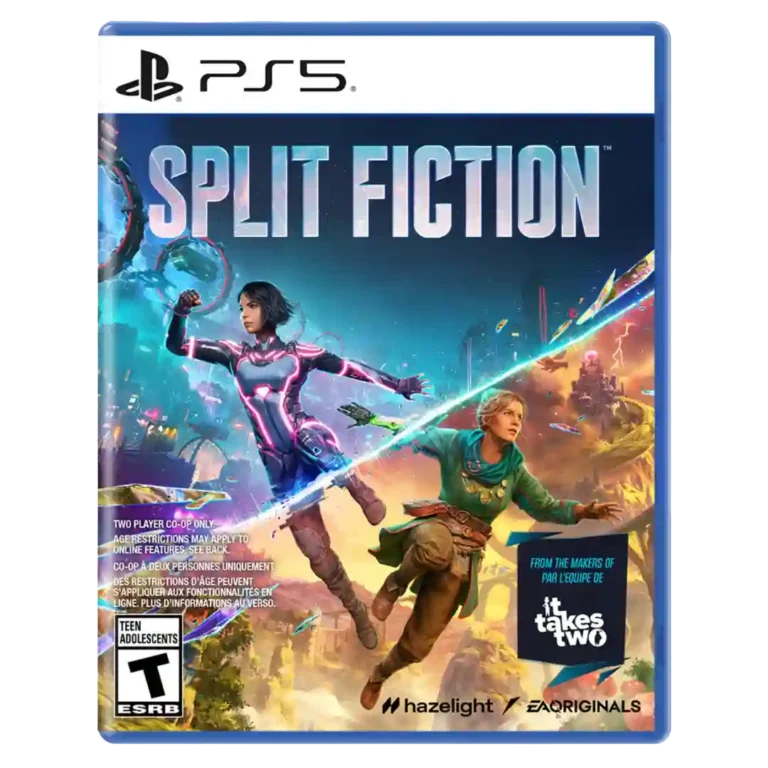
Choose Split Fiction for inventive two-player co-op, rapid gameplay variety, and memorable set pieces. Skip it if you need solo play, polished writing, or an easier casual-partner experience.
Best for two players who enjoy active communication, puzzle-platforming, rapid genre shifts, and set-piece-driven co-op. It especially suits pairs who can laugh through trial-and-error moments.
Not for players who need a solo mode, deep progression, open exploration, or consistently strong writing. Casual partners may also find some combat, platforming, and boss sections more demanding than expected.
Split Fiction’s reviews point to a standout co-op adventure built on constant reinvention, generous checkpoints, strong presentation, and unusually committed two-player design. Reviewers repeatedly praised the side stories, puzzle cooperation, set pieces, and finale as inventive highlights that keep the experience fresh. The main tradeoff is that the same maximalist pace and co-op dependence can expose weaker writing, predictable character beats, and tougher demands on less experienced partners. Switch 2 impressions add another caveat: portability and local convenience are valuable, but visuals and frame rate take hits. Overall, the evidence favors Split Fiction as a highly polished, joy-forward co-op showcase with storytelling and platform-specific rough edges.
Compared with other Video Games, this product is above average in puzzle design, platforming precision, pacing, near average in gameplay mechanics, fun factor, below average in exploration quality, side character depth, world interactivity.
| Attribute | This product | Category average | Difference |
|---|---|---|---|
| exploration quality | 2.2 | 4.1 | -1.9 |
| side character depth | 2.3 | 3.8 | -1.5 |
| world interactivity | 2.5 | 4.0 | -1.5 |
| writing quality | 2.4 | 3.6 | -1.3 |
| puzzle design | 4.8 | 3.6 | +1.2 |
| platforming precision | 4.5 | 3.2 | +1.3 |
| protagonist appeal | 2.8 | 3.9 | -1.1 |
| pacing | 4.2 | 3.3 | +0.9 |
Choose It Takes Two. It scores 5.0 vs 2.2 for exploration quality, with a 4.5 overall score.
Choose Reanimal. It scores 4.8 vs 3.4 for onboarding experience, with a 3.9 overall score.
Choose Donkey Kong Bananza. It scores 5.0 vs 2.4 for writing quality, with a 4.5 overall score.
Choose Mouse: P.I. For Hire. It scores 4.7 vs 3.4 for voice acting, with a 4.0 overall score.
Products reviewers directly compared with this model, grouped into quick takeaways.
No. Reviewers repeatedly describe it as a co-op-only game built around two human players working together.
Yes. Reviews praised both local and online co-op, with several calling the shared-play experience the game’s main strength.
It is forgiving thanks to fast respawns and generous checkpoints, but reviewers also said it is more demanding than It Takes Two and can challenge casual partners.
Yes. Multiple reviewers called the side stories some of the most creative, memorable, or joyful parts of the game.
Reviewers were split. Some liked the friendship arc and emotional moments, while others criticized the predictable plot, cliches, and weak villain.
Switch 2 impressions valued portability, tabletop play, and Game Share, but noted lower visual detail and occasional frame-rate dips.
These are a few of the reviews included in our analysis.




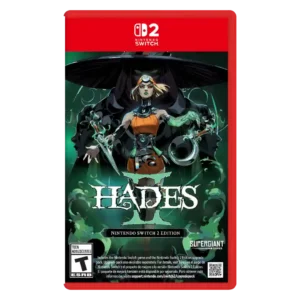
Good if you want fast, tactical roguelite combat with huge progression depth, striking art, and standout music. Skip it if repetition, resource micromanagement, or a less emotionally satisfying sequel story...
Pros: skill tree depth, dialogue quality
Cons: emotional impact, economy and resource balance
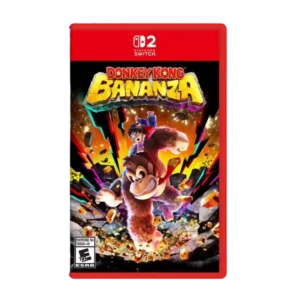
Best for joyful destruction, dense exploration, and a charming DK-Pauline adventure. Skip it if camera quirks, frame-rate dips, easy bosses, or premium Switch 2 pricing are dealbreakers.
Pros: gameplay mechanics, world interactivity
Cons: economy and resource balance, enemy variety
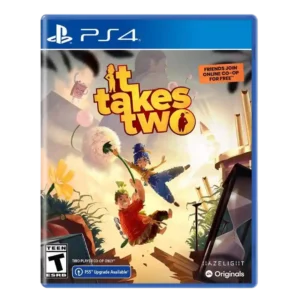
Best for joyful, inventive co-op with a partner, especially on couch. Skip it if divorce themes, uneven story tone, or Switch visual compromises would distract you.
Pros: core gameplay loop, movement feel
Cons: character development, dialogue quality
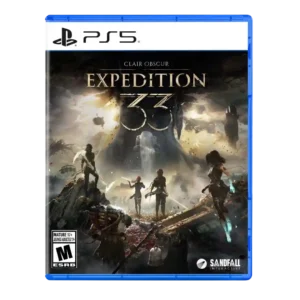
Choose Clair Obscur if you want a story-rich RPG with thrilling timed combat, gorgeous art, and standout music. Skip it if poor maps, tight parry timing, or occasional bugs and...
Pros: monetization fairness, microtransaction impact
Cons: platforming precision, menu usability