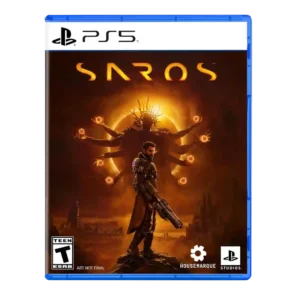
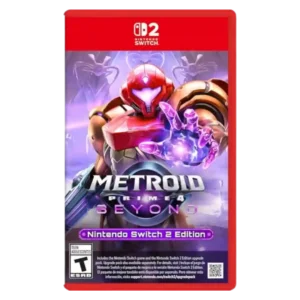
Compare Saros vs Metroid Prime 4: Beyond

P1 Saros
P2 Metroid Prime 4: Beyond

Comparison Takeaways

Saros

Where It Has the Edge

  • fast travel convenience is 4.7 vs 2.0. Fast travel and biome teleporting were widely praised as major quality-of-life improvements that reduce tedium.
  • upgrade system is 4.6 vs 2.0. The upgrade system was praised for making attempts feel worthwhile and improving approachability.
  • checkpoint system is 4.6 vs 2.0. Saros’ checkpoint-like structure and biome restart options were praised for reducing repetition and respecting time.
  • enemy variety is 4.6 vs 2.0. Enemy variety was praised for diverse, escalating, and biome-changing threats that keep combat fresh.

Metroid Prime 4: Beyond

Where It Has the Edge

  • facial animations is 4.5 vs 2.9. Facial work earned praise in one review as an unexpectedly strong visual element for Nintendo.
  • map and navigation design is 4.0 vs 2.4. Navigation was approachable and sometimes praised, but aggressive guidance and logbook tracking issues split opinion.
  • emotional impact is 4.0 vs 3.0. One review found the companion relationships strengthened the closing moments, though emotional delivery was not a universal focus.
  • aiming precision is 4.5 vs 4.0. Aiming earned praise when using Switch 2 mouse-style controls, though some reviewers found that setup awkward in normal...
Average score
Product 1: Saros
4.2
Product 2: Metroid Prime 4: Beyond
3.6
accessibility options
Product 1: Saros
4.6

Reviewers praised Saros for broad accessibility and difficulty-tuning options, including modifiers, visual recoloring, remapping, and ways to soften or intensify challenge.

Product 2: Metroid Prime 4: Beyond
No score yet
aiming precision
Product 1: Saros
4.0

Aiming was generally considered forgiving and readable thanks to auto-aim and tracking, though some no-auto-aim weapons were harder to master.

Product 2: Metroid Prime 4: Beyond
4.5

Aiming earned praise when using Switch 2 mouse-style controls, though some reviewers found that setup awkward in normal couch play.

animation quality
Product 1: Saros
2.8

Animation comments were mostly negative, focused on stiff dialogue animation and odd or weak face animation outside stronger cinematic moments.

Product 2: Metroid Prime 4: Beyond
No score yet
art direction
Product 1: Saros
4.8

Art direction was a clear strength, with reviewers highlighting Carcosa’s strong, alien visual identity and memorable environmental design.

Product 2: Metroid Prime 4: Beyond
4.7

Art direction was one of the clearest strengths, with reviewers repeatedly calling the environments, lighting, and visual identity gorgeous or striking.

atmosphere
Product 1: Saros
4.7

Reviewers repeatedly praised the unnerving, dread-soaked atmosphere, even when they disagreed about the story itself.

Product 2: Metroid Prime 4: Beyond
4.6

Atmosphere drew broad praise, especially in the Prime-style facilities where reviewers felt loneliness, dread, and alien mood were strongest.

boss design
Product 1: Saros
4.4

Bosses were widely admired for spectacle, challenge, and memorability, though a few reviewers found some fights long or uneven.

Product 2: Metroid Prime 4: Beyond
4.4

Bosses were widely praised as memorable, cinematic, puzzle-like, and challenging, though a few reviews found them too weak-point-driven or uneven.

camera behavior
Product 1: Saros
4.3

Camera controls were specifically praised as quick enough for combat without becoming disorienting.

Product 2: Metroid Prime 4: Beyond
No score yet
character development
Product 1: Saros
4.8

Arjun’s arc drew praise where reviewers felt his development became darker, more complex, and captivating.

Product 2: Metroid Prime 4: Beyond
3.8

The Federation cast landed unevenly: some reviewers grew attached, while others felt characterization stayed broad or underdeveloped.

character roster
Product 1: Saros
3.6

The cast received mixed reactions, with some reviews praising performances while others wanted more depth beyond Arjun.

Product 2: Metroid Prime 4: Beyond
No score yet
checkpoint system
Product 1: Saros
4.6

Saros’ checkpoint-like structure and biome restart options were praised for reducing repetition and respecting time.

Product 2: Metroid Prime 4: Beyond
2.0

Checkpointing drew criticism when boss retries or long optional stretches sent players farther back than expected.

combat system
Product 1: Saros
4.7

Combat was the strongest consensus point, described as thrilling, precise, tactile, and among Housemarque’s best work.

Product 2: Metroid Prime 4: Beyond
3.5

Combat was generally seen as satisfying and polished, but some reviewers criticized repeated waves, limited enemy interplay, or mixed encounter pacing.

companion AI
Product 1: Saros
No score yet
Product 2: Metroid Prime 4: Beyond
1.9

Companion behavior was a repeat complaint when allies caused game overs, needed reviving, or disrupted the usual solo Metroid flow.

content variety
Product 1: Saros
4.5

Several reviews found the game rich in sections, weapons, collectibles, and sights, though the content variety was usually discussed through exploration and spectacle.

Product 2: Metroid Prime 4: Beyond
No score yet
controls responsiveness
Product 1: Saros
4.6

Controls were heavily praised for responsiveness, tactile feel, and precise movement/shooting, with only rare complaints about input conflicts.

Product 2: Metroid Prime 4: Beyond
4.5

Controls were a major positive overall, with tight movement, responsive shooting, strong gyro support, and multiple schemes; mouse ergonomics were more divisive.

core gameplay loop
Product 1: Saros
4.5

The core loop was usually seen as compelling and satisfying, though Polygon felt progression systems weakened the roguelike loop.

Product 2: Metroid Prime 4: Beyond
4.2

The core Prime loop still worked for supportive reviewers, but some felt it was familiar rather than transformative.

dialogue quality
Product 1: Saros
2.7

Dialogue quality was mixed to weak, with several reviewers noting stilted conversations, unnatural backlog delivery, or long quiet stretches.

Product 2: Metroid Prime 4: Beyond
2.2

Dialogue was a common weak spot, with several reviewers calling the chatter irritating, clichéd, or out of place for Metroid.

difficulty balance
Product 1: Saros
4.1

Difficulty balance split reviewers: many called it tough but fair and customizable, while some felt ganks, repetition, or modifiers could undermine balance.

Product 2: Metroid Prime 4: Beyond
3.3

Difficulty was mixed: bosses and set pieces could be satisfyingly challenging, but spikes and hand-cramping moments frustrated some players.

driving mechanics
Product 1: Saros
No score yet
Product 2: Metroid Prime 4: Beyond
4.1

Vi-O-La itself often controlled well and could be fun, but its role was tied to the more divisive desert hub.

economy and resource balance
Product 1: Saros
3.1

Resource balance drew limited but mixed evidence, with one review noting balance concerns and another criticizing excess currency gains.

Product 2: Metroid Prime 4: Beyond
No score yet
emotional impact
Product 1: Saros
3.0

Emotional impact was mixed, with some reviewers admiring ideas but others saying the narrative and characters did not fully move them.

Product 2: Metroid Prime 4: Beyond
4.0

One review found the companion relationships strengthened the closing moments, though emotional delivery was not a universal focus.

endgame content
Product 1: Saros
2.8

Endgame content was a limited concern, with one reviewer specifically wishing for a dedicated post-game activity.

Product 2: Metroid Prime 4: Beyond
No score yet
enemy variety
Product 1: Saros
4.6

Enemy variety was praised for diverse, escalating, and biome-changing threats that keep combat fresh.

Product 2: Metroid Prime 4: Beyond
2.0

Enemy variety was criticized where repeated bugs, bots, or lightly modified foes made combat feel less dynamic.

environmental detail
Product 1: Saros
4.7

Environmental detail was a frequent highlight, with reviewers praising Carcosa’s biomes, architecture, and alien spaces.

Product 2: Metroid Prime 4: Beyond
4.8

Environmental detail was praised for making Viewros feel rich, alien, and visually meaningful.

exploration quality
Product 1: Saros
4.6

Exploration was praised for hidden paths, secrets, and optional areas that reward revisiting biomes.

Product 2: Metroid Prime 4: Beyond
3.8

Exploration was strongest in the dungeon-like zones and weakest when the desert hub or heavy guidance interrupted discovery.

facial animations
Product 1: Saros
2.9

Facial animations were a repeated weakness, especially outside cutscenes where faces could not match the vocal performances.

Product 2: Metroid Prime 4: Beyond
4.5

Facial work earned praise in one review as an unexpectedly strong visual element for Nintendo.

faithfulness to franchise
Product 1: Saros
4.6

Reviewers generally felt Saros honors Housemarque and Returnal’s lineage while refining or expanding the studio’s formula.

Product 2: Metroid Prime 4: Beyond
4.0

Reviewers split on franchise faithfulness: many felt the fundamentals remained Prime, while others felt the hub, companions, or linearity diluted Metroid.

fast travel convenience
Product 1: Saros
4.7

Fast travel and biome teleporting were widely praised as major quality-of-life improvements that reduce tedium.

Product 2: Metroid Prime 4: Beyond
2.0

The lack of fast travel frustrated one reviewer who otherwise accepted revisiting environments as part of Metroid.

frame rate stability
Product 1: Saros
4.6

Frame rate was generally strong, with most reviewers reporting near-locked or rock-solid 60fps and only occasional dips.

Product 2: Metroid Prime 4: Beyond
4.9

Frame rate was consistently praised across Switch 2 coverage, including smooth 60fps and 120fps options.

fun factor
Product 1: Saros
4.9

Fun factor was very high, with reviewers repeatedly describing the act of playing, replaying, and mastering Saros as joyful or addictive.

Product 2: Metroid Prime 4: Beyond
3.6

Overall enjoyment ranged from enthusiastic recommendations to sharp disappointment, with most positive reactions tied to classic Prime sections.

gameplay mechanics
Product 1: Saros
4.5

Gameplay mechanics, especially the shield, parry, eclipse, and modifier systems, were praised, though one review felt the systems could overprotect players.

Product 2: Metroid Prime 4: Beyond
3.5

Moment-to-moment mechanics were often praised, but psychic powers, open-zone structure, and companion sections made the package uneven.

graphics quality
Product 1: Saros
4.7

Graphics quality was praised across reviews for visual flair, PS5 showcase value, and striking Unreal Engine 5 presentation.

Product 2: Metroid Prime 4: Beyond
4.7

Graphics were one of the strongest consensus positives, frequently described as gorgeous, stunning, or among Nintendo's best-looking work.

grind level
Product 1: Saros
2.9

Grind and repetition drew mixed-to-negative comments, especially around repeated boss attempts and artifact droughts.

Product 2: Metroid Prime 4: Beyond
2.1

The green-crystal requirement was one of the most repeated pain points, often described as filler, tedious, or poorly paced.

handheld play suitability
Product 1: Saros
4.5

Handheld or remote play suitability had limited evidence, but one reviewer said it looked and played beautifully on PlayStation Portal.

Product 2: Metroid Prime 4: Beyond
4.0

Handheld and docked play were generally viable, though Switch 1 presentation was less crisp and some preferred a full controller setup.

haptic feedback integration
Product 1: Saros
4.7

DualSense haptics and adaptive triggers were a standout, repeatedly praised as tactile, innovative, and deeply integrated.

Product 2: Metroid Prime 4: Beyond
No score yet
horror tension
Product 1: Saros
4.7

Horror tension was supported through praise for dread, anxiety, cosmic horror, and the unsettling eclipse-driven world.

Product 2: Metroid Prime 4: Beyond
No score yet
HUD clarity
Product 1: Saros
4.4

HUD/readability comments were positive but limited, emphasizing that the intense spectacle remained coherent and not visually confusing.

Product 2: Metroid Prime 4: Beyond
2.5

One review found scan-log clarity weakened by indistinct highlighting, making completion tracking more of a hassle than it needed to be.

immersion
Product 1: Saros
4.7

Immersion was praised through tactile feedback, 3D audio, and audiovisual design that pulled reviewers into Carcosa.

Product 2: Metroid Prime 4: Beyond
4.0

Immersion was strong when the game leaned into alien solitude, but hints, companions, and roadblocks could break that feeling.

innovation
Product 1: Saros
4.7

Innovation centered on the shield, bullet-as-resource design, haptic implementation, and a more flexible challenge structure.

Product 2: Metroid Prime 4: Beyond
2.8

Innovation was viewed as conservative: some refinements worked, but many reviewers felt the game did not push the genre forward.

learning curve
Product 1: Saros
3.8

The learning curve was approachable for some but still initially demanding, with trial-and-error teaching and a tough early adjustment.

Product 2: Metroid Prime 4: Beyond
No score yet
level design
Product 1: Saros
4.7

Level design was strongly praised for handcrafted chunks, biome structure, combat spaces, and a balance between freshness and mastery.

Product 2: Metroid Prime 4: Beyond
4.3

The main facilities drew praise for set-piece design and atmosphere, while linearity and the connective hub lowered scores for some critics.

load times
Product 1: Saros
4.8

Load times had limited but strong evidence, with Digital Foundry praising nearly instant transitions.

Product 2: Metroid Prime 4: Beyond
4.5

Load screens were rarely a major complaint, and one review praised the minimal loading between areas.

loot system
Product 1: Saros
3.1

Loot drew mixed feedback: some liked risky artifacts and weapon discovery, while others disliked artifact droughts or limited replacement control.

Product 2: Metroid Prime 4: Beyond
No score yet
lore depth
Product 1: Saros
4.4

Lore depth was praised where reviewers enjoyed logs, mysteries, and hidden material that encouraged deeper digging.

Product 2: Metroid Prime 4: Beyond
4.5

Lore through scanning and Lamorn history was a clear positive for reviewers who valued environmental storytelling.

map and navigation design
Product 1: Saros
2.4

Navigation drew criticism from one reviewer who found objective direction poor despite liking the map.

Product 2: Metroid Prime 4: Beyond
4.0

Navigation was approachable and sometimes praised, but aggressive guidance and logbook tracking issues split opinion.

menu usability
Product 1: Saros
2.8

Menu usability had limited negative evidence, focused on hidden information and unclear equipment-screen navigation.

Product 2: Metroid Prime 4: Beyond
No score yet
mission design
Product 1: Saros
4.6

Optional challenge-space design was praised as brutal but rewarding.

Product 2: Metroid Prime 4: Beyond
No score yet
movement feel
Product 1: Saros
4.7

Movement feel was praised as smooth, nimble, precise, and joyful across several reviews.

Product 2: Metroid Prime 4: Beyond
No score yet
narrative quality
Product 1: Saros
3.9

Narrative quality was the most mixed major attribute, ranging from gripping and coherent to underdeveloped, opaque, or overambitious.

Product 2: Metroid Prime 4: Beyond
2.9

Narrative reception was mixed-to-negative: Lamorn lore intrigued some reviewers, but the ending, Sylux, and character use often disappointed.

onboarding experience
Product 1: Saros
3.5

Onboarding was mixed: some reviewers said mechanics ramped up well, while one felt the many systems were poorly communicated.

Product 2: Metroid Prime 4: Beyond
No score yet
open-world design
Product 1: Saros
No score yet
Product 2: Metroid Prime 4: Beyond
2.2

Sol Valley was the most consistent criticism, described by many reviewers as empty, barren, padded, or less interesting than the dungeons.

originality
Product 1: Saros
3.8

Originality was mixed, with praise for bold changes and criticism that Saros repeats Returnal-like beats with minimal variation.

Product 2: Metroid Prime 4: Beyond
No score yet
pacing
Product 1: Saros
3.6

Pacing drew mixed responses, from tighter run pacing to complaints that story, repetition, or traversal could drag.

Product 2: Metroid Prime 4: Beyond
2.5

Pacing suffered whenever desert traversal, crystal collection, or upgrade trips slowed the stronger dungeon rhythm.

performance optimization
Product 1: Saros
4.6

Performance optimization was praised overall, especially on PS5/PS5 Pro, with only minor dips or loading-related hitches noted.

Product 2: Metroid Prime 4: Beyond
4.8

Technical performance was a standout strength, with reviewers praising stable modes, HDR, and smooth operation on Switch 2.

platform-specific feature support
Product 1: Saros
4.7

Platform-specific support was praised through PS5 showcase features, Pro upscaling, DualSense use, and 3D audio.

Product 2: Metroid Prime 4: Beyond
3.1

Switch 2 options, HDR, and mouse controls were notable, but mouse comfort and Switch 1 compromises made this mixed.

platforming precision
Product 1: Saros
4.5

Platforming precision had limited but positive evidence around precise jumping, dodging, and reduced geometry snagging.

Product 2: Metroid Prime 4: Beyond
No score yet
polish
Product 1: Saros
4.7

Polish was praised frequently, with reviewers calling Saros smooth, refined, and consistently excellent.

Product 2: Metroid Prime 4: Beyond
3.5

Polish was mostly solid, but one review noted rough spots and visible Switch 1 roots.

progression system
Product 1: Saros
4.3

Progression was usually praised for meaningful permanent upgrades, though one reviewer felt it overemphasized numbers over skill.

Product 2: Metroid Prime 4: Beyond
4.7

Progression was praised when upgrades opened new routes and improved movement, though some disliked overly linear or lock-and-key usage.

protagonist appeal
Product 1: Saros
4.0

Protagonist appeal was mixed: several reviewers found Arjun compelling or well-acted, while one found him unpleasant by design.

Product 2: Metroid Prime 4: Beyond
2.0

Samus's silence hurt protagonist appeal for some reviewers when cutscenes and direct questions made her seem oddly passive.

puzzle design
Product 1: Saros
No score yet
Product 2: Metroid Prime 4: Beyond
3.9

Puzzles were generally satisfying and boss-like, though psychic mechanics were sometimes called familiar or clunky.

replay value
Product 1: Saros
4.7

Replay value was strong, with reviewers saying they wanted to dive back in or keep running even after credits.

Product 2: Metroid Prime 4: Beyond
No score yet
save system reliability
Product 1: Saros
4.5

Save/run continuation quality was praised via suspend, leave-and-return, and day-one roguelite quality-of-life comments.

Product 2: Metroid Prime 4: Beyond
2.0

Save design and autosaving drew criticism when point-of-no-return or optional cleanup setbacks undermined late-game play.

side character depth
Product 1: Saros
2.5

Side character depth was a common weakness, with reviewers describing the supporting cast as shallow, disposable, or stock.

Product 2: Metroid Prime 4: Beyond
2.7

Side characters were divisive: some reviewers warmed to them, while others found them annoying, tropey, or poorly matched to Metroid.

skill tree depth
Product 1: Saros
3.8

Skill-tree depth was mixed, from exhaustive and satisfying to more of a limited trunk than a deep build system.

Product 2: Metroid Prime 4: Beyond
No score yet
sound design
Product 1: Saros
4.7

Sound design and 3D audio were praised for intensity, dread, positional clarity, and haunting effects.

Product 2: Metroid Prime 4: Beyond
4.9

Sound design was praised for supporting atmosphere, alien spaces, and the Prime identity.

soundtrack quality
Product 1: Saros
4.6

The soundtrack was praised for oppressive, unnerving, and complex music that supports Carcosa’s tone.

Product 2: Metroid Prime 4: Beyond
4.6

The soundtrack was a strong positive, often described as excellent, memorable, atmospheric, or among the best parts of the game.

tutorial quality
Product 1: Saros
4.3

Tutorial quality had limited but positive evidence, with reviewers noting trial-and-error teaching and encounter design that prepares players for bosses.

Product 2: Metroid Prime 4: Beyond
2.7

Guidance split reviewers; some appreciated direction, but many disliked hand-holding, repeated hints, or tutorialization.

upgrade system
Product 1: Saros
4.6

The upgrade system was praised for making attempts feel worthwhile and improving approachability.

Product 2: Metroid Prime 4: Beyond
2.0

Upgrades were fun and familiar for some, but others felt certain powers were underused or too lock-and-key.

user interface design
Product 1: Saros
3.3

User interface design had limited mixed evidence, with one reviewer finding it good enough but imperfect.

Product 2: Metroid Prime 4: Beyond
No score yet
value for money
Product 1: Saros
5.0

Value for money had limited but explicit support from one reviewer who said they would pay full price.

Product 2: Metroid Prime 4: Beyond
2.7

Value was mixed, with some reviewers satisfied and others warning about price, length, or waiting for a sale.

vehicle roster
Product 1: Saros
No score yet
Product 2: Metroid Prime 4: Beyond
4.0

Only Vi-O-La drew meaningful opinion, and the reviewer who scored it saw future potential for the bike.

visual effects quality
Product 1: Saros
4.9

Visual effects were a major highlight, especially the particle-heavy combat fireworks and colorful VFX.

Product 2: Metroid Prime 4: Beyond
4.5

Visual effects and spectacular sights were praised as part of the game's high-end presentation.

voice acting
Product 1: Saros
4.7

Voice acting was widely praised, especially Rahul Kohli’s performance, with the broader cast also receiving positive notes.

Product 2: Metroid Prime 4: Beyond
3.5

Voice acting was mixed: some reviewers liked the performances, while others found the comedic or companion delivery uneven.

weapon balance
Product 1: Saros
4.1

Weapon balance was mostly positive for variety and viability, though some weapons or no-autohit variants frustrated reviewers.

Product 2: Metroid Prime 4: Beyond
No score yet
world-building
Product 1: Saros
4.6

World-building was praised through Carcosa’s mysteries, logs, lore, and thematic environmental storytelling.

Product 2: Metroid Prime 4: Beyond
5.0

World-building was a strength in reviews that praised scanning, Lamorn history, and the way environments explained Viewros.

world interactivity
Product 1: Saros
4.2

World interactivity had limited evidence, mostly around movement-reactive effects and environmental destruction.

Product 2: Metroid Prime 4: Beyond
No score yet
writing quality
Product 1: Saros
3.7

Writing quality was mixed, with praise for logs and media-literate storytelling but criticism of hollow or unclear themes.

Product 2: Metroid Prime 4: Beyond
2.1

Writing was among the weaker elements, criticized for clichés, awkward jokes, and underdeveloped storytelling.