The reviews specifically mention assist-style options such as autosteering that should make Horizon 6 easier for a broader range of players to enjoy.
Supported reviews say detection and mission AI should react more flexibly than the original, though one reviewer still noticed enemies waiting their turn in combat.
Animation coverage is generally positive, citing modern motion capture, smooth character movement, and reanimated combat, though the evidence is still preview-based.
The visual direction is praised by the cited reviewer, while also acknowledging that some players may feel the brighter remake loses some original soul.
Reviewers praise the Japanese setting’s visual identity, saying the locales capture iconic aesthetics with real care and precision.
Reviewers repeatedly highlight the livelier Caribbean mood, brighter lighting, stronger weather, stormy seas, and more sensory presentation as major atmosphere gains.
The setting is often described as vivid and alive, though one review says Tokyo can still feel too empty in preview footage.
Only one preview directly raised camera behavior, criticizing a harsh view change during assassination animations.
Character-development evidence centers on added Edward-focused material, his internal struggles, and a new scene with his wife, all framed as fleshing out the story.
The major checkpoint-related improvement is that stealth detection no longer automatically desynchronizes the player during the revamped tailing and eavesdropping missions.
One preview highlights roster rebalancing aimed at making vehicle classes more evenly competitive instead of funneling players into a few dominant builds.
Combat is one of the most covered upgrades, with repeated mentions of perfect parries, faster attacks, chain takedowns, more tool use, and a less passive counter-only feel.
Car Meets appear to deepen the car culture angle by letting players browse shared designs and even buy pink slips from appealing builds.
The evidence points to new chapters, new story content, crew additions, and fresh quests, while still keeping the base single-player Black Flag structure.
Previews point to a huge roster of cars and a broad mix of things to do beyond standard races, from collecting to open-world activities.
Control-related comments are positive, especially around reduced old-control friction, tighter movement, and a smoother, more reactive feel.
Wheel impressions say Horizon 6 responds accurately, with steering going where the player expects rather than fighting inputs.
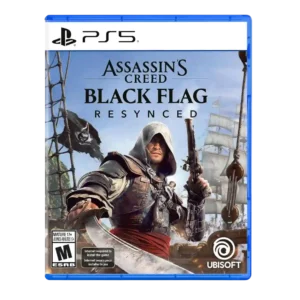
The core loop is consistently framed as old-style action adventure rather than an RPG, preserving the single-player Edward Kenway adventure while modernizing combat and stealth.
The loop is still built around driving, exploring, and naturally stumbling into activities instead of focusing only on structured race wins.
Reviewers expect combat to be less trivially easy through tighter parry timing and limits on chains, though one preview worries slow-motion cues could soften the challenge.
DLC coverage is consistently negative because the remake does not include the original DLC content, especially Freedom Cry.
Naval handling is treated as a strength, with weather-influenced waves, ship handling, and mostly familiar Black Flag sailing updated rather than replaced.
Driving stays approachable and Horizon-like, but at least one preview finds the controller handling twitchy and overly prone to oversteer.
Early hands-on coverage suggests credits come in quickly enough to support experimenting with upgrades and swaps without much friction.
The supporting review links more expressive faces to the potential for stronger emotional delivery in the story.
Only one source directly mentions new enemy variety, citing a new Demolitionist enemy with a blunderbuss-style role.
Environmental detail is one of the most praised areas, with sources citing livelier towns, high-resolution textures, improved scenery, and richer Caribbean spaces.
Japan’s map is repeatedly described as dense and richly detailed, even by critics who still want more city life and traffic.
Exploration evidence points to added locations, more expansive underwater areas, and bigger-feeling environmental upgrades rather than a larger core map.
Exploration is one of the strongest themes in the reviews, with multiple writers saying the world constantly tempts them to keep roaming.
Facial animation impressions are mostly positive, with handcrafted faces and more expressive characters, though one preview describes the results as hit or miss.
The strongest faithfulness evidence is that the remake preserves Edward's story, the non-RPG action-adventure structure, and the recognizable Black Flag identity.
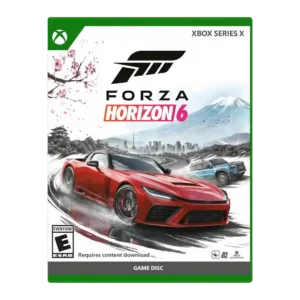
At least one outlet frames Horizon 6 as a return to form that preserves Horizon’s identity while improving where Horizon 5 felt weaker.
Player houses doubling as fast travel points should make moving around the large map much easier once they are unlocked.
Frame-rate evidence is technical rather than hands-on, citing uncapped PC frame rate support and console 60 fps options, not verified launch stability.
Preview players repeatedly describe the available quality mode as stable and locked in rather than inconsistent.
Fun-factor evidence is limited but positive, with previews describing the remake as off to a strong start and compelling enough to pre-order.
Across previews, Horizon 6 is repeatedly described as playful, approachable driving fun, especially when the handling and event design line up.
Gameplay mechanics are broadly supported through claims of rebuilt systems, enhanced gameplay features, core gameplay changes, and stronger moment-to-moment play.
The underlying mechanics remain rooted in Horizon’s familiar open-world racing formula: explore freely, enter events, and customize cars.
Graphics are the most consistently praised category, with sources highlighting modernized lighting, textures, water, character detail, and a strong visual leap over the original.
The Japan setting is widely described as the best-looking Horizon yet, with multiple previews calling it a clear visual step up.
Handheld suitability is supported by technical coverage of dedicated presets for devices such as Steam Deck or ROG Ally.
One PC-focused review argues the modest minimum requirements make handheld play on Steam Deck-class devices look plausible.
HUD clarity is mixed because one preview notes the old minimap is replaced by a compass, making the change partly a matter of preference.
New awareness tools like the proximity radar and optional leaderboard elements are praised for adding information without forcing clutter.
Immersion evidence points to the Anvil rebuild, stronger world realism, and enhanced gameplay features that keep the player in the Caribbean fantasy.
The best previews say the map sells a convincing Japanese driving fantasy, though some footage still feels less lived-in than it should.
Reviewers see meaningful additions such as Time Attack circuits and Car Meets, but not a full reinvention of the Horizon template.
Sensitive handling and car-specific tuning mean some players will need time to adapt before the driving fully clicks.
Level-design evidence focuses on livelier towns, more climbable scenery, detailed paths, extra NPCs, and improved draw distance.
Load-time coverage is mostly positive thanks to seamless areas and docking, though PC storage choices may still affect streaming or load behavior.
Loot evidence is limited to one preview describing new outfits and weapons placed in added locations.
Lore depth is mixed: new rifts and Edward-focused material are promising, but removal of the original modern-day framing leaves some story implications unresolved.
Navigation evidence is mixed, with weather-based sea navigation and a returning notoriety indicator praised while the minimap-to-compass change may divide players.
The GPS and road layout are described as clear and useful, helping the giant map feel easy to traverse instead of cumbersome.
Only one preview directly raises microtransaction concerns, criticizing cosmetic pet sales and unique-perk bonuses as potentially troubling.
Mission design is repeatedly described as improved through less punishing tailing and eavesdropping, more ways to progress, and better adaptation after detection.
The race events sound reliable and on-brand for Horizon, even if previews have not yet shown radically new event structure.
Mission variety is supported by new chapters, fresh quests, and six hours of mostly story-focused content.
The early build already shows a wide spread of event types, including circuit races, drag races, rally events, stunts, and cross-country play.
Monetization coverage is limited and cautious, based on pre-order and perk-related concerns rather than broad evidence of intrusive monetization.
Movement feel is broadly positive thanks to fluid parkour, back and side ejects, and freer running, but some previews worry about slower pacing or sluggish transitions.
Input feel earns good marks on a wheel, but controller-based handling impressions are more mixed because of the extra twitchiness.
Multiplayer scores low because the original PvP mode is absent from this remake, even though several sources expected that cut.
Preview coverage points to flexible social racing options, with events and spaces that support solo play, competitive play, and shared-session activity.
Narrative coverage is positive overall, emphasizing added story quests, new scenes, expanded arcs, and a focus on Edward's single-player adventure.
The opening tourist setup and guided intro appear welcoming, giving players an easy way into the setting and early progression systems.
The open world is described as familiar in size and identity but more seamless, more detailed, and easier to move through without visible loading interruptions.
The map is the consensus standout, with repeated praise for its size, density, variety, and how rewarding it is to simply drive around.
Japan makes the package feel fresher, but several reviews also say the broader Horizon structure remains very familiar.
Only one review directly comments on pacing, noting that the parkour appears slower than the original in some footage.
Reviews praise how travel, exploration, and progression flow together, making even the space between events feel worthwhile.
Performance evidence is incomplete but promising, with technical support such as a benchmark tool and upscalers, while one preview warns final performance remains unknown.
Early PC-focused coverage is optimistic that Horizon 6 is being built with strong optimization in mind rather than punishing requirements.
Platform support looks strong on PC, with DLSS, FSR, XeSS, HDR, ultrawide support, and detailed preset coverage.
Wheel support receives explicit attention, and early impressions suggest Horizon 6 is taking steering-wheel play more seriously than before.
Platforming precision is mixed: new side/back ejects and jumps are welcome, but two previews flag a slower or stop-start feel in some movements.
Polish impressions lean positive, with several previews describing the remake as not corner-cutting and expanded in the right areas, though launch proof is still pending.
Multiple previews say the overall presentation feels more polished than previous entries, especially visually.
Progression evidence includes weapons with unique perks, outfit perks moved into trinkets, and the returning notoriety or fleet-style progression cues.
The return of gated wristbands and slower unlock pacing is broadly seen as a more purposeful and satisfying progression structure.
Edward Kenway remains central, with new material focused on his internal struggles and personal story rather than replacing the original protagonist.
Quest-design evidence is limited but positive, centered on new crew-specific quest lines.
The remake quality consensus is strong: sources repeatedly describe it as rebuilt from the ground up, visually reworked, and more than a simple remaster.
Several reviewers kept roaming long after the guided preview content ended, which suggests strong short-term replay pull.
Sandbox freedom is supported by comments about shaping the adventure, open-world freedom, and letting players adapt instead of restarting missions.
A major appeal is the freedom to drive almost anywhere, pick your own activities, and set your own pace.
Seasonal changes are described as more dramatic and meaningful than before, especially in Japan’s contrasting regions.
Side-character depth is a major addition, with new officers, individual questlines, and expanded arcs for familiar characters such as Blackbeard and Stede Bonnet.
Permanent Car Meets and related shared-world hooks are positioned as stronger social anchors than past Horizon games offered.
Sound design evidence is narrow and mixed, with one reviewer noting the original kill animations lacked sound impact while discussing the remake's combat presentation.
Previews mention improved weather audio, engine sounds, and surface detail that help the world and cars feel more tactile.
Soundtrack coverage is positive, with multiple sources confirming classic shanties, new shanties, and new music.
One preview specifically praises the Japanese radio vibe and says the music brings back classic Horizon energy.
Stealth is one of the most improved systems, with crouching, revised detection outcomes, and less punitive tailing rules frequently cited.
The upgrade system appears deeper through alternate-fire Jackdaw weapons, officer abilities, ship upgrades, and weapon perk changes.
Tuning, garage customization, and more impactful upgrades are all highlighted as meaningful parts of the experience.
UI evidence is mixed, with one source noting a tool-selection window and another finding the on-screen UI somewhat messy.
Reviewers like the cleaner map presentation and the extra control over UI elements such as split times and radar placement.
Value is mixed: the remake adds major upgrades and new content, but several sources question the package because multiplayer and DLC are missing and pre-order caution remains.
Visual effects are strongly praised, especially ray tracing, lighting, water rendering, reflections, and more colorful presentation.
Weather, lighting, and screenshot-friendly presentation are repeatedly singled out as strengths.
Voice-acting evidence is limited but positive because Matt Ryan is identified as returning as Edward.
World-building evidence is limited but positive, pointing to distinct city atmosphere and denser NPC presence.
The setting sells a strong sense of place through biomes, landmarks, and a more distinct regional identity than prior maps.
World interactivity is supported by weather that affects sailing, livelier storm conditions, and environmental changes that influence play.
This is a recurring weak spot, with reviews noting that traffic and the city still react very little to the player.
Writing quality is cautiously positive, with praise for Edward-focused additions and returning writer involvement, balanced by concern over integration.