tutorial quality
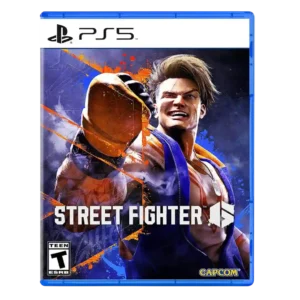
Street Fighter 6
4.8
Tutorials and training tools were among the most acclaimed parts of the package, often called best-in-class.
WWE 2K26
1.0
Tutorialization is a weak spot in the more complicated modes. One opening sequence feels needlessly long, while another player still felt unclear on basic mechanics after repeating the tutorial.
class balance
Street Fighter 6
4.5
Class or archetype balance was praised through comments that every character had viable strengths and weaknesses.
WWE 2K26
1.0
MyGM's restrictive class and alignment systems remain a sticking point, limiting the freedom of how rivalries and matchups can be booked.
economy and resource balance
Street Fighter 6
4.5
The Drive Gauge's resource design was praised as a balanced risk-reward system with meaningful consequences.
WWE 2K26
1.0
The Island's economy is badly skewed, with some items costing tens of thousands of VC while normal matches pay very little. That imbalance makes spending real money feel more tempting than it should.
accessibility options
Street Fighter 6
4.8
Accessibility was a standout, with Modern/Dynamic controls and approachable design repeatedly praised for welcoming new players.
WWE 2K26
1.5
Pin and submission inputs can be simplified in several modes, but the package is limited by missing colorblind options. MyFaction also forces button-mashing in situations where hold inputs would reduce strain.
DLC value
Street Fighter 6
5.0
DLC value was strongest for the Years 1-2 Fighters Edition, which bundled characters at a better value.
WWE 2K26
2.0
Replacing instant DLC packs with Ringside Pass unlocks makes paid wrestlers take too long to reach. The non-expiring structure helps, but grinding for content already purchased is a recurring frustration.
matchmaking quality
Street Fighter 6
4.0
Matchmaking was mostly quick and smooth, but ranked matchmaking concerns appeared in one later player-focused review.
WWE 2K26
1.0
Online matchmaking is criticized for doing a poor job pairing players and creating satisfying match stories, leaving competitive play less dependable than the in-ring systems deserve.
server reliability
Street Fighter 6
4.0
Server reliability had a brief private-lobby issue, but the reviewer noted Capcom resolved it quickly.
WWE 2K26
1.0
Server problems are a serious weakness where they appear, with crashes and disconnects disrupting online matches. Concerns about server-dependent content also make long-term access feel uncertain.
live-service support
Street Fighter 6
4.0
Live-service support was considered solid after launch, though monetization concerns kept it from being unqualified praise.
WWE 2K26
1.5
The live-service direction is one of the least appealing parts of the package. Seasonal progression and server-dependent content raise concern about long-term access and ongoing monetization.
online stability
Street Fighter 6
4.5
Online stability was a clear strength, with reviewers repeatedly praising netcode and smooth connections, despite isolated issues.
WWE 2K26
2.0
Online play can be undermined by crashes and disconnects, making otherwise enjoyable multiplayer matches less reliable than they should be.
dialogue quality
Street Fighter 6
4.5
Dialogue and small master interactions were warmly received, especially casual chats and text-message moments.
WWE 2K26
2.2
Story dialogue is one of the weaker presentation elements, often described as bland, cringeworthy, stilted, or overly long. A few modes improve the structure, but awkward conversations remain common.
value for money
Street Fighter 6
4.6
Value for money was high because reviewers saw a large, feature-rich package with offline, online, and edition-specific value.
WWE 2K26
2.5
Value depends heavily on how much of the enormous package you will actually use. Some modes can justify the price on their own, but expensive editions and locked content make the cost harder to defend for casual players.
family friendliness
Street Fighter 6
4.0
Family or casual-group play was supported by Dynamic controls, party-style modes, and approachable local play.
WWE 2K26
2.0
Violent stipulations are expected for WWE, but the larger family concern is spending pressure. Microtransactions are specifically flagged as a risk for younger players without full financial awareness.
open-world design
Street Fighter 6
4.1
World Tour was broadly welcomed as an ambitious single-player RPG mode, though reviewers varied on its execution and polish.
WWE 2K26
2.3
The Island has improved with voice acting, factions, Towers, and better navigation, but it still falls short as an open-world space. Its hub can feel shallow, commercialized, and oddly lifeless.
combat system
Street Fighter 6
4.9
Combat earned the strongest praise: reviewers highlighted expressive Drive options, strategic meter use, and satisfying risk-reward decisions.
WWE 2K26
3.3
The stamina-linked reversal system adds strategy and reduces endless counter chains, while harder impacts make wrestling feel weightier. Its timing, AI behavior, and lock-on issues can still make combat frustrating.
animation quality
Street Fighter 6
5.0
Animation quality stood out through expressive character movement and polished fight presentation.
WWE 2K26
3.5
In-ring animation is generally smooth, with ragdoll reactions and weapon impacts adding energy to matches. Facial movement, odd crowd animation, and occasional clipping keep the presentation from looking consistently natural.
quest design
Street Fighter 6
2.5
Quest design drew criticism when missions required backtracking and became tedious despite some memorable character interactions.
WWE 2K26
4.0
The strongest Island activities are distracting in the good sense—engaging enough to pull attention away from the main story for hours at a time.
user interface design
Street Fighter 6
2.5
User interface design was criticized by at least one reviewer as confusing and harder than it should be.
WWE 2K26
4.0
Improved quest markers and navigation make The Island's interface much easier to follow than before, reducing the confusion of finding the next objective.
community features
Street Fighter 6
4.8
Community features were praised through Battle Hub's arcade feel, rival/friend tools, and social gathering design.
WWE 2K26
3.3
Community creations can fill roster gaps and extend the game's lifespan with impressive custom work. Platform access is uneven, though, with cross-platform community-creation availability criticized on Switch 2.
movement feel
Street Fighter 6
5.0
The fighting feel was described as fluid, logical, natural, and easy to pick up without losing depth.
WWE 2K26
3.6
Basic movement and match flow are generally fluid and natural, with smoother transitions helping wrestlers feel less robotic. Once learned, climbing and environmental movement also become easy to manage.
visual effects quality
Street Fighter 6
5.0
Visual effects, especially paint-splatter and Drive Impact effects, were consistently praised.
WWE 2K26
3.7
Lighting, pyro, sweat, blood, ragdoll reactions, and weapon effects often look excellent and heighten spectacle. A few effects, especially Inferno flames, still look dated or underwhelming.
originality
Street Fighter 6
4.5
Originality came through World Tour's unusual fighting-game RPG structure and the full package's fresh approach.
WWE 2K26
3.2
Fresh match touches and physics improvements help, but the annual structure still leans heavily on familiar systems and recycled mode foundations. The result feels evolutionary rather than genuinely new.
atmosphere
Street Fighter 6
5.0
The atmosphere captured an arcade/community feeling that several reviewers found nostalgic and energizing.
WWE 2K26
3.8
Entrances, lighting, crowd noise, and broadcast touches often make matches feel like a WWE show. The illusion weakens when crowds look lifeless or arena reactions fail to match the action.
gameplay mechanics
Street Fighter 6
4.9
Reviewers praised the Drive-era mechanics as deep, flexible, and satisfying, with post-launch updates adding meaningful tactical changes.
WWE 2K26
3.7
Physics, stamina, reversals, weapons, and match interactions have all been refined enough to make wrestling feel more strategic and dynamic. Not every change lands, especially when timing or AI behavior feels inconsistent.
monetization fairness
Street Fighter 6
2.6
Monetization fairness was the most persistent concern, with several reviewers objecting to premium currency and aggressive cosmetic monetization.
WWE 2K26
1.4
Monetization is the clearest consensus weakness. Paid editions, VC, card packs, Ringside progression, and purchasable tier skips combine to make an already full-price annual release feel overly aggressive.
graphics quality
Street Fighter 6
4.5
Graphics were generally praised, though Switch, PS4, and World Tour performance/visual compromises were noted.
WWE 2K26
3.3
Top wrestler models, lighting, arenas, sweat, and broadcast presentation can look excellent, but visual quality is uneven. Older scans, dated crowd models, and occasional graphic bugs make the generational leap feel inconsistent.
voice acting
Street Fighter 6
4.5
Voice and commentary features were liked when they made fights feel more like events, though repetition was a caveat elsewhere.
WWE 2K26
3.4
Voice work is inconsistent: CM Punk's narration and some mode performances add authenticity, while MyRise and Island conversations can sound flat, stilted, or poorly directed.
innovation
Street Fighter 6
4.5
Innovation was praised in the open-world RPG structure, accessibility ideas, and Drive system.
WWE 2K26
3.4
This is more refinement than reinvention, but several changes—especially stamina-based reversals, physics, and mode upgrades—meaningfully improve play. Long-time players may still find the annual formula too familiar.
fun factor
Street Fighter 6
4.9
Fun factor was extremely high, with reviewers repeatedly calling matches, modes, and systems exciting or addictive.
WWE 2K26
3.8
At its best, WWE 2K26 is an exuberant wrestling sandbox full of memorable match moments, new weapons, and entertaining modes. The fun drops sharply when grind, monetization, bugs, or overcomplicated systems take over.
controls responsiveness
Street Fighter 6
4.6
Responsiveness was strong across most versions, though weaker platforms and connections could still affect the feel.
WWE 2K26
3.6
Controls are usually smooth, intuitive, and easy to reacclimate to, especially in standard matches. Lock-on problems, object-interaction latency, and occasional unresponsive inputs can still disrupt more chaotic bouts.
exploration quality
Street Fighter 6
3.0
Exploration was considered fun in spots but not consistently distinctive compared with other open-world games.
WWE 2K26
2.0
The Island is easier to navigate than before, but exploration remains a weak point. Awkward camera work and a shallow-feeling open area reduce the desire to wander for long.
immersion
Street Fighter 6
5.0
Immersion benefited from World Tour and Battle Hub, with reviewers calling it the franchise's most immersive entry.
WWE 2K26
4.0
Strong entrances, commentary, crowd audio, match pacing, and improved physics regularly make the action feel broadcast-authentic. Visual glitches, weak crowds, and intrusive mode design can still break the illusion.
lore depth
Street Fighter 6
4.0
Lore references and Final Fight/Street Fighter connections added flavor for longtime fans.
WWE 2K26
5.0
MyRise's recurring alternate-WWE continuity gives the career mode its own recognizable lore and returning characters, a detail that can make the story world especially rewarding for series regulars.
onboarding experience
Street Fighter 6
4.9
Onboarding was consistently strong because World Tour, guides, and Modern controls taught fundamentals without isolating newcomers.
WWE 2K26
4.0
The core controls can be approachable enough for newcomers to start having fun quickly, especially at lower complexity. Dense systems and some mode-specific tutorials make the full package less immediately welcoming.
polish
Street Fighter 6
3.0
Polish was mostly strong, though pop-in and platform-specific compromises prevented a perfect score everywhere.
WWE 2K26
3.8
The in-ring game and Showcase often feel highly polished, with crisp presentation and refined systems. Side modes, bugs, and uneven technical details keep the overall package from matching that standard everywhere.
social features
Street Fighter 6
4.3
Social features were one of the game's identity points, from avatars and chat to spectating and lobby interactions.
WWE 2K26
3.5
Seeing other players' creations can make The Island feel more communal, but the surrounding social hub does not appeal to everyone. Its value depends on whether shared-space play is part of what you want.
performance optimization
Street Fighter 6
3.3
Performance optimization varied sharply by platform and mode, with traditional fights strong but World Tour often weaker.
WWE 2K26
2.5
Performance is mixed across platforms and situations. Some builds are stable, while crowded environments, expanded effects, or platform caps expose technical limits.
seasonal content quality
Street Fighter 6
4.3
Seasonal content quality was positive in post-launch coverage, especially for well-received guest and returning fighters.
WWE 2K26
3.5
Seasonal rewards are mixed: the free track can be generous, but some premium rewards feel merely adequate. Future seasons will depend heavily on whether the current generosity and pacing hold up.
mission variety
Street Fighter 6
4.6
Mission variety was positive when minigames and combat lessons taught mechanics, but not all mission structures stayed fresh.
WWE 2K26
3.9
Gauntlets, new match types, fantasy bouts, and broader mode objectives keep many sessions varied. The strongest alternatives let players chase rewards without repeating the exact same structure.
core gameplay loop
Street Fighter 6
4.8
The core loop was repeatedly described as quick, satisfying, addictive, and hard to put down.
WWE 2K26
4.1
The in-ring foundation is the game's clearest strength, with fluid grappling, better physics, strategic stamina use, and satisfying back-and-forth matches. Even many critical takes still find the wrestling itself strong.
multiplayer design
Street Fighter 6
4.7
Multiplayer design was praised for Battle Hub, ranked/casual paths, and flexible ways to fight without forcing the social lobby.
WWE 2K26
4.0
The expanded online hub and social match options add more ways to play with others, and the underlying wrestling remains enjoyable competitively. Performance and monetization around online modes can still limit the appeal.
faithfulness to franchise
Street Fighter 6
4.8
Faithfulness to the franchise was strong because reviewers felt the game honored Street Fighter while moving it forward.
WWE 2K26
4.1
Entrances, crowd audio, commentary, match flow, and presentation often capture the rhythm of WWE television convincingly. Lifeless crowds and a few gamey stipulation choices occasionally break that authenticity.
soundtrack quality
Street Fighter 6
4.2
Soundtrack reactions were mostly positive, with a few reservations about specific new character themes.
WWE 2K26
3.5
The main jukebox earns strong praise for its band selection and flexibility in custom entrances, while generic created-wrestler entrance songs are a notable weak spot.
replay value
Street Fighter 6
4.9
Replay value was very high thanks to ranked play, Battle Hub, training, World Tour completion, and long-term competitive depth.
WWE 2K26
4.3
Branching MyRise paths, deep Universe tools, extensive creation options, and long-running card or management modes give the game strong replay potential. Dedicated wrestling fans can easily make it a year-long game.
narrative quality
Street Fighter 6
2.8
Narrative quality was the most common creative weakness, with several reviewers calling World Tour's main story weak, dull, or shallow.
WWE 2K26
3.4
Story quality varies widely by mode and taste. Showcase and parts of MyRise can be engaging or genuinely fun, but padding, shallow structure, and weak dialogue make other story stretches feel disposable.
environmental detail
Street Fighter 6
4.3
Environmental detail was strong in stages and city presentation, though older hardware reduced background liveliness.
WWE 2K26
3.7
Arenas and spaces such as the Scrapyard can look detailed and visually distinctive, with useful verticality and environmental flavor. The broader Island overworld can still feel sparse and lifeless.
learning curve
Street Fighter 6
4.3
The learning curve was considered manageable because the game has depth but gives players practical tools to improve.
WWE 2K26
3.8
Many controls are intuitive and returning players can get comfortable quickly, but the full system is increasingly dense. Newcomers may need time before reversals, stamina, and advanced interactions feel natural.
sandbox freedom
Street Fighter 6
4.7
Avatar and moveset customization were major positives, letting players build intentionally wild or broken fighters.
WWE 2K26
4.2
Universe and the creation suite offer exceptional freedom to build rosters, shows, rivalries, arenas, and custom wrestlers. These systems remain some of the best reasons to keep playing after the scripted modes end.
frame rate stability
Street Fighter 6
2.8
Frame-rate stability was excellent in core fights on stronger versions but inconsistent in World Tour, PS4, PC open areas, and Switch 2 exploration.
WWE 2K26
2.3
Performance is not universally smooth, with reports of frame-rate lag and a disappointing 60fps cap on PC. Other sessions run more steadily, so the issue varies by platform and setup.
pacing
Street Fighter 6
2.5
Pacing was uneven: the main fighting stayed engaging, but World Tour could feel repetitive, grindy, or padded.
WWE 2K26
3.0
Match pacing often improves thanks to stamina and more natural back-and-forth action, but story modes can be slowed by repeated matches, long dialogue, and progression padding. The quality of pacing changes dramatically by mode.
load times
Street Fighter 6
3.5
Load times ranged from extremely quick in stronger versions to sluggish on base PS4 hardware.
WWE 2K26
3.0
Menu navigation can load noticeably faster in some modes, but frozen loading screens also appear in less stable experiences. Speed is improved when the game is behaving properly.
content variety
Street Fighter 6
4.9
Content variety was a major strength, with reviewers emphasizing the breadth of modes, training, arcade, online, and offline extras.
WWE 2K26
4.5
Few wrestling games offer this much to do: a huge roster, numerous match types, story modes, management modes, sandbox play, and online systems. The breadth is consistently one of the package's strongest qualities.
grind level
Street Fighter 6
2.4
Grind level was a recurring drawback in World Tour, especially master/style leveling and late-game stat farming.
WWE 2K26
2.0
Grinding is the most persistent structural complaint, particularly in Ringside Pass, MyFaction, The Island, and padded story progression. Frequent players may tolerate it, but casual players face a steep time commitment.
battle pass value
Street Fighter 6
2.0
Battle pass value was viewed negatively as unnecessary in a paid fighting game.
WWE 2K26
2.3
The Ringside Pass earns some credit for never expiring and for offering free rewards, but the overall reception is negative. Slow progression and paid tier skips make access to wrestlers feel unnecessarily laborious.
competitive balance
Street Fighter 6
4.3
Competitive balance was viewed positively overall, especially the Drive system, Modern tradeoffs, and later character viability.
WWE 2K26
4.0
The revised stamina and reversal systems create a useful skill gap and reward more deliberate play instead of constant move or counter spam.
mission design
Street Fighter 6
2.4
Mission design was mixed to negative because reviewers enjoyed some lessons and minigames but disliked fetch quests and backtracking.
WWE 2K26
2.7
Objectives range from fun challenges and Towers to tedious padding, timed requirements, and repetitive mandatory matches. Showcase and MyRise are most enjoyable when they stop dictating every small action.
difficulty balance
Street Fighter 6
2.6
Difficulty balance was mixed, with some reviewers finding World Tour too easy and others hitting frustrating late-game spikes.
WWE 2K26
2.3
Challenge can be rewarding, but sudden difficulty spikes and reversal-heavy AI make some modes feel uneven. The hardest encounters can cross from demanding into frustrating.
menu usability
Street Fighter 6
2.8
Menu usability had some friction, especially around settings, friends, and navigation.
WWE 2K26
3.0
Some major mode menus are faster and smoother, but the creation suite remains overloaded with nested, confusing screens. Usability depends heavily on which part of the game you are managing.
world interactivity
Street Fighter 6
4.3
Reviewers enjoyed the ability to fight nearly anyone and interact with the world in silly, playful ways.
WWE 2K26
4.0
Improved environmental interactions make ringside objects and surrounding spaces feel more usable, adding welcome physicality beyond the center of the ring.
progression system
Street Fighter 6
3.0
Progression was criticized for slow style leveling and a drip-feed of unlocks despite giving players plenty to chase.
WWE 2K26
3.2
Progression can be satisfying when rewards arrive steadily, but several systems are built around repetition, Prestige resets, or battle-pass XP. The balance between rewarding play and extending grind is inconsistent.
platform-specific feature support
Street Fighter 6
2.5
Platform-specific features were mixed: touch controls helped on Switch 2, while gyro modes felt more gimmicky than essential.
WWE 2K26
2.3
Current-gen hardware improves presentation, but platform benefits are uneven. PC's 60fps cap and missing advertised community-creation connectivity on Switch 2 undercut the technical upgrade.
world-building
Street Fighter 6
4.7
World-building was praised for making Metro City and the broader Street Fighter universe feel lived-in and connected.
WWE 2K26
4.5
Recurring MyRise continuity, environmental references, factions, and Easter eggs give the game's fictional WWE spaces more identity than a simple collection of matches.
character roster
Street Fighter 6
4.8
The roster was widely praised as balanced, varied, stylish, and strong for both returning and new characters.
WWE 2K26
4.7
The roster is enormous and spans current stars, legends, and multiple eras, giving fantasy matchups exceptional breadth. Some desired wrestlers are gated behind progression, and model quality is not equally strong across the lineup.
microtransaction impact
Street Fighter 6
2.1
Microtransactions were a repeated negative, even when reviewers noted cosmetics did not affect gameplay.
WWE 2K26
2.0
VC and paid shortcuts intrude most heavily in The Island, MyFaction, and Ringside progression. A few players can ignore the pressure, but the repeated push toward spending materially hurts the package for many.
AI behavior
Street Fighter 6
3.3
AI-related features were mixed: V-Rival-style practice was useful, while some World Tour AI behavior drew criticism.
WWE 2K26
3.1
AI opponents are often smarter, more reactive, and better at changing tactics, which makes matches tougher. At higher difficulty, though, reversal behavior can feel unfair or unpredictable.
sound design
Street Fighter 6
4.5
Sound design was praised for adding impact through fight shouts, hits, and combat audio.
WWE 2K26
4.4
Impact sounds, crowd noise, entrances, and commentary are consistently strong, giving big moves and arena moments convincing weight. Audio is one of the more dependable parts of the presentation.
emotional impact
Street Fighter 6
4.5
Some reviewers described a genuine emotional response to the character redesigns and franchise comeback.
WWE 2K26
4.5
Showcase delivers some genuinely affecting moments, especially its tributes and personal CM Punk material. Those touches give the historical presentation more heart than a simple match playlist.
endgame content
Street Fighter 6
4.5
Endgame content centered on ranked play and ongoing improvement, which reviewers saw as a long-term grind.
WWE 2K26
4.5
MyRise can continue after the main story, and replayable Towers give The Island a reason to remain active after its campaign. Both additions strengthen long-term play beyond the initial story completion.
protagonist appeal
Street Fighter 6
2.0
The World Tour avatar/protagonist drew criticism when described as mute and overly errand-focused.
WWE 2K26
2.0
The Island's custom protagonist can feel disposable, with at least one experience finding the character too uninteresting to justify spending VC on upgrades.
writing quality
Street Fighter 6
2.0
Writing quality suffered where the story relied on thin characters, predictable twists, or fetch-quest framing.
WWE 2K26
2.0
MyRise writing is a recurring weakness, ranging from cheesy to outright cringeworthy. Even when the broader story works, the line-by-line writing often struggles to sell the drama.
age appropriateness
Street Fighter 6No score yet
WWE 2K26
3.0
The game is better suited to older teens than younger children, with weapon-heavy wrestling violence and monetization concerns shaping that recommendation.
art direction
Street Fighter 6
5.0
Art direction was a major strength, with repeated praise for the graffiti, hip-hop, urban, and colorful visual identity.
WWE 2K26No score yet
bug frequency
Street Fighter 6No score yet
WWE 2K26
2.0
Glitches remain noticeable, including clipping, collision oddities, commentary errors, and other visual quirks. Some sessions are relatively clean, but technical rough edges still appear across modes.
camera behavior
Street Fighter 6No score yet
WWE 2K26
2.3
Expanded camera options can strengthen the broadcast presentation, but camera behavior is inconsistent. The Island and certain match situations draw complaints for awkward angles and poor visibility.
character customization
Street Fighter 6No score yet
WWE 2K26
3.8
The creation suite is one of the game's biggest strengths, with more slots, body shaping, hair options, and deeper entrance tools. Its enormous flexibility is offset by cumbersome menus and occasional clipping.
character development
Street Fighter 6
4.0
Character development showed up in master bonds and arcade/world interactions, but it was not the central narrative strength.
WWE 2K26No score yet
checkpoint system
Street Fighter 6No score yet
WWE 2K26
3.0
Showcase can become frustrating when a late mistake forces a repeat. Mid-match checkpoints could reduce that frustration, though one assessment notes they might also soften the challenge too much.
choice impact
Street Fighter 6No score yet
WWE 2K26
4.0
Choices matter most in MyRise, where face and heel paths encourage replay, while pre-match interactions let players set the tone and create small match stories.
co-op experience
Street Fighter 6No score yet
WWE 2K26
5.0
Local team play can be excellent; the mystery-superstar sofa session in particular turned into a standout shared experience.
collector appeal
Street Fighter 6No score yet
WWE 2K26
4.0
Card collecting can be genuinely enjoyable for completion-minded players, but the brutal grind makes the hobby much harder to embrace casually.
couch co-op quality
Street Fighter 6No score yet
WWE 2K26
4.0
WWE 2K26 works well as a couch game, with local matches producing some of the most enjoyable multiplayer moments. The wrestling systems are especially effective when friends share the same room.
crash stability
Street Fighter 6No score yet
WWE 2K26
2.0
Stability varies sharply by experience: some sessions are rock solid, while others report frozen loading screens, crashes, and multiplayer disruption. The inconsistency makes technical reliability a real caveat.
enemy variety
Street Fighter 6
4.5
Enemy variety in World Tour was praised for teaching matchups and adding amusing oddball opponents.
WWE 2K26No score yet
facial animations
Street Fighter 6No score yet
WWE 2K26
2.7
Faces are inconsistent: some scans look impressive, but speaking animations can become awkward, especially around the jaw. In narrative scenes, dated facial capture can pull attention away from the story.
fast travel convenience
Street Fighter 6
2.5
Fast travel was useful only after unlocking points; before then, one reviewer felt they ran around aimlessly.
WWE 2K26No score yet
handheld play suitability
Street Fighter 6
4.3
Handheld suitability was positive on Switch 2, though World Tour and visual compromises limited the result.
WWE 2K26No score yet
haptic feedback integration
Street Fighter 6No score yet
WWE 2K26
2.0
PlayStation adaptive-trigger resistance can make some actions more difficult, turning the controller feedback into added friction rather than a clear benefit.
HUD clarity
Street Fighter 6No score yet
WWE 2K26
2.0
On-screen directional prompts can interrupt the flow of a match and make the experience feel less immersive rather than more helpful.
level design
Street Fighter 6
3.5
World Tour's main hubs were appreciated, while smaller global areas were criticized for feeling limited.
WWE 2K26No score yet
loot system
Street Fighter 6No score yet
WWE 2K26
2.0
MyFaction's card packs are a poor-value gamble, with low odds and card requirements making desired unlocks difficult to target. Randomized drops add frustration rather than satisfying collection.
map and navigation design
Street Fighter 6No score yet
WWE 2K26
4.5
The Island is substantially easier to get around thanks to clearer waypoints and improved layout. Universe setup tools also reduce the amount of manual navigation and configuration needed.
platforming precision
Street Fighter 6
2.0
Platforming in World Tour was one of the few clearly criticized mechanical side activities.
WWE 2K26No score yet
QTE design
Street Fighter 6No score yet
WWE 2K26
3.5
The I Quit timing minigame is a fun addition, but the wider spread of match minigames is more divisive. Some add tension while others feel like extra friction.
side character depth
Street Fighter 6
4.3
Side-character depth was a pleasant surprise, especially through master relationships and smaller personal interactions.
WWE 2K26No score yet
skill tree depth
Street Fighter 6
3.0
Skill-tree depth was viewed as functional but basic rather than a major strength.
WWE 2K26No score yet
upgrade system
Street Fighter 6No score yet
WWE 2K26
1.7
Character upgrading in The Island is too closely tied to VC, and Prestige can force players to rebuild stats they already earned. That structure makes upgrades feel designed around spending or repeated grinding.