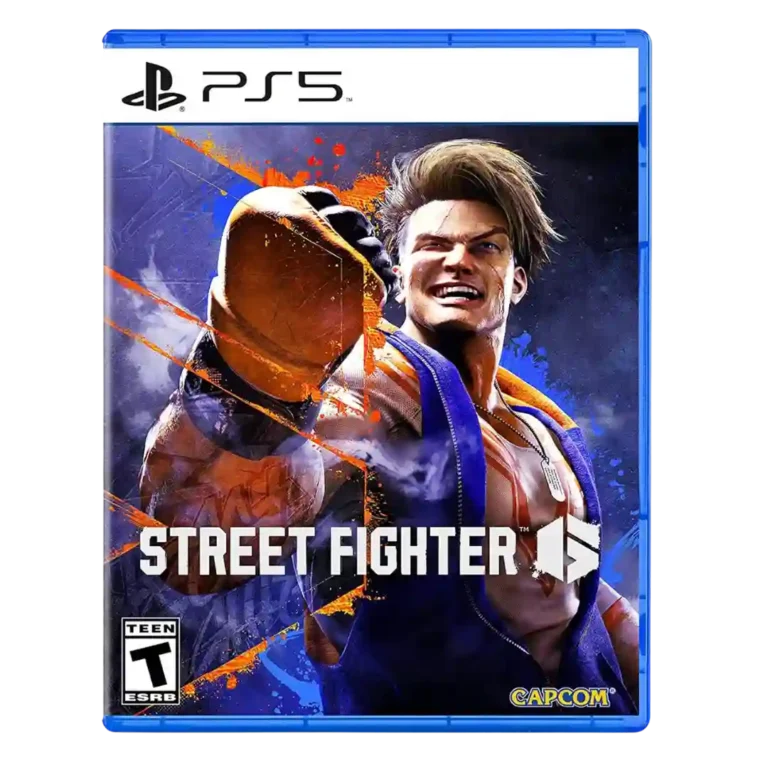
Street Fighter 6

Street Fighter 6 Review

Brand: Capcom
Released: June 2, 2023
Updated: 1 week ago
4.0
Consolidated expert score
321
Review insights
78
Scored features
26
Expert reviews

Bottom Line

Choose Street Fighter 6 for deep, accessible fights, strong online play, and lots of modes. Skip if you dislike World Tour grind, premium-currency hooks, or weaker performance on older hardware.

Best for

Best for newcomers who want a welcoming entry point and veterans who want deep competitive systems, strong training tools, and reliable online play. It also suits players who enjoy avatar customization and arcade-style social spaces.

Not for

Not for players who mainly want a polished story campaign or dislike grinding through RPG-style progression. It may also frustrate anyone sensitive to battle passes, premium currency, or weaker World Tour performance.

Verdict

Street Fighter 6 is portrayed as a rare fighting-game package that satisfies both newcomers and experts. Reviewers consistently praised the Drive system for giving every round immediate tactical options, while Modern controls, tutorials, and World Tour lower the barrier to entry without erasing competitive depth. The tradeoff is that its most ambitious single-player mode is also its least even: World Tour is charming, expansive, and useful as a teaching tool, but its story, pacing, grind, and performance can drag. Battle Hub and online play fare much better, creating a strong arcade-like social space backed by reliable netcode. The biggest lingering concern is monetization, with battle-pass and premium-currency systems feeling out of place beside an otherwise generous game.

Compared in Reviews

Products reviewers directly compared with this model, grouped into quick takeaways.

Street Fighter 5

  • Worse: Xbox-era franchise comeback The Xbox review presents Street Fighter 6 as a stronger return after Street Fighter 5's absence from Xbox.
  • Worse: launch completeness and package strength The reviewer contrasts Street Fighter 6's complete package with Street Fighter 5's half-finished launch.
  • Worse: feature richness at launch The reviewer frames Street Fighter 6 as the content-rich opposite of Street Fighter 5's disappointing launch.

Mortal Kombat 1

  • Compared: cosmetic monetization The post-launch review compares Street Fighter 6's aggressive cosmetic monetization with other recent fighters.
  • Compared: benchmark for future fighting games The reviewer says Mortal Kombat 1 has a lot to live up to after Street Fighter 6.

Tekken 8

  • Compared: cosmetic monetization The post-launch review groups Street Fighter 6's cosmetic monetization with Tekken 8 and other recent releases.
  • Compared: benchmark for future fighting games The reviewer says future fighters such as Tekken 8 have a high bar to meet after Street Fighter 6.

Feature Scorecards

Summary

78 reviewed features
  • Very positive 4.5-5.0 47% 37 features
  • Positive 3.5-4.4 23% 18 features
  • Neutral 2.5-3.4 21% 16 features
  • Negative 1.5-2.4 9% 7 features
  • Very negative below 1.5 0% 0 features

Pros

  • 5.0
    based on 6 reviews
    art direction: 5.0, based on 6 reviews
    Art direction was a major strength, with repeated praise for the graffiti, hip-hop, urban, and colorful visual identity.
  • 5.0
    based on 2 reviews
    visual effects quality: 5.0, based on 2 reviews
    Visual effects, especially paint-splatter and Drive Impact effects, were consistently praised.
  • 5.0
    based on 1 review
    animation quality: 5.0, based on 1 review
    Animation quality stood out through expressive character movement and polished fight presentation.
  • 5.0
    based on 1 review
    atmosphere: 5.0, based on 1 review
    The atmosphere captured an arcade/community feeling that several reviewers found nostalgic and energizing.
  • 5.0
    based on 1 review
    DLC value: 5.0, based on 1 review
    DLC value was strongest for the Years 1-2 Fighters Edition, which bundled characters at a better value.
  • 5.0
    based on 1 review
    immersion: 5.0, based on 1 review
    Immersion benefited from World Tour and Battle Hub, with reviewers calling it the franchise's most immersive entry.
  • 5.0
    based on 1 review
    movement feel: 5.0, based on 1 review
    The fighting feel was described as fluid, logical, natural, and easy to pick up without losing depth.
  • 4.9
    based on 7 reviews
    onboarding experience: 4.9, based on 7 reviews
    Onboarding was consistently strong because World Tour, guides, and Modern controls taught fundamentals without isolating newcomers.
  • 4.9
    based on 13 reviews
    content variety: 4.9, based on 13 reviews
    Content variety was a major strength, with reviewers emphasizing the breadth of modes, training, arcade, online, and offline extras.
  • 4.9
    based on 5 reviews
    replay value: 4.9, based on 5 reviews
    Replay value was very high thanks to ranked play, Battle Hub, training, World Tour completion, and long-term competitive depth.
  • 4.9
    based on 7 reviews
    gameplay mechanics: 4.9, based on 7 reviews
    Reviewers praised the Drive-era mechanics as deep, flexible, and satisfying, with post-launch updates adding meaningful tactical changes.
  • 4.9
    based on 17 reviews
    combat system: 4.9, based on 17 reviews
    Combat earned the strongest praise: reviewers highlighted expressive Drive options, strategic meter use, and satisfying risk-reward decisions.
  • 4.9
    based on 13 reviews
    fun factor: 4.9, based on 13 reviews
    Fun factor was extremely high, with reviewers repeatedly calling matches, modes, and systems exciting or addictive.
  • 4.8
    based on 12 reviews
    tutorial quality: 4.8, based on 12 reviews
    Tutorials and training tools were among the most acclaimed parts of the package, often called best-in-class.
  • 4.8
    based on 3 reviews
    core gameplay loop: 4.8, based on 3 reviews
    The core loop was repeatedly described as quick, satisfying, addictive, and hard to put down.
  • 4.8
    based on 12 reviews
    character roster: 4.8, based on 12 reviews
    The roster was widely praised as balanced, varied, stylish, and strong for both returning and new characters.
  • 4.8
    based on 19 reviews
    accessibility options: 4.8, based on 19 reviews
    Accessibility was a standout, with Modern/Dynamic controls and approachable design repeatedly praised for welcoming new players.
  • 4.8
    based on 6 reviews
    community features: 4.8, based on 6 reviews
    Community features were praised through Battle Hub's arcade feel, rival/friend tools, and social gathering design.
  • 4.8
    based on 4 reviews
    faithfulness to franchise: 4.8, based on 4 reviews
    Faithfulness to the franchise was strong because reviewers felt the game honored Street Fighter while moving it forward.
  • 4.7
    based on 5 reviews
    multiplayer design: 4.7, based on 5 reviews
    Multiplayer design was praised for Battle Hub, ranked/casual paths, and flexible ways to fight without forcing the social lobby.
  • 4.7
    based on 5 reviews
    sandbox freedom: 4.7, based on 5 reviews
    Avatar and moveset customization were major positives, letting players build intentionally wild or broken fighters.
  • 4.7
    based on 3 reviews
    world-building: 4.7, based on 3 reviews
    World-building was praised for making Metro City and the broader Street Fighter universe feel lived-in and connected.
  • 4.6
    based on 8 reviews
    value for money: 4.6, based on 8 reviews
    Value for money was high because reviewers saw a large, feature-rich package with offline, online, and edition-specific value.
  • 4.6
    based on 5 reviews
    controls responsiveness: 4.6, based on 5 reviews
    Responsiveness was strong across most versions, though weaker platforms and connections could still affect the feel.
  • 4.6
    based on 5 reviews
    mission variety: 4.6, based on 5 reviews
    Mission variety was positive when minigames and combat lessons taught mechanics, but not all mission structures stayed fresh.
  • 4.5
    based on 2 reviews
    enemy variety: 4.5, based on 2 reviews
    Enemy variety in World Tour was praised for teaching matchups and adding amusing oddball opponents.
  • 4.5
    based on 2 reviews
    voice acting: 4.5, based on 2 reviews
    Voice and commentary features were liked when they made fights feel more like events, though repetition was a caveat elsewhere.
  • 4.5
    based on 1 review
    class balance: 4.5, based on 1 review
    Class or archetype balance was praised through comments that every character had viable strengths and weaknesses.
  • 4.5
    based on 1 review
    dialogue quality: 4.5, based on 1 review
    Dialogue and small master interactions were warmly received, especially casual chats and text-message moments.
  • 4.5
    based on 1 review
    economy and resource balance: 4.5, based on 1 review
    The Drive Gauge's resource design was praised as a balanced risk-reward system with meaningful consequences.
  • 4.5
    based on 1 review
    emotional impact: 4.5, based on 1 review
    Some reviewers described a genuine emotional response to the character redesigns and franchise comeback.
  • 4.5
    based on 1 review
    endgame content: 4.5, based on 1 review
    Endgame content centered on ranked play and ongoing improvement, which reviewers saw as a long-term grind.
  • 4.5
    based on 1 review
    innovation: 4.5, based on 1 review
    Innovation was praised in the open-world RPG structure, accessibility ideas, and Drive system.
  • 4.5
    based on 1 review
    originality: 4.5, based on 1 review
    Originality came through World Tour's unusual fighting-game RPG structure and the full package's fresh approach.
  • 4.5
    based on 1 review
    sound design: 4.5, based on 1 review
    Sound design was praised for adding impact through fight shouts, hits, and combat audio.
  • 4.5
    based on 15 reviews
    online stability: 4.5, based on 15 reviews
    Online stability was a clear strength, with reviewers repeatedly praising netcode and smooth connections, despite isolated issues.
  • 4.5
    based on 10 reviews
    graphics quality: 4.5, based on 10 reviews
    Graphics were generally praised, though Switch, PS4, and World Tour performance/visual compromises were noted.
  • 4.3
    based on 6 reviews
    competitive balance: 4.3, based on 6 reviews
    Competitive balance was viewed positively overall, especially the Drive system, Modern tradeoffs, and later character viability.
  • 4.3
    based on 3 reviews
    learning curve: 4.3, based on 3 reviews
    The learning curve was considered manageable because the game has depth but gives players practical tools to improve.
  • 4.3
    based on 3 reviews
    side character depth: 4.3, based on 3 reviews
    Side-character depth was a pleasant surprise, especially through master relationships and smaller personal interactions.
  • 4.3
    based on 8 reviews
    social features: 4.3, based on 8 reviews
    Social features were one of the game's identity points, from avatars and chat to spectating and lobby interactions.
  • 4.3
    based on 4 reviews
    environmental detail: 4.3, based on 4 reviews
    Environmental detail was strong in stages and city presentation, though older hardware reduced background liveliness.
  • 4.3
    based on 2 reviews
    handheld play suitability: 4.3, based on 2 reviews
    Handheld suitability was positive on Switch 2, though World Tour and visual compromises limited the result.
  • 4.3
    based on 2 reviews
    seasonal content quality: 4.3, based on 2 reviews
    Seasonal content quality was positive in post-launch coverage, especially for well-received guest and returning fighters.
  • 4.3
    based on 2 reviews
    world interactivity: 4.3, based on 2 reviews
    Reviewers enjoyed the ability to fight nearly anyone and interact with the world in silly, playful ways.
  • 4.2
    based on 3 reviews
    soundtrack quality: 4.2, based on 3 reviews
    Soundtrack reactions were mostly positive, with a few reservations about specific new character themes.
  • 4.1
    based on 15 reviews
    open-world design: 4.1, based on 15 reviews
    World Tour was broadly welcomed as an ambitious single-player RPG mode, though reviewers varied on its execution and polish.
  • 4.0
    based on 3 reviews
    family friendliness: 4.0, based on 3 reviews
    Family or casual-group play was supported by Dynamic controls, party-style modes, and approachable local play.
  • 4.0
    based on 2 reviews
    matchmaking quality: 4.0, based on 2 reviews
    Matchmaking was mostly quick and smooth, but ranked matchmaking concerns appeared in one later player-focused review.
  • 4.0
    based on 1 review
    character development: 4.0, based on 1 review
    Character development showed up in master bonds and arcade/world interactions, but it was not the central narrative strength.
  • 4.0
    based on 1 review
    live-service support: 4.0, based on 1 review
    Live-service support was considered solid after launch, though monetization concerns kept it from being unqualified praise.
  • 4.0
    based on 1 review
    lore depth: 4.0, based on 1 review
    Lore references and Final Fight/Street Fighter connections added flavor for longtime fans.
  • 4.0
    based on 1 review
    server reliability: 4.0, based on 1 review
    Server reliability had a brief private-lobby issue, but the reviewer noted Capcom resolved it quickly.
  • 3.5
    based on 2 reviews
    load times: 3.5, based on 2 reviews
    Load times ranged from extremely quick in stronger versions to sluggish on base PS4 hardware.
  • 3.5
    based on 1 review
    level design: 3.5, based on 1 review
    World Tour's main hubs were appreciated, while smaller global areas were criticized for feeling limited.

Cons

  • 3.3
    based on 5 reviews
    performance optimization: 3.3, based on 5 reviews
    Performance optimization varied sharply by platform and mode, with traditional fights strong but World Tour often weaker.
  • 3.3
    based on 2 reviews
    AI behavior: 3.3, based on 2 reviews
    AI-related features were mixed: V-Rival-style practice was useful, while some World Tour AI behavior drew criticism.
  • 3.0
    based on 1 review
    exploration quality: 3.0, based on 1 review
    Exploration was considered fun in spots but not consistently distinctive compared with other open-world games.
  • 3.0
    based on 1 review
    polish: 3.0, based on 1 review
    Polish was mostly strong, though pop-in and platform-specific compromises prevented a perfect score everywhere.
  • 3.0
    based on 1 review
    progression system: 3.0, based on 1 review
    Progression was criticized for slow style leveling and a drip-feed of unlocks despite giving players plenty to chase.
  • 3.0
    based on 1 review
    skill tree depth: 3.0, based on 1 review
    Skill-tree depth was viewed as functional but basic rather than a major strength.
  • 2.8
    based on 6 reviews
    frame rate stability: 2.8, based on 6 reviews
    Frame-rate stability was excellent in core fights on stronger versions but inconsistent in World Tour, PS4, PC open areas, and Switch 2 exploration.
  • 2.8
    based on 9 reviews
    narrative quality: 2.8, based on 9 reviews
    Narrative quality was the most common creative weakness, with several reviewers calling World Tour's main story weak, dull, or shallow.
  • 2.8
    based on 2 reviews
    menu usability: 2.8, based on 2 reviews
    Menu usability had some friction, especially around settings, friends, and navigation.
  • 2.6
    based on 4 reviews
    monetization fairness: 2.6, based on 4 reviews
    Monetization fairness was the most persistent concern, with several reviewers objecting to premium currency and aggressive cosmetic monetization.
  • 2.6
    based on 5 reviews
    difficulty balance: 2.6, based on 5 reviews
    Difficulty balance was mixed, with some reviewers finding World Tour too easy and others hitting frustrating late-game spikes.
  • 2.5
    based on 3 reviews
    pacing: 2.5, based on 3 reviews
    Pacing was uneven: the main fighting stayed engaging, but World Tour could feel repetitive, grindy, or padded.
  • 2.5
    based on 2 reviews
    platform-specific feature support: 2.5, based on 2 reviews
    Platform-specific features were mixed: touch controls helped on Switch 2, while gyro modes felt more gimmicky than essential.
  • 2.5
    based on 1 review
    fast travel convenience: 2.5, based on 1 review
    Fast travel was useful only after unlocking points; before then, one reviewer felt they ran around aimlessly.
  • 2.5
    based on 1 review
    quest design: 2.5, based on 1 review
    Quest design drew criticism when missions required backtracking and became tedious despite some memorable character interactions.
  • 2.5
    based on 1 review
    user interface design: 2.5, based on 1 review
    User interface design was criticized by at least one reviewer as confusing and harder than it should be.
  • 2.4
    based on 5 reviews
    grind level: 2.4, based on 5 reviews
    Grind level was a recurring drawback in World Tour, especially master/style leveling and late-game stat farming.
  • 2.4
    based on 4 reviews
    mission design: 2.4, based on 4 reviews
    Mission design was mixed to negative because reviewers enjoyed some lessons and minigames but disliked fetch quests and backtracking.
  • 2.1
    based on 4 reviews
    microtransaction impact: 2.1, based on 4 reviews
    Microtransactions were a repeated negative, even when reviewers noted cosmetics did not affect gameplay.
  • 2.0
    based on 1 review
    battle pass value: 2.0, based on 1 review
    Battle pass value was viewed negatively as unnecessary in a paid fighting game.
  • 2.0
    based on 1 review
    platforming precision: 2.0, based on 1 review
    Platforming in World Tour was one of the few clearly criticized mechanical side activities.
  • 2.0
    based on 1 review
    protagonist appeal: 2.0, based on 1 review
    The World Tour avatar/protagonist drew criticism when described as mute and overly errand-focused.
  • 2.0
    based on 1 review
    writing quality: 2.0, based on 1 review
    Writing quality suffered where the story relied on thin characters, predictable twists, or fetch-quest framing.

Compared With Category Average

Compared with other Video Games, this product is above average in tutorial quality, DLC value, competitive balance, below average in protagonist appeal, platform-specific feature support, writing quality.

Summary

8 compared features
  • Above average 0.4+ pts higher 38% 3 features
  • Same as average within 0.3 pts 0% 0 features
  • Below average 0.4+ pts lower 63% 5 features
Attribute This product Category average Difference
protagonist appeal 2.0 3.9 -1.9
tutorial quality 4.8 3.4 +1.5
platform-specific feature support 2.5 4.1 -1.6
writing quality 2.0 3.6 -1.6
DLC value 5.0 3.5 +1.5
competitive balance 4.3 3.0 +1.3
frame rate stability 2.8 4.0 -1.2
fast travel convenience 2.5 3.8 -1.3

FAQ

Is Street Fighter 6 good for beginners?

Yes. Reviewers repeatedly praised Modern controls, tutorials, character guides, and World Tour for making the game approachable without removing depth.

Does Street Fighter 6 still satisfy competitive players?

Yes. The Drive system, training mode, ranked play, roster variety, and strong online play were all highlighted as reasons experienced players have plenty to master.

What is the biggest weakness?

World Tour is the most mixed piece. Reviewers liked its ambition and teaching value, but criticized its weak story, grind, uneven pacing, and some performance issues.

How is the online play?

Most reviewers described the netcode and online matches as smooth or excellent, though there were isolated concerns around ranked matchmaking, server load, and lag on weaker setups.

Are the microtransactions a problem?

They are a common concern. Reviewers disliked the battle pass, Fighter Coins, and aggressive cosmetic monetization, even when they noted that avatar items were not pay-to-win.

Is the roster strong?

Yes. Reviewers repeatedly called the roster balanced, varied, stylish, and full of strong new and returning fighters.

Consider This Instead

If you want better writing quality

Choose Donkey Kong Bananza. It scores 5.0 vs 2.0 for writing quality, with a 4.4 overall score.

Compare

If you want better microtransaction impact

Choose Borderlands 4. It scores 5.0 vs 2.1 for microtransaction impact, with a 3.6 overall score.

Compare

If you want better protagonist appeal

Choose Cabernet. It scores 5.0 vs 2.0 for protagonist appeal, with a 3.9 overall score.

Compare

If you want better mission design

Choose Absolum. It scores 5.0 vs 2.4 for mission design, with a 4.3 overall score.

Compare

Overall Top Video Games Alternatives

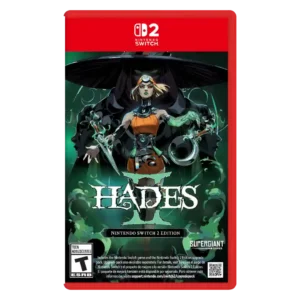
#1 Hades II
4.5
25 reviews

Good if you want fast, tactical roguelite combat with huge progression depth, striking art, and standout music. Skip it if repetition, resource micromanagement, or a less emotionally satisfying sequel story...

Pros: skill tree depth, dialogue quality

Cons: emotional impact, economy and resource balance
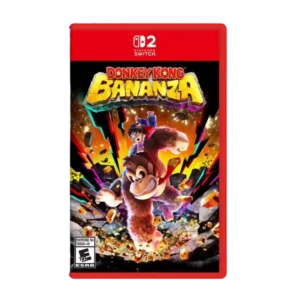
#2 Donkey Kong Bananza
4.4
30 reviews

Best for joyful destruction, dense exploration, and a charming DK-Pauline adventure. Skip it if camera quirks, frame-rate dips, easy bosses, or premium Switch 2 pricing are dealbreakers.

Pros: gameplay mechanics, world interactivity

Cons: economy and resource balance, enemy variety
#3 Death Stranding 2: On the Beach
4.3
30 reviews

Choose Death Stranding 2 if you want a gorgeous, stranger, more action-friendly delivery epic with powerful performances. Skip it if fetch quests, Kojima exposition, reduced tension, or easier traversal undercut...

Pros: animation quality, facial animations

Cons: quest design, AI behavior

#4 Dragon Quest I & II HD-2D Remake
4.3
30 reviews

Choose it if you want classic turn-based Dragon Quest modernized with richer stories, gorgeous HD-2D visuals, and helpful quality-of-life options. Skip it if random encounters, grinding, or occasional difficulty spikes...

Pros: visual effects quality, environmental detail

Cons: AI behavior, level design