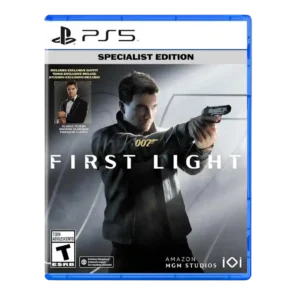
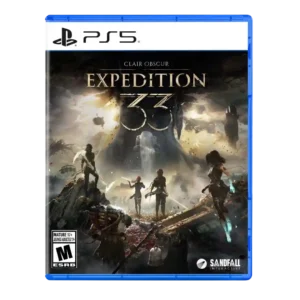
Accessibility support is present, with optional help for combat inputs noted in at least one review.
Enemy AI is a concern in the ScreenHub preview, where guards were described as staring too long at distractions and not reacting realistically.
Aiming evidence centers on Focus or instinct systems that slow time, allow perfect shots, incapacitate legs, disarm enemies, and support marksman-style shooting.
Free-aim shots that target enemy weak points are praised as a useful and satisfying combat option.
Animation evidence is limited but positive, with melee combat described as fluid in a previewed action sequence.
Animation quality is a mild blemish rather than a disaster, as some cutscene animations are said to misfire despite the overall presentation.
Art direction is praised through lighting, Bond-style fashion, visual style, opening-credit imagery, and a strong sense of sartorial Bond identity.
Art direction is one of the game’s most celebrated features, with multiple reviews praising its striking French-inspired visual identity.
Atmosphere is praised for Bond film chic, style, cinematography, classic opening-credit imagery, and music that feels quintessentially Bond.
The environments are described as dripping with atmosphere, underscoring how mood-heavy the presentation feels.
Optional superbosses and late encounters are specifically praised, making boss design one of the clearer strengths.
Bugginess exists but is usually framed as occasional jank rather than constant failure, outside of separate crash reports.
Camera-related evidence is limited and mixed, with one preview saying busy third-person action caused some of the shootout to get lost in the midground.
Camera presentation during counters is praised for making precise parries feel especially rewarding.
Character development is a core focus, with reviews emphasizing Bond as a young agent who matures, shapes MI6, learns his role, and gradually becomes the familiar 007.
Character arcs, especially major party members, are said to grow meaningfully over the course of the narrative.
Character roster evidence confirms familiar franchise figures and named cast members, including M, Q, Moneypenny, Greenway, and other supporting roles.
Checkpoint evidence is limited to one demo mention showing the system and many checkpoints in a mission menu.
Checkpoints are seen as fair because deaths usually do not cost too much progress.
Party balance is viewed favorably because reviewers felt encouraged to use more than just one fixed trio.
Combat is repeatedly described as cinematic and improvised, mixing melee, gunplay, parries, environmental takedowns, thrown empty weapons, license-to-kill escalation, and set-piece chaos; one preview found the shootout less clean than driving.
Combat is singled out as a standout strength, with one reviewer calling it one of their favorite turn-based systems ever.
Content variety is supported through stealth, social infiltration, gadgets, car sequences, gunfights, hand-to-hand combat, set pieces, and more than one style of play.
Beyond the main path, reviews mention optional bosses, costumes, journals, and extra challenges, indicating strong content variety.
Evidence emphasizes seamless transitions into gunfights, responsive-feeling combat goals, and the need for quick, fast decision-making during difficult encounters.
The core loop is framed as forward-moving spycraft: plan, improvise, infiltrate, adapt when stealth breaks, and move between systemic objectives and cinematic spectacle.
One review explicitly calls the mix of layered turn-based systems and action elements an outstanding gameplay loop.
Crash stability is mixed: some reviewers report no crashes, while another reports repeated crashes over a long review period.
Dialogue evidence is generally positive but playful, with Bond quips, puns, conversation choices, clues from dialogue, and one preview noting some puns can be excruciating while still funny.
Dialogue is praised for sounding natural and conversational rather than stiff or overly expository.
Difficulty evidence shows attempts to balance stealth, combat, resources, armor, and enemy resistance, including limits on gadget use and enemies that cannot always be bluffed.
Difficulty ramps toward a satisfying balance, rewarding mastery of parries and dodges instead of brute forcing encounters.
Driving receives generally positive preview evidence for Bond-style chases, drifting, shortcuts, rubber-on-road feel, and cinematic speed, though one early chase was described as long and somewhat overextended.
Resource balance evidence focuses on gadget resources found in the environment and meters that limit gadget or charm use so players cannot spam powerful options.
Resource and build management are seen as well balanced, with the Picto/Lumina structure offering flexibility without constant inventory churn.
Emotional impact evidence is aspirational but present, with developers hoping players laugh, almost tear up, and remember the experience; one writer also found the young-Bond theme relatable.
Several reviews stress that the story hits hard emotionally, especially around grief, catharsis, and human connection.
Endgame support is strong, with reviewers citing postgame challenges, long optional content, and New Game Plus difficulty extensions.
Enemy variety evidence is limited to harder enemies, armored soldiers, tenacious leaders, and opponents who cannot always be bluffed or charmed.
Enemy encounters stay fresh largely because reviewers note meaningful variety in how foes behave and attack.
Environmental detail is praised through carved tire tracks, active NPC scenes, living spaces, and small visual details that make the world feel busy.
Areas are described as richly detailed, with individual regions feeling distinct rather than recycled.
Exploration evidence points to scouting, surveying, secrets, multiple pathways, and environments that reward looking for resources, clues, routes, and opportunities.
Exploring the world map is repeatedly framed as enjoyable, especially as traversal upgrades unlock more places to revisit and uncover.
Subtle expressions are specifically praised for helping scenes feel grounded and emotionally credible.
Faithfulness is one of the strongest areas, with repeated praise for Bond charm, gadgets, cars, music, cinematic set pieces, franchise iconography, and the sense that the game feels distinctly Bond.
Travel gets easier over time thanks to shortcuts that help connect the world map and revisit earlier areas.
Flying-related evidence focuses on a plane sequence where Bond banks the aircraft left and right or tilts it in real time to shift cargo and enemies.
Frame-rate stability is a direct concern in one preview, which reported severe drops during explosion-heavy action scenes.
Frame rate is not flawless, with reported drops in quality mode even as the overall presentation remains impressive.
Fun factor evidence is limited but enthusiastic, with one gameplay reaction describing the chaos as silly in the best way.
Combat is described as a blast, reinforcing that the game is not just admirable but actively fun to play.
Evidence describes a systems-heavy spy game built around gadgets, social stealth, improvisation, multiple approaches, and Hitman-like problem solving expanded into Bond-style action.
Reviews describe the turn-based foundation plus reactive dodges/parries as engaging mechanics that keep battles active on both player and enemy turns.
Graphics are repeatedly praised as cinematic, film-like, beautiful, highly polished, ray-traced, and possibly IO Interactive’s prettiest work, though this remains preview footage.
Visual fidelity is consistently praised, with at least one reviewer saying the game looks phenomenal in both performance and quality modes.
The critical path is praised for avoiding filler, suggesting the game stays lean instead of turning into a long grind.
The story leans dark enough that one reviewer says grimdark fans will be in their element.
HUD clarity is supported by the Q-watch/Q-lens integration and praise for the watch being cleanly integrated into the HUD.
HUD readability is a weak point, especially for smaller text and menu elements.
Immersion is a clear strength in previews that describe feeling transported into a Bond movie and reacting strongly to the Bond tone during gameplay footage.
Immersion is strong, with reviewers calling the game engrossing and easy to emotionally invest in.
Innovation evidence is limited but strong in one deep dive, which argues IO’s approach could change how Bond games and spy games are perceived.
Reviews praise Sandfall for introducing novel mechanics rather than simply copying older JRPG ideas.
The systems are considered complex but not overwhelming, suggesting a learning curve with depth rather than total opacity.
Level design evidence highlights systemic, environment-driven spaces with multiple pathways, NPC conversations, opportunities, security weaknesses, and player-driven routes.
Level design earns praise for unique areas, though other reviews elsewhere note navigation issues rather than lack of visual identity.
Live-service evidence is limited to Tac Sim updates and new post-launch challenge content, not a full live-service campaign structure.
Loot evidence is limited but present, with drawers, cabinets, containers, and environmental supplies described as sources of resources, ammunition, or situational tools.
Loot is described as straightforward but useful, centered on weapon variety and build-shaping equipment rather than clutter.
Lore evidence focuses on the Bond universe being updated through technology, AI, espionage threats, and source-material details rather than only nostalgia.
Collectible journals and expedition remnants add meaningful backstory, helping the wider setting feel deeper than the main plot alone.
Navigation evidence centers on building a mental map of pathways, scouting routes, and understanding available tactical options without drawing attention.
Navigation is mixed: some reviewers got lost in levels, while others appreciated map markers that keep the critical path readable.
Menu navigation is a recurring pain point once systems and options pile up.
Microtransactions are explicitly absent in the cited review, which is framed as a major positive.
Mission design is praised for open-ended infiltration, multiple paths to objectives, spyplay mixed with action, and story-driven objectives, especially the hotel, gala, and airfield sequences.
Mission variety evidence includes several global levels, a mix of linear and open missions, spyplay, car chases, airfield combat, plane action, and gala infiltration.
Monetization is praised implicitly because one review highlights the game as a $50 single-player release with no microtransactions.
Bond is described as more nimble and forward-moving than Agent 47, with smooth cover movement and momentum even when plans fall apart.
Traversal is described as fun at a basic level, with jumping, climbing, and grappling giving movement some energy.
Narrative evidence emphasizes a modern Bond origin story, a young reckless recruit, the shaping of Bond into 007, and themes of technology, trust, risk, and identity.
The story is consistently described as a major strength and one of the best reasons to play.
The opening hours are praised for establishing stakes quickly and getting players into the action fast.
The review evidence explicitly says the game is not open world; its structure is mission-based rather than a continuous open-world design.
The overworld earns praise for its classic RPG structure and optional discoveries, even if it is not a fully open sandbox.
Originality is supported by the game being an original Bond canon story, not simply Uncharted with Bond or a Hitman reskin, though some preview caveats remain.
Multiple reviews frame the game as genuinely unique even while drawing from familiar RPG influences.
Pacing is mixed: previews describe slow, methodical infiltration followed by major action spikes, while some coverage says the car chase lasts too long or becomes personally frustrating.
Pacing is frequently highlighted as a strength, with the game moving quickly while still leaving room for optional detours.
Performance evidence is mixed: some sources mention DLSS, PSSR, 60 fps goals, and polish time, while preview footage also showed frame drops and hitches.
At least one review reports strong performance numbers on PC, suggesting generally solid optimization on that setup.
Platform evidence includes DLSS4, multi-frame generation, PS5 Pro optimization, and broad launch-platform support in the reviewed material.
Platforming is a weak spot, with one reviewer calling it very finicky and not good at all.
Polish is a major caveat, with coverage noting rough edges and also pointing to remaining optimization time before release.
Polish is viewed positively overall, with reviews calling the package polished even if some technical rough edges remain.
Progression evidence comes from Tac Sim-style rewards, where XP can be earned and spent on gadget upgrades, firearms, and outfits.
Progression is praised for giving players many meaningful ways to build their party through attributes, weapons, and systems like Pictos/Lumina.
Patrick Gibson’s younger Bond is repeatedly framed as charming, witty, reckless, dynamic, and compelling enough to make several previews more interested in playing.
Gustave is explicitly described as wonderfully likable, pointing to a strong lead-character hook.
Puzzle-style play appears in environmental problem solving, planning routes, adapting when plans fail, and using gadgets or tactical options to avoid direct combat.
Puzzleing is barely present according to one review, suggesting puzzle design is minimal rather than a major feature.
Optional quests are viewed positively in at least one review, with comparisons to classic Final Fantasy side content.
Replay value is supported by mission modifiers, Tac Sim challenges, leaderboards, XP rewards, replaying missions, and post-launch challenge updates.
Replay value looks strong for invested players, with at least one reviewer immediately wanting another playthrough.
Sandbox freedom is supported by repeated mentions of multiple solutions, several routes, player choice, creative infiltration, and objectives that can be approached in different ways.
Reviews emphasize that party members feel human and that the game makes space for their motivations and personalities.
Skill trees are described as diverse enough to support real build variety without every character feeling interchangeable.
Social-feature evidence is limited to Tac Sim performance comparison against other agents around the world, functioning more like leaderboards than broad community tools.
Sound design evidence is narrower, with one preview saying the gunplay sounds amazing.
Sound design is mostly praised for combat feedback, though at least one review criticizes weak traversal footstep audio.
Soundtrack evidence is strong for Bond-style music, opening-credit music, classic score cues, and a moody theme-song presentation.
The soundtrack is one of the most universally praised elements, with multiple reviews calling it exceptional or even all-time great.
Stealth is strongly supported across the review set, with blending into crowds, eavesdropping, social stealth, bluffing, distractions, gadgets, silent takedowns, and alternate infiltration routes.
Tutorialization is viewed positively because new character systems are explained carefully when they are introduced.
Upgrade evidence is tied to XP spending on gadget upgrades, firearms, and outfits, with repeated trailer coverage of gadget development and post-mission growth.
Upgrade materials are reported as generous enough that thorough exploration keeps weapon upgrading moving comfortably.
UI evidence centers on the watch and scan systems highlighting options, distractions, and misdirection during stealth or infiltration.
UI design is stylish but divisive, with praise for presentation offset by complaints that clutter can get in the way.
At least one review argues the game delivers strong value by coming in below the standard big-budget price.
Vehicle evidence includes Jaguar, Aston Martin cars, iconic Bond vehicles, numerous Aston Martins, and broader vehicle gameplay mentions.
Visual effects are mixed: opening-credit imagery, smoke, damage, and car effects are praised, while one preview criticizes distracting motion blur.
Particle effects and flashy combat flourishes are highlighted as a major part of the game’s visual spectacle.
Voice and performance evidence is positive, with praise for acting, superb voice work, and Patrick Gibson’s energy as Bond.
Voice performances from the cast are repeatedly treated as a major asset that helps the story land emotionally.
World-building evidence centers on a modern MI6, a risk-averse data-driven era, Bond’s origin, and the spy world he is entering.
World-building is a standout, with reviewers treating the setting itself as a memorable character full of identity and mystery.
World interactivity is one of the clearest strengths, with destructible elements, gadgets, guard distractions, environmental weapons, explosive objects, surfaces, panels, and objects that can change combat or infiltration outcomes.
Writing quality is supported mainly by coverage of believable thematic depth and the attempt to give young Bond a modern, character-driven story.
Writing is praised for being among the best in games by one review, especially in how it handles character and theme.