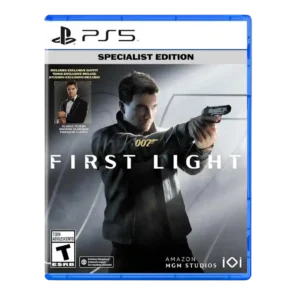
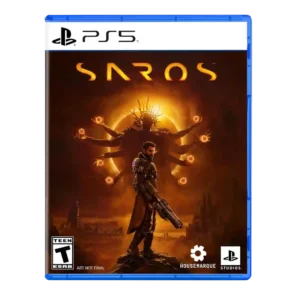
Evidence points to strong accessibility support, including challenge tailoring, hue-shifted projectiles, visual recoloring, and an override for modifier balance.
Enemy AI is a concern in the ScreenHub preview, where guards were described as staring too long at distractions and not reacting realistically.
Aiming evidence centers on Focus or instinct systems that slow time, allow perfect shots, incapacitate legs, disarm enemies, and support marksman-style shooting.
The available evidence points to generous tracking and aiming support, making the arcade shooter feel easier to read and manage during fast combat.
Animation evidence is limited but positive, with melee combat described as fluid in a previewed action sequence.
Animation quality is mixed. Performance capture receives praise, but character animation outside cutscenes is described as stiff.
Art direction is praised through lighting, Bond-style fashion, visual style, opening-credit imagery, and a strong sense of sartorial Bond identity.
Art direction is consistently strong, with praise for biomechanical architecture, alien environments, cosmic-horror imagery, and visually distinct biomes.
Atmosphere is praised for Bond film chic, style, cinematography, classic opening-credit imagery, and music that feels quintessentially Bond.
Atmosphere is a major strength, with reviews describing unnerving dread, cosmic horror, and a hostile alien world that supports the mystery.
Bosses are repeatedly described as memorable, challenging, visually striking, and a highlight. Some caveats mention long bosses, weaker early fights, or boss-run friction, but the overall evidence is highly positive.
Camera-related evidence is limited and mixed, with one preview saying busy third-person action caused some of the shootout to get lost in the midground.
Camera behavior has limited evidence but is positive, with one review saying camera controls rotate quickly enough without becoming disorienting.
Character development is a core focus, with reviews emphasizing Bond as a young agent who matures, shapes MI6, learns his role, and gradually becomes the familiar 007.
One review directly praises Arjun’s character development as captivating across the game, supporting a strong score with limited but clear evidence.
Character roster evidence confirms familiar franchise figures and named cast members, including M, Q, Moneypenny, Greenway, and other supporting roles.
Checkpoint evidence is limited to one demo mention showing the system and many checkpoints in a mission menu.
Checkpoints and run structure are praised for shorter sessions, biome portals, teleportation shortcuts, and more generous run management.
Combat is repeatedly described as cinematic and improvised, mixing melee, gunplay, parries, environmental takedowns, thrown empty weapons, license-to-kill escalation, and set-piece chaos; one preview found the shootout less clean than driving.
The combat is the most consistently praised area, with reviewers calling out bullet-hell intensity, aggressive shield play, precise dodging, parrying, and flow-state shooting. The few caveats focus on repetition or demanding difficulty rather than the core feel.
Content variety is supported through stealth, social infiltration, gadgets, car sequences, gunfights, hand-to-hand combat, set pieces, and more than one style of play.
The scored evidence supports good variety through weapon types, artifacts, roguelite sections, and different hand-crafted areas, though this is more about action content than modes.
Evidence emphasizes seamless transitions into gunfights, responsive-feeling combat goals, and the need for quick, fast decision-making during difficult encounters.
Reviewers generally describe control feel as excellent, citing flawless movement, hyper-responsive inputs, strong tactile feedback, and precise shooting. One review notes minor control snafus elsewhere, but the scored evidence is strongly positive overall.
The core loop is framed as forward-moving spycraft: plan, improvise, infiltrate, adapt when stealth breaks, and move between systemic objectives and cinematic spectacle.
The repeated run structure, death-and-rebirth cycle, and steady return to combat are presented as highly engaging. Reviews connect the loop to satisfying action, momentum, and the constant pull to try another run.
Dialogue evidence is generally positive but playful, with Bond quips, puns, conversation choices, clues from dialogue, and one preview noting some puns can be excruciating while still funny.
Dialogue evidence is mixed: one review praises story delivery through dialogue and logs, while another says optional dialogue can feel unnatural when backlogged.
Difficulty evidence shows attempts to balance stealth, combat, resources, armor, and enemy resistance, including limits on gadget use and enemies that cannot always be bluffed.
Most reviews describe Saros as challenging but fair, with useful modifiers and accessibility-minded tuning. The main criticism is that progression and modifiers can make the challenge easier to overcorrect.
Driving receives generally positive preview evidence for Bond-style chases, drifting, shortcuts, rubber-on-road feel, and cinematic speed, though one early chase was described as long and somewhat overextended.
Resource balance evidence focuses on gadget resources found in the environment and meters that limit gadget or charm use so players cannot spam powerful options.
Resource balance is mostly positive because reviews praise permanent resources and death carryover, but one review says currency can become abundant enough to weaken challenge.
Emotional impact evidence is aspirational but present, with developers hoping players laugh, almost tear up, and remember the experience; one writer also found the young-Bond theme relatable.
Emotional response is mixed to limited. Reviews mention thoughtful story material, but also note that the narrative did not fully create emotional investment.
Endgame-specific evidence is limited and cautious, with one review wishing for a dedicated post-game activity after finishing the main story.
Enemy variety evidence is limited to harder enemies, armored soldiers, tenacious leaders, and opponents who cannot always be bluffed or charmed.
Reviewers cite varied enemy types, evolving biome threats, and changing enemy behavior across biomes. The evidence supports strong enemy variety in combat contexts.
Environmental detail is praised through carved tire tracks, active NPC scenes, living spaces, and small visual details that make the world feel busy.
Evidence supports strong environmental detail through trepidation-filled biomes, visual contrast, and carefully designed spaces that support readability.
Exploration evidence points to scouting, surveying, secrets, multiple pathways, and environments that reward looking for resources, clues, routes, and opportunities.
Evidence highlights hidden paths, treasures, and backtracking incentives tied to newly unlocked traversal abilities.
Facial animation is a notable caveat, with reviews saying in-game faces or conversation models sometimes fail to match the emotional strength of the performances.
Faithfulness is one of the strongest areas, with repeated praise for Bond charm, gadgets, cars, music, cinematic set pieces, franchise iconography, and the sense that the game feels distinctly Bond.
Fast travel is strongly praised. Reviews note that players can return to unlocked biomes, skip earlier areas, and keep later runs from becoming too long.
Flying-related evidence focuses on a plane sequence where Bond banks the aircraft left and right or tilts it in real time to shift cargo and enemies.
Frame-rate stability is a direct concern in one preview, which reported severe drops during explosion-heavy action scenes.
Most performance evidence is positive, with several reviews reporting near-locked or solid 60fps. Caveats include minor drops or occasional performance hits in specific situations.
Fun factor evidence is limited but enthusiastic, with one gameplay reaction describing the chaos as silly in the best way.
Fun-factor evidence is narrow but very positive, with one preview describing a regular dopamine hit from the gameplay and upgrades.
Evidence describes a systems-heavy spy game built around gadgets, social stealth, improvisation, multiple approaches, and Hitman-like problem solving expanded into Bond-style action.
Multiple reviews describe the shield, projectile absorption, power weapons, parry, modifiers, and bullet-hell structure as the major mechanical additions. The mechanics are consistently framed as deepening the action rather than replacing the familiar Housemarque foundation.
Graphics are repeatedly praised as cinematic, film-like, beautiful, highly polished, ray-traced, and possibly IO Interactive’s prettiest work, though this remains preview footage.
Visual quality is praised across several reviews, especially the UE5 presentation, audiovisual spectacle, landscapes, and overall PS5/PS5 Pro image quality.
Grind and repetition are notable caveats. Two reviews specifically say repetition can wear the player down or begin to settle in.
One review says the game looked and played beautifully on PlayStation Portal, giving limited but positive support for handheld-style play.
DualSense integration is one of the clearest technical strengths, with praise for haptics, adaptive triggers, half-pull firing, and tactile combat feedback.
Horror tension is strong, with evidence centered on dread, madness, terrifying wildlife, and anxiety rather than cheap scares.
HUD clarity is supported by the Q-watch/Q-lens integration and praise for the watch being cleanly integrated into the HUD.
HUD and combat readability are strong, with reviewers praising color-coded attacks, clear projectiles, intuitive readability, and manageable visual communication during chaos.
Immersion is a clear strength in previews that describe feeling transported into a Bond movie and reacting strongly to the Bond tone during gameplay footage.
Immersion is strong in the available evidence, with 3D audio, sound optimization, and uneasy music helping draw players into Carcosa.
Innovation evidence is limited but strong in one deep dive, which argues IO’s approach could change how Bond games and spy games are perceived.
Innovation evidence centers on the Soltari Shield, DualSense/haptic implementation, and added mechanical complexity that build on Returnal rather than merely copy it.
The learning curve is presented as approachable but skill-based, with mechanics taught through trial, error, and getting comfortable with systems like the shield.
Level design evidence highlights systemic, environment-driven spaces with multiple pathways, NPC conversations, opportunities, security weaknesses, and player-driven routes.
Reviewers praise the balance of hand-crafted sections, random arrangement, biome flow, exploration beats, and strong bullet-hell level layouts. One review notes occasional structural issues around boss-run length.
Live-service evidence is limited to Tac Sim updates and new post-launch challenge content, not a full live-service campaign structure.
Load time evidence is narrow but very positive, with one technical review describing transitions as close to instant.
Loot evidence is limited but present, with drawers, cabinets, containers, and environmental supplies described as sources of resources, ammunition, or situational tools.
Artifacts and loot receive mixed reactions. Reviews describe corrupted artifacts and item choices as interesting, but also mention artifact droughts and limited synergy impact.
Lore evidence focuses on the Bond universe being updated through technology, AI, espionage threats, and source-material details rather than only nostalgia.
Readable logs, creepy collectibles, and data entries provide meaningful lore texture. The evidence suggests the lore is stronger than some of the main-story delivery.
Navigation evidence centers on building a mental map of pathways, scouting routes, and understanding available tactical options without drawing attention.
Navigation is a weakness in the available evidence, with one review saying the game does not point players clearly enough to exact destinations.
Menu usability receives a modest score because one review says menu button presses are not snappy despite having a satisfying feel.
Mission design is praised for open-ended infiltration, multiple paths to objectives, spyplay mixed with action, and story-driven objectives, especially the hotel, gala, and airfield sequences.
Mission variety evidence includes several global levels, a mix of linear and open missions, spyplay, car chases, airfield combat, plane action, and gala infiltration.
Bond is described as more nimble and forward-moving than Agent 47, with smooth cover movement and momentum even when plans fall apart.
Movement is repeatedly described as fluid, nimble, smooth, and responsive. Reviews emphasize jumping, dashing, and evasion as central to surviving the bullet-heavy encounters.
Narrative evidence emphasizes a modern Bond origin story, a young reckless recruit, the shaping of Bond into 007, and themes of technology, trust, risk, and identity.
Narrative reactions are mixed. Some reviews praise the mystery, themes, and mechanics-story connection, while others criticize underdeveloped threads, opaque answers, weak side characters, or the story being outpaced by action.
One review says the game teaches its mechanics quickly through trial and error, supporting a positive but narrowly evidenced onboarding score.
The review evidence explicitly says the game is not open world; its structure is mission-based rather than a continuous open-world design.
Originality is supported by the game being an original Bond canon story, not simply Uncharted with Bond or a Hitman reskin, though some preview caveats remain.
Originality is mixed. Saros is praised for improving on its predecessor, but one review also describes it as a familiar retreading of Returnal.
Pacing is mixed: previews describe slow, methodical infiltration followed by major action spikes, while some coverage says the car chase lasts too long or becomes personally frustrating.
One review argues the streamlined run design improves pacing compared with a typical roguelike, especially by reducing lull time and unexpected spikes.
Performance evidence is mixed: some sources mention DLSS, PSSR, 60 fps goals, and polish time, while preview footage also showed frame drops and hitches.
One technical review highlights a strong balance between image quality, visual features, and performance, especially around the 60fps target.
Platform evidence includes DLSS4, multi-frame generation, PS5 Pro optimization, and broad launch-platform support in the reviewed material.
Platform-specific support is strong, especially around PS5 showcase features such as DualSense haptics, spatial audio, and hardware-driven spectacle.
One review specifically praises the consistency of jumping and dashing arcs, supporting a positive score for platforming-related movement precision.
Polish is a major caveat, with coverage noting rough edges and also pointing to remaining optimization time before release.
Polish is generally praised through refined movement, streamlined structure, and an approachable successor design. One review notes pre-release balance concerns, keeping the summary from being flawless.
Progression evidence comes from Tac Sim-style rewards, where XP can be earned and spent on gadget upgrades, firearms, and outfits.
Permanent progression is broadly praised for making deaths feel useful, making Arjun stronger over time, and keeping runs engaging. A minority view argues the meta progression can reduce the roguelike’s sense of skill-driven growth.
Patrick Gibson’s younger Bond is repeatedly framed as charming, witty, reckless, dynamic, and compelling enough to make several previews more interested in playing.
Reviewers generally find Arjun compelling, layered, and well performed, though one review frames him as a flawed and unpleasant figure. The appeal is strongest when tied to Rahul Kohli’s performance and Arjun’s personal drive.
Puzzle-style play appears in environmental problem solving, planning routes, adapting when plans fail, and using gadgets or tactical options to avoid direct combat.
Puzzle evidence is limited but positive, with one review noting light puzzle spaces built around switches and reward gates.
Replay value is supported by mission modifiers, Tac Sim challenges, leaderboards, XP rewards, replaying missions, and post-launch challenge updates.
Several reviews describe wanting to return after credits, trying again after losses, and treating Saros as an easy pickup for Returnal fans. Replay appeal is tied to both combat and unresolved discovery.
Sandbox freedom is supported by repeated mentions of multiple solutions, several routes, player choice, creative infiltration, and objectives that can be approached in different ways.
Save-related evidence is limited to suspend-run functionality, but that feature is praised as making Saros more respectful of time.
Side character depth is a consistent weakness. Reviews describe supporting characters as underdeveloped, sacrificial, stock, or mostly serving Arjun’s story.
Reviews describe the Armor Matrix or skill tree as useful and sometimes exhaustive, though one calls it simple and another frames it as a meta-progression layer rather than deep buildcrafting.
Social-feature evidence is limited to Tac Sim performance comparison against other agents around the world, functioning more like leaderboards than broad community tools.
Sound design evidence is narrower, with one preview saying the gunplay sounds amazing.
Sound design is repeatedly praised, including 3D audio, haunting effects, spatial sound, and overall audio presentation that adds intensity and immersion.
Soundtrack evidence is strong for Bond-style music, opening-credit music, classic score cues, and a moody theme-song presentation.
The soundtrack is praised for pounding, oppressive, drone-metal, and atmospheric qualities that support combat and dread. The evidence is strongly positive across reviews.
Stealth is strongly supported across the review set, with blending into crowds, eavesdropping, social stealth, bluffing, distractions, gadgets, silent takedowns, and alternate infiltration routes.
Tutorial quality is supported by evidence that encounters and trial-and-error teaching prepare players for boss patterns and core mechanics.
Upgrade evidence is tied to XP spending on gadget upgrades, firearms, and outfits, with repeated trailer coverage of gadget development and post-mission growth.
The upgrade evidence is positive overall, with reviewers praising permanent upgrades, proficiency improvements, and Armor Matrix growth as meaningful ways to return stronger.
UI evidence centers on the watch and scan systems highlighting options, distractions, and misdirection during stealth or infiltration.
UI evidence is mixed to weak, with one review saying the UI is good enough while also noting some navigation and equipment-screen clarity issues.
Value evidence is limited but positive, with one review explicitly matching the price they would pay to the listed MSRP.
Vehicle evidence includes Jaguar, Aston Martin cars, iconic Bond vehicles, numerous Aston Martins, and broader vehicle gameplay mentions.
Visual effects are mixed: opening-credit imagery, smoke, damage, and car effects are praised, while one preview criticizes distracting motion blur.
Particle effects and combat VFX are a major strength, with reviews highlighting colorful blasts, fireworks-like battles, and technically impressive particle handling.
Voice and performance evidence is positive, with praise for acting, superb voice work, and Patrick Gibson’s energy as Bond.
Voice acting is strongly praised, especially Rahul Kohli’s lead performance and the broader cast’s ability to bring the story to life.
Weapon balance is generally positive because many weapons feel powerful or viable, but several reviews note exceptions such as disliked shotguns, no-auto-aim variants, or limited build choice.
World-building evidence centers on a modern MI6, a risk-averse data-driven era, Bond’s origin, and the spy world he is entering.
The world-building is praised through Carcosa’s mystery, Echelon history, and environmental/story details. Reviews frame the setting and mystery as worth unraveling even when narrative clarity varies.
World interactivity is one of the clearest strengths, with destructible elements, gadgets, guard distractions, environmental weapons, explosive objects, surfaces, panels, and objects that can change combat or infiltration outcomes.
The scored reviews point to interactive eclipse triggers and traversal-gated hidden paths as meaningful interactions with Carcosa’s world.
Writing quality is supported mainly by coverage of believable thematic depth and the attempt to give young Bond a modern, character-driven story.
The available writing-specific evidence is mixed, noting that the story leaves much for players to interpret rather than clearly resolving every idea.