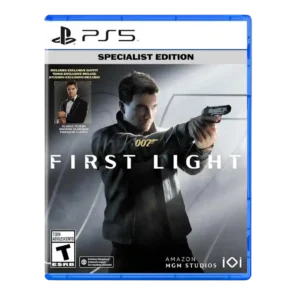

Accessibility is supported through simple controls and TT Games' stated intent not to lose immediacy, with hands-on impressions praising ease of control.
The game is described as accessible without feeling too childish, suggesting the tone can work for younger players while still appealing beyond children.
Enemy AI is a concern in the ScreenHub preview, where guards were described as staring too long at distractions and not reacting realistically.
NPC behavior is described positively where Gotham pedestrians interact with objects instead of wandering aimlessly, suggesting livelier ambient AI in the explored area.
Aiming evidence centers on Focus or instinct systems that slow time, allow perfect shots, incapacitate legs, disarm enemies, and support marksman-style shooting.
Animation evidence is limited but positive, with melee combat described as fluid in a previewed action sequence.
The demo's animation is described as solid, with no deeper animation breakdown beyond that first-hand impression.
Art direction is praised through lighting, Bond-style fashion, visual style, opening-credit imagery, and a strong sense of sartorial Bond identity.
The visual style earns strong praise for its bricky Gotham presentation, neon-and-grime city look, and broad range of Batman suit designs.
Atmosphere is praised for Bond film chic, style, cinematography, classic opening-credit imagery, and music that feels quintessentially Bond.
Atmosphere is supported by Gotham's visual tone and an ambient musical style that reminded one preview of Burton-era Batman films.
Boss design is lightly but positively supported, with one hands-on preview calling the bosses fun and pairing them with chase sequences.
Bug frequency appears low but not absent: one preview reports minor demo bugs that fixed themselves and seemed likely to be cleaned up.
Camera-related evidence is limited and mixed, with one preview saying busy third-person action caused some of the shootout to get lost in the midground.
Camera behavior is supported by developer comments about an immersive camera system carried forward from recent LEGO design changes.
Character development is a core focus, with reviews emphasizing Bond as a young agent who matures, shapes MI6, learns his role, and gradually becomes the familiar 007.
Character development is a clear focus, with comments about upgrading skills, fleshed-out heroes, and Batman-family progression across the story.
Character roster evidence confirms familiar franchise figures and named cast members, including M, Q, Moneypenny, Greenway, and other supporting roles.
Checkpoint evidence is limited to one demo mention showing the system and many checkpoints in a mission menu.
Local co-op is confirmed and framed as available for the entire game, though broader multiplayer limitations affect the overall co-op picture.
Combat is repeatedly described as cinematic and improvised, mixing melee, gunplay, parries, environmental takedowns, thrown empty weapons, license-to-kill escalation, and set-piece chaos; one preview found the shootout less clean than driving.
Combat is one of the strongest repeated positives, described across previews as fluid, Arkham-inspired, punchy, deeper than expected, and very fun.
Companion AI is supported by one hands-on note that a partner can automatically take down a nearby second enemy during stealth.
Content variety is supported through stealth, social infiltration, gadgets, car sequences, gunfights, hand-to-hand combat, set pieces, and more than one style of play.
Content variety looks broad, with action, puzzles, suits, vehicles, collectibles, Batcave customization, open-world activities, and a large Batman-media toybox repeatedly mentioned.
Evidence emphasizes seamless transitions into gunfights, responsive-feeling combat goals, and the need for quick, fast decision-making during difficult encounters.
Controls are consistently praised as straightforward, intuitive, and responsive, with one later preview saying there was nothing to complain about.
The core loop is framed as forward-moving spycraft: plan, improvise, infiltrate, adapt when stealth breaks, and move between systemic objectives and cinematic spectacle.
The core loop is described as deeper than older LEGO games and fun in practice, especially through combat, traversal, puzzles, and exploration.
Couch co-op is treated as part of the LEGO identity, but the supporting review also stresses that online co-op is missing.
Dialogue evidence is generally positive but playful, with Bond quips, puns, conversation choices, clues from dialogue, and one preview noting some puns can be excruciating while still funny.
Dialogue quality has limited but positive evidence, including attention to Red Hood lines that hint at his later identity.
Difficulty evidence shows attempts to balance stealth, combat, resources, armor, and enemy resistance, including limits on gadget use and enemies that cannot always be bluffed.
Difficulty balance appears flexible, with tougher settings, multiple options for different experience levels, and a stricter mode that can fail a mission after repeated deaths.
Deluxe content receives mixed support: one buyer guide values the Mayhem Collection because it adds gameplay content, while another notes that Mayhem mode is locked behind the deluxe edition.
Driving receives generally positive preview evidence for Bond-style chases, drifting, shortcuts, rubber-on-road feel, and cinematic speed, though one early chase was described as long and somewhat overextended.
Driving impressions are positive overall, with previews praising Batmobile travel, handling, and vehicle variety, though one demo player caused a few crashes while driving.
Resource balance evidence focuses on gadget resources found in the environment and meters that limit gadget or charm use so players cannot spam powerful options.
The economy is only lightly supported, with studs identified as the currency for unlocking characters, weapons, vehicles, and other items.
Emotional impact evidence is aspirational but present, with developers hoping players laugh, almost tear up, and remember the experience; one writer also found the young-Bond theme relatable.
Enemy variety evidence is limited to harder enemies, armored soldiers, tenacious leaders, and opponents who cannot always be bluffed or charmed.
Enemy variety is supported by one detailed hands-on preview describing different enemy types that require smarter play and altered tactics.
Environmental detail is praised through carved tire tracks, active NPC scenes, living spaces, and small visual details that make the world feel busy.
Environmental detail is a major strength, with Gotham praised for non-repetitive shops, detailed city dressing, and small interactive touches.
Exploration evidence points to scouting, surveying, secrets, multiple pathways, and environments that reward looking for resources, clues, routes, and opportunities.
Exploration is repeatedly highlighted as a major draw, with Gotham described as fun, dense, vertical, rewarding, and full of activities.
Faithfulness is one of the strongest areas, with repeated praise for Bond charm, gadgets, cars, music, cinematic set pieces, franchise iconography, and the sense that the game feels distinctly Bond.
Faithfulness to Batman is one of the clearest strengths, with coverage emphasizing Arkham influence, Batman-media references, and reverence for the wider franchise.
Family friendliness is supported by the game being described as all-ages, kid-friendly, sanitized, and accessible without becoming too childish.
Flying-related evidence focuses on a plane sequence where Bond banks the aircraft left and right or tilts it in real time to shift cargo and enemies.
Flying and gliding are consistently praised, with previews enjoying rooftop traversal, cape movement, air currents, and strong movement options.
Frame-rate stability is a direct concern in one preview, which reported severe drops during explosion-heavy action scenes.
Fun factor evidence is limited but enthusiastic, with one gameplay reaction describing the chaos as silly in the best way.
Fun factor is very high across hands-on reactions, with several previews calling the demo or game simply fun and immediately engaging.
Evidence describes a systems-heavy spy game built around gadgets, social stealth, improvisation, multiple approaches, and Hitman-like problem solving expanded into Bond-style action.
Gameplay mechanics are described as deeper and broader than older LEGO games while still retaining recognizable LEGO charm and Batman action-adventure structure.
Graphics are repeatedly praised as cinematic, film-like, beautiful, highly polished, ray-traced, and possibly IO Interactive’s prettiest work, though this remains preview footage.
Graphics quality receives positive evidence from the demo, with clean visuals and a fantastic-looking Gotham noted in hands-on coverage.
HUD clarity is supported by the Q-watch/Q-lens integration and praise for the watch being cleanly integrated into the HUD.
HUD scanning is described as useful because Batman can highlight enemies and interactable objects, making the demo easier to read during exploration and combat.
Immersion is a clear strength in previews that describe feeling transported into a Bond movie and reacting strongly to the Bond tone during gameplay footage.
Immersion is supported by developer discussion of a more immersive camera system, though most other evidence is tied to broader Gotham and atmosphere impressions.
Innovation evidence is limited but strong in one deep dive, which argues IO’s approach could change how Bond games and spy games are perceived.
Innovation is supported by repeated descriptions of a new LEGO direction that adds more mature stealth, deeper systems, and a broader Batman-focused structure.
The learning curve appears gentle, with one demo noting that intuitive controls did not take long to pick up.
Level design evidence highlights systemic, environment-driven spaces with multiple pathways, NPC conversations, opportunities, security weaknesses, and player-driven routes.
Level design is praised for larger, more substantial missions and vertical spaces, with one detailed preview describing the demo's open-ended and linear sections.
Live-service evidence is limited to Tac Sim updates and new post-launch challenge content, not a full live-service campaign structure.
Loot evidence is limited but present, with drawers, cabinets, containers, and environmental supplies described as sources of resources, ammunition, or situational tools.
Lore evidence focuses on the Bond universe being updated through technology, AI, espionage threats, and source-material details rather than only nostalgia.
Lore depth is supported by discussion of the game's use of decades of Batman material as a source base.
Navigation evidence centers on building a mental map of pathways, scouting routes, and understanding available tactical options without drawing attention.
Map and navigation design is supported by references to a massive map, multiple islands, and a free-roam structure with collectibles and activities.
Microtransaction impact is supported by one preview stating there are no microtransactions, though other coverage discusses paid deluxe content rather than microtransactions.
Mission design is praised for open-ended infiltration, multiple paths to objectives, spyplay mixed with action, and story-driven objectives, especially the hotel, gala, and airfield sequences.
Mission design is a strong positive, with previews praising a focused microcosm, lengthy missions, original story setup, and one well-structured demo mission.
Mission variety evidence includes several global levels, a mix of linear and open missions, spyplay, car chases, airfield combat, plane action, and gala infiltration.
Mission variety is supported by one hands-on breakdown describing puzzle solving, free roaming, combat approaches, collectibles, and character use inside the mission.
Monetization fairness is cautiously positive in one buyer guide, which says the standard edition should still be valuable despite deluxe extras.
Bond is described as more nimble and forward-moving than Agent 47, with smooth cover movement and momentum even when plans fall apart.
Movement feel is widely praised as snappy, momentum-rich, fluid, and quick, with only one minor gliding-turn caveat elsewhere in the same preview.
Multiplayer design is mixed to weak because local co-op is present, but multiple previews point out that online co-op is not available.
Narrative evidence emphasizes a modern Bond origin story, a young reckless recruit, the shaping of Bond into 007, and themes of technology, trust, risk, and identity.
Narrative quality is praised for blending Batman interpretations, using an original story, covering Batman's origins cohesively, and balancing LEGO humor with serious beats.
Onboarding evidence is limited but positive, with one demo placing players into combat and letting them learn the controls on the fly.
The review evidence explicitly says the game is not open world; its structure is mission-based rather than a continuous open-world design.
Open-world design is one of the strongest areas, with Gotham described as vibrant, deep, broad, larger than prior references, freely explorable, and packed with activities.
Originality is supported by the game being an original Bond canon story, not simply Uncharted with Bond or a Hitman reskin, though some preview caveats remain.
Originality is supported by descriptions of a new chapter for TT Games and hands-on comments that the game feels like its own thing despite Arkham inspiration.
Pacing is mixed: previews describe slow, methodical infiltration followed by major action spikes, while some coverage says the car chase lasts too long or becomes personally frustrating.
Pacing is supported by one detailed preview that calls the demo mission well-paced, moving from open-ended setup into a more linear section.
Performance evidence is mixed: some sources mention DLSS, PSSR, 60 fps goals, and polish time, while preview footage also showed frame drops and hitches.
Performance optimization is supported by one demo impression that found no performance quirks or issues during play.
Platform evidence includes DLSS4, multi-frame generation, PS5 Pro optimization, and broad launch-platform support in the reviewed material.
Platform-specific feature support is uncertain for Switch 2, with one buyer guide noting that version lacked an official release date at the time of recording.
Platforming has limited but positive support, with one preview noting that platforming is back alongside more advanced stealth.
Polish is a major caveat, with coverage noting rough edges and also pointing to remaining optimization time before release.
Polish is strongly supported by one hands-on impression calling the game extremely well polished, despite separate minor demo bugs.
Progression evidence comes from Tac Sim-style rewards, where XP can be earned and spent on gadget upgrades, firearms, and outfits.
Progression is supported through character skill development and collectible-based upgrades, though one hands-on preview preferred a more traditional level-up feel.
Patrick Gibson’s younger Bond is repeatedly framed as charming, witty, reckless, dynamic, and compelling enough to make several previews more interested in playing.
Protagonist appeal is strongly supported by coverage describing the game as a love letter to Batman and his wider media legacy.
Puzzle-style play appears in environmental problem solving, planning routes, adapting when plans fail, and using gadgets or tactical options to avoid direct combat.
Puzzle design is generally positive but slightly mixed, with some praise for gadget-based puzzles and one early preview finding puzzles too simple.
Quest design has limited support through references to side activities, random events, and familiar foes in Gotham.
Replay value is supported by mission modifiers, Tac Sim challenges, leaderboards, XP rewards, replaying missions, and post-launch challenge updates.
Replay value is supported by the large collectible spread, suit unlocks, vehicles, and Batcave props mentioned across previews and buyer guidance.
Sandbox freedom is supported by repeated mentions of multiple solutions, several routes, player choice, creative infiltration, and objectives that can be approached in different ways.
Sandbox freedom is supported by coverage saying Gotham can be explored freely and at the player's own pace.
Side character depth appears stronger than older roster-heavy LEGO games, with sidekicks and Bat-family members described as distinct and varied.
Skill tree depth is only lightly supported: one preview found skill bricks and expected them to feed a skill tree, but the full system had not been shown.
Social-feature evidence is limited to Tac Sim performance comparison against other agents around the world, functioning more like leaderboards than broad community tools.
Sound design evidence is narrower, with one preview saying the gunplay sounds amazing.
Sound design is positive based on good audio design and sound effects that help make the action feel distinct.
Soundtrack evidence is strong for Bond-style music, opening-credit music, classic score cues, and a moody theme-song presentation.
Soundtrack quality has limited but positive evidence from one preview praising the ambient music's 1980s flair.
Stealth is strongly supported across the review set, with blending into crowds, eavesdropping, social stealth, bluffing, distractions, gadgets, silent takedowns, and alternate infiltration routes.
Stealth mechanics are a notable surprise, with multiple previews describing vents, optional stealth, vertical takedowns, shadows, and a more advanced LEGO stealth system.
Tutorial quality has limited evidence from a demo that starts players in combat and lets them learn controls on the fly.
Upgrade evidence is tied to XP spending on gadget upgrades, firearms, and outfits, with repeated trailer coverage of gadget development and post-mission growth.
Upgrade systems are supported by Wayne Tech, gadget upgrades, and overworld collectibles that feed into gear improvement.
UI evidence centers on the watch and scan systems highlighting options, distractions, and misdirection during stealth or infiltration.
User interface design is lightly supported by combat prompts that show which button to press during Arkham-style actions.
Value for money is mixed: the deluxe edition may justify its premium for some, but the standard edition is also described as plenty valuable.
Vehicle evidence includes Jaguar, Aston Martin cars, iconic Bond vehicles, numerous Aston Martins, and broader vehicle gameplay mentions.
Visual effects are mixed: opening-credit imagery, smoke, damage, and car effects are praised, while one preview criticizes distracting motion blur.
Visual effects quality has limited positive support from one preview noting that the visual representation helps the combat feel distinct.
Voice and performance evidence is positive, with praise for acting, superb voice work, and Patrick Gibson’s energy as Bond.
Voice acting receives strong but limited support from one hands-on preview that calls the game wonderfully voice-acted.
Weapon balance is mixed, with one preview praising Gordon's foam tool and another saying Gordon's gadgets felt stronger than Batman's in the demo.
World-building evidence centers on a modern MI6, a risk-averse data-driven era, Bond’s origin, and the spy world he is entering.
World-building is supported by one preview saying the game effectively straddles LEGO and Batman source material.
World interactivity is one of the clearest strengths, with destructible elements, gadgets, guard distractions, environmental weapons, explosive objects, surfaces, panels, and objects that can change combat or infiltration outcomes.
World interactivity is a repeated strength, with NPC interactions, LEGO building, shop activity, pedestrian waving, and small world objects called out.
Writing quality is supported mainly by coverage of believable thematic depth and the attempt to give young Bond a modern, character-driven story.
Writing quality is positive, with praise for jokes, banter, accessible plotting, and humor that does not undercut serious story moments.