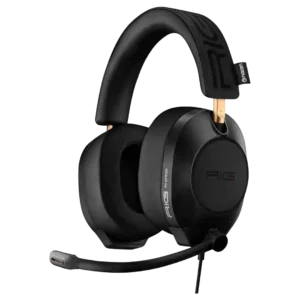
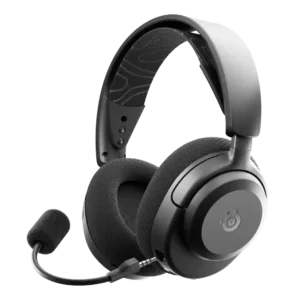
Reviews consistently state that the headset does not provide active noise cancellation. Isolation comes from the earcups rather than electronic ANC.
There is no active noise canceling, and multiple reviews call it a missing feature if you plan to use the headset in noisy environments.
Android support is tied to USB-C/mobile compatibility, with reviewers noting Android use through the DAC or USB-C connection.
The main app-related support is Dolby Access, which reviewers mention for sound adjustment rather than a full companion app.
The companion apps (Arctis mobile app and SteelSeries GG/Sonar on PC) are a major differentiator, enabling presets, mic settings, sidetone, and firmware updates; PC features are usually deeper than mobile.
Wired use is repeatedly tied to no audio lag or zero latency, supporting strong sync performance for gaming.
The 2.4GHz dongle mode is repeatedly praised for low-latency gaming and quick switching between wireless modes, keeping audio and on-screen action in sync.
Bass is generally controlled and useful for games, with several reviewers praising thump, deeper bass, and rumble, while some found the tuning not especially bass-heavy.
Bass is generally punchy and satisfying once tuned, but several impressions note either less sub-bass/thump than premium sets or a stock mid-bass emphasis that can sound a bit boxy until EQ is applied.
Because this is a wired analog headset, reviewers treat battery life as a non-issue: there is no battery to charge.
Battery life is commonly cited around 30 hours on 2.4GHz and about 40 hours on Bluetooth, though at least one standardized test reported notably lower 2.4GHz runtime.
Bluetooth is not supported. Reviews describe the headset as wired-only or explicitly say there is no Bluetooth connectivity.
Bluetooth performance is generally stable with painless switching between devices, and Bluetooth 5.3 is frequently cited across reviews. True simultaneous 2.4GHz plus Bluetooth audio is generally not the norm here; most usage centers on quick-switching, with any simultaneous behavior being limited or platform-dependent.
Build quality is broadly praised, with solid housing, metal or reinforced headband elements, and durable-feeling construction despite some plastic parts.
Build is largely plastic to keep weight down; many reviewers still find it sturdy, but some describe a cheaper in-hand feel and surfaces that can show wear more readily.
The included DAC is one of the most supported strengths, with repeated mentions of 32-bit/384kHz capability, clean output, and hi-res playback support.
Controls are mixed. The mic module gives inline volume and mute behavior, but several reviewers criticize the lack of cup controls or the volume slider implementation.
Controls cover the essentials (mute, volume, quick-switch), but chat-mix and multifunction control schemes can be less intuitive than headsets with dedicated wheels or simpler routing.
Cable design is partly convenient but not flawless: reviewers note included cables and swappable sides, while also flagging the proprietary/soldered connection.
Cables get mixed feedback: they work, but several reviews complain about short lengths, stiffness, or a proprietary feel that is less convenient than standard cables.
One reviewer specifically notes that no travel pouch or case was included, so carry case quality is effectively absent.
Charging support comes through the USB-C passthrough on the DAC, which reviewers repeatedly describe as useful for phones, Switch, and mobile use.
Fast charging is consistently highlighted, commonly framed as about 15 minutes of charging for around 9 hours of use.
Clamp is described as moderate or medium: secure enough for stability, but noticeable depending on head shape and preference.
Clamp is generally secure for gaming; some describe it as snug or tight at first, while others like the stability and seal it creates.
Where codecs are discussed, Bluetooth support is basic (AAC/SBC), prioritizing broad compatibility over advanced high-bitrate options.
Comfort is a consistent strength, with reviewers reporting all-day, several-hour, or eight-hour use without major discomfort.
Comfort is a standout theme: the headset is very light and the suspension-style headband spreads pressure well for long sessions, though a few users report heat or fabric scratchiness depending on pads and fit.
Connectivity is versatile for a wired headset, with 3.5mm, USB-C DAC use, aux input, adapters, and secondary-source mixing all mentioned.
Console support is good through wired use, but one reviewer found the DAC benefit was mainly a PC feature and did not boost console use.
Design is received positively, especially the clean black/gold look, slick finish, and less flashy studio-style appearance.
Design feedback is mostly positive thanks to clean lines and fun color options (like aqua and lavender), with the main critique being that the mostly plastic shell can look or feel less premium.
The detachable cable system is generally praised for magnetic attachment, side-swapping, and secure fit, though proprietary design limits replacement flexibility.
Detachable/replaceable cables are appreciated on the wired versions for longevity and easy swapping between USB-C, USB-A, and 3.5mm setups.
The detachable microphone is a standout modular feature, with reviewers repeatedly noting that it can be removed, moved to either side, or replaced with an audio-only module.
The detachable boom mic is convenient for travel or a cleaner look, but some users prefer retractable designs to avoid misplacing the mic.
The DAC dongle is usually seen as a value-add, but one reviewer found it large and another had a defective or unrecognized unit.
The slim USB-C 2.4GHz dongle is a key strength for low-latency play and broad device support; a few notes mention port-blocking in tight spaces or wishing for better storage for the dongle.
Ear cup padding receives strong praise for depth, plushness, comfort, and breathable or dual-material construction, with one reviewer noting early stitching wear.
Breathable fabric or AirWeave-style pads are widely praised for comfort, but some describe them as stiffer or less plush than premium earpads, and a few note warmth or texture over time.
Reviewers note usable cup rotation/swivel for resting the headset around the neck or improving fit.
Earcups typically swivel and can lay flatter for fit and storage, helping comfort and making it easier to rest the headset around the neck or pack it away.
Earpad replacement appears easy thanks to magnetic attachment and removable cushions, with multiple reviews emphasizing simple removal or replacement.
EQ customization exists mainly through Dolby Access. Reviewers mention usable EQ profiles, but one review calls EQ options limited.
EQ flexibility depends on platform: PC Sonar can be highly adjustable (including parametric-style tuning), while the mobile app is often more preset-driven with simpler tone controls.
Fit is secure without being extreme: reviewers describe enough squeeze to stay in place and avoid flying off the head.
Gaming cue emphasis is strong, with reviewers specifically noting boosted footsteps, clear grass/ground crunches, and situational detail.
Frequency response evidence is mixed: specs and testing support wide extension, while measured tuning shows deviations and gaming-oriented emphasis.
There is no dedicated game/chat dial, but the DAC aux input can mix a second source for chat, stream alerts, or external audio.
Game/chat balancing is available via Sonar or headset controls, but the experience can feel finicky compared with headsets that have a dedicated, separate chat-mix wheel.
Headband adjustment is described positively, with damped sliders that feel good to adjust.
The ski-goggle or elastic suspension headband design is effective, but adjustments can feel stiff, and some larger heads may find the sizing range more limited than expected.
Durability is supported by metal headband/slider comments and twist tests, though one reviewer notes plastic fork/yoke areas.
Included accessories are a strength, with reviewers pointing to cables, mod plates, DAC, adapters, and extra modules.
Box contents typically cover the basics (dongle and charging cable), and wired versions often include multiple adapter cables; some reviewers wish included cables were longer or more convenient.
Detail and layering are repeatedly praised, including layered audio, environmental detail, and a clear sense of the game world.
Separation is adequate for the price, but busy scenes can blend together compared with premium drivers, which can reduce clarity when lots of effects stack up at once.
The integrated boom microphone is part of the magnetic module and supports flip-up mute or broadcast-style positioning.
Maximum-volume clarity is a strength in the positive reviews, with low distortion and crisp output noted even when pushed.
At very high volumes, bass-heavy tracks remain controlled with minimal distortion in testing, helping the headset stay clear when pushed loud.
Microphone impressions are mixed: several reviewers call it decent, serviceable, or better than expected, while others find it average.
Microphone noise handling is limited. Reviews note background pickup, no powered noise cancellation, and only partial directional/noise-gating help.
Noise handling is a strong point: software options (including AI-style noise reduction where available) and mic tuning help cut distractions like keyboard noise and room sounds in typical gaming/office use.
Call/chat mic quality ranges from competent to disappointing: some reviewers liked it, while others found it quiet, compressed, or only decent.
The ClearCast boom mic is generally clear enough for party chat, Zoom, and calls, but it can sound slightly fuzzy or less crisp than the microphones on step-up models or a standalone mic.
Midrange is gaming-focused. Several reviews mention boosted upper mids or clear mid/high detail, while one notes some vocals can be drowned out.
Dialogue and vocals come through clearly for gaming and media, though some tunings sound slightly recessed in the mids until a preset or EQ profile is enabled.
Multi-platform compatibility is broadly supported across PC, Mac, PlayStation, Xbox, Switch, mobile, iOS/Android, and USB-C devices.
Compatibility is a strong point across PC, PlayStation, Switch/handhelds, and mobile; the main caveat is selecting the correct variant for Xbox wireless needs.
Multipoint behavior is limited and inconsistent across platforms: many users should expect to switch sources rather than rely on seamless multi-device audio at the same time.
Passive isolation is a clear strength, with multiple reviews saying the thick cups block or reduce a meaningful amount of outside noise.
Passive isolation is average: it reduces some higher-frequency noise but leaves plenty of awareness of your environment, and at least one review warns sound leakage can be noticeable.
Packaging impressions are limited but positive, especially the black/gold presentation and included headset/accessory layout.
Portability is mostly about wired travel and USB-C/mobile use rather than foldability or a case; one reviewer planned flight use.
Portability is helped by swivel-flat earcups and (on wireless models) a detachable mic, but average isolation and occasional sound leakage mean it is better suited to home or quiet travel than noisy commutes.
Positional audio is a major strength for gaming, with reviewers praising directional cues, sound origin detection, and situational awareness.
Preset EQ evidence comes from Dolby Access, where one reviewer tried performance, warm, balanced, and detailed modes.
Game-specific presets are a headline feature and frequently improve footsteps, weapon cues, and dialogue clarity; not every preset is dramatic, but the library depth is a consistent positive.
Replaceable earpads are well supported through magnetic cushions, removable pads, and cleaning or replacement comments.
Earpads are removable and replaceable, which helps maintenance and allows upgrades to improve isolation or comfort.
Replaceable ear plates are one of the most supported customization features, with magnetic mod plates and cosmetic personalization mentioned across reviews.
RGB lighting customization is not present; one review explicitly notes that there is no RGB.
RGB features are prominent on the wired model (customizable via software and easy to disable), while wireless models lean more on physical colorways than flashy lighting.
Sidetone (mic monitoring) is available and adjustable; some like its clarity, while others find the default-on behavior odd until it is dialed back in the app.
Materials and finishes vary: some surfaces resist fingerprints well, but other plastics and coatings can show scratches or wear if handled roughly.
Setup is generally simple, with reviewers describing plug-and-play use and no required software for basic operation.
Software can be powerful but not always seamless: PC Sonar features add complexity to system audio routing for some, while the mobile app experience is simpler and more 'all upside' for console use.
Sound leakage is a real caveat. The limited evidence points to noticeable outward leakage despite the thick ear cushions.
Sound quality is the product's strongest theme, with most reviews praising crisp, detailed, clear, or impressive wired audio, though measured scores are more moderate.
Overall sound is strong for the price and tends to improve noticeably with presets/EQ; out of the box it can sound flatter or less lively than pricier models, and it is not as resolving in complex scenes as flagship headsets. In wired use (USB/3.5mm on the wired model), sound stays consistent across connections; USB is mainly about enabling software features and RGB rather than a dramatic sonic transformation.
Soundstage and width are better than typical closed-back expectations in some reviews, with praise for immersiveness and wider presentation.
Soundstage and immersion are respectable for a budget headset, with solid directional cues, but it does not fully 'wrap around' the way higher-end models can.
Spatial audio support is strongly supported through Dolby Atmos, Dolby Access, and some Tempest 3D references.
Spatial/positional audio support and tuned presets help competitive play, making footsteps and directional cues easier to place, though overall immersion still trails top-tier headsets.
Stability is strong: reviewers note secure fit, cables/modules that resist accidental tugs, and parts that lock firmly in place.
Treble is mixed but generally controlled: some reviews praise clear highs, while measurements note a treble dip or less upper-treble energy.
Treble varies by tuning: some reviews describe softer highs, while others note brighter peaks that can be fatiguing; presets and EQ help balance sparkle versus harshness.
USB-C support is central to the DAC, with passthrough charging, USB-C device compatibility, and DAC connection repeatedly mentioned.
USB-C is central for charging and connectivity, and adapters are commonly included to support USB-A or other setups depending on model and use case.
Value depends on priorities. Reviewers praise the audio/DAC/modularity package, but several call the $150 price high for wired-only use.
Volume output is generally strong, with loud playback and heavy impact mentioned, though one reviewer had console volume decrease through the DAC.
Volume is typically sufficient for gaming, but some note it is quieter out of the box or lower-sensitivity than rivals; software settings and volume boost can help, and high volumes may worsen sound leak in public spaces.
Water or sweat resistance is not supported; one review explicitly states there is no IP rating.
Weight comfort is mostly acceptable, with reviewers calling it lightweight or not substantial, though some note it is somewhat heavy.
Weight is repeatedly described as extremely light for an over-ear gaming headset (often around 250-260g), which helps reduce fatigue over multi-hour use.
Wireless latency is not a concern because the headset is wired; reviewers describe no lag, zero latency, and reliability benefits.
Xbox compatibility is repeatedly mentioned through Xbox controller, Xbox Series X|S, or broader cross-platform support.
Xbox support is tied to the 3X variant and its dongle switch, while other versions focus on PlayStation; choosing the right model matters if you want wireless Xbox compatibility.