acceleration control
P1
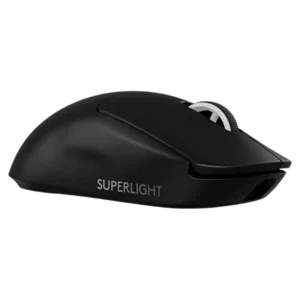
Product 1: Logitech G PRO X Superlight...
4.3
Acceleration specs are presented as high-end and stable, with 40G to 88G figures and smooth acceleration noted in game use.
P2
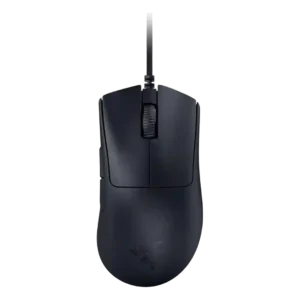
Product 2: Razer DeathAdder V3
4.7
Acceleration specs were strong, with reviewers citing high max acceleration and treating it as part of the mouse's competitive performance package.
Accuracy and tracking precision
P1
Product 1: Logitech G PRO X Superlight...
4.7
Tracking accuracy is one of the strongest consensus areas, with reviewers repeatedly calling aim, sensor response, and high-DPI control precise.
P2
Product 2: Razer DeathAdder V3
4.7
Reviewers consistently found tracking accurate and precise, with multiple tests describing smooth aiming, stable movement, and dependable precision.
balance and weight distribution
P1
Product 1: Logitech G PRO X Superlight...
4.4
Weight balance is described favorably where reviewers mention it, with the light body still feeling controlled rather than hollow or unstable.
P2
Product 2: Razer DeathAdder V3
3.8
Balance was acceptable but not perfect, with wired-cable weight making the mouse slightly top- or front-heavy in two hands-on reviews.
battery life
P1
Product 1: Logitech G PRO X Superlight...
4.4
Battery life is consistently praised, commonly around 95 hours at default/lower polling, with high polling modes reducing runtime.
P2
Product 2: Razer DeathAdder V3
5.0
Battery life is not a practical concern because the mouse is wired, and reviewers framed the lack of battery maintenance as a benefit.
Bluetooth support
P1
Product 1: Logitech G PRO X Superlight...
1.0
Bluetooth support is explicitly absent; reviewers frame the mouse as a performance-focused 2.4GHz wireless device instead.
P2
Product 2: Razer DeathAdder V3
1.0
Bluetooth support is absent, with reviewers explicitly noting the wired design has no Bluetooth support.
build quality
P1
Product 1: Logitech G PRO X Superlight...
4.6
Build quality earns strong marks for a rigid, creak-free shell that keeps weight low without honeycomb cutouts or obvious flex.
P2
Product 2: Razer DeathAdder V3
4.7
Build quality was mostly excellent, with repeated praise for solid shells, no creaking, and strong wired-version construction.
button customization
P1
Product 1: Logitech G PRO X Superlight...
4.3
Button customization is available through G Hub, including remapping, G-Shift, DPI functions, app-linked settings, and other assignments.
P2
Product 2: Razer DeathAdder V3
4.2
Button customization through Synapse, remapping, Hypershift, and profile setup was useful, though the software experience itself was mixed.
button responsiveness
P1
Product 1: Logitech G PRO X Superlight...
4.6
Button responsiveness is generally strong thanks to Lightforce switches and low-latency input, though click weight is not universally loved.
P2
Product 2: Razer DeathAdder V3
4.7
Button responsiveness was widely praised, especially the fast optical-switch feel and responsive click behavior in gaming.
cable flexibility
P1
Product 1: Logitech G PRO X Superlight...
2.7
Cable feedback is mixed to negative: USB-C is welcomed, but reviewers criticize the rubber cable and wish it were softer or braided.
P2
Product 2: Razer DeathAdder V3
3.8
Cable flexibility was one of the most divided attributes, praised by several reviewers but criticized by others as stiff, heavy, or merely passable.
charging convenience
P1
Product 1: Logitech G PRO X Superlight...
4.5
Charging convenience improves over the original with USB-C, fast charging mentions, and PowerPlay-related accessory options in several reviews.
P2
Product 2: Razer DeathAdder V3
5.0
Charging convenience is effectively excellent for users who accept a wire because there is no battery to charge or replace.
claw grip comfort
P1
Product 1: Logitech G PRO X Superlight...
4.3
Claw grip comfort is broadly positive because the familiar symmetrical shape works well for claw users across many hand sizes.
P2
Product 2: Razer DeathAdder V3
3.6
Claw grip comfort was mixed: some reviewers found it comfortable, while others said the slope or size made claw grip less natural.
click latency
P1
Product 1: Logitech G PRO X Superlight...
4.1
Click latency is mostly praised, especially in optical mode, though one measurement-focused reviewer found it less impressive than some competitors.
P2
Product 2: Razer DeathAdder V3
4.8
Click latency was a major strength, with optical switches and high polling repeatedly tied to very fast or near-instant response.
click noise
P1
Product 1: Logitech G PRO X Superlight...
4.0
Click noise is mixed: some like the bassier or clicky sound, while others call the clicks loud or high-pitched.
P2
Product 2: Razer DeathAdder V3
4.3
Click noise was relatively restrained, with reviewers describing muted or quieter clicks rather than loud mechanical feedback.
connection stability
P1
Product 1: Logitech G PRO X Superlight...
4.7
Connection stability is positive in the reviews that discuss it, with no connectivity issues and perfect tracking reported.
P2
Product 2: Razer DeathAdder V3
4.0
Connection stability was strong in normal wired use, but the highest polling settings caused stutters or compatibility issues for some reviewers.
cross-platform compatibility
P1
Product 1: Logitech G PRO X Superlight...
4.1
Cross-platform compatibility is mainly Windows and macOS, with G Hub support on both and Windows 10/11 explicitly mentioned.
P2Product 2: Razer DeathAdder V3
No score yetDPI range
P1
Product 1: Logitech G PRO X Superlight...
4.6
The DPI ceiling is very high, ranging from 32,000 DPI in many reviews to 44,000 CPI/DPI in updated-firmware coverage.
P2
Product 2: Razer DeathAdder V3
4.7
The 30K DPI ceiling and adjustable DPI stages give the mouse a very wide sensitivity range, though reviewers rarely needed the full maximum.
durability over time
P1
Product 1: Logitech G PRO X Superlight...
4.5
Durability evidence centers on optical-mechanical switches, reduced double-click risk, and rated actuation durability rather than long multi-year testing.
P2
Product 2: Razer DeathAdder V3
4.3
Durability over time looked promising from switch ratings and solid construction, though one reviewer questioned coating wear over years.
ecosystem integration
P1
Product 1: Logitech G PRO X Superlight...
4.4
Logitech ecosystem integration appears through G Hub, older Logitech device compatibility, community profiles, PowerPlay, and cross-device programming.
P2
Product 2: Razer DeathAdder V3
1.0
Ecosystem integration is limited because the lack of RGB means no Chroma lighting integration for this mouse.
ergonomic design
P1
Product 1: Logitech G PRO X Superlight...
4.4
Ergonomics are generally praised for a safe symmetrical body, light contouring, and broad hand-size compatibility, with some hand-size caveats.
P2
Product 2: Razer DeathAdder V3
4.5
The right-handed ergonomic design was widely praised for comfort, palm support, and long-session usability.
fingertip grip comfort
P1
Product 1: Logitech G PRO X Superlight...
4.3
Fingertip grip comfort is mostly positive, though a few reviewers prefer flatter or smaller shapes for purer fingertip use.
P2
Product 2: Razer DeathAdder V3
2.6
Fingertip comfort was the weakest grip category because the body is large and tall, although a few larger-hand reviewers could use it.
FPS gaming suitability
P1
Product 1: Logitech G PRO X Superlight...
4.6
FPS suitability is one of the clearest strengths, with many reviewers calling it ideal for competitive shooters and quick aim correction.
P2
Product 2: Razer DeathAdder V3
4.7
FPS suitability was one of the clearest strengths because reviewers tied its speed, low weight, sensor, and simple layout to competitive play.
glide smoothness
P1
Product 1: Logitech G PRO X Superlight...
3.8
Glide is mixed: PTFE feet and light weight help smooth movement, but several reviewers dislike the stock skates or find them slow.
P2
Product 2: Razer DeathAdder V3
4.5
Glide smoothness was broadly praised thanks to PTFE feet and low weight, though a few reviewers swapped skates for preference.
grip texture
P1
Product 1: Logitech G PRO X Superlight...
4.2
Grip texture is generally favorable, with reviewers noting a grippy matte coating and included tape for users who want more traction.
P2
Product 2: Razer DeathAdder V3
4.0
Grip texture was divisive: many liked the smooth grippy coating, while others found it slick, soapy, or insufficient without grip tape.
handedness options
P1
Product 1: Logitech G PRO X Superlight...
3.1
Handedness is limited: the shape is symmetrical or ambidextrous in form, but left-side thumb buttons make it effectively right-hand focused.
P2
Product 2: Razer DeathAdder V3
1.0
Handedness is a clear limitation: the mouse is right-handed only, with no left-handed or ambidextrous version discussed.
left and right click quality
P1
Product 1: Logitech G PRO X Superlight...
4.7
Left and right click quality is praised in several reviews for crisp, tactile Lightforce clicks, though feel depends on click-weight preference.
P2
Product 2: Razer DeathAdder V3
4.1
Left and right clicks were mostly liked for feel and low travel, though a few reviewers found them hollow or floaty.
lift-off distance
P1
Product 1: Logitech G PRO X Superlight...
4.4
Lift-off distance control is a strong customization point, with multiple reviews noting low, medium, high, or per-DPI adjustment options.
P2
Product 2: Razer DeathAdder V3
4.6
Lift-off distance support was unusually strong, including asymmetric lift-off and landing cutoffs plus software tuning for advanced users.
long-session comfort
P1
Product 1: Logitech G PRO X Superlight...
4.5
Long-session comfort is positive where discussed, helped by low weight, low fatigue, and a comfortable speed-focused shape.
P2
Product 2: Razer DeathAdder V3
4.5
Long-session comfort was strong for the right hand and larger grips, helped by the ergonomic hump and low weight.
macro support
P1
Product 1: Logitech G PRO X Superlight...
4.7
Macro support is confirmed through G Hub, including an easy-to-use macro creation tool.
P2
Product 2: Razer DeathAdder V3
3.4
Macro support exists but is limited, with reviewers mainly pointing to side-button macros and Hypershift rather than many dedicated inputs.
materials quality
P1
Product 1: Logitech G PRO X Superlight...
4.3
Materials are described as matte, grippy, durable-feeling plastic that stays solid despite the ultralight construction.
P2
Product 2: Razer DeathAdder V3
3.6
Materials quality was mixed: reviewers liked the minimalist shell and coating, but some criticized the cable sleeving or cheap-looking underside.
MMO gaming suitability
P1
Product 1: Logitech G PRO X Superlight...
2.7
MMO suitability is weak because reviewers note the mouse has only a handful of buttons and lacks the button count MMO players may expect.
P2
Product 2: Razer DeathAdder V3
2.2
MMO suitability is weak because the mouse has only a few extra macros and lacks the many side buttons MMO players often use.
motion consistency
P1
Product 1: Logitech G PRO X Superlight...
4.7
Motion consistency is strong overall, with reviewers noting no smoothing/filtering, smooth implementation, consistent aiming, and flawless 2K polling.
P2
Product 2: Razer DeathAdder V3
4.8
Motion consistency was strong in the reviews that tested it, with no stutters or missed movements in normal use and flawless tracking noted.
onboard memory
P1
Product 1: Logitech G PRO X Superlight...
4.6
Onboard memory is a clear strength, with multiple reviews noting saved settings or up to five onboard profiles.
P2
Product 2: Razer DeathAdder V3
4.1
Onboard memory was useful for profiles and settings, but at least one review noted that button assignments were not fully stored internally.
palm grip comfort
P1
Product 1: Logitech G PRO X Superlight...
4.3
Palm grip comfort is positive for many reviewers, especially with the safe hump and familiar shape, though one review says palm players may prefer elsewhere.
P2
Product 2: Razer DeathAdder V3
4.4
Palm grip comfort was a major positive, especially for medium-to-large or larger hands using the high ergonomic hump.
polling rate
P1
Product 1: Logitech G PRO X Superlight...
4.3
Polling rate is heavily covered and generally strong, from 2,000Hz in many reviews to 4,000Hz or 8,000Hz in updated coverage.
P2
Product 2: Razer DeathAdder V3
4.3
The 8K polling headline earned praise for speed, but several reviewers noted system-resource demands or game stutter at the highest setting.
portability
P1
Product 1: Logitech G PRO X Superlight...
4.4
Portability is helped by the very low weight and built-in USB receiver storage, making it more travel-friendly than many esports mice.
P2
Product 2: Razer DeathAdder V3
2.5
Portability was a weakness because the mouse is large and wired, with a nonremovable cable and less bag-friendly design.
premium feel
P1
Product 1: Logitech G PRO X Superlight...
4.5
Premium feel is generally positive, with reviewers describing a sturdy matte build and refined feel despite the minimalist look.
P2
Product 2: Razer DeathAdder V3
4.3
Premium feel came from the coating, minimalist finish, and light shell, though it is intentionally plain rather than flashy.
profile switching
P1
Product 1: Logitech G PRO X Superlight...
4.3
Profile switching is handled through G Hub and onboard/profile presets rather than dedicated physical profile buttons.
P2
Product 2: Razer DeathAdder V3
3.9
Profile and DPI switching were supported through onboard profiles and bottom-mounted DPI/profile controls, though bottom placement was often inconvenient.
programmable buttons
P1
Product 1: Logitech G PRO X Superlight...
4.0
Programmable buttons are present but limited in count, with five programmable buttons cited and remapping available in software.
P2
Product 2: Razer DeathAdder V3
3.8
The mouse has enough programmable controls for a simple FPS mouse, but reviewers emphasized that it is not feature-packed.
RGB features
P1
Product 1: Logitech G PRO X Superlight...
2.0
RGB features are intentionally absent; reviewers usually treat this as a battery and weight tradeoff rather than a surprise.
P2
Product 2: Razer DeathAdder V3
1.1
RGB is essentially absent, with reviewers repeatedly noting no RGB lighting apart from a small DPI indicator in some descriptions.
scroll wheel quality
P1
Product 1: Logitech G PRO X Superlight...
3.4
Scroll wheel quality is mixed, ranging from precise and workable to stiff, mushy, smoother than before, or less tactile.
P2
Product 2: Razer DeathAdder V3
3.6
Scroll wheel quality was mixed: some liked the smooth, easy action, while others wanted more defined detents or stronger tactility.
sensor performance
P1
Product 1: Logitech G PRO X Superlight...
4.7
Sensor performance is a major strength, with HERO 2 repeatedly praised for speed, accuracy, DPI range, and smooth implementation.
P2
Product 2: Razer DeathAdder V3
4.8
The Focus Pro 30K sensor was treated as a core strength, repeatedly described as high-end, responsive, and reliable in gaming tests.
shape comfort
P1
Product 1: Logitech G PRO X Superlight...
4.3
Shape comfort is broadly strong because the familiar Superlight shape is safe and comfortable, though some reviewers find it boring or not ideal.
P2
Product 2: Razer DeathAdder V3
4.0
Shape comfort depended heavily on hand size and grip, with strong comfort for larger hands but problems for smaller, fingertip, or some claw users.
side button quality
P1
Product 1: Logitech G PRO X Superlight...
3.3
Side button quality is the most repeated control weakness, often described as mushy, unchanged, or less tactile than the main clicks.
P2
Product 2: Razer DeathAdder V3
4.4
Side buttons were a recurring strength, often described as reachable, tactile, spacious, or well tensioned, with only one reviewer struggling with placement.
skate durability
P1
Product 1: Logitech G PRO X Superlight...
2.6
Skate durability and stock skate quality draw repeated criticism, including thin feet, compatibility changes, and recommendations for aftermarket skates.
P2
Product 2: Razer DeathAdder V3
4.3
Skate feedback was mostly positive for thickness, rounded edges, and corrected stock-skate feel, though one reviewer disliked Razer's default skates.
software stability
P1
Product 1: Logitech G PRO X Superlight...
4.5
Software stability has limited but positive evidence, with one review specifically calling G Hub's interface stable.
P2
Product 2: Razer DeathAdder V3
3.0
Software stability was mixed because basic settings worked for some reviewers, but high polling produced stutters or issues in several games.
software usability
P1
Product 1: Logitech G PRO X Superlight...
4.2
Software usability is mixed: several reviewers praise G Hub customization and navigation, while others find it convoluted or frustrating.
P2
Product 2: Razer DeathAdder V3
3.6
Software usability was mixed: some found Synapse intuitive and useful, while one reviewer strongly criticized it as bloated.
surface compatibility
P1
Product 1: Logitech G PRO X Superlight...
3.7
Surface compatibility is positive overall but not flawless, with good performance across surfaces and surface modes, yet rough or soft pads can expose skate issues.
P2
Product 2: Razer DeathAdder V3
4.6
Surface compatibility was supported by PTFE feet and hands-on use across different pads, including glass and cloth-style surfaces.
switch durability
P1
Product 1: Logitech G PRO X Superlight...
4.6
Switch durability is a strength because optical-mechanical switches are tied to reduced double-click risk, durability, and long actuation ratings.
P2
Product 2: Razer DeathAdder V3
4.7
Switch durability was strongly supported by 90-million-click ratings and optical switch construction, with no major durability complaints in the reviews.
switch feel
P1
Product 1: Logitech G PRO X Superlight...
4.2
Switch feel is polarizing: many love the tactile, crisp Lightforce clicks, while others find them heavier or worse for spam clicking.
P2
Product 2: Razer DeathAdder V3
4.4
Switch feel was generally positive, ranging from satisfying and crisp to soft or hollow depending on the reviewer.
tilt gesture controls
P1
Product 1: Logitech G PRO X Superlight...
1.0
Tilt gesture controls are not supported in the evidence; the only direct mention says tilt support is missing.
P2
Product 2: Razer DeathAdder V3
1.0
Tilt gesture controls are absent, with reviewers noting the scroll wheel does not support tilt functionality.
value for money
P1
Product 1: Logitech G PRO X Superlight...
3.6
Value for money is mixed: reviewers praise top-tier performance but repeatedly question the premium price and upgrade value from the original.
P2
Product 2: Razer DeathAdder V3
4.5
Value was generally positive, especially at sale or standard wired pricing, though a few reviewers wanted more features for the money.
weight
P1
Product 1: Logitech G PRO X Superlight...
4.5
Weight is a clear strength, with most reviews placing the mouse around 58g to 60g or roughly 2.1 ounces.
P2
Product 2: Razer DeathAdder V3
4.8
Low weight was one of the strongest points across reviews, with the mouse repeatedly measured around 57-59g and praised as easy to move.
weight tuning
P1
Product 1: Logitech G PRO X Superlight...
3.7
Weight tuning is limited to small puck-related changes rather than true adjustable weights.
P2
Product 2: Razer DeathAdder V3
1.0
Weight tuning is absent; the design favors fixed ultralight speed rather than adjustable weights or balance tuning.
wireless latency
P1
Product 1: Logitech G PRO X Superlight...
4.7
Wireless latency is strongly praised, with reviewers reporting no lag, 0.5ms latency claims, and responsive wireless play.
P2Product 2: Razer DeathAdder V3
No score yetwireless performance
P1
Product 1: Logitech G PRO X Superlight...
4.7
Wireless performance is consistently strong, with LIGHTSPEED, 2.4GHz, and no-falter wireless behavior earning praise.
P2
Product 2: Razer DeathAdder V3
1.0
Wireless performance is not a strength because this model is wired; reviewers repeatedly framed wireless as something the Pro version adds.