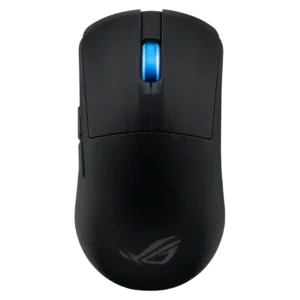
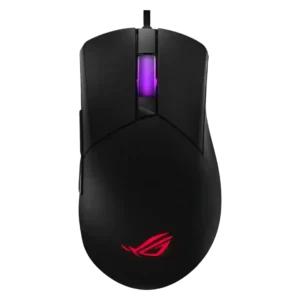
Compare ASUS ROG Harpe Ace Mini vs ASUS ROG Gladius III Wired

P1 ASUS ROG Harpe Ace Mini
P2 ASUS ROG Gladius III Wired

Comparison Takeaways

ASUS ROG Harpe Ace Mini

Where It Has the Edge

  • weight is 4.8 vs 3.7. Weight was one of the strongest positives, with nearly every review emphasizing the sub-50g or 49g class and...
  • FPS gaming suitability is 4.7 vs 4.0. FPS gaming suitability was strongly supported through esports positioning, Counter-Strike, Valorant, Apex, pro-FPS references, and emphasis on precision.
  • grip texture is 4.6 vs 3.9. Grip texture was broadly praised, with reviewers citing ridged sides, grip tape, grippy coating, rubber grips, and textured...
  • skate durability is 4.5 vs 3.8. Skate durability evidence centered on slick slide pads and included larger or replacement skates, with generally positive comments...

ASUS ROG Gladius III Wired

Where It Has the Edge

  • software stability is 4.7 vs 2.7. Software stability is strongest in the Gear Link review, where the tool is described as quick, reliable, and...
  • macro support is 4.4 vs 3.2. Macro support is well covered through Armoury Crate and Gear Link, including macro recording and button-layer functions.
  • MMO gaming suitability is 4.8 vs 4.3. MMO suitability is explicitly supported by the Core review, which calls SpeedShift useful for MMO players.
  • handedness options is 2.9 vs 2.6. Handedness is a limitation because the evidence repeatedly frames the mouse as right-handed or non-ambidextrous.
Average score
Product 1: ASUS ROG Harpe Ace Mini
4.4
Product 2: ASUS ROG Gladius III Wired
4.2
2.4GHz connectivity
Product 1: ASUS ROG Harpe Ace Mini
4.7

Reviewers consistently documented 2.4GHz wireless as a core mode, usually tied to the included receiver, SpeedNova/RF language, or quoted battery figures.

Product 2: ASUS ROG Gladius III Wired
4.1

Reviewers mention 2.4GHz support mainly in the wireless/tri-mode context, with the wired model retaining USB as the core experience.

acceleration control
Product 1: ASUS ROG Harpe Ace Mini
4.4

Acceleration-related evidence was positive overall: reviewers cited zero acceleration or jitter, 50G acceleration capability, and software angle-snapping or tuning options.

Product 2: ASUS ROG Gladius III Wired
4.2

Sensor specs list strong acceleration capability, though evidence focuses on maximum acceleration rather than deep acceleration tuning.

Accuracy and tracking precision
Product 1: ASUS ROG Harpe Ace Mini
4.7

Accuracy was one of the strongest themes, with reviewers describing the mouse as fast, precise, pixel-perfect, and reliable in shooting-game or tracking tests.

Product 2: ASUS ROG Gladius III Wired
4.2

Tracking precision is generally praised, with one review noting more modest MouseTester behavior while others report accurate gaming performance.

balance and weight distribution
Product 1: ASUS ROG Harpe Ace Mini
4.2

Balance evidence was limited but split: one reviewer found it slightly back-weighted, while another said the balance felt spot on.

Product 2: ASUS ROG Gladius III Wired
4.3

Weight balance is described favorably where tested, especially the centered balance and improved maneuverability on the Core variant.

battery life
Product 1: ASUS ROG Harpe Ace Mini
4.7

Battery life drew broad praise, with reviewers citing 105-139 hour claims, weekslong practical impressions, and strong endurance for such a light mouse.

Product 2: ASUS ROG Gladius III Wired
4.1

Battery life appears only in the wireless-oriented review evidence, which reports usable 2.4GHz and Bluetooth runtime figures.

Bluetooth support
Product 1: ASUS ROG Harpe Ace Mini
4.7

Bluetooth support was widely confirmed as part of the tri-mode design and was repeatedly described as easy, convenient, or useful for non-gaming devices.

Product 2: ASUS ROG Gladius III Wired
4.1

Bluetooth support is consistently mentioned for the wireless or tri-mode versions rather than the wired-only setup.

build quality
Product 1: ASUS ROG Harpe Ace Mini
4.6

Build quality was generally praised as sturdy, solid, and well put together despite the very low weight and compact shell.

Product 2: ASUS ROG Gladius III Wired
4.4

Build quality is a clear strength across several reviews, with repeated comments about excellent construction and few creaks or flex issues.

button customization
Product 1: ASUS ROG Harpe Ace Mini
4.5

Button customization was supported by Armoury Crate or Armoury Crate Gear, with reviewers noting button remapping and assignment controls, though some disliked the software.

Product 2: ASUS ROG Gladius III Wired
4.5

Button customization is one of the strongest themes, driven by hot-swappable switches, remapping, macros, and software controls.

button responsiveness
Product 1: ASUS ROG Harpe Ace Mini
4.7

Button responsiveness was praised across reviews, especially for tactile clicks, bouncy buttons, spam-click ease, and solid click implementation.

Product 2: ASUS ROG Gladius III Wired
4.5

Button responsiveness is rated highly overall, with reviewers citing instant registration, tactile feedback, and easy activation.

cable flexibility
Product 1: ASUS ROG Harpe Ace Mini
4.8

Cable flexibility was strongly praised where mentioned, with reviewers calling the included paracord highly flexible or thin and high quality.

Product 2: ASUS ROG Gladius III Wired
4.2

Cable impressions are mostly positive: the ROG paracord is flexible and light, though the wired model naturally remains tethered.

charging convenience
Product 1: ASUS ROG Harpe Ace Mini
4.6

Charging convenience was supported by USB-C charging, fast charging, and the included braided cable or extender accessories.

Product 2: ASUS ROG Gladius III Wired
No score yet
claw grip comfort
Product 1: ASUS ROG Harpe Ace Mini
4.6

Claw grip comfort was one of the best-supported fit attributes, with multiple reviewers saying the small shape suits claw grip users and pro-FPS play.

Product 2: ASUS ROG Gladius III Wired
4.0

Claw grip support is present but context-dependent; several reviews say the high shape works, while one finds it limited by height.

click latency
Product 1: ASUS ROG Harpe Ace Mini
4.6

Click latency evidence was positive, with reviewers citing NVIDIA Reflex measurement, optical-switch speed, latency reduction, and low click-latency behavior.

Product 2: ASUS ROG Gladius III Wired
4.6

Latency evidence is very positive, especially for wired use, with reviewers reporting instant presses and no significant input lag.

click noise
Product 1: ASUS ROG Harpe Ace Mini
No score yet
Product 2: ASUS ROG Gladius III Wired
3.9

Click noise is generally controlled, but swappable Omron switches can be noticeably louder depending on the chosen switch.

connection stability
Product 1: ASUS ROG Harpe Ace Mini
4.6

Connection stability was generally positive, with evidence around secure dongle fit, reduced signal-dropout risk, easy pairing, lag-free connectivity, and problem-free modes.

Product 2: ASUS ROG Gladius III Wired
4.5

Connection stability is strong for wired use and supported by positive mentions of lag-free tracking and reliable 2.4GHz dongle placement.

cross-platform compatibility
Product 1: ASUS ROG Harpe Ace Mini
4.7

Cross-platform or multi-device flexibility was supported by wired, Bluetooth, and 2.4GHz modes, plus evidence of use across Windows, MacBook, work, gaming, and mobile setups.

Product 2: ASUS ROG Gladius III Wired
4.3

Cross-PC use is best supported by Gear Link and onboard profiles, which let settings work on another PC after configuration.

debounce customization
Product 1: ASUS ROG Harpe Ace Mini
2.0

Debounce customization was weak: one reviewer specifically noted the software did not allow bounce-setting adjustment.

Product 2: ASUS ROG Gladius III Wired
No score yet
DPI range
Product 1: ASUS ROG Harpe Ace Mini
4.7

DPI range was repeatedly supported by the 42,000 DPI/CPI ceiling and, in some cases, preset or adjustable DPI controls.

Product 2: ASUS ROG Gladius III Wired
4.5

DPI range is a major strength on the original Gladius III, while the Core review notes a lower but still gaming-capable 12,000 DPI sensor.

durability over time
Product 1: ASUS ROG Harpe Ace Mini
4.2

Durability over time was mostly positive because of optical-switch lifespan and sturdy build, but one travel-use review reported visible finish scuffing.

Product 2: ASUS ROG Gladius III Wired
4.5

Durability over time is supported by replaceable switches, spare parts, and high click ratings from 70 million to 100 million clicks.

ecosystem integration
Product 1: ASUS ROG Harpe Ace Mini
4.5

Ecosystem integration was supported through the ROG Omni receiver, single-dongle multi-device pairing, Aura Sync, and compatibility with other ROG peripherals.

Product 2: ASUS ROG Gladius III Wired
4.1

ASUS ecosystem integration is supported by Aura Sync, AURA Creator, Gear Link, and references to the ROG device ecosystem.

ergonomic design
Product 1: ASUS ROG Harpe Ace Mini
4.2

Ergonomic design was mixed: smaller-handed users found the frame comfortable, while one review said the semi-symmetrical shape gives up some ergonomic specificity.

Product 2: ASUS ROG Gladius III Wired
4.3

Ergonomics are broadly praised for right-handed medium-to-large hands, though the shape can feel tall or narrow to some users.

fingertip grip comfort
Product 1: ASUS ROG Harpe Ace Mini
4.6

Fingertip grip comfort was consistently positive where discussed, with reviewers saying the shape supports fingertip use and keeps fingers naturally placed.

Product 2: ASUS ROG Gladius III Wired
4.1

Fingertip grip is possible and sometimes listed as supported, but the tall ergonomic body makes it less universally ideal than palm grip.

firmware reliability
Product 1: ASUS ROG Harpe Ace Mini
No score yet
Product 2: ASUS ROG Gladius III Wired
4.0

Firmware support is present through Armoury Crate, Gear Link, or firmware menus, though the reviews do not deeply test long-term reliability.

FPS gaming suitability
Product 1: ASUS ROG Harpe Ace Mini
4.7

FPS gaming suitability was strongly supported through esports positioning, Counter-Strike, Valorant, Apex, pro-FPS references, and emphasis on precision.

Product 2: ASUS ROG Gladius III Wired
4.0

FPS suitability is good but not perfect: reviewers praise tracking and wired latency, while weight and shape limit elite FPS speed for some.

glide smoothness
Product 1: ASUS ROG Harpe Ace Mini
4.7

Glide smoothness was praised through pure PTFE feet, smooth pad movement, slick slide pads, and positive comments on the included skates.

Product 2: ASUS ROG Gladius III Wired
4.5

Glide smoothness is a repeated positive, with PTFE/Omni feet producing smooth, effortless movement on tested surfaces.

grip texture
Product 1: ASUS ROG Harpe Ace Mini
4.6

Grip texture was broadly praised, with reviewers citing ridged sides, grip tape, grippy coating, rubber grips, and textured matte surfaces.

Product 2: ASUS ROG Gladius III Wired
3.9

Grip texture is mixed-to-good, with grippy matte or serrated panels helping control, but one review notes absent rubberized grips.

handedness options
Product 1: ASUS ROG Harpe Ace Mini
2.6

Handedness was a clear limitation: reviewers repeatedly noted side buttons on the left and right-hand-favoring design despite some symmetrical or ambidextrous shaping.

Product 2: ASUS ROG Gladius III Wired
2.9

Handedness is a limitation because the evidence repeatedly frames the mouse as right-handed or non-ambidextrous.

left and right click quality
Product 1: ASUS ROG Harpe Ace Mini
4.7

Left and right click quality was positive, with tactile, comfortable, and well-implemented main clicks noted in several reviews.

Product 2: ASUS ROG Gladius III Wired
4.1

Main click quality is mostly strong thanks to tactile switches and good click feel, though one review reports button wobble.

lift-off distance
Product 1: ASUS ROG Harpe Ace Mini
4.5

Lift-off distance was configurable where mentioned, with onboard or software options for LOD adjustment.

Product 2: ASUS ROG Gladius III Wired
4.5

Lift-off distance is supported by Armoury Crate, where high and low lift-off distance options are available.

long-session comfort
Product 1: ASUS ROG Harpe Ace Mini
4.7

Long-session comfort was supported by one review that explicitly connected the shape to extended gaming-session comfort.

Product 2: ASUS ROG Gladius III Wired
4.4

Long-session comfort is generally positive, helped by fatigue-free glide and shape, though hand size and grip style matter.

macro support
Product 1: ASUS ROG Harpe Ace Mini
3.2

Macro support was limited because one review said macro settings required the fuller Armoury Crate and Aura Sync software rather than just the lighter utility.

Product 2: ASUS ROG Gladius III Wired
4.4

Macro support is well covered through Armoury Crate and Gear Link, including macro recording and button-layer functions.

materials quality
Product 1: ASUS ROG Harpe Ace Mini
3.9

Materials quality was mixed: reviewers cited bio-based nylon and premium-feeling coatings, but also noted a finish that scuffed or held fingerprints.

Product 2: ASUS ROG Gladius III Wired
3.9

Materials quality is solid but not luxurious: reviewers note hard plastic, matte plastic, and occasional oil or grip tradeoffs.

MMO gaming suitability
Product 1: ASUS ROG Harpe Ace Mini
4.3

MMO gaming suitability was lightly supported by one review that included MMORPG games among use cases, but evidence was much thinner than for FPS.

Product 2: ASUS ROG Gladius III Wired
4.8

MMO suitability is explicitly supported by the Core review, which calls SpeedShift useful for MMO players.

MOBA gaming suitability
Product 1: ASUS ROG Harpe Ace Mini
4.3

MOBA gaming suitability was lightly supported by one review that explicitly listed MOBA games among suitable genres.

Product 2: ASUS ROG Gladius III Wired
No score yet
motion consistency
Product 1: ASUS ROG Harpe Ace Mini
4.5

Motion consistency was strong in most testing, with several reviewers citing smooth or consistent tracking, though one saw high-DPI rattling and severe jitter at unrealistic settings.

Product 2: ASUS ROG Gladius III Wired
3.9

Motion consistency is mostly good, but testing varies: one review reports smooth tracking while another records jitter at flick peaks.

onboard memory
Product 1: ASUS ROG Harpe Ace Mini
4.4

Onboard memory and controls were supported by profile controls, memory profiles, and on-the-go settings access.

Product 2: ASUS ROG Gladius III Wired
4.4

Onboard memory is a strength, with multiple reviews citing five profiles or built-in memory.

palm grip comfort
Product 1: ASUS ROG Harpe Ace Mini
4.0

Palm grip comfort was context-dependent: small-handed reviewers could palm it comfortably, while larger-hand or palm-first users were cautioned.

Product 2: ASUS ROG Gladius III Wired
4.3

Palm grip is the best-supported grip style because reviewers repeatedly say the tall ergonomic body suits palm users.

polling rate
Product 1: ASUS ROG Harpe Ace Mini
4.2

Polling-rate evidence was mixed: reviewers noted standard 1,000Hz operation and optional 8,000Hz support, but repeatedly criticized the separate booster requirement.

Product 2: ASUS ROG Gladius III Wired
3.9

Polling rate support reaches 1000Hz across the reviews, though one test calls polling performance average with jitter.

portability
Product 1: ASUS ROG Harpe Ace Mini
4.5

Portability was a strength because reviewers called it compact, travel-friendly, small, lightweight, and easy to take on the go.

Product 2: ASUS ROG Gladius III Wired
No score yet
premium feel
Product 1: ASUS ROG Harpe Ace Mini
4.6

Premium feel was generally positive, with reviewers describing the mouse as impressive, masterful, premium-feeling, and solid despite its simple design.

Product 2: ASUS ROG Gladius III Wired
4.2

Premium feel is tied more to ROG branding, construction, and presentation than to ultralight materials or understated styling.

profile switching
Product 1: ASUS ROG Harpe Ace Mini
4.5

Profile switching was supported by five-profile configuration and onboard profile-switching controls, though Pokde found the control method clunky.

Product 2: ASUS ROG Gladius III Wired
4.1

Profile switching is supported through onboard profiles and profile buttons, although one reviewer wishes the control were more conveniently placed.

programmable buttons
Product 1: ASUS ROG Harpe Ace Mini
4.4

Programmable buttons were supported by evidence of programmable side buttons, remappable buttons, and five programmable buttons.

Product 2: ASUS ROG Gladius III Wired
4.3

Programmable buttons are well supported, with reviews describing six or seven configurable buttons and software remapping.

RGB features
Product 1: ASUS ROG Harpe Ace Mini
4.0

RGB features were intentionally minimal, with nearly all evidence pointing to a single scroll-wheel lighting zone and software-controlled effects.

Product 2: ASUS ROG Gladius III Wired
4.2

RGB features are a consistent strength, including three-zone lighting on the original and reduced but configurable zones on the Core.

scroll wheel quality
Product 1: ASUS ROG Harpe Ace Mini
4.0

Scroll wheel quality was mixed: some liked the resistance or steps, while others found it stiff, soft, or tighter than the larger model.

Product 2: ASUS ROG Gladius III Wired
3.9

Scroll wheel quality is mostly positive for tactile detents and rubberized feel, but one review reports side-to-side wobble.

sensor performance
Product 1: ASUS ROG Harpe Ace Mini
4.7

Sensor performance was a major strength, repeatedly tied to the AimPoint Pro sensor, high DPI ceiling, precise tracking, and reliable gaming performance.

Product 2: ASUS ROG Gladius III Wired
4.1

Sensor performance is generally strong and gaming-capable, though one wired review finds lower test performance than expected.

shape comfort
Product 1: ASUS ROG Harpe Ace Mini
4.5

Shape comfort was strong for smaller hands and compact-grip preferences, but reviewers cautioned that the small, less curved shape may not suit everyone.

Product 2: ASUS ROG Gladius III Wired
4.0

Shape comfort is divisive: many like the ergonomic Gladius shape, while others find it tall, chunky, or narrow.

side button quality
Product 1: ASUS ROG Harpe Ace Mini
4.6

Side button quality was positive overall, with reviewers praising placement, programmable side buttons, satisfying side clicks, and easy thumb activation.

Product 2: ASUS ROG Gladius III Wired
4.2

Side buttons are generally usable and tactile, with convenient placement in one review but right-side/left-hand limitations in another.

skate durability
Product 1: ASUS ROG Harpe Ace Mini
4.5

Skate durability evidence centered on slick slide pads and included larger or replacement skates, with generally positive comments but little direct wear testing.

Product 2: ASUS ROG Gladius III Wired
3.8

Skate durability is only lightly supported through included replacement PTFE gliders, not long-term wear testing.

software stability
Product 1: ASUS ROG Harpe Ace Mini
2.7

Software stability was a weakness where directly tested, especially with reported connection and setting-change errors.

Product 2: ASUS ROG Gladius III Wired
4.7

Software stability is strongest in the Gear Link review, where the tool is described as quick, reliable, and smooth.

software usability
Product 1: ASUS ROG Harpe Ace Mini
4.0

Software usability was divided: reviewers valued Armoury Crate Gear and tuning options but often criticized Armoury Crate as clunky, difficult, large, or outdated.

Product 2: ASUS ROG Gladius III Wired
4.0

Software usability is mixed-to-positive, with Gear Link praised, Armoury Crate usable, and one reviewer expressing mixed feelings.

surface compatibility
Product 1: ASUS ROG Harpe Ace Mini
4.7

Surface compatibility was strong, with reviewers citing mousepad calibration, different-surface configuration, glass/nylon pad use, and tracking on almost any surface.

Product 2: ASUS ROG Gladius III Wired
4.3

Surface compatibility is well supported through calibration options for preset mousepads, new surfaces, and manual deskmat calibration.

switch durability
Product 1: ASUS ROG Harpe Ace Mini
4.8

Switch durability was well supported by the 100-million-click optical-switch rating and reduced double-click-risk commentary.

Product 2: ASUS ROG Gladius III Wired
4.4

Switch durability is a core strength, with high click ratings and replaceable switches across several reviews.

switch feel
Product 1: ASUS ROG Harpe Ace Mini
4.6

Switch feel was positive overall, with tactile and responsive optical switches, crisp button feel, and safer optical switch implementation noted.

Product 2: ASUS ROG Gladius III Wired
4.4

Switch feel is a major positive, with tactile, responsive, snappy, and clicky descriptions recurring across reviews.

value for money
Product 1: ASUS ROG Harpe Ace Mini
4.1

Value was mixed-to-positive: several reviewers liked its price relative to rivals or sales, while others still called $130 expensive or not cheap.

Product 2: ASUS ROG Gladius III Wired
4.4

Value is favorable overall, with reviewers repeatedly emphasizing affordability, budget fit, or getting a lot for the money.

weight
Product 1: ASUS ROG Harpe Ace Mini
4.8

Weight was one of the strongest positives, with nearly every review emphasizing the sub-50g or 49g class and its easy, fast movement.

Product 2: ASUS ROG Gladius III Wired
3.7

Weight is mixed: lighter than predecessors or wireless variants, but still heavier than ultralight FPS mice.

wireless latency
Product 1: ASUS ROG Harpe Ace Mini
4.5

Wireless latency evidence was generally positive through low-latency 2.4GHz RF, SpeedNova precision, booster latency reduction, and lag-free connectivity.

Product 2: ASUS ROG Gladius III Wired
No score yet
wireless performance
Product 1: ASUS ROG Harpe Ace Mini
4.7

Wireless performance was praised for reliability, top-level responsiveness, SpeedNova 2.4GHz behavior, and consistently great performance.

Product 2: ASUS ROG Gladius III Wired
4.2

Wireless performance is only supported in wireless-oriented evidence, mainly around dongle placement for reception and reliability.