Compare Razer DeathAdder V3 vs SteelSeries Aerox 3

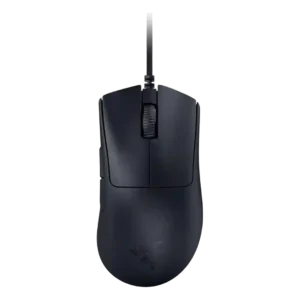
P1 Razer DeathAdder V3
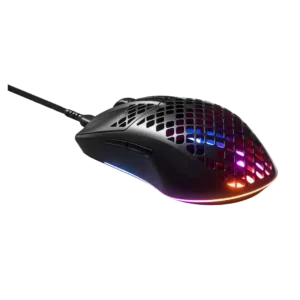
P2 SteelSeries Aerox 3

Comparison Takeaways

Razer DeathAdder V3

Where It Has the Edge

  • palm grip comfort is 4.4 vs 1.9. Palm grip comfort was a major positive, especially for medium-to-large or larger hands using the high ergonomic hump.
  • left and right click quality is 4.1 vs 1.8. Left and right clicks were mostly liked for feel and low travel, though a few reviewers found them...
  • lift-off distance is 4.6 vs 2.3. Lift-off distance support was unusually strong, including asymmetric lift-off and landing cutoffs plus software tuning for advanced users.
  • onboard memory is 4.1 vs 2.0. Onboard memory was useful for profiles and settings, but at least one review noted that button assignments were...

SteelSeries Aerox 3

Where It Has the Edge

  • wireless performance is 4.5 vs 1.0. Wireless performance is favorable in the one direct wireless review, especially around avoiding cable dependence and retaining light...
  • Bluetooth support is 4.5 vs 1.0. Bluetooth support is clearly present in the wireless model, including switching between 2.4GHz and Bluetooth 5.0.
  • ecosystem integration is 4.2 vs 1.0. Ecosystem integration is centered on SteelSeries GG/Engine software for RGB, DPI, and broader customization.
  • RGB features is 4.1 vs 1.1. RGB features are consistently praised or at least recognized, with multiple zones, bright lighting, and attractive visual design.
Average score
Product 1: Razer DeathAdder V3
3.7
Product 2: SteelSeries Aerox 3
3.7
2.4GHz connectivity
Product 1: Razer DeathAdder V3
No score yet
Product 2: SteelSeries Aerox 3
4.5

The Aerox 3 Wireless evidence supports 2.4GHz use through a USB dongle, but only one review directly covers that connection mode.

acceleration control
Product 1: Razer DeathAdder V3
4.7

Acceleration specs were strong, with reviewers citing high max acceleration and treating it as part of the mouse's competitive performance package.

Product 2: SteelSeries Aerox 3
4.3

Acceleration control is described positively, with reviews noting zero or no hardware acceleration in the sensor setup.

Accuracy and tracking precision
Product 1: Razer DeathAdder V3
4.7

Reviewers consistently found tracking accurate and precise, with multiple tests describing smooth aiming, stable movement, and dependable precision.

Product 2: SteelSeries Aerox 3
3.9

Accuracy is praised in several reviews as precise and responsive, though one reviewer reports undershooting tied to sensor placement.

balance and weight distribution
Product 1: Razer DeathAdder V3
3.8

Balance was acceptable but not perfect, with wired-cable weight making the mouse slightly top- or front-heavy in two hands-on reviews.

Product 2: SteelSeries Aerox 3
No score yet
battery life
Product 1: Razer DeathAdder V3
5.0

Battery life is not a practical concern because the mouse is wired, and reviewers framed the lack of battery maintenance as a benefit.

Product 2: SteelSeries Aerox 3
4.5

Battery life is strong in the wireless evidence, with one review citing long Bluetooth and wireless runtimes.

Bluetooth support
Product 1: Razer DeathAdder V3
1.0

Bluetooth support is absent, with reviewers explicitly noting the wired design has no Bluetooth support.

Product 2: SteelSeries Aerox 3
4.5

Bluetooth support is clearly present in the wireless model, including switching between 2.4GHz and Bluetooth 5.0.

build quality
Product 1: Razer DeathAdder V3
4.7

Build quality was mostly excellent, with repeated praise for solid shells, no creaking, and strong wired-version construction.

Product 2: SteelSeries Aerox 3
3.1

Build quality is the most divided hardware area: some reviews call it durable or solid, while others report creaking, flex, and weak structure.

button customization
Product 1: Razer DeathAdder V3
4.2

Button customization through Synapse, remapping, Hypershift, and profile setup was useful, though the software experience itself was mixed.

Product 2: SteelSeries Aerox 3
4.3

Button customization is well supported through SteelSeries software, including DPI, macros, and button function configuration.

button responsiveness
Product 1: Razer DeathAdder V3
4.7

Button responsiveness was widely praised, especially the fast optical-switch feel and responsive click behavior in gaming.

Product 2: SteelSeries Aerox 3
2.9

Button responsiveness ranges from very responsive in positive reviews to hindered by post-travel, wiggle, or accidental clicks in critical reviews.

cable flexibility
Product 1: Razer DeathAdder V3
3.8

Cable flexibility was one of the most divided attributes, praised by several reviewers but criticized by others as stiff, heavy, or merely passable.

Product 2: SteelSeries Aerox 3
2.6

Cable feedback is mixed to negative overall, with one review praising flexibility but several calling it stiff, basic, or poor.

charging convenience
Product 1: Razer DeathAdder V3
5.0

Charging convenience is effectively excellent for users who accept a wire because there is no battery to charge or replace.

Product 2: SteelSeries Aerox 3
4.5

Charging convenience is favorable in the wireless evidence, with fast charging described as adding many hours from a short charge.

claw grip comfort
Product 1: Razer DeathAdder V3
3.6

Claw grip comfort was mixed: some reviewers found it comfortable, while others said the slope or size made claw grip less natural.

Product 2: SteelSeries Aerox 3
3.9

Claw grip support is consistently positive, with multiple reviewers saying the shape works well for claw use.

click latency
Product 1: Razer DeathAdder V3
4.8

Click latency was a major strength, with optical switches and high polling repeatedly tied to very fast or near-instant response.

Product 2: SteelSeries Aerox 3
4.2

Latency and response evidence is mostly positive, with reviews citing latency-free gaming, fast response, or no lag delays.

click noise
Product 1: Razer DeathAdder V3
4.3

Click noise was relatively restrained, with reviewers describing muted or quieter clicks rather than loud mechanical feedback.

Product 2: SteelSeries Aerox 3
4.0

Click noise is not a major concern in the review evidence, with one reviewer saying the clicks were not irritating or overly loud.

connection stability
Product 1: Razer DeathAdder V3
4.0

Connection stability was strong in normal wired use, but the highest polling settings caused stutters or compatibility issues for some reviewers.

Product 2: SteelSeries Aerox 3
4.5

Connection stability is supported by wired-use evidence where the removable cable did not disconnect during fast movement.

DPI range
Product 1: Razer DeathAdder V3
4.7

The 30K DPI ceiling and adjustable DPI stages give the mouse a very wide sensitivity range, though reviewers rarely needed the full maximum.

Product 2: SteelSeries Aerox 3
4.0

DPI range is adequate for the wired model at up to 8,000 or 8,500 CPI/DPI, with wireless evidence mentioning a higher ceiling.

durability over time
Product 1: Razer DeathAdder V3
4.3

Durability over time looked promising from switch ratings and solid construction, though one reviewer questioned coating wear over years.

Product 2: SteelSeries Aerox 3
3.8

Durability evidence is mixed-positive: drops and long-term popularity help, but lightweight construction raises build concerns elsewhere.

ecosystem integration
Product 1: Razer DeathAdder V3
1.0

Ecosystem integration is limited because the lack of RGB means no Chroma lighting integration for this mouse.

Product 2: SteelSeries Aerox 3
4.2

Ecosystem integration is centered on SteelSeries GG/Engine software for RGB, DPI, and broader customization.

ergonomic design
Product 1: Razer DeathAdder V3
4.5

The right-handed ergonomic design was widely praised for comfort, palm support, and long-session usability.

Product 2: SteelSeries Aerox 3
3.9

Ergonomic evidence favors right-handed claw or fingertip users, with ventilation and a right-handed shape mentioned.

fingertip grip comfort
Product 1: Razer DeathAdder V3
2.6

Fingertip comfort was the weakest grip category because the body is large and tall, although a few larger-hand reviewers could use it.

Product 2: SteelSeries Aerox 3
4.0

Fingertip grip support is strong, with several reviews explicitly saying the mouse works for fingertip use.

FPS gaming suitability
Product 1: Razer DeathAdder V3
4.7

FPS suitability was one of the clearest strengths because reviewers tied its speed, low weight, sensor, and simple layout to competitive play.

Product 2: SteelSeries Aerox 3
3.4

FPS suitability is split: some reviews call it ideal for shooters and competitive games, while others say lift-off or tracking issues hurt aim.

glide smoothness
Product 1: Razer DeathAdder V3
4.5

Glide smoothness was broadly praised thanks to PTFE feet and low weight, though a few reviewers swapped skates for preference.

Product 2: SteelSeries Aerox 3
4.0

Glide smoothness is one of the strongest areas, with several reviews praising the PTFE feet and surface movement, though one notes snagging.

grip texture
Product 1: Razer DeathAdder V3
4.0

Grip texture was divisive: many liked the smooth grippy coating, while others found it slick, soapy, or insufficient without grip tape.

Product 2: SteelSeries Aerox 3
3.5

Grip texture is mixed, with praise for coating and matte texture but criticism of slippery side surfaces in one review.

handedness options
Product 1: Razer DeathAdder V3
1.0

Handedness is a clear limitation: the mouse is right-handed only, with no left-handed or ambidextrous version discussed.

Product 2: SteelSeries Aerox 3
2.0

Handedness options are limited because the reviewed shape is described as right-handed only.

left and right click quality
Product 1: Razer DeathAdder V3
4.1

Left and right clicks were mostly liked for feel and low travel, though a few reviewers found them hollow or floaty.

Product 2: SteelSeries Aerox 3
1.8

Left and right click quality is mixed to poor in critical reviews, especially around wobble and post-travel, despite some satisfying-click feedback.

lift-off distance
Product 1: Razer DeathAdder V3
4.6

Lift-off distance support was unusually strong, including asymmetric lift-off and landing cutoffs plus software tuning for advanced users.

Product 2: SteelSeries Aerox 3
2.3

Lift-off distance is highly mixed, with one reviewer having no issue but others calling it high and disruptive.

long-session comfort
Product 1: Razer DeathAdder V3
4.5

Long-session comfort was strong for the right hand and larger grips, helped by the ergonomic hump and low weight.

Product 2: SteelSeries Aerox 3
4.3

Long-session comfort is generally positive, helped by low weight and comfortable shape over extended use.

macro support
Product 1: Razer DeathAdder V3
3.4

Macro support exists but is limited, with reviewers mainly pointing to side-button macros and Hypershift rather than many dedicated inputs.

Product 2: SteelSeries Aerox 3
4.3

Macro support is directly supported through SteelSeries software customization.

materials quality
Product 1: Razer DeathAdder V3
3.6

Materials quality was mixed: reviewers liked the minimalist shell and coating, but some criticized the cable sleeving or cheap-looking underside.

Product 2: SteelSeries Aerox 3
4.2

Materials quality receives positive comments for the matte ABS shell and coating, even when structural build gets criticized.

MMO gaming suitability
Product 1: Razer DeathAdder V3
2.2

MMO suitability is weak because the mouse has only a few extra macros and lacks the many side buttons MMO players often use.

Product 2: SteelSeries Aerox 3
No score yet
motion consistency
Product 1: Razer DeathAdder V3
4.8

Motion consistency was strong in the reviews that tested it, with no stutters or missed movements in normal use and flawless tracking noted.

Product 2: SteelSeries Aerox 3
3.4

Motion consistency is mixed: some reviewers report no tracking problems, while others cite sensor placement, undershooting, or high lift-off effects.

onboard memory
Product 1: Razer DeathAdder V3
4.1

Onboard memory was useful for profiles and settings, but at least one review noted that button assignments were not fully stored internally.

Product 2: SteelSeries Aerox 3
2.0

Onboard memory or device-saved settings are a weak point in one review, where RGB settings reverted after closing software.

palm grip comfort
Product 1: Razer DeathAdder V3
4.4

Palm grip comfort was a major positive, especially for medium-to-large or larger hands using the high ergonomic hump.

Product 2: SteelSeries Aerox 3
1.9

Palm grip comfort is weak, with multiple reviewers saying the small shape is not ideal for palm grip.

polling rate
Product 1: Razer DeathAdder V3
4.3

The 8K polling headline earned praise for speed, but several reviewers noted system-resource demands or game stutter at the highest setting.

Product 2: SteelSeries Aerox 3
4.0

Polling rate is standard for gaming use, with one review specifying 1000Hz and one millisecond.

portability
Product 1: Razer DeathAdder V3
2.5

Portability was a weakness because the mouse is large and wired, with a nonremovable cable and less bag-friendly design.

Product 2: SteelSeries Aerox 3
3.8

Portability is helped by the detachable cable and backpack-friendly design, though one reviewer still prefers the wireless option.

premium feel
Product 1: Razer DeathAdder V3
4.3

Premium feel came from the coating, minimalist finish, and light shell, though it is intentionally plain rather than flashy.

Product 2: SteelSeries Aerox 3
4.3

Premium feel is mixed-positive, with praise for the noble look and fantastic feel but not enough to override all build complaints.

profile switching
Product 1: Razer DeathAdder V3
3.9

Profile and DPI switching were supported through onboard profiles and bottom-mounted DPI/profile controls, though bottom placement was often inconvenient.

Product 2: SteelSeries Aerox 3
No score yet
programmable buttons
Product 1: Razer DeathAdder V3
3.8

The mouse has enough programmable controls for a simple FPS mouse, but reviewers emphasized that it is not feature-packed.

Product 2: SteelSeries Aerox 3
4.3

Programmable button support is clear, with six buttons and software-based button configuration described.

RGB features
Product 1: Razer DeathAdder V3
1.1

RGB is essentially absent, with reviewers repeatedly noting no RGB lighting apart from a small DPI indicator in some descriptions.

Product 2: SteelSeries Aerox 3
4.1

RGB features are consistently praised or at least recognized, with multiple zones, bright lighting, and attractive visual design.

scroll wheel quality
Product 1: Razer DeathAdder V3
3.6

Scroll wheel quality was mixed: some liked the smooth, easy action, while others wanted more defined detents or stronger tactility.

Product 2: SteelSeries Aerox 3
3.8

Scroll wheel quality is mostly adequate to good, with reviewers describing feedback, decent operation, or no major issues.

sensor performance
Product 1: Razer DeathAdder V3
4.8

The Focus Pro 30K sensor was treated as a core strength, repeatedly described as high-end, responsive, and reliable in gaming tests.

Product 2: SteelSeries Aerox 3
3.5

Sensor performance is one of the most disputed traits, from precise and spot-on to severely limited by lift-off or placement issues.

shape comfort
Product 1: Razer DeathAdder V3
4.0

Shape comfort depended heavily on hand size and grip, with strong comfort for larger hands but problems for smaller, fingertip, or some claw users.

Product 2: SteelSeries Aerox 3
3.9

Shape comfort is generally favorable for the intended grips, though not every reviewer loves the Rival 3-derived shape.

side button quality
Product 1: Razer DeathAdder V3
4.4

Side buttons were a recurring strength, often described as reachable, tactile, spacious, or well tensioned, with only one reviewer struggling with placement.

Product 2: SteelSeries Aerox 3
3.1

Side button quality is mixed, with some praise for thin comfortable placement and others criticizing size, sharpness, or accidental clicks.

skate durability
Product 1: Razer DeathAdder V3
4.3

Skate feedback was mostly positive for thickness, rounded edges, and corrected stock-skate feel, though one reviewer disliked Razer's default skates.

Product 2: SteelSeries Aerox 3
2.5

Skate durability has a caution flag because one review says the feet may wear faster on rough surfaces.

software stability
Product 1: Razer DeathAdder V3
3.0

Software stability was mixed because basic settings worked for some reviewers, but high polling produced stutters or issues in several games.

Product 2: SteelSeries Aerox 3
2.0

Software stability is a concern where reviews mention occasional stability problems or settings reverting after software closes.

software usability
Product 1: Razer DeathAdder V3
3.6

Software usability was mixed: some found Synapse intuitive and useful, while one reviewer strongly criticized it as bloated.

Product 2: SteelSeries Aerox 3
3.4

Software usability is mixed: some reviewers call SteelSeries Engine good or polished, while another finds it awkward and notes missing lift-off control.

surface compatibility
Product 1: Razer DeathAdder V3
4.6

Surface compatibility was supported by PTFE feet and hands-on use across different pads, including glass and cloth-style surfaces.

Product 2: SteelSeries Aerox 3
4.7

Surface compatibility is strong in positive reviews, with the mouse working across pads, fabric, tables, and nearly any surface.

switch durability
Product 1: Razer DeathAdder V3
4.7

Switch durability was strongly supported by 90-million-click ratings and optical switch construction, with no major durability complaints in the reviews.

Product 2: SteelSeries Aerox 3
4.5

Switch durability is strong on paper in the reviews, with 80-million-click mechanical switches cited.

switch feel
Product 1: Razer DeathAdder V3
4.4

Switch feel was generally positive, ranging from satisfying and crisp to soft or hollow depending on the reviewer.

Product 2: SteelSeries Aerox 3
3.0

Switch feel is mixed, combining satisfying click feedback with criticism of poor primary click feel in another review.

tilt gesture controls
Product 1: Razer DeathAdder V3
1.0

Tilt gesture controls are absent, with reviewers noting the scroll wheel does not support tilt functionality.

Product 2: SteelSeries Aerox 3
No score yet
value for money
Product 1: Razer DeathAdder V3
4.5

Value was generally positive, especially at sale or standard wired pricing, though a few reviewers wanted more features for the money.

Product 2: SteelSeries Aerox 3
2.8

Value for money is sharply split: article reviews call the pricing fair or strong, while several video reviewers call the wired model overpriced.

water and dust resistance
Product 1: Razer DeathAdder V3
No score yet
Product 2: SteelSeries Aerox 3
4.2

Water and dust resistance is a standout feature through IP54 evidence, though the open shell still creates dust-entry concerns for some.

weight
Product 1: Razer DeathAdder V3
4.8

Low weight was one of the strongest points across reviews, with the mouse repeatedly measured around 57-59g and praised as easy to move.

Product 2: SteelSeries Aerox 3
4.6

Weight is a major strength, with reviewers repeatedly citing 57–59 grams and agile handling.

weight tuning
Product 1: Razer DeathAdder V3
1.0

Weight tuning is absent; the design favors fixed ultralight speed rather than adjustable weights or balance tuning.

Product 2: SteelSeries Aerox 3
No score yet
wireless latency
Product 1: Razer DeathAdder V3
No score yet
Product 2: SteelSeries Aerox 3
4.5

Wireless latency is favorable in the wireless evidence, where gaming is described as lossless and latency-free.

wireless performance
Product 1: Razer DeathAdder V3
1.0

Wireless performance is not a strength because this model is wired; reviewers repeatedly framed wireless as something the Pro version adds.

Product 2: SteelSeries Aerox 3
4.5

Wireless performance is favorable in the one direct wireless review, especially around avoiding cable dependence and retaining light weight.