2.4GHz connectivity
P1
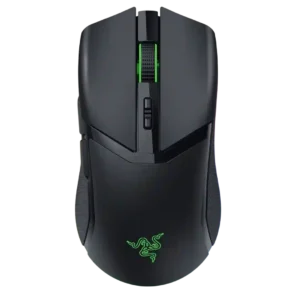
Product 1: Razer Cobra Pro
4.5
2.4GHz connectivity was viewed as the preferred gaming mode thanks to fast, low-latency HyperSpeed use and dongle placement options.
P2
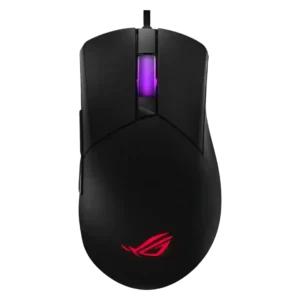
Product 2: ASUS ROG Gladius III Wired
4.0
2.4GHz connectivity was scored from the review that tied the dongle setup to better reception and reliability.
Accuracy and tracking precision
P1
Product 1: Razer Cobra Pro
4.7
Reviewers largely praised tracking as accurate and precise across fast gaming, fine movements, and multiple surfaces, with one caveat that very high DPI could become jittery.
P2
Product 2: ASUS ROG Gladius III Wired
4.1
Tracking was usually described as steady, accurate, or perfect in games, though one wired test observed jitter during repetitive flicks.
balance and weight distribution
P1
Product 1: Razer Cobra Pro
2.5
Balance and weight distribution were a recurring concern among critical reviewers, especially reports of rear heaviness, although one review noted the underside cover could slightly alter balance.
P2
Product 2: ASUS ROG Gladius III Wired
4.0
Weight distribution was praised in one wired review for being biased around the middle, helping swipes feel easier.
Bluetooth support
P1
Product 1: Razer Cobra Pro
4.0
Bluetooth support was valued for travel, laptops, and productivity, but multiple reviewers warned it adds latency for serious gaming.
P2
Product 2: ASUS ROG Gladius III Wired
4.0
Bluetooth support was scored from a review that praised the breadth of the connectivity options including Bluetooth.
build quality
P1
Product 1: Razer Cobra Pro
4.5
Build quality was mostly praised as sturdy, solid, and high-quality, although one critical reviewer felt the overall product lacked refinement.
P2
Product 2: ASUS ROG Gladius III Wired
4.4
Build quality was a consistent strength, with reviewers praising sturdy, monolithic construction, lack of creaks, and solid assembly.
button customization
P1
Product 1: Razer Cobra Pro
4.6
Button customization was a clear strength, with Synapse remapping, profiles, and extra functions repeatedly praised as useful.
P2
Product 2: ASUS ROG Gladius III Wired
4.6
Button customization was a major strength across reviews, especially hot-swappable switches, second-layer inputs, and broad button reassignment.
button responsiveness
P1
Product 1: Razer Cobra Pro
4.4
Button responsiveness was mostly strong, with fast, precise, solid clicks, though a few reviewers found some top controls harder to reach or less convenient.
P2
Product 2: ASUS ROG Gladius III Wired
4.6
Button responsiveness was a clear strength, with reviews praising instant registration, precise clicks, tactile response, and easy activation.
cable flexibility
P1
Product 1: Razer Cobra Pro
3.5
Cable flexibility was mixed, with some reviewers praising a strong, light cable and others finding it stiff or prone to pull.
P2
Product 2: ASUS ROG Gladius III Wired
4.2
Cable impressions were positive overall, especially the flexible, lightweight paracord, though one review noted occasional tangling.
claw grip comfort
P1
Product 1: Razer Cobra Pro
4.6
Claw grip comfort was consistently strong, with reviewers repeatedly identifying claw grip as one of the Cobra Pro’s best fits.
P2
Product 2: ASUS ROG Gladius III Wired
3.8
Claw grip comfort was mostly positive but more qualified, with one review saying claw use worked only to a certain extent.
click latency
P1
Product 1: Razer Cobra Pro
4.7
Click latency was viewed positively, with optical switches and wireless performance described as low-latency or delay-free in gaming use.
P2
Product 2: ASUS ROG Gladius III Wired
4.8
Click and wired latency impressions were very strong, with reviewers repeatedly describing instant registration or no meaningful lag.
click noise
P1
Product 1: Razer Cobra Pro
3.8
Click noise was mixed but generally acceptable, ranging from pronounced and loud to pleasant rather than overpowering.
P2
Product 2: ASUS ROG Gladius III Wired
3.8
Click noise was mixed, with quiet main clicks in one review but squeaking called out in another.
connection stability
P1
Product 1: Razer Cobra Pro
4.7
Connection stability was positively supported by reviewers who reported no connectivity or reliability issues.
P2
Product 2: ASUS ROG Gladius III Wired
4.0
Connection stability was supported by praise for better reception and reliability in the review discussing dongle placement.
cross-platform compatibility
P1
Product 1: Razer Cobra Pro
4.0
Cross-platform compatibility was supported by travel use with laptops and tablets, though evidence beyond that was limited.
P2
Product 2: ASUS ROG Gladius III Wired
4.5
Cross-platform compatibility was scored from the review saying settings work on another PC without needing software.
DPI range
P1
Product 1: Razer Cobra Pro
3.6
DPI control was mixed: dedicated up/down controls were praised for fast switching, but some reviewers called 30,000 DPI overkill, wonky at extremes, or cheaply implemented on the top buttons.
P2
Product 2: ASUS ROG Gladius III Wired
4.5
Reviewers praised the high DPI ceiling and sensitivity, saying it made movement easier across screens and placed the mouse among very sensitive options.
durability over time
P1
Product 1: Razer Cobra Pro
2.5
Durability over time had limited negative evidence, focused on rubber side grips wearing down.
P2
Product 2: ASUS ROG Gladius III Wired
4.5
Durability over time was praised through hot-swappable repairability, longer useful life, and long-term value language.
ecosystem integration
P1
Product 1: Razer Cobra Pro
4.4
Ecosystem integration was a strength for Razer users, with multi-device dongles, Chroma sync, onboard profiles, and Razer accessory compatibility praised.
P2
Product 2: ASUS ROG Gladius III Wired
4.5
Ecosystem integration was positive where the mouse was described as an excellent entry point into the ROG ecosystem.
ergonomic design
P1
Product 1: Razer Cobra Pro
3.8
Ergonomic design was context-dependent: reviewers liked the compact streamlined design for gaming, but larger hands and productivity-first users often preferred larger ergonomic mice.
P2
Product 2: ASUS ROG Gladius III Wired
4.1
Ergonomics were often praised for comfort and shape, though one review emphasized that the chunky shape is not for everyone.
fingertip grip comfort
P1
Product 1: Razer Cobra Pro
4.5
Fingertip grip comfort was also strong, with the compact body and grip shape praised by multiple reviewers.
P2
Product 2: ASUS ROG Gladius III Wired
4.0
Fingertip grip comfort was acceptable to positive, ranging from possible to no-problem depending on hand size and review context.
FPS gaming suitability
P1
Product 1: Razer Cobra Pro
3.8
FPS gaming suitability was mixed: reviewers praised tracking and responsiveness, but ultralight-focused players often preferred lighter mice.
P2
Product 2: ASUS ROG Gladius III Wired
3.8
FPS suitability was mixed: reviewers praised gaming capability and arm aiming but noted weight, shape adjustment, or missing DPI clutch caveats.
glide smoothness
P1
Product 1: Razer Cobra Pro
4.7
Glide smoothness was one of the most consistent positives, with PTFE feet described as smooth, controlled, effortless, or excellent.
P2
Product 2: ASUS ROG Gladius III Wired
4.7
Glide smoothness was one of the strongest areas, with multiple reviews praising smooth, effortless, sublime, or unobstructed movement.
grip texture
P1
Product 1: Razer Cobra Pro
3.8
Grip texture was divisive: many reviewers liked the rubberized sides, while others criticized wear, slipperiness, fingerprints, or the inability to remove the grips.
P2
Product 2: ASUS ROG Gladius III Wired
4.5
Grip texture was consistently praised where reviewed, with grippy matte panels and side patterns that actually helped control.
handedness options
P1
Product 1: Razer Cobra Pro
2.4
Handedness options were weak because the symmetrical shell still places side buttons only on one side, limiting true left-handed usability.
P2
Product 2: ASUS ROG Gladius III Wired
2.5
Handedness evidence was negative where a reviewer found the side buttons hard to hit with the left hand.
left and right click quality
P1
Product 1: Razer Cobra Pro
4.1
Main click quality was generally positive for speed and confidence, but one reviewer preferred competing click implementations.
P2
Product 2: ASUS ROG Gladius III Wired
3.7
Main click quality was mixed: some reviews praised crisp, quiet clicks, while others reported tightness or main-button wobble.
lift-off distance
P1
Product 1: Razer Cobra Pro
4.3
Lift-off distance and tracking-distance options were praised where tested, especially Synapse’s granular adjustment and asymmetric cut-off support.
P2
Product 2: ASUS ROG Gladius III Wired
4.5
Lift-off distance control was praised as a software luxury because it could reduce the effect of lifting during play.
long-session comfort
P1
Product 1: Razer Cobra Pro
3.8
Long-session comfort was mixed, with some reviewers reporting fatigue-free use and others finding the mouse cumbersome or uncomfortable over time.
P2
Product 2: ASUS ROG Gladius III Wired
4.2
Long-session comfort was positive, with reviewers describing comfort after hours, fatigue-free gaming, and planted extended swipes.
macro support
P1
Product 1: Razer Cobra Pro
3.8
Macro support was split: some reviewers praised easy macros and presets, while another noted the software did not offer fully programmable macros in their assessment.
P2
Product 2: ASUS ROG Gladius III Wired
4.2
Macro support received positive evidence where reviewers described helpful macro assignment or macro recording within the software feature set.
materials quality
P1
Product 1: Razer Cobra Pro
4.0
Materials quality received limited but positive support from a reviewer who called the skates high quality.
P2
Product 2: ASUS ROG Gladius III Wired
3.9
Materials were mostly solid, but evidence was mixed by oil-prone shiny plastic and praise for sturdy or grippy hard plastic construction.
MMO gaming suitability
P1
Product 1: Razer Cobra Pro
2.2
MMO gaming suitability was weak because reviewers said the Cobra Pro lacks enough inputs for MMO-style play.
P2
Product 2: ASUS ROG Gladius III Wired
5.0
MMO suitability was strongly praised in the Gear Link review because SpeedShift was described as perfect for MMO players.
motion consistency
P1
Product 1: Razer Cobra Pro
4.8
Motion consistency was praised in one review that found movement smoother and more accurate than most mice in the reviewer’s collection.
P2
Product 2: ASUS ROG Gladius III Wired
4.1
Motion consistency was generally praised for no lag, stutter, velocity drops, or unwanted movement, though one review saw jitter at flick peaks.
onboard memory
P1
Product 1: Razer Cobra Pro
4.4
Onboard memory was praised for storing profiles and reducing dependence on software once settings were configured.
P2
Product 2: ASUS ROG Gladius III Wired
5.0
Onboard memory was praised because configured settings could carry to another PC without needing the software again.
palm grip comfort
P1
Product 1: Razer Cobra Pro
3.8
Palm grip comfort depended heavily on hand size, working for small-to-medium hands but not for larger palm-grip users.
P2
Product 2: ASUS ROG Gladius III Wired
4.3
Palm grip comfort was generally positive, with reviewers saying the mouse suited palm users or caused no problems for palm and fingertip users.
polling rate
P1
Product 1: Razer Cobra Pro
3.9
Polling support was useful and sometimes praised for reducing lag, but reviewers noted higher rates require extra accessories and that the stock 1,000Hz rate trails some competitors.
P2
Product 2: ASUS ROG Gladius III Wired
3.5
Polling evidence was split: one review found average performance with jitter, while another did not notice significant inconsistencies.
premium feel
P1
Product 1: Razer Cobra Pro
4.5
Premium feel was praised in the grip, futuristic design, solid construction, and overall quality impression.
P2
Product 2: ASUS ROG Gladius III Wired
4.3
Premium feel was generally positive, with praise for quality ROG branding, standout looks, and an aesthetically pleasing design.
profile switching
P1
Product 1: Razer Cobra Pro
3.8
Profile switching was polarizing: some liked stored profiles and software-free switching, while others found the underside button odd or awkward.
P2
Product 2: ASUS ROG Gladius III Wired
4.0
Profile switching was supported by positive on-the-fly profile-switching evidence from the Gear Link review.
programmable buttons
P1
Product 1: Razer Cobra Pro
4.0
Programmable-button opinions were mixed: reviewers liked the extra utility, but some said the 10-control claim was inflated by underside or scroll functions.
P2
Product 2: ASUS ROG Gladius III Wired
4.4
Programmable controls were praised through remapping, SpeedShift, macro-related options, and customizable side buttons.
RGB features
P1
Product 1: Razer Cobra Pro
4.6
RGB was one of the strongest positives, repeatedly praised for vivid underglow, tasteful placement, and customization, though it affected battery life.
P2
Product 2: ASUS ROG Gladius III Wired
4.2
RGB was generally praised as stylish, subtle, bright, and configurable, though the Core review described a more limited two-zone setup.
scroll wheel quality
P1
Product 1: Razer Cobra Pro
4.0
Scroll wheel feedback was mixed: some reviewers found it secure, precise, or solid, while others disliked the locked, bumpy, or ordinary feel.
P2
Product 2: ASUS ROG Gladius III Wired
3.5
Scroll wheel feedback was mixed, combining praise for detents and tactile stability with complaints about wobble or squeaking.
sensor performance
P1
Product 1: Razer Cobra Pro
4.8
The Focus Pro sensor was a major strength, repeatedly described as smooth, accurate, and top-tier, with only skeptical reviewers focusing more on the mouse’s design than sensor output.
P2
Product 2: ASUS ROG Gladius III Wired
4.1
Sensor sentiment was mostly positive, ranging from steady and lag-free to more than sufficient or flawless, with one wired review noting lower sensor performance.
shape comfort
P1
Product 1: Razer Cobra Pro
4.3
Shape comfort was broadly positive for small and medium hands and mixed grip styles, but reviewers with larger hands or Viper Mini expectations were less convinced.
P2
Product 2: ASUS ROG Gladius III Wired
3.8
Shape comfort depended heavily on hand size and preference, with praise for the signature ergonomic shape but complaints that it was chunky or not ideal for wider hands.
side button quality
P1
Product 1: Razer Cobra Pro
4.4
Side buttons were usually praised for access, low travel, and tactility, with a few reviewers finding them softer or simply adequate.
P2
Product 2: ASUS ROG Gladius III Wired
3.9
Side button quality was context-dependent, with praise for tactile feedback and convenient placement but a left-hand usability complaint.
software stability
P1
Product 1: Razer Cobra Pro
2.2
Software stability had limited negative support from one reviewer who said Synapse had been less stable than in the past.
P2
Product 2: ASUS ROG Gladius III Wired
5.0
Software stability was praised in the Gear Link review for running quickly and reliably.
software usability
P1
Product 1: Razer Cobra Pro
3.9
Software usability was mixed: Synapse offered deep control and customization, but several reviewers found it bloaty, unpleasant, or only necessary for advanced setup.
P2
Product 2: ASUS ROG Gladius III Wired
4.0
Software usability was mostly positive for helpful diagrams and Gear Link convenience, but some reviewers found Armoury Crate less slick or mixed.
surface compatibility
P1
Product 1: Razer Cobra Pro
4.6
Surface compatibility was strong, with reviewers praising tracking on glass and other surfaces, plus calibration for changing setups.
P2Product 2: ASUS ROG Gladius III Wired
No score yetswitch durability
P1
Product 1: Razer Cobra Pro
4.5
Switch durability was supported by reviewer confidence in long click life, though most mentions of the 90-million-click rating were factual rather than tested long-term.
P2
Product 2: ASUS ROG Gladius III Wired
4.5
Switch durability scored well because reviewers valued improved switches, easy replacement, and the ability to extend the mouse’s useful life.
switch feel
P1
Product 1: Razer Cobra Pro
4.4
Switch feel was generally praised as tactile, clicky, satisfying, and premium, though a few reviewers found the feel heavier or preferred other switch implementations.
P2
Product 2: ASUS ROG Gladius III Wired
4.9
Switch feel was one of the strongest themes, with reviewers praising tactile, crisp, clicky, snappy, and customizable switch behavior.
value for money
P1
Product 1: Razer Cobra Pro
3.6
Value for money was sharply divided: some reviewers saw a premium package worth the price, while others criticized the high base price and extra accessory costs.
P2
Product 2: ASUS ROG Gladius III Wired
4.6
Value for money was repeatedly praised through reasonable pricing, affordability, strong feature set, and getting a lot for the money.
weight
P1
Product 1: Razer Cobra Pro
3.3
Weight drew the most divided responses: some liked the 77g middle ground, while many FPS-focused reviewers called it heavy, sluggish, or disproportionate for its size.
P2
Product 2: ASUS ROG Gladius III Wired
3.8
Weight opinions were mixed: some reviewers liked the lighter feel, while others still found it heavy versus ultralight or FPS-focused mice.
wireless performance
P1
Product 1: Razer Cobra Pro
4.7
Wireless performance was strong, with reviewers reporting responsive 2.4GHz performance, seamless response, and no perceptible latency in normal wireless play.
P2
Product 2: ASUS ROG Gladius III Wired
4.5
Wireless performance was praised in the review that discussed tri-mode connectivity as outstanding with more options than needed.