2.4GHz connectivity
P1
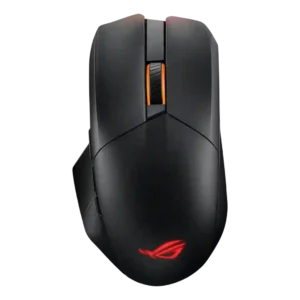
Product 1: ASUS ROG Chakram X
3.9
2.4GHz connectivity was regarded as versatile and generally usable, though one reviewer found its polling-rate drop only adequate for slower games.
P2
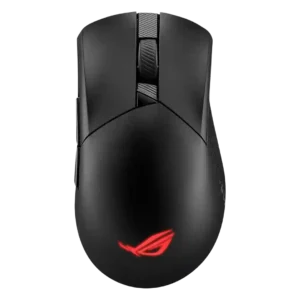
Product 2: ASUS ROG Gladius III Wireless
4.4
2.4GHz connectivity was praised for gaming latency, stability, and being a major selling point.
Accuracy and tracking precision
P1
Product 1: ASUS ROG Chakram X
4.6
Tracking accuracy drew strong praise, with reviewers reporting precise aim, useful accuracy tools, and good in-game outcomes.
P2
Product 2: ASUS ROG Gladius III Wireless
4.8
Tracking precision was repeatedly praised, with reviewers calling the sensor precise and accurate; one reviewer found very high DPI settings messy.
analog joystick usability
P1
Product 1: ASUS ROG Chakram X
2.8
Reviewers were sharply split: some praised the side joystick as useful and customizable, while many found it awkward, stiff, poorly placed, or not worthwhile for gaming.
P2Product 2: ASUS ROG Gladius III Wireless
No score yetbalance and weight distribution
P1
Product 1: ASUS ROG Chakram X
4.5
Weight balance was praised more than raw weight, with reviewers noting a planted, stable, or well-balanced feel.
P2
Product 2: ASUS ROG Gladius III Wireless
4.5
Balance evidence was limited but positive, with one reviewer saying the mouse felt well balanced and lighter in hand.
battery life
P1
Product 1: ASUS ROG Chakram X
4.4
Battery life was a standout strength, with repeated praise for long runtime, though RGB use reduced endurance in one review.
P2
Product 2: ASUS ROG Gladius III Wireless
4.3
Battery life was broadly praised, especially on 2.4GHz and Bluetooth, though a few reviewers found it merely decent or mixed with RGB.
Bluetooth support
P1
Product 1: ASUS ROG Chakram X
3.7
Bluetooth was useful for productivity and multiple devices but not treated as a serious gaming mode.
P2
Product 2: ASUS ROG Gladius III Wireless
4.1
Bluetooth support was useful for battery life and multi-device use, but lower polling or lighter-use caveats appeared.
build quality
P1
Product 1: ASUS ROG Chakram X
4.2
Build quality was viewed positively, with reviewers describing the construction as sturdy, proper, or solid.
P2
Product 2: ASUS ROG Gladius III Wireless
4.2
Build quality was divided: several reviewers found it sturdy or well manufactured, while others described cheap or fragile shell impressions.
button customization
P1
Product 1: ASUS ROG Chakram X
4.3
Button customization was a major strength, with extensive remapping and joystick mode flexibility, despite software caveats.
P2
Product 2: ASUS ROG Gladius III Wireless
4.5
Button customization was praised where reviewers discussed comprehensive software control and full configurability.
button responsiveness
P1
Product 1: ASUS ROG Chakram X
4.3
Core button response was generally praised as responsive, fast, and well weighted.
P2
Product 2: ASUS ROG Gladius III Wireless
3.8
Button responsiveness was mixed: one reviewer liked the key impression, while another found the main clicks firmer than expected.
cable flexibility
P1
Product 1: ASUS ROG Chakram X
3.5
Cable feel was mixed: one reviewer praised flexibility, while another found the paracord stiffer than expected.
P2
Product 2: ASUS ROG Gladius III Wireless
4.2
Cable flexibility was mostly positive for light, soft, flexible use, but one reviewer warned it kinked easily.
charging convenience
P1
Product 1: ASUS ROG Chakram X
4.0
Charging convenience was mostly praised for quick charging, Qi support, and accessible charging, with one caveat about keeping USB-C nearby.
P2
Product 2: ASUS ROG Gladius III Wireless
4.5
Charging convenience was praised because the mouse can be used while charging and has convenient USB-C behavior.
claw grip comfort
P1
Product 1: ASUS ROG Chakram X
4.3
Claw grip support was positive in the reviews that addressed it, especially for medium to large hands.
P2
Product 2: ASUS ROG Gladius III Wireless
4.4
Claw grip comfort was generally positive, with reviewers saying the ergonomics worked well for claw users.
click latency
P1
Product 1: ASUS ROG Chakram X
3.0
Click response felt fast, but one reviewer found the light actuation too trigger-happy.
P2
Product 2: ASUS ROG Gladius III Wireless
4.9
Click latency was consistently praised, with reviewers citing quick switch response, instant actuation, and zero or very low wireless delay.
click noise
P1
Product 1: ASUS ROG Chakram X
4.0
Click noise was liked in the one review that addressed it, with a dampened sound profile.
P2
Product 2: ASUS ROG Gladius III Wireless
3.3
Click noise was mixed: some found it quiet or acceptable, while others called it noisy or cheap-sounding.
cross-platform compatibility
P1
Product 1: ASUS ROG Chakram X
4.3
Cross-platform or multi-device use was praised for switching between systems and productivity devices.
P2
Product 2: ASUS ROG Gladius III Wireless
4.7
Cross-platform compatibility was positive, especially for Mac, iPad, and multi-device workflows.
DPI range
P1
Product 1: ASUS ROG Chakram X
4.3
The DPI range was viewed as very broad and highly adjustable, though one review considered the top end overkill for most players.
P2
Product 2: ASUS ROG Gladius III Wireless
3.8
The DPI ceiling impressed reviewers, though several framed the highest settings as overkill or awkward rather than broadly useful.
durability over time
P1
Product 1: ASUS ROG Chakram X
3.5
Durability over time was mixed because switch longevity was praised, while joystick usefulness over time was doubted.
P2
Product 2: ASUS ROG Gladius III Wireless
3.5
Durability over time was mixed: swappable parts inspired longevity confidence, but one reviewer returned it over daily-use confidence concerns.
ecosystem integration
P1
Product 1: ASUS ROG Chakram X
4.5
ROG ecosystem integration was praised for syncing the mouse with an ASUS desktop setup.
P2
Product 2: ASUS ROG Gladius III Wireless
3.5
Ecosystem integration was mixed but present, with Armoury Crate centralizing ASUS devices while feeling overloaded for mouse-only use.
ergonomic design
P1
Product 1: ASUS ROG Chakram X
4.3
Ergonomics were generally praised, especially for right-handed and larger-hand use.
P2
Product 2: ASUS ROG Gladius III Wireless
4.4
Ergonomics were mostly praised for comfort, though one reviewer treated the shape as neutral rather than standout.
fingertip grip comfort
P1
Product 1: ASUS ROG Chakram X
3.0
Fingertip comfort was mixed, with one reviewer saying the right side lacked grip while another found the shape could aid fingertip aimers.
P2
Product 2: ASUS ROG Gladius III Wireless
3.4
Fingertip comfort was mixed, with some reviewers saying it worked and others doubting success or noting reach issues.
firmware reliability
P1
Product 1: ASUS ROG Chakram X
2.0
Firmware reliability had a negative mention because setup forced a firmware update and restart.
P2
Product 2: ASUS ROG Gladius III Wireless
2.3
Firmware reliability drew negative evidence around inconvenient update requirements and forced software behavior.
FPS gaming suitability
P1
Product 1: ASUS ROG Chakram X
1.5
FPS suitability was weak overall because competitive misclick concerns and lightweight-performance alternatives were raised.
P2
Product 2: ASUS ROG Gladius III Wireless
4.6
FPS gaming suitability was strong, with reviewers praising flicks, fast-paced shooters, and FPS accuracy.
glide smoothness
P1
Product 1: ASUS ROG Chakram X
4.5
Glide smoothness was one of the most consistent positives, with reviewers praising PTFE feet and slick, smooth motion.
P2
Product 2: ASUS ROG Gladius III Wireless
4.7
Glide smoothness was one of the strongest positives, with many reviewers praising PTFE feet and smooth, effortless movement.
grip texture
P1
Product 1: ASUS ROG Chakram X
3.7
Grip texture was mostly helpful, with praise for textured areas, though one review found the hold still not fully confident.
P2
Product 2: ASUS ROG Gladius III Wireless
4.4
Grip texture was mostly praised for secure control, though one reviewer noted dirt buildup and another found one side slightly slippier.
handedness options
P1
Product 1: ASUS ROG Chakram X
1.8
Handedness was a clear limitation because reviewers noted the mouse favors right-handed users and can be uncomfortable for lefties.
P2
Product 2: ASUS ROG Gladius III Wireless
2.0
Handedness options were a consistent limitation because the mouse is clearly right-handed and not suited to left-handed users.
left and right click quality
P1
Product 1: ASUS ROG Chakram X
2.0
Left and right clicks were divisive: some liked the tactile feel, while others reported accidental activation or heavier clicks.
P2
Product 2: ASUS ROG Gladius III Wireless
4.4
Left and right click quality was generally strong for low play and instant feel, but one reviewer noted post-travel.
long-session comfort
P1
Product 1: ASUS ROG Chakram X
3.5
Long-session comfort was mixed, with praise for support and balance but complaints about fatigue or hand pain in specific uses.
P2
Product 2: ASUS ROG Gladius III Wireless
4.5
Long-session comfort was generally positive, with reviewers citing less fatigue and comfort over longer periods.
materials quality
P1
Product 1: ASUS ROG Chakram X
4.5
Materials felt premium to reviewers, especially the matte or plastic finish and hand feel.
P2
Product 2: ASUS ROG Gladius III Wireless
4.1
Materials quality was mixed, ranging from hollow-feeling plastic criticism to praise for premium look, good fit, and clean finish.
MMO gaming suitability
P1
Product 1: ASUS ROG Chakram X
2.8
MMO suitability was mixed: situational bindings helped in one MMO-style game, but misclick concerns remained a serious caveat.
P2
Product 2: ASUS ROG Gladius III Wireless
2.5
MMO gaming suitability was weak, with one reviewer saying the button count was not enough for mapping.
motion consistency
P1
Product 1: ASUS ROG Chakram X
4.5
Motion control was praised in-game, with reviewers noting smooth tracking and responsive movement.
P2
Product 2: ASUS ROG Gladius III Wireless
5.0
Motion consistency evidence was limited but positive, with one reviewer reporting no jittering during use.
palm grip comfort
P1
Product 1: ASUS ROG Chakram X
4.0
Palm grip support was mostly positive, especially for smaller or larger palm-grip users depending on the reviewer.
P2
Product 2: ASUS ROG Gladius III Wireless
4.6
Palm grip comfort was consistently positive, with reviewers frequently calling it ideal, comfortable, or a natural fit.
polling rate
P1
Product 1: ASUS ROG Chakram X
4.0
Wired 8,000Hz polling impressed several reviewers, but others found the difference noticeable only modestly or hard to feel.
P2
Product 2: ASUS ROG Gladius III Wireless
4.5
Polling rate evidence was positive overall, with one benchmark exceeding 1,000Hz and another reviewer saying 1,000Hz felt sufficient for quick response.
portability
P1
Product 1: ASUS ROG Chakram X
4.3
Portability was supported by the pouch and versatile connection options.
P2
Product 2: ASUS ROG Gladius III Wireless
4.3
Portability received positive but limited evidence from reviewers who liked multi-device flexibility and travel usefulness.
premium feel
P1
Product 1: ASUS ROG Chakram X
4.9
Premium feel was a consistent positive, with reviewers describing the mouse as dreamlike, above the competition, or premium.
P2
Product 2: ASUS ROG Gladius III Wireless
4.2
Premium feel was mixed, with some quality/aesthetic praise but also a view that the mouse is well-made yet basic.
profile switching
P1
Product 1: ASUS ROG Chakram X
4.3
Profile switching was praised for making it easy to move between games or setups.
P2
Product 2: ASUS ROG Gladius III Wireless
4.7
Profile switching was praised as convenient, simple, and available directly from the mouse.
programmable buttons
P1
Product 1: ASUS ROG Chakram X
4.3
Programmable controls were valued for remapping, extra commands, and game-specific actions.
P2
Product 2: ASUS ROG Gladius III Wireless
4.5
Programmable-button evidence was limited but positive, tied to reviewers praising broad configuration options.
RGB features
P1
Product 1: ASUS ROG Chakram X
3.8
RGB was generally liked for execution, visibility, and dark-room usefulness, though one video review disliked the blurred rear logo effect.
P2
Product 2: ASUS ROG Gladius III Wireless
4.2
RGB features were generally liked for subtlety and placement, though reviewers also noted battery drain.
scroll wheel quality
P1
Product 1: ASUS ROG Chakram X
4.2
The scroll wheel received steady praise for grip, smoothness, tactile steps, and satisfying operation.
P2
Product 2: ASUS ROG Gladius III Wireless
4.2
Scroll wheel quality was mixed: several reviewers liked the feel and increments, while others criticized rattling, cheap sound, or limited resistance adjustment.
sensor performance
P1
Product 1: ASUS ROG Chakram X
4.6
The AimPoint sensor was consistently described as fast, precise, and gaming-capable.
P2
Product 2: ASUS ROG Gladius III Wireless
4.6
Sensor performance was a standout strength, especially for the AimPoint sensor, which reviewers described as capable, problem-free, and among the best.
shape comfort
P1
Product 1: ASUS ROG Chakram X
3.4
Shape comfort varied by hand size: some found general use comfortable, while larger or smaller hands exposed fit issues.
P2
Product 2: ASUS ROG Gladius III Wireless
4.4
Shape comfort was a major positive for many reviewers, especially for larger or palm-oriented hands, but some found it too small or bulky.
side button quality
P1
Product 1: ASUS ROG Chakram X
1.9
Side buttons were a repeated weakness, criticized for being tiny, awkward, too far apart, or easy to hit accidentally.
P2
Product 2: ASUS ROG Gladius III Wireless
4.6
Side button quality was praised for tactile feedback, placement, and responsiveness, with only limited caveats around reach.
software stability
P1
Product 1: ASUS ROG Chakram X
1.2
Software stability was a major concern in negative reviews, including failed settings access, endless loading, and background CPU use.
P2
Product 2: ASUS ROG Gladius III Wireless
2.3
Software stability was mixed-to-negative, with Bluetooth detection and Armoury Crate failures hurting confidence.
software usability
P1
Product 1: ASUS ROG Chakram X
2.8
Software usability was highly polarized, from easy and user-friendly to frustrating, slow, or deeply disliked.
P2
Product 2: ASUS ROG Gladius III Wireless
3.8
Software usability was the most mixed major area: some found Armoury Crate polished or comprehensive, while others called it bloated, overloaded, or unusable.
surface compatibility
P1
Product 1: ASUS ROG Chakram X
4.0
Surface calibration was praised in one review as a useful way to tune performance for a mouse pad.
P2
Product 2: ASUS ROG Gladius III Wireless
5.0
Surface compatibility evidence was limited but positive, with one reviewer getting consistent results across surfaces.
switch durability
P1
Product 1: ASUS ROG Chakram X
4.3
Switch longevity was viewed positively because reviewers highlighted the high click rating and lasting stock switches.
P2
Product 2: ASUS ROG Gladius III Wireless
4.8
Switch durability and replaceability were a major strength, with reviewers repeatedly praising hot-swappable switches, longevity, and repairability.
switch feel
P1
Product 1: ASUS ROG Chakram X
3.8
Switch feel was mostly liked for tactile or satisfying feedback, though one review found the lighter switches too sensitive.
P2
Product 2: ASUS ROG Gladius III Wireless
4.2
Switch feel was mostly liked, especially the satisfying default switches, though one reviewer disliked the sound of the replaceable Omrons.
value for money
P1
Product 1: ASUS ROG Chakram X
3.1
Value was mixed: some saw the feature set as worth it, while others found the high price hard to justify given flaws.
P2
Product 2: ASUS ROG Gladius III Wireless
3.9
Value for money was sharply mixed, with praise for feature value and bang-for-buck offset by high-price criticism.
weight
P1
Product 1: ASUS ROG Chakram X
2.6
Weight was one of the main compromises: reviewers often called it heavy, though one found the added mass acceptable for its features.
P2
Product 2: ASUS ROG Gladius III Wireless
4.0
Weight split reviewers: many liked the 79g/89g feel, while others thought it was not ultralight or dated against newer esports mice.
wireless latency
P1
Product 1: ASUS ROG Chakram X
3.8
Wireless latency was mixed by mode: 2.4GHz was usable or strong, while slower-paced caveats appeared in one review.
P2
Product 2: ASUS ROG Gladius III Wireless
4.8
Wireless latency was a strength, with reviewers reporting improved latency, no delays, and minimal input lag.
wireless performance
P1
Product 1: ASUS ROG Chakram X
4.5
Wireless performance was praised when connected through the higher-performance wireless modes, especially for aiming and speed.
P2
Product 2: ASUS ROG Gladius III Wireless
4.8
Wireless performance was praised in hands-on use, with reviewers reporting pleasing performance and no lag.