2.4GHz connectivity
P1
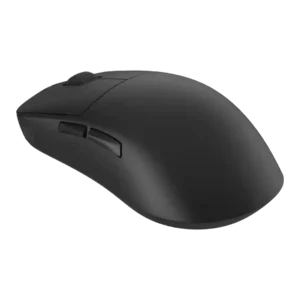
Product 1: Endgame Gear OP1we
4.5
Reviewers who evaluated wireless setup praised the 2.4GHz path as the right performance-first choice, with stable low-latency behavior and easy receiver use.
P2
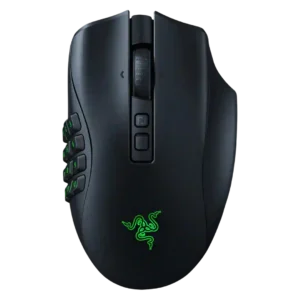
Product 2: Razer Naga V2 Pro
5.0
Reviewers found the 2.4GHz HyperSpeed connection essentially wired-like, with strong responsiveness and no meaningful connection complaints.
Accuracy and tracking precision
P1
Product 1: Endgame Gear OP1we
4.6
Tracking precision is consistently praised, with reviewers reporting accurate movement capture, sharper flicks, and strong in-game aiming results.
P2
Product 2: Razer Naga V2 Pro
4.9
Tracking accuracy was repeatedly praised as precise, flawless, or consistently smooth across gaming and desktop use.
balance and weight distribution
P1
Product 1: Endgame Gear OP1we
4.4
Weight balance is mostly praised as excellent or practically perfect, though one reviewer felt the dense small-body feel made movement less effortless.
P2Product 2: Razer Naga V2 Pro
No score yetbattery life
P1
Product 1: Endgame Gear OP1we
4.0
Battery life is strong on OP1we-style 1K use, but high-polling variants receive more qualified comments around ordinary or short 30-hour endurance.
P2
Product 2: Razer Naga V2 Pro
4.6
Battery life was broadly praised, especially with RGB reduced or disabled, though one reviewer saw faster drain with lighting on.
Bluetooth support
P1
Product 1: Endgame Gear OP1we
3.3
Bluetooth evidence is split: one reviewer missed it as an option, while another praised Bluetooth 5.1 for convenience and broader device compatibility.
P2
Product 2: Razer Naga V2 Pro
2.7
Bluetooth was viewed as useful for battery life or fallback use, but several reviewers warned it felt slower or worse than 2.4GHz for gaming.
build quality
P1
Product 1: Endgame Gear OP1we
4.6
Build quality is one of the strongest consensus positives, with most reviewers calling the mouse solid, durable, tank-like, or exceptionally well put together.
P2
Product 2: Razer Naga V2 Pro
5.0
Build quality was consistently described as sturdy, solid, premium, and reassuring despite the modular side-plate design.
button customization
P1
Product 1: Endgame Gear OP1we
4.2
Button customization is generally praised because reviewers found remapping and settings easy, though the broader software presentation is not always polished.
P2
Product 2: Razer Naga V2 Pro
4.7
Customization was one of the clearest strengths, with swappable plates and extensive button options praised across nearly every review.
button responsiveness
P1
Product 1: Endgame Gear OP1we
3.8
Button responsiveness is polarized: many reviewers found actuation precise and fast, but several criticized heavy, slow, or stability-disrupting clicks.
P2
Product 2: Razer Naga V2 Pro
4.9
Button response was rated highly, with clicks described as tactile, responsive, satisfying, and free of noticeable delay.
cable flexibility
P1
Product 1: Endgame Gear OP1we
4.4
Cable-related evidence on wired variants is positive overall, with reviewers praising lightness, flexibility, and very low drag.
P2
Product 2: Razer Naga V2 Pro
4.5
Cable quality was praised where discussed, especially the soft, smooth charging cable and the included woven cable.
charging convenience
P1
Product 1: Endgame Gear OP1we
4.0
Charging convenience has limited but positive support, with one review praising the USB-C setup for fast data transfer and quick charging.
P2
Product 2: Razer Naga V2 Pro
4.1
Charging was mostly convenient, especially through the flexible cable or optional dock, though one user disliked unplugging the cable and others questioned dock value.
claw grip comfort
P1
Product 1: Endgame Gear OP1we
4.4
Claw grip comfort is a major strength, especially for aggressive or relaxed claw users, though the exact fit depends on hand size and hump preference.
P2
Product 2: Razer Naga V2 Pro
3.8
Claw grip comfort was acceptable for some users, though the 12-button side plate could make claw grip harder.
click latency
P1
Product 1: Endgame Gear OP1we
4.3
Click latency evidence ranges from merely adjustable to outstanding, with the strongest reviews calling it the best or very fast in practice.
P2
Product 2: Razer Naga V2 Pro
5.0
Click latency drew strong praise, with reviewers reporting no noticeable delay in button registration.
connection stability
P1
Product 1: Endgame Gear OP1we
4.5
Connection stability has limited direct evidence but is praised where mentioned, tied to the reviewer’s approval of 2.4GHz reliability.
P2
Product 2: Razer Naga V2 Pro
5.0
Connection stability was praised for lag-free, dropout-free wireless performance during games.
cross-platform compatibility
P1
Product 1: Endgame Gear OP1we
4.0
Cross-platform compatibility has limited positive support from the review that praised Bluetooth convenience across a broader range of devices.
P2
Product 2: Razer Naga V2 Pro
3.5
Platform support was mixed: connectivity options widened device use, but Synapse being Windows-only limited full customization.
debounce customization
P1
Product 1: Endgame Gear OP1we
4.1
Debounce customization is seen as a meaningful enthusiast feature, especially for multi-click filtering and double-click protection, though some settings require tuning.
P2Product 2: Razer Naga V2 Pro
No score yetDPI range
P1
Product 1: Endgame Gear OP1we
4.0
DPI range is generally useful for sensitivity tuning and accuracy, but one reviewer warned very high DPI can feel jumpy in everyday use.
P2
Product 2: Razer Naga V2 Pro
4.7
The high DPI range and DPI configuration options were praised as part of the mouse's high-performance sensor package.
durability over time
P1
Product 1: Endgame Gear OP1we
5.0
Durability over time has limited but very strong evidence from one reviewer who expected years of use from the build quality.
P2
Product 2: Razer Naga V2 Pro
4.0
Durability evidence was positive but limited, centered on confidence from sturdy build quality and long-lasting switches.
ergonomic design
P1
Product 1: Endgame Gear OP1we
4.5
Ergonomic design is broadly praised for natural hand feel, stability, and low strain, with some fit limits for larger hands or palm grips.
P2
Product 2: Razer Naga V2 Pro
4.7
Ergonomics were widely praised, especially for medium-to-large right-handed users and long MMO sessions.
fingertip grip comfort
P1
Product 1: Endgame Gear OP1we
4.1
Fingertip comfort is often praised because of the narrow, flat-sided shape, but one reviewer felt heavy stock clicks hurt fingertip suitability.
P2
Product 2: Razer Naga V2 Pro
4.0
Fingertip grip was mentioned as usable, but support was limited and less central than palm or claw grip.
FPS gaming suitability
P1
Product 1: Endgame Gear OP1we
4.4
FPS suitability is a clear strength, with reviewers repeatedly connecting the mouse to fast shooters, competitive play, low weight, and precise aiming.
P2
Product 2: Razer Naga V2 Pro
3.3
FPS suitability was the most mixed gaming use case: performance was strong, but the heavy body hurt fast-flick shooter appeal.
glide smoothness
P1
Product 1: Endgame Gear OP1we
4.3
Glide is usually praised as smooth or excellent, though one review found stock skates less smooth than top competitors and hard-surface use problematic.
P2
Product 2: Razer Naga V2 Pro
4.8
Glide was praised as smooth, with quality PTFE feet helping the heavy mouse move cleanly across mouse mats.
grip texture
P1
Product 1: Endgame Gear OP1we
4.5
Grip texture is a standout positive, with many reviewers praising the coating’s grip, though fingerprints, grime, and sweat marks are recurring tradeoffs.
P2
Product 2: Razer Naga V2 Pro
4.3
Grip texture was praised for improving control and comfort, particularly on the right side and two-/six-button plates.
left and right click quality
P1
Product 1: Endgame Gear OP1we
3.9
Main click quality is the most divided core attribute: some reviewers loved the crisp clicks, while others found them heavy, mushy, or slow.
P2
Product 2: Razer Naga V2 Pro
4.5
Main click quality was praised as satisfying, with a good amount of give.
long-session comfort
P1
Product 1: Endgame Gear OP1we
4.0
Long-session comfort is mostly positive, with reviewers noting reduced strain, no cramping, and broad grip accommodation, though coating sweat marks are a caveat.
P2
Product 2: Razer Naga V2 Pro
4.5
Long-session comfort was generally strong, with reviewers noting comfortable grip and use over extended play or work.
macro support
P1
Product 1: Endgame Gear OP1we
2.5
Macro support is a weakness where mentioned; reviewers noted absent or limited macro options, especially for MMO or complex-binding users.
P2
Product 2: Razer Naga V2 Pro
5.0
Macro support was praised as easy and useful, especially for MMOs and complex workflows.
materials quality
P1
Product 1: Endgame Gear OP1we
4.5
Materials quality has limited positive support, with one review praising PBT plastic for durability and resistance to prolonged gaming wear.
P2
Product 2: Razer Naga V2 Pro
4.5
Materials were generally viewed positively, with matte plastic and textured surfaces described as good-feeling and premium enough.
MMO gaming suitability
P1
Product 1: Endgame Gear OP1we
1.5
MMO suitability has limited but negative evidence because one reviewer said the lack of buttons and macros makes MMO use disappointing.
P2
Product 2: Razer Naga V2 Pro
4.7
MMO suitability was the strongest consensus area, with reviewers repeatedly calling it a top or indispensable MMO mouse.
motion consistency
P1
Product 1: Endgame Gear OP1we
3.5
Motion consistency is mixed: tracking can feel perfectly in tune, but some smoothing or Motion Sync options were described as low-impact or delay-adding.
P2
Product 2: Razer Naga V2 Pro
5.0
Motion consistency was praised, with reviewers describing the sensor and movement as smooth, consistent, and accurate.
onboard memory
P1
Product 1: Endgame Gear OP1we
4.0
Onboard memory has limited positive evidence because a reviewer liked that switch-related settings could be saved directly on the mouse.
P2
Product 2: Razer Naga V2 Pro
5.0
Onboard memory was praised as a major convenience because profiles can live on the mouse without constant Synapse use.
palm grip comfort
P1
Product 1: Endgame Gear OP1we
2.7
Palm grip comfort is inconsistent: smaller-hand palm use can work, but larger-hand or filled-palm users are told to skip and one reviewer found it awkward.
P2
Product 2: Razer Naga V2 Pro
4.5
Palm grip comfort was strong for reviewers who use that grip, though the mouse favors larger or average hands.
polling rate
P1
Product 1: Endgame Gear OP1we
3.9
Polling-rate evidence is mostly positive for competitive specs, but multiple reviewers say ultra-high polling is not always noticeable to normal players.
P2
Product 2: Razer Naga V2 Pro
3.9
The 1,000Hz polling rate was usually seen as enough for most users, though lack of higher polling disappointed some.
premium feel
P1
Product 1: Endgame Gear OP1we
4.6
Premium feel is widely praised through comments about high-quality feel, premium design, and excellent construction, despite occasional stripped-back aesthetics.
P2
Product 2: Razer Naga V2 Pro
4.8
The mouse was often described as premium or substantial, with a solid feel matching its high-end positioning.
profile switching
P1
Product 1: Endgame Gear OP1we
4.0
Profile switching has limited positive support from one review that praised software customization of settings and profiles.
P2
Product 2: Razer Naga V2 Pro
3.8
Profile switching was powerful when it worked, but one user had unstable automatic switching and awkward manual access.
programmable buttons
P1
Product 1: Endgame Gear OP1we
4.2
Programmable button evidence is positive where mentioned, with reviewers appreciating key mapping and functional button placement.
P2
Product 2: Razer Naga V2 Pro
4.9
Programmable buttons were a core strength, with reviewers praising the sheer number and flexibility of assignable controls.
RGB features
P1
Product 1: Endgame Gear OP1we
3.3
RGB evidence is context-dependent: the lack of lighting is framed as battery-friendly or performance-focused, but also less flashy and feature-rich.
P2
Product 2: Razer Naga V2 Pro
3.2
RGB reactions were mixed: some liked the lighting and Chroma control, while others disliked limited zones or battery waste.
scroll wheel quality
P1
Product 1: Endgame Gear OP1we
3.6
Scroll wheel quality is mixed-to-positive, with praise for tactility and defined steps offset by complaints about light activation, shallow grip, or notchiness.
P2
Product 2: Razer Naga V2 Pro
4.4
The HyperScroll Pro wheel drew frequent praise for deep customization, though some reviewers found presets stiff or overkill.
sensor performance
P1
Product 1: Endgame Gear OP1we
4.8
Sensor performance is mostly strong, with praise for accuracy, potency, and in-game feel, though one negative review found some related settings unimpressive.
P2
Product 2: Razer Naga V2 Pro
5.0
Sensor performance was consistently praised, with the Focus Pro sensor described as excellent, accurate, and responsive.
shape comfort
P1
Product 1: Endgame Gear OP1we
4.3
Shape comfort is a major positive for many reviewers, especially the compact narrow form, but some found it too flat, too small, or hand-size dependent.
P2
Product 2: Razer Naga V2 Pro
4.4
Shape comfort was broadly positive, though the bulky body works better for larger hands and MMO-style use than ultralight FPS play.
side button quality
P1
Product 1: Endgame Gear OP1we
4.4
Side button quality is generally praised as crisp, tactile, and premium, with one negative review finding them harsh and undampened.
P2
Product 2: Razer Naga V2 Pro
4.5
Side button quality was usually praised for tactile feel and secure panels, though the dense 12-button layout challenged some users.
software stability
P1
Product 1: Endgame Gear OP1we
2.0
Software stability has limited negative evidence from one review that reported a crash and missing Apply button behavior.
P2
Product 2: Razer Naga V2 Pro
2.4
Software stability was a notable concern, with reports of Synapse bugs, profile problems, and lighting glitches.
software usability
P1
Product 1: Endgame Gear OP1we
4.0
Software usability is mixed: many reviewers liked the simple no-fuss tool, while others found it dated, rudimentary, underexplained, or unstable.
P2
Product 2: Razer Naga V2 Pro
4.2
Software usability was powerful and often easy for basic setup, but the depth of options could feel overwhelming or clunky.
surface compatibility
P1
Product 1: Endgame Gear OP1we
2.0
Surface compatibility has limited negative evidence because one reviewer found hard surfaces caused grating even with the optional sensor skate.
P2
Product 2: Razer Naga V2 Pro
5.0
Surface compatibility was praised in the reviews that tested it, with tracking and glide working well across desks or mouse mats.
switch durability
P1
Product 1: Endgame Gear OP1we
4.4
Switch durability is positively supported by 80-million-actuation claims and anti-double-click sentiment when reviewers evaluated them favorably.
P2
Product 2: Razer Naga V2 Pro
4.8
Switch durability inspired confidence, with reviewers citing long-rated optical switches and peace of mind.
switch feel
P1
Product 1: Endgame Gear OP1we
3.9
Switch feel is sharply split: some praise crisp, satisfying tactility, while others find the stock switches heavy, hollow, or hard to spam.
P2
Product 2: Razer Naga V2 Pro
4.6
Switch feel was praised as crisp, tactile, responsive, and satisfying.
value for money
P1
Product 1: Endgame Gear OP1we
4.2
Value is mostly positive because reviewers cite strong quality for the price, though some compare it unfavorably with cheaper wired alternatives.
P2
Product 2: Razer Naga V2 Pro
3.3
Value was mixed: reviewers praised the feature set but repeatedly noted the high price and overkill factor.
weight
P1
Product 1: Endgame Gear OP1we
4.4
Weight is mostly praised as light or ultralight, but a few reviewers felt the small dense body or heavier-than-rivals mass reduced mobility.
P2
Product 2: Razer Naga V2 Pro
2.9
Weight was the most repeated drawback, with many reviewers calling the mouse heavy or less ideal for fast FPS movement.
wireless latency
P1
Product 1: Endgame Gear OP1we
4.1
Wireless latency is generally acceptable to strong, with stable low-latency comments and no latency-issue reports, though one reviewer notes worse specs than rivals.
P2
Product 2: Razer Naga V2 Pro
5.0
Wireless latency was praised as effectively wired-like, with reviewers reporting no lag or very low latency.
wireless performance
P1
Product 1: Endgame Gear OP1we
4.3
Wireless performance is positive where reviewed, with stable receiver use, no pairing fuss, and solid 3370 implementation comments.
P2
Product 2: Razer Naga V2 Pro
4.9
Wireless performance was consistently strong over 2.4GHz, with reviewers describing it as seamless, reliable, and hiccup-free.