Compare Split Fiction vs Dragon Ball FighterZ

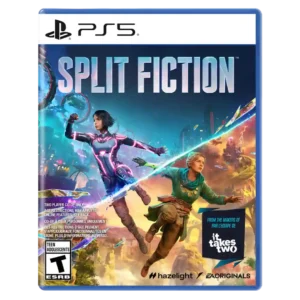
P1 Split Fiction
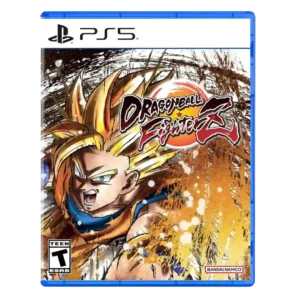
P2 Dragon Ball FighterZ

Comparison Takeaways

Split Fiction

Where It Has the Edge

  • cross-play support is 5.0 vs 2.0. Cross-play support is repeatedly praised as generous and player-friendly, especially when paired with Friend Pass.
  • save system reliability is 4.6 vs 1.8. Save and progression reliability is supported by same-save switching and non-host progression carryover.
  • mission variety is 4.6 vs 2.7. Side stories and mission variety are repeatedly praised as surprising, funny, creative, and often among the best parts...
  • character development is 4.5 vs 2.8. Character development is mixed-positive, with some reviewers praising Mio and Zoe’s arc while others found it slow, predictable,...

Dragon Ball FighterZ

Where It Has the Edge

  • voice acting is 4.4 vs 2.6. Voice acting is positively supported by the review that calls the voiceovers very well done. The evidence is...
  • progression system is 4.0 vs 2.9. Progression receives modest praise where reviewers mention match rewards, party leveling, and character swapping. It gives the single-player...
  • dialogue quality is 4.2 vs 3.2. Dialogue is a positive fan-service element. Reviews praise character-specific dialogue, Dragon Ball melodrama and jokes, and team conversations...
  • handheld play suitability is 4.7 vs 4.2. Handheld play suitability is excellent in Switch-focused reviews. Portability, commute play, and practice while traveling are repeatedly framed...
Average score
Product 1: Split Fiction
4.1
Product 2: Dragon Ball FighterZ
3.8
accessibility options
Product 1: Split Fiction
4.1

Accessibility receives positive notice for enemy-damage toggles, checkpoint skipping, camera help, and QuickTime-event options, though one review found a QTE option bug.

Product 2: Dragon Ball FighterZ
4.5

Accessibility is one of the best-supported positives. Reviews repeatedly cite easy inputs, auto-combos, simple commands, and pick-up-and-play design that help newcomers enter the genre.

age appropriateness
Product 1: Split Fiction
4.0

Age appropriateness is supported by T-rated content with some language, blood, darker themes, and relationship-testing difficulty.

Product 2: Dragon Ball FighterZ
No score yet
AI behavior
Product 1: Split Fiction
No score yet
Product 2: Dragon Ball FighterZ
2.4

AI behavior is criticized in story mode, where enemies are said to lack meaningful strategy or abilities. The evidence supports a low score for single-player AI challenge.

animation quality
Product 1: Split Fiction
4.5

Animation quality is supported mainly by technical praise that characters look good and animate effectively.

Product 2: Dragon Ball FighterZ
4.9

Animation quality is repeatedly praised through immaculate frames, anime-like movement, and detailed cel-shaded animation. The evidence supports a top-tier visual animation score.

art direction
Product 1: Split Fiction
4.7

Art direction is a standout, with repeated praise for gorgeous, varied, imaginative environments across sci-fi and fantasy spaces.

Product 2: Dragon Ball FighterZ
4.8

Art direction is excellent. Reviews praise the cel-shaded look, anime-style presentation, and fast visual style as central to the product’s identity.

atmosphere
Product 1: Split Fiction
4.6

Atmosphere is colorful, kinetic, and entertaining, helped by broad genre shifts and energetic presentation.

Product 2: Dragon Ball FighterZ
No score yet
boss design
Product 1: Split Fiction
4.5

Bosses are generally imaginative, cooperative, and memorable, though some fights can include cheap deaths or frustration.

Product 2: Dragon Ball FighterZ
No score yet
bug frequency
Product 1: Split Fiction
3.0

Bug frequency is generally low but not absent, with reviews citing clipping, small snags, and one serious QuickTime-event bug.

Product 2: Dragon Ball FighterZ
2.6

Bug frequency is supported mainly by the PS5 review’s custom-lobby connection problems. Evidence is limited but negative.

camera behavior
Product 1: Split Fiction
4.0

Camera behavior is mostly positive, with one reviewer praising perfect tracking and another noting some perspective shifts made play harder.

Product 2: Dragon Ball FighterZ
No score yet
character development
Product 1: Split Fiction
4.5

Character development is mixed-positive, with some reviewers praising Mio and Zoe’s arc while others found it slow, predictable, or limited.

Product 2: Dragon Ball FighterZ
2.8

Character development is limited and mixed. The scored evidence focuses on Android 21, who is described as having an interesting enough storyline but also leaving the reviewer conflicted.

checkpoint system
Product 1: Split Fiction
4.7

Checkpoints and respawns are a clear strength, frequently described as generous, instant, and frustration-reducing.

Product 2: Dragon Ball FighterZ
No score yet
co-op experience
Product 1: Split Fiction
4.7

Co-op experience is the strongest attribute, with broad agreement that communication, teamwork, and shared surprise are the heart of the game.

Product 2: Dragon Ball FighterZ
3.2

Co-op experience has limited support through party matches where multiple players control characters. The evidence suggests an interesting feature but also notes setup limitations.

combat system
Product 1: Split Fiction
4.3

Combat is varied and generally enjoyable, using swords, guns, shooter sections, and action-platforming rather than one fixed battle style.

Product 2: Dragon Ball FighterZ
4.6

Combat is the product’s clearest strength. Reviews repeatedly praise the tag-team fighting, simple-but-varied systems, intensity, accessibility, and the way matches feel exciting even when the surrounding modes stumble.

community features
Product 1: Split Fiction
No score yet
Product 2: Dragon Ball FighterZ
4.2

Community features are present through private fights, replays, chatting, emotes, stickers, and an online community. Functionality is useful but depends on the lobby and online experience.

competitive balance
Product 1: Split Fiction
No score yet
Product 2: Dragon Ball FighterZ
4.1

Competitive balance is generally positive but not perfect. Reviews praise roster balance and team variety, while some note lower skill ceiling, repeated character slots, or offense-heavy play.

content variety
Product 1: Split Fiction
4.8

Content variety is one of the strongest consensus points, with constant shifts across genres, perspectives, mechanics, side stories, and set pieces.

Product 2: Dragon Ball FighterZ
4.2

Content variety is generally solid, with story, arcade, local, online, tournament-style, and other modes mentioned. A few reviews still note roster or content limits, especially compared with expectations for Dragon Ball games.

controls responsiveness
Product 1: Split Fiction
4.4

Controls are generally responsive and intuitive, with only platform-specific or sequence-specific issues appearing in a few reviews.

Product 2: Dragon Ball FighterZ
3.9

Controller impressions are mostly positive on Switch, with Joy-Cons and single-controller setups working better than expected, though one review calls attached Joy-Cons sub-par for fast movement.

core gameplay loop
Product 1: Split Fiction
4.7

The core loop is built around constant cooperative reinvention, with reviewers praising the way new tools and surprises arrive before old ideas grow stale.

Product 2: Dragon Ball FighterZ
4.5

The core loop lands well because the moment-to-moment fighting is repeatedly described as fun, frantic, and satisfying. Even critical reviews still point to the actual fighting as the main draw.

couch co-op quality
Product 1: Split Fiction
4.4

Couch co-op quality is repeatedly praised, with local play, shared screens, and relationship-testing cooperation seen as core strengths.

Product 2: Dragon Ball FighterZ
4.3

Couch co-op and local play are supported through single Joy-Con play, local tournament options, and quick local battles. The evidence is favorable for casual local sessions.

crash stability
Product 1: Split Fiction
No score yet
Product 2: Dragon Ball FighterZ
2.5

Crash stability is a problem in the PS5 review, which reports a crash while searching for an opponent. The evidence is limited but clear.

cross-play support
Product 1: Split Fiction
5.0

Cross-play support is repeatedly praised as generous and player-friendly, especially when paired with Friend Pass.

Product 2: Dragon Ball FighterZ
2.0

Cross-play support is poor in the PS5 evidence, which states there is no crossplay with PS4 or other platforms.

dialogue quality
Product 1: Split Fiction
3.2

Dialogue is mixed: one review found it thoughtful and believable, while several others found it cheesy, cliched, or grating.

Product 2: Dragon Ball FighterZ
4.2

Dialogue is a positive fan-service element. Reviews praise character-specific dialogue, Dragon Ball melodrama and jokes, and team conversations that reward series knowledge.

difficulty balance
Product 1: Split Fiction
4.1

Difficulty is more demanding than It Takes Two, but generous checkpoints, respawns, and assists make it forgiving for many pairs.

Product 2: Dragon Ball FighterZ
3.4

Difficulty balance is uneven. Story fights are often called easy or flat, while arcade and hard paths add challenge and occasional spikes that some reviewers found frustrating.

DLC value
Product 1: Split Fiction
No score yet
Product 2: Dragon Ball FighterZ
2.8

DLC value is a common caveat. Reviews complain about paying for DLC fighters, a pricey season pass, or expensive individual add-on characters.

economy and resource balance
Product 1: Split Fiction
No score yet
Product 2: Dragon Ball FighterZ
4.2

The in-game economy is supported by currency earned through play and used for capsules. Reviews describe it as part of the unlock loop rather than a major balancing problem.

emotional impact
Product 1: Split Fiction
4.4

Emotional impact lands for many reviewers through friendship, trauma, creativity, and player connection, even when story execution is imperfect.

Product 2: Dragon Ball FighterZ
4.2

Emotional impact is supported through nostalgia. One review explicitly describes a dopamine rush from recreated Dragon Ball moments, which supports a strong but fandom-dependent emotional score.

enemy variety
Product 1: Split Fiction
No score yet
Product 2: Dragon Ball FighterZ
2.2

Enemy variety is weak in the story mode evidence, where one review describes repeated mindless clones. This supports a low score tied specifically to single-player enemy repetition.

environmental detail
Product 1: Split Fiction
4.7

Environmental detail is praised through vast, varied levels and backdrops that make short-lived worlds feel substantial.

Product 2: Dragon Ball FighterZ
4.6

Environmental detail is supported by praise for precise character and background detail. Evidence is limited but positive.

exploration quality
Product 1: Split Fiction
2.9

Exploration is limited and sometimes hurt by invisible walls, despite occasional optional side stories and environmental curiosities.

Product 2: Dragon Ball FighterZ
No score yet
facial animations
Product 1: Split Fiction
4.6

Facial animation evidence is limited but positive, especially around character models and lip syncing.

Product 2: Dragon Ball FighterZ
No score yet
faithfulness to franchise
Product 1: Split Fiction
No score yet
Product 2: Dragon Ball FighterZ
4.8

Faithfulness to franchise is exceptional. Reviews repeatedly call out Dragon Ball care, anime accuracy, fan service, source-material respect, and iconic scene recreation.

family friendliness
Product 1: Split Fiction
4.6

Family friendliness is positive for capable co-op pairs and families, though the challenge and darker tone may not suit complete beginners.

Product 2: Dragon Ball FighterZ
No score yet
flying mechanics
Product 1: Split Fiction
2.8

Flying is exciting in some sections, but at least one reviewer found dragon flight floaty and less precise than other mechanics.

Product 2: Dragon Ball FighterZ
No score yet
frame rate stability
Product 1: Split Fiction
4.5

Frame rate stability is excellent on most consoles, while Switch 2 reviews note lower targets and occasional stutter.

Product 2: Dragon Ball FighterZ
4.7

Frame rate stability is very strong. Multiple reviews cite 60FPS, no noticeable dips, and performance comparable to other platforms.

fun factor
Product 1: Split Fiction
4.5

Fun factor is very high across positive and mixed reviews, with many emphasizing laughs, surprise, and pure game feel.

Product 2: Dragon Ball FighterZ
4.7

Fun factor is high where directly scored. Reviews call the game awesome and just as fun as expected, reinforcing the strong reaction to its combat and presentation.

gameplay mechanics
Product 1: Split Fiction
4.4

Reviewers consistently describe a fast-changing suite of mechanics that keeps play inventive, though a few felt individual mechanics could be forgettable or uneven.

Product 2: Dragon Ball FighterZ
4.5

The mechanics are described as streamlined and accessible while still retaining enough depth. Reviewers tie the strong mechanics to simplified inputs, polished systems, and an approachable fighting structure.

graphics quality
Product 1: Split Fiction
4.7

Graphics quality is strong on main platforms and still attractive on Switch 2 despite compromise, with reviewers calling presentation gorgeous or stunning.

Product 2: Dragon Ball FighterZ
4.7

Graphics quality is one of the most praised attributes. Reviewers repeatedly describe the game as stunning, fantastic, anime-like, crisp, and visually impressive across platforms.

grind level
Product 1: Split Fiction
No score yet
Product 2: Dragon Ball FighterZ
2.6

Grind level is a story-mode drawback. Reviews call the story a grind and point to link-level grinding as part of the single-player structure.

handheld play suitability
Product 1: Split Fiction
4.2

Handheld suitability is a Switch 2 advantage, with portable play and tabletop mode valued despite visual and performance tradeoffs.

Product 2: Dragon Ball FighterZ
4.7

Handheld play suitability is excellent in Switch-focused reviews. Portability, commute play, and practice while traveling are repeatedly framed as major benefits.

HUD clarity
Product 1: Split Fiction
No score yet
Product 2: Dragon Ball FighterZ
4.5

HUD clarity is supported by one review saying the screen remains readable despite intense effects. Evidence is limited but favorable.

immersion
Product 1: Split Fiction
4.4

Immersion is supported by high-stakes set pieces and worlds that remain thrilling even when mechanics are simple.

Product 2: Dragon Ball FighterZ
4.7

Immersion is supported by the review that says the game looks, sounds, and feels incredible. Evidence is limited but positive.

innovation
Product 1: Split Fiction
4.7

Innovation is a major strength, especially in cooperative design, set pieces, finales, and constant genre-switching ideas.

Product 2: Dragon Ball FighterZ
4.1

Innovation is moderate-to-positive. Reviewers highlight a subtle mechanical reset and a refreshed arcade structure, but they do not frame the whole package as radically original.

learning curve
Product 1: Split Fiction
4.1

The learning curve is approachable but steeper for casual players who must handle cameras, timing, and fast genre shifts.

Product 2: Dragon Ball FighterZ
4.4

The learning curve is widely framed as approachable but not shallow. Reviews describe easy entry, gradual depth, and enough room for advanced or hardcore players to improve.

level design
Product 1: Split Fiction
4.6

Level design is widely praised for audacious set pieces, memorable scenes, and strong environmental variety.

Product 2: Dragon Ball FighterZ
No score yet
live-service support
Product 1: Split Fiction
No score yet
Product 2: Dragon Ball FighterZ
2.7

Live-service support is a concern in the PS5 review, which says support had already wrapped up. The evidence is limited but relevant to long-term expectations.

load times
Product 1: Split Fiction
2.9

Load-time evidence is limited to Switch 2 texture pop-in when loading into new areas, so this is a modest technical caveat rather than a core strength.

Product 2: Dragon Ball FighterZ
2.5

Load times are a recurring weakness where discussed. Reviews mention long load times, dull or frequent waits, and slow transitions into lobbies or matches.

loot system
Product 1: Split Fiction
No score yet
Product 2: Dragon Ball FighterZ
3.4

The loot system is discussed mainly through Z Capsules, which unlock cosmetic colors and other items. The evidence supports a neutral-to-mixed score because it exists but is not central to the experience.

lore depth
Product 1: Split Fiction
No score yet
Product 2: Dragon Ball FighterZ
4.6

Lore depth is supported through fan-service moments that depend on Dragon Ball lore knowledge. The evidence points to meaningful franchise callbacks rather than a deep original mythology.

map and navigation design
Product 1: Split Fiction
No score yet
Product 2: Dragon Ball FighterZ
3.0

Map and navigation design receives limited evidence through the hub-based mode navigation. The scored review describes how players engage with modes through the hub world rather than praising it strongly.

matchmaking quality
Product 1: Split Fiction
2.5

Matchmaking is a limitation: reviews note no random matchmaking and crossplay setup friction despite Friend Pass convenience.

Product 2: Dragon Ball FighterZ
2.9

Matchmaking quality is inconsistent. Some reviews found pairing manageable, but many mention long waits, difficulty finding opponents, or lobby issues that hurt online access.

menu usability
Product 1: Split Fiction
2.8

Menu usability evidence is limited to crossplay setup friction through outside apps and websites.

Product 2: Dragon Ball FighterZ
2.9

Menu usability is mixed-to-negative because multiple reviews dislike the lobby-as-menu structure, forced extra steps, or confusing navigation, even when some menu shortcuts help.

microtransaction impact
Product 1: Split Fiction
No score yet
Product 2: Dragon Ball FighterZ
4.4

Microtransaction impact is relatively low in most evidence. Reviews note cosmetic capsules, no real-money purchases in several versions, and generally inoffensive unlocks.

mission design
Product 1: Split Fiction
4.4

Mission and chapter design are structured around changing subgenres, world rhythms, and side-story detours that keep objectives fresh.

Product 2: Dragon Ball FighterZ
No score yet
mission variety
Product 1: Split Fiction
4.6

Side stories and mission variety are repeatedly praised as surprising, funny, creative, and often among the best parts of the game.

Product 2: Dragon Ball FighterZ
2.7

Mission variety is weak where directly discussed. The scored evidence points to repetitive tutorials within story mode rather than varied objective design.

monetization fairness
Product 1: Split Fiction
No score yet
Product 2: Dragon Ball FighterZ
4.3

Monetization fairness is mostly favorable in the scored evidence because capsules and currencies are described as earned in-game and not requiring real money.

movement feel
Product 1: Split Fiction
4.7

Movement earns strong praise for improved jumping, momentum, and timing, helping platforming and set pieces feel approachable.

Product 2: Dragon Ball FighterZ
4.6

Movement is praised for feeling freeform, smooth, and well-paced. Reviewers point to dashes, tags, and the not-too-fast, not-too-long rhythm as key reasons fights stay readable and exciting.

multiplayer design
Product 1: Split Fiction
4.7

Multiplayer design is central to the game and praised for being purpose-built around two players and standout co-op structure.

Product 2: Dragon Ball FighterZ
4.3

Multiplayer design is broadly positive, especially for local and online match variety. Reviews note human opponents, multiple match types, and opportunities to fight friends or family.

narrative quality
Product 1: Split Fiction
3.2

Narrative quality is split: reviewers like the premise, AI/creativity theme, and some human beats, but many criticize predictable or thin story execution.

Product 2: Dragon Ball FighterZ
3.0

Narrative quality is the most consistently mixed area. Some reviewers found the story interesting, easy to play, or entertaining, while many criticized it as padded, thin, boring, cheesy, or not engaging.

onboarding experience
Product 1: Split Fiction
No score yet
Product 2: Dragon Ball FighterZ
4.6

The onboarding experience is praised where the game is described as a strong onramp into fighting games. The evidence centers on immediate accessibility without heavy tutorial burden.

online stability
Product 1: Split Fiction
4.7

Online stability is praised across several reviews, with smooth connectivity, low latency, and online play performing like local play.

Product 2: Dragon Ball FighterZ
3.8

Online stability is mixed. Several reviews report stable matches, smooth netcode, or low lag, while others describe poor functionality, connection problems, or likely lag depending on setup.

open-world design
Product 1: Split Fiction
2.8

The game is mostly linear; reviewers note that this focus supports pacing but limits open-world freedom.

Product 2: Dragon Ball FighterZ
No score yet
originality
Product 1: Split Fiction
4.1

Originality is debated: some call it deeply original and inventive, while others argue it remixes familiar ideas with exceptional execution.

Product 2: Dragon Ball FighterZ
No score yet
pacing
Product 1: Split Fiction
4.4

Pacing is usually energetic and brisk, but some reviewers felt certain scenarios or structure beats drag or climax unevenly.

Product 2: Dragon Ball FighterZ
3.4

Pacing is mixed. Combat is described as fast and furious, but story progression is criticized for dragging and asking players to settle in for a long haul.

performance optimization
Product 1: Split Fiction
4.5

Performance optimization is strong on PS5/Xbox/PC evidence and more compromised on Switch 2, but most reviewers still found it functional or polished.

Product 2: Dragon Ball FighterZ
4.8

Performance optimization is strong, especially on Switch. Reviews cite no slowdown, no frame dips, and strong overall technical execution.

platform-specific feature support
Product 1: Split Fiction
4.3

Platform-specific features are useful, especially Switch 2 Game Share and Friend Pass, though unsupported single Joy-Con play hurts local convenience.

Product 2: Dragon Ball FighterZ
4.5

Platform-specific features vary by version. Reviews mention Switch 1v1 and 2v2 options, PS5 4K and rollback improvements, and Switch cloud saves.

platforming precision
Product 1: Split Fiction
4.8

Platforming is repeatedly described as precise, accessible, and immediately satisfying, especially with air dashes, wall runs, and forgiving assists.

Product 2: Dragon Ball FighterZ
No score yet
polish
Product 1: Split Fiction
4.6

Polish is broadly strong, especially on main platforms, while some reviews mention uneven stretches or Switch 2 compromises.

Product 2: Dragon Ball FighterZ
4.5

Overall polish is strong when reviewers discuss presentation and port quality, though some interface and online problems prevent it from being flawless.

progression system
Product 1: Split Fiction
2.9

Progression relies on chapter abilities and side-story discovery rather than collectables, levels, or long-term customization.

Product 2: Dragon Ball FighterZ
4.0

Progression receives modest praise where reviewers mention match rewards, party leveling, and character swapping. It gives the single-player structure some direction, though it is not treated as a main strength.

protagonist appeal
Product 1: Split Fiction
3.3

Protagonist appeal varies sharply; some reviewers bonded with Mio and Zoe, while others found them flat or slow to like.

Product 2: Dragon Ball FighterZ
No score yet
puzzle design
Product 1: Split Fiction
4.5

Puzzle design is a major strength, with reviewers highlighting cooperative problem solving, smart escalation, and partner-dependent solutions.

Product 2: Dragon Ball FighterZ
No score yet
replay value
Product 1: Split Fiction
4.0

Replay value comes mainly from swapping characters, trying different partners, and returning to missed side stories rather than long-term progression.

Product 2: Dragon Ball FighterZ
4.5

Replay value comes mainly from continued combat mastery, tag experimentation, arcade play, and replay tools. Reviewers who liked the fighting say they wanted to keep digging into it.

save system reliability
Product 1: Split Fiction
4.6

Save and progression reliability is supported by same-save switching and non-host progression carryover.

Product 2: Dragon Ball FighterZ
1.8

Save system reliability is criticized in the review that says story mode did not autosave progress. The evidence is limited but sharply negative.

server reliability
Product 1: Split Fiction
4.5

Server reliability evidence is limited but positive, with no noticeable connectivity issues reported in Switch 2 online play.

Product 2: Dragon Ball FighterZ
2.8

Server reliability is a weakness in the evidence. Reviews mention quitting problems and beta traffic crashing the game, so the score is below average despite some stable match reports elsewhere.

side character depth
Product 1: Split Fiction
2.2

Side character depth is mostly weak because reviewers repeatedly describe the villain as one-dimensional or underdeveloped.

Product 2: Dragon Ball FighterZ
No score yet
social features
Product 1: Split Fiction
No score yet
Product 2: Dragon Ball FighterZ
2.8

Social features are weak in the scored evidence because the hub does not allow meaningful chat or coordination. The feature exists, but the implementation is limited.

sound design
Product 1: Split Fiction
No score yet
Product 2: Dragon Ball FighterZ
4.5

Sound design is positively supported. Reviews mention on-point sound design and explosive sounds that contribute to the intensity of fights.

soundtrack quality
Product 1: Split Fiction
3.5

Soundtrack quality is mixed: some praise sci-fi and fantasy musical identity, while others found the score ambient and forgettable.

Product 2: Dragon Ball FighterZ
3.6

Soundtrack quality is mixed. One review praises the music tracks, while another calls the music mostly forgettable, producing a moderate score.

split-screen quality
Product 1: Split Fiction
4.3

Split-screen quality is mostly strong, including online split-screen visibility, but portable Switch 2 play can make small details harder to read.

Product 2: Dragon Ball FighterZ
No score yet
stealth mechanics
Product 1: Split Fiction
3.5

Stealth appears as one of the sci-fi gameplay styles, but evidence is limited to its inclusion rather than deep stealth-system praise.

Product 2: Dragon Ball FighterZ
No score yet
tutorial quality
Product 1: Split Fiction
4.5

Onboarding is praised where reviewers describe the game teaching mechanics and escalating them clearly before new twists arrive.

Product 2: Dragon Ball FighterZ
3.6

Tutorial quality is sharply divided. Some reviews call practice or tutorial tools deep and comprehensive, while others say the tutorial is terrible, under-explained, repetitive, or poorly integrated into story mode.

user interface design
Product 1: Split Fiction
2.7

Interface evidence is limited and negative around crossplay setup explanation rather than the main HUD or menus.

Product 2: Dragon Ball FighterZ
2.2

User interface design is a weak point in the strongest direct evidence, where the reviewer explicitly dislikes the interface.

value for money
Product 1: Split Fiction
4.3

Value is strong when viewed through Friend Pass and one-copy play, though some aggregate evidence notes it is shorter and more expensive than its predecessor.

Product 2: Dragon Ball FighterZ
4.5

Value for money is favorable overall. Reviews call it must-own, worth playing, a strong buy, and a top Switch fighting game, though the DLC caveats are handled separately.

visual effects quality
Product 1: Split Fiction
4.7

Visual effects and technical spectacle are praised for high-impact finales, resolution, and sequences that keep up with rapid shifts.

Product 2: Dragon Ball FighterZ
4.8

Visual effects are a major strength. Reviews cite screen-filling attacks, explosive combat, energy beams, auras, and dramatic finishes that sell the Dragon Ball fantasy.

voice acting
Product 1: Split Fiction
2.6

Voice acting gets limited and mixed evidence, with some reviewers calling performances weak or unable to elevate the writing.

Product 2: Dragon Ball FighterZ
4.4

Voice acting is positively supported by the review that calls the voiceovers very well done. The evidence is limited but favorable.

world-building
Product 1: Split Fiction
4.7

World-building is praised for using Mio and Zoe’s imagined worlds to reveal personal histories and support the AI/creativity theme.

Product 2: Dragon Ball FighterZ
No score yet
world interactivity
Product 1: Split Fiction
4.0

World interactivity appears in co-op props, environmental manipulation, and small interactables, though it is not a deep sandbox.

Product 2: Dragon Ball FighterZ
No score yet
writing quality
Product 1: Split Fiction
3.1

Writing quality is the biggest divide, ranging from strong emotional praise to repeated criticism of cliches, quips, and amateurish dialogue.

Product 2: Dragon Ball FighterZ
3.4

Writing quality varies by context. Reviewers criticize the main story, but also point to genuinely funny moments, humor, and character exchanges as bright spots.