Compare Split Fiction vs Reanimal

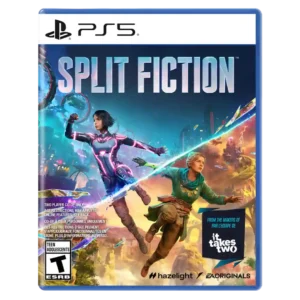
P1 Split Fiction
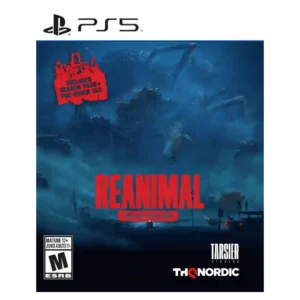
P2 Reanimal

Comparison Takeaways

Split Fiction

Where It Has the Edge

  • family friendliness is 4.0 vs 1.1. Family friendliness was supported by forgiving co-op design that can work across different skill levels.
  • movement feel is 4.5 vs 2.0. Movement received strong praise for added weight, consistency, and approachability.
  • platform-specific feature support is 4.5 vs 2.5. Platform-specific support stood out on Switch 2 through kickstand/tabletop play and Game Share functionality.
  • age appropriateness is 4.0 vs 2.2. Age appropriateness was considered fitting for a Teen rating, with some language and blood but nothing gratuitous.

Reanimal

Where It Has the Edge

  • world interactivity is 4.2 vs 2.5. World interactivity improves through item use, tools, secrets, and more objects to engage with compared with simply moving...
  • exploration quality is 3.9 vs 2.2. Exploration is mixed but leans positive: many loved curiosity, secrets, and broader spaces, while some found optional rewards...
  • dialogue quality is 4.4 vs 2.8. Dialogue is praised as sparse, effective, and well integrated into the atmosphere without overexplaining.
  • onboarding experience is 4.8 vs 3.4. The opening is praised as a strong onboarding sequence that sets mood, mechanics, and scale without heavy exposition.
Average score
Product 1: Split Fiction
4.0
Product 2: Reanimal
3.8
accessibility options
Product 1: Split Fiction
3.7

Accessibility support was praised for options like damage reduction and checkpoint skipping, though one review encountered a failed QuickTime accessibility workaround.

Product 2: Reanimal
2.0

Accessibility is criticized in solo play because multitasking controls may disadvantage players who struggle with simultaneous inputs.

age appropriateness
Product 1: Split Fiction
4.0

Age appropriateness was considered fitting for a Teen rating, with some language and blood but nothing gratuitous.

Product 2: Reanimal
2.2

Age appropriateness is low for casual horror audiences because mature themes may feel overwhelming.

AI behavior
Product 1: Split Fiction
No score yet
Product 2: Reanimal
3.1

Enemy and AI behavior is mixed: some AI quirks weaken tension, but other reviewers say awkward moments are rare or do not break the horror.

aiming precision
Product 1: Split Fiction
No score yet
Product 2: Reanimal
2.5

Aiming receives limited criticism, with one review saying projectile targeting can feel unreliable when hotspot indicators fail to lock on.

animation quality
Product 1: Split Fiction
4.5

Animation quality was praised in the technical review, especially for effective character animation.

Product 2: Reanimal
4.5

Animation quality is praised in limited evidence for nuanced character movement and detailed creature presentation.

art direction
Product 1: Split Fiction
4.6

Art direction was widely praised for striking worlds, scale, and strong creative environments, even on compromised hardware.

Product 2: Reanimal
4.5

Art direction is a standout strength, especially lighting, staging, visual composition, and grim aesthetic commitment.

atmosphere
Product 1: Split Fiction
No score yet
Product 2: Reanimal
4.3

Atmosphere is the strongest consensus area, praised as oppressive, cinematic, bleak, and memorable, though a few reviews felt co-op weakened tension.

boss design
Product 1: Split Fiction
4.2

Boss design was often praised for imagination and spectacle, with some caveats around daunting or repeated patterns.

Product 2: Reanimal
4.1

Boss design is positively received where discussed, especially satisfying boss fights and encounters that raise stakes.

bug frequency
Product 1: Split Fiction
2.5

Bug frequency was low for some but notable in reviews citing glitches, snags, and a specific failed checkpoint interaction.

Product 2: Reanimal
3.8

Bug frequency appears low in limited evidence, with one review noting only an odd minor bug or two.

camera behavior
Product 1: Split Fiction
3.8

Camera behavior was split between praise for clear tracking and complaints about awkward perspective shifts.

Product 2: Reanimal
4.6

Camera behavior is one of the most praised systems, with dynamic cinematic framing repeatedly highlighted, despite occasional navigation or visibility issues.

character development
Product 1: Split Fiction
4.5

Character development earned praise from reviewers who felt Mio and Zoe’s relationship and emotional growth paid off.

Product 2: Reanimal
No score yet
checkpoint system
Product 1: Split Fiction
4.5

The checkpoint system was consistently praised for generosity, fast respawns, and reducing frustration.

Product 2: Reanimal
4.5

Checkpointing is praised as sensible, generous, and forgiving, helping reduce trial-and-error frustration.

co-op experience
Product 1: Split Fiction
4.8

Co-op experience was the strongest consensus point, repeatedly described as excellent, accessible, communicative, and central to the fun.

Product 2: Reanimal
4.0

Co-op is strongly discussed and mixed-positive: many value local and online play, but some say it can dilute tension or lacks deep mechanics.

combat system
Product 1: Split Fiction
4.0

Combat was described positively when the game shifts into shooter and action-platforming sequences.

Product 2: Reanimal
3.6

Combat is divisive: some liked the added agency, arenas, and boss positioning, while others found melee clumsy or only busywork.

companion AI
Product 1: Split Fiction
No score yet
Product 2: Reanimal
3.6

Companion AI is mostly competent, reliable, and helpful, but several reviewers noted pathfinding problems, disappearing partners, or mixed solo behavior.

content variety
Product 1: Split Fiction
4.8

Content variety was a major strength, especially side stories, genre shifts, and constantly changing mechanics.

Product 2: Reanimal
3.6

Content variety is mixed: some praised set pieces and added mechanics, while others found the game short, predictable, or not diverse enough.

controls responsiveness
Product 1: Split Fiction
4.5

Controls were generally seen as responsive and intuitive, with one Switch 2 local controller setup working without issue.

Product 2: Reanimal
3.9

Controls are mostly viewed as clean and tighter than earlier genre frustrations, though solo multitasking and some interactions can feel cumbersome.

core gameplay loop
Product 1: Split Fiction
4.5

The core loop was praised as gameplay-first, using its premise mainly to enable new co-op situations.

Product 2: Reanimal
4.5

The core loop is praised as simple and elegant, built around moving through the world, cooperating, and continuing through the horror.

couch co-op quality
Product 1: Split Fiction
4.5

Couch co-op quality was praised for local convenience and the way Hazelight supports shared-play experiences.

Product 2: Reanimal
4.6

Couch co-op is repeatedly valued, especially because local play is rare and enhances shared discovery for some reviewers.

crash stability
Product 1: Split Fiction
No score yet
Product 2: Reanimal
2.9

Crash stability is mixed: one review saw only small hiccups, while another noted a PC crash issue and lost progress.

cross-play support
Product 1: Split Fiction
4.5

Cross-play support was praised as player-friendly and helpful for Friend’s Pass co-op.

Product 2: Reanimal
3.1

Cross-play support is inconsistent across evidence, with one source praising it and another noting it was unavailable at launch.

cross-save support
Product 1: Split Fiction
4.5

Cross-save/progression support was praised where non-host progression carried over.

Product 2: Reanimal
No score yet
dialogue quality
Product 1: Split Fiction
2.8

Dialogue drew mixed responses, ranging from thoughtful and believable to painfully uninspired or full of cliches.

Product 2: Reanimal
4.4

Dialogue is praised as sparse, effective, and well integrated into the atmosphere without overexplaining.

difficulty balance
Product 1: Split Fiction
4.1

Difficulty was seen as forgiving but more demanding than earlier Hazelight games, especially for casual or unseasoned partners.

Product 2: Reanimal
3.5

Difficulty is generally forgiving but mixed: checkpoints and approachable design help, while trial-and-error sequences and occasional unclear puzzles frustrate.

driving mechanics
Product 1: Split Fiction
No score yet
Product 2: Reanimal
4.2

Vehicle handling is considered easy and welcome, adding pace and variety without becoming a mechanical obstacle.

emotional impact
Product 1: Split Fiction
4.5

Emotional impact landed for several reviewers, especially through friendship themes and later character moments.

Product 2: Reanimal
4.5

Emotional impact is a major strength, with reviewers emphasizing sadness, companionship, lingering dread, and a story that stays with them.

enemy variety
Product 1: Split Fiction
No score yet
Product 2: Reanimal
4.3

Enemy variety is usually praised for grotesque, inventive nightmare-fuel designs, though one review criticized unbalanced screen time for a human-like enemy.

environmental detail
Product 1: Split Fiction
4.5

Environmental detail was praised for keeping varied worlds visually interesting.

Product 2: Reanimal
4.8

Environmental detail is consistently praised, especially interiors, macabre scene dressing, and fine background details.

exploration quality
Product 1: Split Fiction
2.2

Exploration was criticized where invisible walls and glitches undercut curiosity.

Product 2: Reanimal
3.9

Exploration is mixed but leans positive: many loved curiosity, secrets, and broader spaces, while some found optional rewards or navigation unrewarding.

facial animations
Product 1: Split Fiction
4.5

Facial animation/lip sync received specific praise from one reviewer.

Product 2: Reanimal
No score yet
faithfulness to franchise
Product 1: Split Fiction
No score yet
Product 2: Reanimal
3.8

Faithfulness to franchise is limited to one review that says Reanimal carries over some of Little Nightmares' best aspects.

family friendliness
Product 1: Split Fiction
4.0

Family friendliness was supported by forgiving co-op design that can work across different skill levels.

Product 2: Reanimal
1.1

Family friendliness is very low: reviewers explicitly warn that Reanimal is not for children.

flying mechanics
Product 1: Split Fiction
2.8

Flying was more divisive, with reviewers citing some early flying sections and dragon flight as weaker or imprecise.

Product 2: Reanimal
No score yet
frame rate stability
Product 1: Split Fiction
4.0

Frame rate stability was platform-dependent: strong on most versions, but Switch 2 had noticeable dips in demanding moments.

Product 2: Reanimal
3.9

Frame rate is generally stable in several reviews, with minor stutters, rare drops, or Switch performance dips noted as caveats.

fun factor
Product 1: Split Fiction
4.7

Fun factor was consistently high, even among more critical reviewers.

Product 2: Reanimal
3.2

Fun factor is divided: some found it enjoyable or a horror fan's dream, while others said it was boring or not fun as co-op.

gameplay mechanics
Product 1: Split Fiction
4.4

Reviewers broadly praised the constantly changing mechanics and strong moment-to-moment play, though a few found some actions forgettable or simple.

Product 2: Reanimal
3.9

Reviewers generally found the mechanics simple but effective, with several praising the evolved formula while a few called it repetitive or mechanically unremarkable.

graphics quality
Product 1: Split Fiction
4.6

Graphics were usually praised as gorgeous or stunning, with Switch 2 visual compromises noted by one reviewer.

Product 2: Reanimal
4.3

Graphics are widely praised as gorgeous or stunning, though darkness and drab settings reduce visibility or visual variety for some.

handheld play suitability
Product 1: Split Fiction
4.5

Handheld play suitability was praised for portable convenience despite technical tradeoffs.

Product 2: Reanimal
3.0

Handheld play is mixed on Switch 2 because darkness and visual detail make portable play harder, though performance mode can help.

horror tension
Product 1: Split Fiction
No score yet
Product 2: Reanimal
3.7

Horror tension is broadly effective but not uniform: many found dread and menace strong, while some said scares were reduced or straightforward.

HUD clarity
Product 1: Split Fiction
No score yet
Product 2: Reanimal
4.7

HUD clarity is praised for minimalism, with reviewers liking the absence of intrusive meters, minimaps, and prompts.

immersion
Product 1: Split Fiction
No score yet
Product 2: Reanimal
4.5

Immersion is a strong positive, driven by atmosphere, camera, world scale, secrets, and the feeling of being small in a hostile world.

innovation
Product 1: Split Fiction
4.8

Innovation was strongly praised through creative levels, final sequences, and inventive co-op design.

Product 2: Reanimal
4.3

Innovation is positive overall, with reviewers citing broader ambition, new verbs, camera work, co-op, and fresh action-exploration ideas.

learning curve
Product 1: Split Fiction
4.0

The learning curve was approachable for experienced players but could require adjustment for casual players.

Product 2: Reanimal
4.0

The learning curve is approachable, with reviewers noting overall simplicity and forgiving design despite horror tension.

level design
Product 1: Split Fiction
4.8

Level design stood out for memorable finales, strong set pieces, and mechanics that could sustain larger ideas.

Product 2: Reanimal
3.7

Level design ranges from criticized simple spaces to praised scale, nonlinear structure, and distinct larger environments.

load times
Product 1: Split Fiction
No score yet
Product 2: Reanimal
2.7

Load times are a weakness on Switch-focused reviews, especially reloads after death that can interrupt flow.

lore depth
Product 1: Split Fiction
No score yet
Product 2: Reanimal
4.0

Lore depth is supported by one analysis that says optional portraits and details help flesh out the world.

map and navigation design
Product 1: Split Fiction
No score yet
Product 2: Reanimal
3.5

Navigation design is mixed: subtle environmental guidance is praised, but unclear paths and camera perspective can leave players lost.

matchmaking quality
Product 1: Split Fiction
3.0

Matchmaking quality was limited because finding a partner could still be a challenge.

Product 2: Reanimal
No score yet
mission design
Product 1: Split Fiction
No score yet
Product 2: Reanimal
4.6

Set-piece and mission design are a consistent strength, with chase sequences, staged horror moments, and choreographed encounters repeatedly praised.

mission variety
Product 1: Split Fiction
3.9

Mission variety was strong overall, but a few sci-fi sections were called less memorable.

Product 2: Reanimal
4.5

Mission variety is praised in one review for unexpected events that keep locales from overstaying their welcome.

movement feel
Product 1: Split Fiction
4.5

Movement received strong praise for added weight, consistency, and approachability.

Product 2: Reanimal
2.0

Movement feel is a clear weakness in one review, where sluggish actions and repeated animations are said to turn tension into friction.

multiplayer design
Product 1: Split Fiction
4.5

Multiplayer design was praised for fitting the exclusively co-op approach and supporting differing skill levels.

Product 2: Reanimal
3.2

Multiplayer design is limited by the lack of drop-in/drop-out support, though playing both solo and co-op remains worthwhile.

narrative quality
Product 1: Split Fiction
3.3

Narrative quality divided reviewers: some liked the human story and concept, while others found the plot predictable or forgettable.

Product 2: Reanimal
3.7

Narrative quality is sharply split: many praised the haunting, ambiguous story, while others found it vague, lacking, or insufficiently coherent.

onboarding experience
Product 1: Split Fiction
3.4

Onboarding was praised for intuitive design but criticized on Switch 2 crossplay setup for poor in-game explanation.

Product 2: Reanimal
4.8

The opening is praised as a strong onboarding sequence that sets mood, mechanics, and scale without heavy exposition.

online stability
Product 1: Split Fiction
4.3

Online stability was generally positive, with rare lag or strong latency reports.

Product 2: Reanimal
No score yet
open-world design
Product 1: Split Fiction
No score yet
Product 2: Reanimal
3.9

Open-world elements are light but appreciated as broader, semi-open island or boat structure rather than a full open-world design.

originality
Product 1: Split Fiction
4.4

Originality was mixed: some called it audacious or original, while another argued it was polished more than new.

Product 2: Reanimal
4.2

Originality is praised when Reanimal sidesteps clichés and establishes its own identity despite obvious Little Nightmares lineage.

pacing
Product 1: Split Fiction
4.2

Pacing was one of the most praised areas, though a minority felt certain ideas lingered too long or were not flawless.

Product 2: Reanimal
4.3

Pacing is widely praised as brisk and deliberate, though a few reviews say slow animations, episodic repetition, or momentum loss can hurt it.

performance optimization
Product 1: Split Fiction
4.8

Performance optimization was praised across several reviews, with smooth operation on consoles and strong overall polish.

Product 2: Reanimal
3.9

Performance optimization is mostly solid, but Switch and technical-mode comments point to tradeoffs between steadiness and visual quality.

platform-specific feature support
Product 1: Split Fiction
4.5

Platform-specific support stood out on Switch 2 through kickstand/tabletop play and Game Share functionality.

Product 2: Reanimal
2.5

Platform-specific feature support is criticized in PS5-focused evidence for lacking HDR support.

platforming precision
Product 1: Split Fiction
4.5

Platforming was repeatedly called precise and immediately satisfying.

Product 2: Reanimal
4.1

Platforming is viewed positively where mentioned, with reviewers saying the camera keeps platforms visible and the movement carries suitable weight.

polish
Product 1: Split Fiction
4.4

Polish was generally strong, though some reviewers mentioned rough gameplay stretches or platform-specific compromises.

Product 2: Reanimal
3.6

Polish is mixed, ranging from unfinished or undercut by bugs to very polished, with minor frustrations rarely ruining the experience.

progression system
Product 1: Split Fiction
3.0

Progression was intentionally minimal, with no score tracking or skill leveling, which some players may find limiting.

Product 2: Reanimal
No score yet
protagonist appeal
Product 1: Split Fiction
2.8

Protagonist appeal was mixed because several reviewers needed time to warm up to Mio and Zoe, or never found them interesting.

Product 2: Reanimal
4.2

The protagonists have limited explicit identity, but one review praises them as full of personality despite lacking names.

puzzle design
Product 1: Split Fiction
4.8

Puzzle design was consistently praised for co-op dependence, teamwork, and creativity, with only occasional simplicity noted.

Product 2: Reanimal
3.1

Puzzle design is one of the most mixed areas: some found the puzzles organic or balanced, while others thought they were too simple or underdeveloped.

quest design
Product 1: Split Fiction
4.5

Side-story quests were considered worthwhile and rewarding to find.

Product 2: Reanimal
No score yet
replay value
Product 1: Split Fiction
3.8

Replay value was mixed: alternate characters and modes help, but some reviewers still saw it as a one-and-done game.

Product 2: Reanimal
4.0

Replay value comes from multiple endings, masks, concept art, co-op replay, and hidden lore, though some collectibles are called underwhelming.

save system reliability
Product 1: Split Fiction
No score yet
Product 2: Reanimal
2.2

Save reliability is a concern in one review because a crash cost around half an hour of progress.

side character depth
Product 1: Split Fiction
2.3

Side character depth was weak, especially around the one-dimensional CEO/villain.

Product 2: Reanimal
No score yet
sound design
Product 1: Split Fiction
No score yet
Product 2: Reanimal
4.6

Sound design is one of the strongest consensus positives, repeatedly described as superb, unnerving, immersive, and tension-building.

soundtrack quality
Product 1: Split Fiction
3.7

Soundtrack quality was mixed: some heard an upgrade or strong genre styling, while another found it forgettable.

Product 2: Reanimal
4.5

The soundtrack is well regarded for subtle, sinister, or bombastic scoring that supports mood without overwhelming it.

split-screen quality
Product 1: Split Fiction
4.2

Split-screen quality was useful for coordination, though small handheld details could still be harder to read.

Product 2: Reanimal
No score yet
stealth mechanics
Product 1: Split Fiction
No score yet
Product 2: Reanimal
4.1

Stealth is often tense and effective, especially when timing movement around stalkers, though it remains built around familiar hiding and evasion.

user interface design
Product 1: Split Fiction
No score yet
Product 2: Reanimal
4.5

User interface design is praised for restraint, especially the absence of intrusive button prompts.

value for money
Product 1: Split Fiction
4.0

Value for money was helped by Friend’s Pass and sharing features, though one review noted it was shorter and more expensive than its predecessor.

Product 2: Reanimal
3.0

Value for money is mixed in one review because the short runtime and launch price may not suit everyone.

voice acting
Product 1: Split Fiction
3.4

Voice acting was mixed, with some praise for performances but criticism that delivery did not elevate weaker writing.

Product 2: Reanimal
4.2

Voice acting is generally praised for restraint and delivery, though one review noted the mix sometimes buries the performances.

world-building
Product 1: Split Fiction
4.5

World-building was praised for immersive, explorable worlds built from the protagonists’ imaginations.

Product 2: Reanimal
4.4

World-building is strongly praised for environmental storytelling, dark thematic cohesion, and a world that invites interpretation.

world interactivity
Product 1: Split Fiction
2.5

World interactivity was limited because some props amused briefly but did not reward or advance players.

Product 2: Reanimal
4.2

World interactivity improves through item use, tools, secrets, and more objects to engage with compared with simply moving forward.

writing quality
Product 1: Split Fiction
2.4

Writing quality was the most common weakness, with repeated complaints about dull characters, cliches, and amateurish story beats.

Product 2: Reanimal
3.7

Writing is strongest when reviewers accept its interpretive, show-don't-tell approach; critics felt the story lacked connective tissue or clarity.