Compare Donkey Kong Bananza vs Street Fighter 6

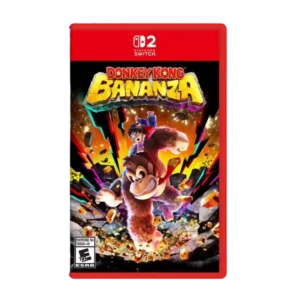
P1 Donkey Kong Bananza
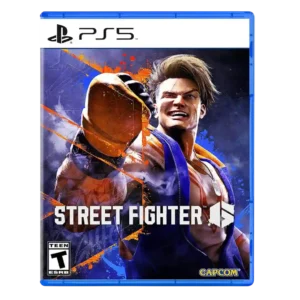
P2 Street Fighter 6

Comparison Takeaways

Donkey Kong Bananza

Where It Has the Edge

  • protagonist appeal is 4.6 vs 2.0. Protagonist appeal is strong because DK is described as endearing, expressive, funny, and full of personality.
  • quest design is 4.3 vs 2.0. Quest design allows flexible or even unintended solutions, reinforcing the game's broader freedom-first approach.
  • mission design is 4.5 vs 2.3. Mission design benefits from curated challenge rooms, clear objectives, and focused progression paths alongside open exploration.
  • environmental detail is 4.8 vs 2.8. Environmental detail is a major strength, with material types, mini-games, treasures, and lush worlds repeatedly cited.

Street Fighter 6

Where It Has the Edge

  • onboarding experience is 5.0 vs 3.5. The onboarding is repeatedly framed as unusually welcoming for a fighting game, especially through Modern controls, World Tour,...
  • DLC value is 4.8 vs 3.4. The Years 1-2 Fighters Edition is praised for including DLC fighters and strong bang-for-buck value.
  • enemy variety is 4.5 vs 3.1. Enemy variety in World Tour is praised for teaching different fighting situations, including airborne, blocking, and projectile-focused opponents.
  • tutorial quality is 4.9 vs 4.0. Tutorials, training modes, combo trials, character guides, and World Tour teaching tools receive exceptionally broad praise across the...
Average score
Product 1: Donkey Kong Bananza
4.3
Product 2: Street Fighter 6
3.9
accessibility options
Product 1: Donkey Kong Bananza
4.5

Accessibility is helped by Assist Mode and health or guidance support, making the game more approachable for younger or less experienced players.

Product 2: Street Fighter 6
4.8

Accessibility is a major strength, with Modern and Dynamic controls repeatedly described as lowering barriers for newcomers without removing depth.

age appropriateness
Product 1: Donkey Kong Bananza
4.6

Age appropriateness is positive, with one review explicitly calling it a kids game that should be accessible to kids.

Product 2: Street Fighter 6
4.0

Age appropriateness is clear from the Teen rating and the review’s content guide details.

AI behavior
Product 1: Donkey Kong Bananza
No score yet
Product 2: Street Fighter 6
4.2

Post-launch V-Rival evidence supports positive AI behavior because it simulates real-player tactics for practice.

animation quality
Product 1: Donkey Kong Bananza
4.7

Animation quality is a standout, especially DK's expressive redesign, movement, and well-animated character performances.

Product 2: Street Fighter 6
5.0

Animation quality is singled out as superb, especially in the stylized fighters and their motion.

art direction
Product 1: Donkey Kong Bananza
4.4

Art direction is colorful and vibrant, with enough personality to support the game's playful tone.

Product 2: Street Fighter 6
4.9

The art direction is praised for a bold new style, neon presentation, and strong hip-hop/street energy.

atmosphere
Product 1: Donkey Kong Bananza
4.5

Atmosphere is praised for charming structure, distinct layer vibes, adrenaline, and whimsical underground settings.

Product 2: Street Fighter 6
4.8

Atmosphere is upbeat, welcoming, silly, and arcade-like, especially through Battle Hub and the game’s social tone.

battle pass value
Product 1: Donkey Kong Bananza
No score yet
Product 2: Street Fighter 6
2.0

Battle pass value is viewed skeptically because the Fighting Pass is introduced alongside other monetization concerns.

boss design
Product 1: Donkey Kong Bananza
3.4

Boss design is mixed: some reviewers praise creative bosses and late-game fights, while others call them easy, repetitive, or weak.

Product 2: Street Fighter 6
No score yet
camera behavior
Product 1: Donkey Kong Bananza
3.6

Camera behavior is mixed: many reviewers found it impressive for a destructible world, but repeated digging-related hiccups remain.

Product 2: Street Fighter 6
2.8

Camera behavior in World Tour is limited in some regions, including fixed-camera areas that cannot be freely rotated.

character development
Product 1: Donkey Kong Bananza
4.6

Character development centers on Pauline and DK's bond, with reviewers noting growth, confidence, warmth, and a heartwarming relationship.

Product 2: Street Fighter 6
4.3

Character development is stronger in side interactions and backstory updates than in the main World Tour plot.

character roster
Product 1: Donkey Kong Bananza
4.0

The returning roster includes major Kong family members such as Diddy, Dixie, and Cranky, though not every legacy character appears.

Product 2: Street Fighter 6
4.6

The roster is widely praised for a strong mix of returning fighters, newcomers, archetypes, and later DLC additions.

checkpoint system
Product 1: Donkey Kong Bananza
4.0

Checkpoint support appears through Getaways, which act as safe points for rest and healing.

Product 2: Street Fighter 6
No score yet
co-op experience
Product 1: Donkey Kong Bananza
4.1

Co-op experience is available and generally positive, though evidence frames it more as an assistive mode than a full coequal adventure.

Product 2: Street Fighter 6
No score yet
combat system
Product 1: Donkey Kong Bananza
4.0

Combat is framed as power-forward and brawler-like rather than precision-heavy, with enjoyment coming from impact and force.

Product 2: Street Fighter 6
4.9

The core combat is the strongest point: reviewers call it technical, expressive, world-class, and built around a Drive system that creates constant options and counters.

community features
Product 1: Donkey Kong Bananza
No score yet
Product 2: Street Fighter 6
4.9

Community features are a major strength, especially Battle Hub’s arcade-like social space, spectatorship, clubs, and shared activities.

competitive balance
Product 1: Donkey Kong Bananza
No score yet
Product 2: Street Fighter 6
4.5

Competitive balance is viewed positively overall, with Modern controls considered viable and later balance changes keeping the cast broadly workable.

content variety
Product 1: Donkey Kong Bananza
4.5

Content variety is strong, with layers, transformations, puzzles, secrets, side activities, and later ideas keeping the experience fresh.

Product 2: Street Fighter 6
4.8

Content breadth is one of the clearest points of agreement, with reviewers praising the large mix of World Tour, Battle Hub, Fighting Ground, arcade, training, and extras.

controls responsiveness
Product 1: Donkey Kong Bananza
4.8

Controls are a major strength: reviewers describe DK as polished, fluid, perfectly responsive, and easy to chain between actions.

Product 2: Street Fighter 6
4.6

Controls are generally described as responsive and immediate, with one platform-specific PS4 review still finding the core fighting inputs reliable.

core gameplay loop
Product 1: Donkey Kong Bananza
4.8

The core loop of smashing, digging, collecting, and upgrading is repeatedly described as joyful, rewarding, and hard to put down.

Product 2: Street Fighter 6
4.5

One reviewer says the loop of trying styles, leveling, earning money, and unlocking new looks becomes genuinely hooking.

couch co-op quality
Product 1: Donkey Kong Bananza
4.1

Couch co-op quality is solid for younger or second players, especially through Pauline support and Joy-Con controls.

Product 2: Street Fighter 6
4.0

Couch co-op is not deeply reviewed, but party-style modes are described as suitable for casual sessions with friends or family.

cross-play support
Product 1: Donkey Kong Bananza
No score yet
Product 2: Street Fighter 6
5.0

Cross-play support is explicitly praised as a way to fight players across platforms.

dialogue quality
Product 1: Donkey Kong Bananza
4.0

Dialogue quality is mixed-positive, with playful chatter and grunts praised by one review while another felt Pauline talks too much.

Product 2: Street Fighter 6
4.0

Dialogue has charming moments, especially the humorous and warm messages from Street Fighter Masters.

difficulty balance
Product 1: Donkey Kong Bananza
4.3

Difficulty balance works for broad accessibility and later optional challenge, but several reviewers describe the main path as easy early on.

Product 2: Street Fighter 6
2.4

Difficulty balance is mixed: some reviewers say World Tour becomes too easy, while others found late skill checks or balancing frustrating.

DLC value
Product 1: Donkey Kong Bananza
3.4

DLC value is mixed: Emerald Rush is considered fun by some, but not worthwhile for players expecting major new worlds.

Product 2: Street Fighter 6
4.8

The Years 1-2 Fighters Edition is praised for including DLC fighters and strong bang-for-buck value.

economy and resource balance
Product 1: Donkey Kong Bananza
3.4

Resource balance is mixed because gold and chips are often plentiful enough to reduce friction or trivialize limits.

Product 2: Street Fighter 6
3.2

The economy separates earned Drive Tickets from premium Fighter Coins, but the review evidence still treats monetization cautiously.

emotional impact
Product 1: Donkey Kong Bananza
4.6

Emotional impact is stronger than expected, with reviewers citing attachment to Pauline, the DK partnership, and a memorable finale.

Product 2: Street Fighter 6
4.2

One review describes an emotional reaction to the game’s content and franchise treatment, supporting a modestly positive emotional impact.

endgame content
Product 1: Donkey Kong Bananza
4.2

Endgame content is generally positive but uneven, with some reviewers praising post-game challenges while another calls it barebones.

Product 2: Street Fighter 6
4.2

Endgame content is supported by World Tour’s post-game quests, side jobs, and longer completion paths.

enemy variety
Product 1: Donkey Kong Bananza
3.1

Enemy variety is a weaker point, with at least one reviewer saying repeated club-wielding rock monsters show the limitation.

Product 2: Street Fighter 6
4.5

Enemy variety in World Tour is praised for teaching different fighting situations, including airborne, blocking, and projectile-focused opponents.

environmental detail
Product 1: Donkey Kong Bananza
4.8

Environmental detail is a major strength, with material types, mini-games, treasures, and lush worlds repeatedly cited.

Product 2: Street Fighter 6
2.8

Environmental detail takes a hit on PS4, where reduced background liveliness makes some stages feel emptier.

exploration quality
Product 1: Donkey Kong Bananza
4.7

Exploration is one of the strongest attributes, with reviewers repeatedly saying hidden rewards, secrets, collectibles, and smart destruction make discovery compelling.

Product 2: Street Fighter 6
4.2

World Tour is highlighted as the mode that can push hesitant players into the package because of its exploratory solo appeal.

facial animations
Product 1: Donkey Kong Bananza
4.7

Facial animations are praised through DK's expressive face and elaborate facial expressions.

Product 2: Street Fighter 6
4.5

Facial animation and expressive character presentation are praised in the visual discussion of the game’s RE Engine look.

faithfulness to franchise
Product 1: Donkey Kong Bananza
4.6

Faithfulness to franchise is strong, with callbacks, DK history, Donkey Kong 64 references, and series identity praised.

Product 2: Street Fighter 6
4.6

Faithfulness to the franchise is strong, with reviewers saying the game restores the spirit and identity of Street Fighter.

family friendliness
Product 1: Donkey Kong Bananza
4.8

Family friendliness is strong due to low-violence presentation, kid accessibility, and family play appeal.

Product 2: Street Fighter 6
3.0

Family friendliness is limited by fighting, mild blood, suggestive outfits, smoking, and drunken-fighting references, even though casual modes can be social.

fast travel convenience
Product 1: Donkey Kong Bananza
4.4

Fast travel convenience is supported by Eelevators that let players return to previous layers.

Product 2: Street Fighter 6
2.5

Fast travel is useful once unlocked, but one reviewer spent too much time running around before those points opened.

flying mechanics
Product 1: Donkey Kong Bananza
4.3

Flying mechanics are supported through Ostrich Bananza, which reviewers describe as a useful flight or glide-based transformation.

Product 2: Street Fighter 6
No score yet
frame rate stability
Product 1: Donkey Kong Bananza
3.5

Frame rate stability is the most repeated technical caveat, with many reviews noting dips during destruction, bosses, or intense scenes.

Product 2: Street Fighter 6
3.8

Frame rate stability depends heavily on mode and platform, with smooth versus combat but World Tour and some ports showing dips or stutters.

fun factor
Product 1: Donkey Kong Bananza
4.8

Fun factor is the clearest consensus strength; reviewers repeatedly call the game a blast, pure fun, or a favorite experience.

Product 2: Street Fighter 6
4.8

Fun factor is high across casual and experienced perspectives, with several reviewers emphasizing how enjoyable the game remains.

gameplay mechanics
Product 1: Donkey Kong Bananza
4.6

Reviewers consistently praise the central destruction mechanics and DK's broad toolkit, though Polygon notes the ability set can feel limited outside punching.

Product 2: Street Fighter 6
4.9

Reviewers repeatedly praise the Drive-driven mechanics as deep, flexible, and satisfying, with enough technical detail to reward long-term play.

graphics quality
Product 1: Donkey Kong Bananza
4.5

Graphics quality is broadly strong on Switch 2, though Digital Foundry is more reserved about image quality.

Product 2: Street Fighter 6
4.4

Graphics are mostly praised for strong character models, presentation, and fight visuals, with the PS4 version showing a clear downgrade.

grind level
Product 1: Donkey Kong Bananza
3.6

Grind level is mixed because completion can be massive and smashing can become tiring, even when the loop remains appealing.

Product 2: Street Fighter 6
2.6

World Tour’s grind is a repeated caveat, especially around Master style leveling, stats, and late-game preparation.

handheld play suitability
Product 1: Donkey Kong Bananza
4.6

Handheld suitability is positive based on a review saying the game looks great handheld or docked.

Product 2: Street Fighter 6
4.2

Handheld suitability is positive on Switch 2 because portability is appealing, though handheld and World Tour compromises remain.

haptic feedback integration
Product 1: Donkey Kong Bananza
4.6

Haptic feedback is a clear strength, with reviewers citing force feedback, visual/audio cues, and HD Rumble that enhance destruction.

Product 2: Street Fighter 6
No score yet
HUD clarity
Product 1: Donkey Kong Bananza
4.5

HUD clarity is helped by the 3D map and clear lists of gems or objectives.

Product 2: Street Fighter 6
4.0

HUD clarity is supported by clear placement of the Drive meter under the health bar, helping players read the new system.

immersion
Product 1: Donkey Kong Bananza
4.8

Immersion is supported by the reviewer describing the game as a rare, special experience that affected them strongly.

Product 2: Street Fighter 6
4.9

Immersion is strong when reviewers discuss the franchise-rich World Tour and the way it hooks players into the world.

innovation
Product 1: Donkey Kong Bananza
4.6

Innovation is high thanks to destruction, systemic material interactions, and a new take on 3D Donkey Kong.

Product 2: Street Fighter 6
5.0

Innovation is strongly supported by the unusual World Tour format and the Drive system’s fresh structure.

learning curve
Product 1: Donkey Kong Bananza
4.0

The learning curve is approachable overall, though controls and digging systems take some adjustment at first.

Product 2: Street Fighter 6
4.8

Reviewers say the game is easier to approach than prior Street Fighter entries while still giving players room to grow into deeper systems.

level design
Product 1: Donkey Kong Bananza
4.5

Level design is a major strength, with layers praised for unique mechanics, malleable spaces, strong structure, and handcrafted design that survives heavy destruction.

Product 2: Street Fighter 6
3.0

The World Tour map structure is limited in places, with some areas using fixed camera angles rather than full exploration.

live-service support
Product 1: Donkey Kong Bananza
No score yet
Product 2: Street Fighter 6
4.2

Live-service support is seen as active and ongoing, with new features, post-launch content, and future updates discussed positively despite monetization concerns.

load times
Product 1: Donkey Kong Bananza
4.9

Load times are praised as extremely short in the GamingTrend review.

Product 2: Street Fighter 6
4.0

Load times are split by platform, ranging from extremely quick rematches and loads to sluggish PS4 World Tour transitions.

loot system
Product 1: Donkey Kong Bananza
4.1

Loot and collectibles arrive constantly and feel rewarding, though one reviewer found the collectible load occasionally overwhelming.

Product 2: Street Fighter 6
2.8

Gear and cosmetic progression are mixed, with one reviewer disappointed by how sparse the good-looking gear felt.

lore depth
Product 1: Donkey Kong Bananza
4.1

Lore depth appears in the Underground World's separate civilization and layered world framing, though it is not the main draw.

Product 2: Street Fighter 6
4.0

Lore depth is present through NPCs and references to Street Fighter and Final Fight history, though it is not the central focus.

map and navigation design
Product 1: Donkey Kong Bananza
4.4

Map and navigation design is strong thanks to Pauline's singing, whistles, and guidance toward tasks.

Product 2: Street Fighter 6
2.8

Map and navigation design is mixed because many world-map locations are not fully explorable areas.

matchmaking quality
Product 1: Donkey Kong Bananza
No score yet
Product 2: Street Fighter 6
3.9

Matchmaking is generally workable, though one reviewer notes ranked matchmaking issues while another praises easy custom-room setup.

menu usability
Product 1: Donkey Kong Bananza
4.2

Menu usability is positive where menus track materials, gems, fossils, and completion progress.

Product 2: Street Fighter 6
3.0

Menu usability can be confusing, especially around adding friends and joining games.

microtransaction impact
Product 1: Donkey Kong Bananza
No score yet
Product 2: Street Fighter 6
2.1

Microtransactions are the most consistent business-model concern, especially battle pass, premium currency, and cosmetic pricing complaints.

mission design
Product 1: Donkey Kong Bananza
4.5

Mission design benefits from curated challenge rooms, clear objectives, and focused progression paths alongside open exploration.

Product 2: Street Fighter 6
2.3

Mission structure is a recurring World Tour weakness, with reviewers citing repetitive tasks and backtracking.

mission variety
Product 1: Donkey Kong Bananza
4.5

Mission variety is supported by side quests, mini-games, new objectives, and constant new tasks across layers.

Product 2: Street Fighter 6
3.7

Mission and side activity variety are mixed: minigames and side quests can teach mechanics, but some tasks are also called tedious.

monetization fairness
Product 1: Donkey Kong Bananza
No score yet
Product 2: Street Fighter 6
2.5

Monetization fairness is mixed to negative: reviewers say cosmetics are not pay-to-win, but later coverage criticizes the currency practices.

movement feel
Product 1: Donkey Kong Bananza
4.9

Movement feel earns strong praise for momentum, expressiveness, climbing, rolling, and the satisfying sense of controlling a heavy but agile DK.

Product 2: Street Fighter 6
4.5

The Switch 2 port is credited with smooth-feeling matches outside the weaker World Tour performance areas.

multiplayer design
Product 1: Donkey Kong Bananza
4.0

Multiplayer design is limited but functional through separate DK and Pauline roles in local co-op.

Product 2: Street Fighter 6
4.5

Multiplayer design is broad and flexible, offering Battle Hub, ranked and casual play, and menu-based online access.

narrative quality
Product 1: Donkey Kong Bananza
4.3

Narrative quality is better than expected for a platformer, with several reviewers praising Pauline, the central bond, and later story turns.

Product 2: Street Fighter 6
2.7

Narrative quality is the main creative weakness: reviewers call World Tour’s story weak, dull, shallow, or merely serviceable despite liking the mode.

onboarding experience
Product 1: Donkey Kong Bananza
3.5

Onboarding has mixed evidence: the game introduces basics through an opening layer, but some reviewers felt the early stretch dragged.

Product 2: Street Fighter 6
5.0

The onboarding is repeatedly framed as unusually welcoming for a fighting game, especially through Modern controls, World Tour, and integrated teaching systems.

online stability
Product 1: Donkey Kong Bananza
No score yet
Product 2: Street Fighter 6
4.6

Online stability is one of the strongest areas, with repeated praise for netcode, smooth matches, stable connections, and few issues outside some platform-specific lag.

open-world design
Product 1: Donkey Kong Bananza
4.5

Open-world design is described through large worlds with main goals and many optional activities rather than a fully freeform world.

Product 2: Street Fighter 6
4.2

World Tour’s open-world or semi-open RPG format is widely seen as ambitious and appealing, though execution and performance vary by platform.

originality
Product 1: Donkey Kong Bananza
4.6

Originality is high because reviewers describe Bananza as a unique, reinvention-level 3D platformer and sandbox.

Product 2: Street Fighter 6
4.8

Originality is supported by World Tour’s unusual fighting-game RPG structure and the way it differs from standard genre packages.

pacing
Product 1: Donkey Kong Bananza
4.1

Pacing is positive once the game gets moving, but several reviews note slow early hours or uneven layer length.

Product 2: Street Fighter 6
2.8

One reviewer notes that World Tour can feel slow when players spend too long with the same moves before meeting more Masters.

performance optimization
Product 1: Donkey Kong Bananza
3.9

Performance optimization is mixed: reviewers often forgive dips because of technical ambition, but heavy destruction still causes issues.

Product 2: Street Fighter 6
3.4

Performance optimization is mixed: standard matches are strong, but World Tour is singled out for chugging or port-specific compromises.

platform-specific feature support
Product 1: Donkey Kong Bananza
4.1

Platform-specific features include Joy-Con mouse use and GameShare, though one review says mouse mode adds little overall.

Product 2: Street Fighter 6
3.4

Platform-specific features vary: Switch 2 adds touch, gyro, and calorie modes, while PS4 support is functional but compromised.

platforming precision
Product 1: Donkey Kong Bananza
3.2

Platforming precision is more mixed, with some reviewers finding it secondary, light, or occasionally awkward despite strong movement.

Product 2: Street Fighter 6
1.8

One reviewer specifically criticizes World Tour platforming, calling it awful despite liking the wider package.

polish
Product 1: Donkey Kong Bananza
4.4

Polish is high overall, but several reviewers note imperfections such as technical issues, frame drops, or small rough edges.

Product 2: Street Fighter 6
4.9

Polish is high overall, especially in modes and small details, though some technical and UI issues remain.

progression system
Product 1: Donkey Kong Bananza
4.2

Progression is built around bananas, skill points, collectibles, and upgrades, with generally positive reactions but some debate over motivation.

Product 2: Street Fighter 6
2.5

World Tour progression is criticized for making character style leveling too slow relative to the number of unlocks.

protagonist appeal
Product 1: Donkey Kong Bananza
4.6

Protagonist appeal is strong because DK is described as endearing, expressive, funny, and full of personality.

Product 2: Street Fighter 6
2.0

The created protagonist has limited appeal in narrative terms, with one review describing them as a mute errand-boy figure.

puzzle design
Product 1: Donkey Kong Bananza
4.1

Puzzle design is generally strong when it uses materials, destruction, and challenge rooms creatively, though some single-solution or bypassed puzzles are weaker.

Product 2: Street Fighter 6
No score yet
quest design
Product 1: Donkey Kong Bananza
4.3

Quest design allows flexible or even unintended solutions, reinforcing the game's broader freedom-first approach.

Product 2: Street Fighter 6
2.0

Quest objectives can feel basic, with one reviewer reducing many story quests to simple errands between locations.

replay value
Product 1: Donkey Kong Bananza
4.6

Replay value is high thanks to hundreds of collectibles, post-game goals, return visits, and completionist cleanup.

Product 2: Street Fighter 6
4.8

Long-term replay value comes from ranked grinding, character experimentation, and the reviewers’ desire to keep playing after many matches.

sandbox freedom
Product 1: Donkey Kong Bananza
4.8

Sandbox freedom is a defining strength, with reviewers highlighting open routes, playful destruction, and unusually free traversal.

Product 2: Street Fighter 6
4.9

Avatar and moveset freedom are major strengths, letting players create unusual hybrid fighters and experiment with combinations outside normal balance limits.

seasonal content quality
Product 1: Donkey Kong Bananza
No score yet
Product 2: Street Fighter 6
4.1

Seasonal content is viewed positively for adding new fighters and notable guest characters, though cadence and monetization remain caveats.

server reliability
Product 1: Donkey Kong Bananza
No score yet
Product 2: Street Fighter 6
3.5

Server reliability has one caveat: private lobbies were briefly down at release before being resolved.

side character depth
Product 1: Donkey Kong Bananza
4.6

Side character depth is anchored by Pauline, who multiple reviewers describe as a strong addition and DK's equal.

Product 2: Street Fighter 6
4.5

One reviewer specifically values learning more about each fighter’s backstory through World Tour completion.

skill tree depth
Product 1: Donkey Kong Bananza
3.7

Skill tree depth is useful but modest; reviewers liked effective upgrades while also noting the tree can feel like justification for collectibles.

Product 2: Street Fighter 6
3.0

Skill-tree evidence is present, but the described system sounds functional rather than especially deep.

social features
Product 1: Donkey Kong Bananza
No score yet
Product 2: Street Fighter 6
3.7

Social features are present through clubs and the Battle Hub, but one Switch 2 review found the hub space could feel empty.

sound design
Product 1: Donkey Kong Bananza
4.7

Sound design is a major strength, with destruction feedback, terrain sounds, voice work, and impact audio repeatedly praised.

Product 2: Street Fighter 6
4.5

Sound design is supported by a reviewer who says the game both looks and sounds strong overall.

soundtrack quality
Product 1: Donkey Kong Bananza
4.4

Soundtrack quality is broadly praised for DK callbacks, transformation songs, and musical personality, though some reviewers found it less memorable or repetitive.

Product 2: Street Fighter 6
4.4

The soundtrack is generally liked, with reviewers praising its intensity and fit, though one says it grew on them rather than immediately impressing.

tutorial quality
Product 1: Donkey Kong Bananza
4.0

Tutorial quality is generally functional, with Ingot Isle introducing mechanics well, though one review found the opening stretched too long.

Product 2: Street Fighter 6
4.9

Tutorials, training modes, combo trials, character guides, and World Tour teaching tools receive exceptionally broad praise across the reviews.

upgrade system
Product 1: Donkey Kong Bananza
3.9

Upgrade systems are helpful and often fun, though some costume or transformation upgrades can feel underwhelming or too powerful.

Product 2: Street Fighter 6
4.0

The upgrade system is supported through World Tour gear upgrades and stat growth, but reviews do not describe it as especially deep.

user interface design
Product 1: Donkey Kong Bananza
4.4

User interface design is supported by the helpful gem tracking list and map-facing completion tools.

Product 2: Street Fighter 6
2.5

The user interface is a notable weakness in one review, where even basic tasks are described as hard to work out.

value for money
Product 1: Donkey Kong Bananza
4.3

Value for money is generally favorable because of content volume and quality, though the $70 price remains a caveat.

Product 2: Street Fighter 6
4.8

Value for money is high because reviewers cite the large content package, solo offerings, and overall quality.

visual effects quality
Product 1: Donkey Kong Bananza
4.7

Visual effects quality is supported by the spectacle of beautiful chaos during heavy destruction.

Product 2: Street Fighter 6
4.9

Visual effects are a highlight, especially the colorful graffiti-like Drive effects and spectacular fight visuals.

voice acting
Product 1: Donkey Kong Bananza
4.7

Voice acting is a strength, especially Pauline's performance and the broader move toward a more voiced presentation.

Product 2: Street Fighter 6
4.0

Voice and commentary features are received positively because they make matches feel closer to a tournament broadcast.

world-building
Product 1: Donkey Kong Bananza
4.4

World-building is praised for distinct underground civilizations, whimsical internal logic, and a world built around the destruction mechanic.

Product 2: Street Fighter 6
4.0

World-building is supported by Metro City’s NPCs, franchise references, and wider conspiracy setup.

world interactivity
Product 1: Donkey Kong Bananza
4.8

World interactivity is exceptional; reviewers emphasize that most terrain can be smashed, dug, reshaped, or otherwise used by DK.

Product 2: Street Fighter 6
4.7

Reviewers like the playful world interactivity, especially the ability to fight strangers and treat Metro City’s combat culture as part of the joke.

writing quality
Product 1: Donkey Kong Bananza
4.5

Writing quality is supported by restrained handling of the DK-Pauline relationship rather than heavy exposition.

Product 2: Street Fighter 6
3.3

Writing gets a mixed read: one reviewer dismisses the story as nonsense, while another appreciates franchise timeline progress.