monetization fairness
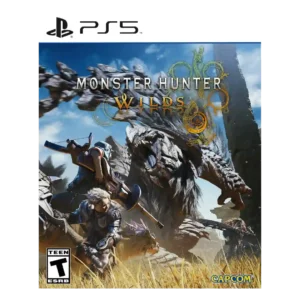
Monster Hunter Wilds
1.5
Monetization fairness drew criticism where editing a created character required paying for extra vouchers.
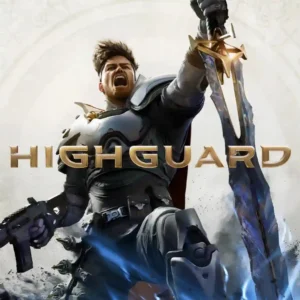
Highguard
4.7
The free-to-play model is generally viewed favorably because gameplay content is accessible without mandatory spending.
accessibility options
Monster Hunter Wilds
4.5
Reviewers praised the breadth of adjustable settings, including accessibility features, UI controls, and visual options such as color blindness settings.
Highguard
1.5
Accessibility support was called limited, with complaints around a small feature set and forced motion blur in early impressions.
lore depth
Monster Hunter Wilds
4.0
Lore depth was positively noted by a reviewer who found Monster Hunter lore fascinating despite criticizing the story delivery.
Highguard
1.0
The world has intriguing hints, but lore is too thinly explained for some players to understand the setting or why events matter.
world-building
Monster Hunter Wilds
4.5
World-building was strongly praised for living ecosystems, cultural detail, and a breathing world that supported the Monster Hunter fantasy.
Highguard
1.5
The setting has visual promise, but weak exposition and an indistinct identity make the world difficult to invest in.
economy and resource balance
Monster Hunter Wilds
4.3
Resource balance was praised in at least one case for quality-of-life touches like reclaiming traps and saving materials.
Highguard
1.3
Mining and resource gathering are widely seen as chores that interrupt the shooting rather than deepen the match economy.
originality
Monster Hunter Wilds
4.5
Originality was praised where new ideas and systems were said to separate and elevate Wilds beyond a simple formula repeat.
Highguard
1.6
Highguard's mode is unusual, but its characters, aesthetics, and borrowed shooter ingredients often feel derivative, leaving its overall identity muddled.
world interactivity
Monster Hunter Wilds
3.8
World interactivity was mixed: weather and monster ecology impressed some, while others felt the detail had little gameplay impact.
Highguard
1.0
Base fortification currently feels too easy to bypass or destroy, making a potentially strategic system feel underdeveloped.
online stability
Monster Hunter Wilds
3.6
Online stability was mixed, ranging from frequent disconnects to smooth online lobbies and expected multiplayer performance.
Highguard
1.0
Random disconnects and connection problems were reported, including errors severe enough to require file repairs.
onboarding experience
Monster Hunter Wilds
4.2
Onboarding was generally praised as more approachable and newcomer-friendly, though some reviews still found the first steps confusing.
Highguard
1.7
The opening hours are rough because the game communicates its many phases and strategic rules poorly to new players.
load times
Monster Hunter Wilds
4.2
Load times were generally praised or acceptable where seamless region transitions and reduced loading were noted.
Highguard
2.0
Loading problems were part of the opening-day technical issues and contributed to a rough first impression.
gameplay mechanics
Monster Hunter Wilds
4.1
Gameplay mechanics were generally praised for Focus Mode, wounds, weapon switching, and quality-of-life changes, though some felt over-streamlined.
Highguard
2.0
Some ability interactions feel stiff or insufficiently fluid, reinforcing the sense that individual systems still need refinement.
loot system
Monster Hunter Wilds
4.0
Loot systems were mixed: deterministic decorations and clearer drops helped, but some reviewers felt rare farming and chase goals ended too quickly.
Highguard
1.9
Looting is one of the most criticized systems, often called repetitive, predictable, or unnecessary despite a few positive takes on round-based upgrades.
core gameplay loop
Monster Hunter Wilds
4.3
The core gameplay loop earned strong praise from most reviewers, though one strongly negative review argued streamlining undermined the hunt-craft-prep loop.
Highguard
2.2
The raid structure has a strong idea at its center, but many found the fortify-loot-fight cycle bloated, repetitive, or too slow between its best moments.
voice acting
Monster Hunter Wilds
4.0
Voice acting was mostly positive, with praise for English/Japanese dubs and solid performances despite one reviewer finding it merely fine.
Highguard
2.0
Voice acting was judged below average, though still functional enough to fit the intended tone.
social features
Monster Hunter Wilds
4.2
Social features were praised where Link Parties created a more intimate grouping layer than standard lobbies.
Highguard
2.3
Communication is crucial, but the absence of text chat in solo queue is a serious drawback despite strong coordinated-team play.
exploration quality
Monster Hunter Wilds
3.4
Exploration quality was split: several reviewers enjoyed discovery and rewarding environments, while others felt autopilot and story rails reduced exploration.
Highguard
1.5
Exploration rarely feels rewarding because large spaces can be quiet, empty, and dominated by travel between predictable loot stops.
content variety
Monster Hunter Wilds
3.4
Content variety was mixed: creature variety and hunt content drew praise, while some reviewers felt the launch monster count was limited.
Highguard
1.6
Launch content feels thin, with limited modes, maps, weapons, and characters making repetition arrive quickly.
map and navigation design
Monster Hunter Wilds
3.4
Map and navigation design was mixed, with praise for the new map system offset by clutter, confusion, and navigation friction.
Highguard
1.6
Maps are repeatedly criticized as too large for 3v3, producing empty stretches and long travel even with fast mounts.
art direction
Monster Hunter Wilds
4.8
Art direction received strong praise, especially for armor and overall visual identity reaching a franchise high point.
Highguard
3.0
Visual identity is divisive. Some loved the fantasy styling and striking environments, while many others found the characters and overall aesthetic generic or bland.
character roster
Monster Hunter Wilds
4.2
The character roster was viewed positively where reviewers described the team as likable and supported by small character arcs.
Highguard
2.4
The Wardens can be fun and mechanically distinct, but their small number, uneven usefulness, and often generic presentation limit attachment.
sound design
Monster Hunter Wilds
4.7
Sound design was praised for combat impact, monster audio, and the overall sensory presentation of hunts.
Highguard
3.0
Audio opinions are split, ranging from clear and useful effects to outright criticism of the overall audio design.
replay value
Monster Hunter Wilds
4.7
Replay value was strong among positive reviewers who wanted to keep hunting, build gear, and spend hundreds more hours.
Highguard
3.0
Replay appeal is uncertain: standout matches can trigger a 'one more match' feeling, yet repetition and thin content undermine long-term motivation.
grind level
Monster Hunter Wilds
3.5
Grind level was mixed: crown and loot improvements reduced chores for some, while others still saw the loop as grind-heavy.
Highguard
5.0
One assessment praised the progression for avoiding excessive grinding and respecting the player's time.
user interface design
Monster Hunter Wilds
2.0
User interface design was criticized where radial menus felt unresponsive and UI friction recurred during repeated hunt cycles.
Highguard
3.5
Interface clarity is mixed: one assessment praised readability, while another pointed to obvious rough edges in the 5v5 UI.
performance optimization
Monster Hunter Wilds
3.2
Performance optimization was mixed by platform: some reviewers reported smooth or flawless performance, while others saw pop-in, frame issues, and poor PC optimization.
Highguard
1.7
Optimization is one of the most consistent technical complaints, particularly on PC where strong hardware can still struggle.
environmental detail
Monster Hunter Wilds
4.5
Environmental detail was praised across reviews for beautiful, useful, stunning, and awe-inducing spaces.
Highguard
3.0
Environment detail drew opposite reactions: some admired the ruins and castles, while others found textures and detail weak even at higher settings.
soundtrack quality
Monster Hunter Wilds
4.3
Soundtrack quality was mostly praised, with music described as mood-enhancing, blood-pumping, and sometimes incredible.
Highguard
3.0
Music drew limited but mixed commentary, with one take liking its atmospheric tone and another criticizing the lack of music.
upgrade system
Monster Hunter Wilds
2.8
The upgrade/build system was a mixed point where tighter buildcrafting created tradeoffs but made High Rank gear feel limited to one reviewer.
Highguard
4.0
Higher-rarity weapons can become noticeably more interesting and better to control, giving later rounds a stronger sense of escalation.
weapon balance
Monster Hunter Wilds
4.1
Weapon balance was largely positive because weapons felt viable and not underpowered, though Insect Glaive drew a notable caveat.
Highguard
3.0
Weapon balance is disputed: one source found the arsenal well tuned, while another saw clear launch imbalances and weak close-range options.
value for money
Monster Hunter Wilds
3.9
Value for money depended on expectations: one reviewer worried about bang for buck, while others found the price justified by long-term play and updates.
Highguard
5.0
As a free-to-play game, Highguard is easy to sample and repeatedly described as offering little financial risk for curious players.
graphics quality
Monster Hunter Wilds
3.7
Graphics quality was mixed: several reviewers praised stunning visuals, while others criticized muddy performance mode, pop-in, or reduced image quality.
Highguard
2.6
Visual quality is inconsistent: some platforms look sharp, while other setups suffer from blur, fuzzy presentation, or weak textures.
microtransaction impact
Monster Hunter Wilds
1.5
Microtransaction impact was criticized because paid character edit vouchers frustrated a reviewer who wanted to adjust their hunter.
Highguard
2.5
Cosmetic monetization is mostly unobtrusive, but high cosmetic prices in some versions of the store still drew criticism.
controls responsiveness
Monster Hunter Wilds
4.0
Control responsiveness was mostly praised for smoother, more flexible combat, though one reviewer still found the interface/control load cumbersome.
Highguard
5.0
Moment-to-moment control was praised as crisp, frenetic, responsive, and immediately satisfying.
innovation
Monster Hunter Wilds
4.8
Innovation was praised where Wilds' new systems, weather, and traversal changes were seen as elevating the formula.
Highguard
3.9
The raid-shooter concept is widely recognized as fresh and unusual even by critics who think the execution needs work.
polish
Monster Hunter Wilds
2.7
Polish was uneven, with severe launch polish complaints contrasted by quality-of-life improvements that showed Capcom had listened to feedback.
Highguard
1.8
The launch build frequently feels unfinished, with descriptions such as rough draft, beta, rushed, or lacking polish appearing across the set.
character development
Monster Hunter Wilds
4.1
Nata's arc was generally seen as effective, with multiple reviewers calling out earned growth and stronger-than-usual character development.
Highguard
5.0
Character growth was described as subtle but powerful, with personality emerging through battlefield behavior and interactions.
difficulty balance
Monster Hunter Wilds
2.8
Difficulty balance was the most divisive area: newcomers found it approachable, but many veterans felt Wilds was too easy and lacked real challenge.
Highguard
3.7
The skill curve can be rewarding once learned, but newcomers may be punished hard when matched against experienced teams.
cross-play support
Monster Hunter Wilds
4.8
Cross-play support was praised as a major technical addition that made playing with friends across platforms work well.
Highguard
4.0
Full cross-play was presented as a welcome feature for playing across supported platforms.
level design
Monster Hunter Wilds
4.2
Level design was praised for world spaces with nooks, crannies, verticality, and useful layouts.
Highguard
5.0
Base layouts earned strong praise for creating distinct defensive choices and intense close-quarters spaces.
combat system
Monster Hunter Wilds
4.5
Combat was the clearest consensus strength, praised as fluid, satisfying, richer, dynamic, and in some cases the best the series has felt.
Highguard
3.8
Gunplay is one of Highguard's clearest strengths, frequently described as crisp, smooth, tense, and satisfying, though a minority found it clunky or disconnected.
aiming precision
Monster Hunter Wilds
3.4
Aiming precision was mixed: Focus Mode could make attacks extremely accurate, but some focused attacks felt unwieldy while Great Sword users praised the added control.
Highguard
2.7
Aiming drew mixed reactions: one sniper felt stable, while mouse acceleration and a generally disconnected feel hurt precision for others.
movement feel
Monster Hunter Wilds
3.6
Movement feel was mixed: one reviewer still felt locked in sluggish animations, while another praised silky-smooth mount movement.
Highguard
4.3
Movement is a standout strength. Sliding, traversal, ziplines, and instant mounts make crossing the battlefield fast and fluid.
multiplayer design
Monster Hunter Wilds
4.2
Multiplayer design was broadly positive, especially once connected, though some reviewers noted restrictions and setup friction.
Highguard
3.5
Team-size opinions are mixed: 3v3 can support tactics, but several found 5v5 more active and better suited to the map scale.
bug frequency
Monster Hunter Wilds
2.7
Bug frequency was a concern in a few reviews, with mentions of graphical glitches, model or camera issues, and broader buggy behavior.
Highguard
2.0
Bugs and glitches appeared in launch coverage, including tutorial issues, though the criticism was less consistent than performance complaints.
learning curve
Monster Hunter Wilds
2.9
Learning curve remained a barrier despite approachability, with several reviewers still finding the game bewildering or difficult to slip into.
Highguard
3.6
Highguard becomes easier to appreciate after several matches, but the initial complexity can be confusing or overwhelming.
progression system
Monster Hunter Wilds
3.0
Progression was mixed: several reviews liked smoother systems, but others thought unlocks dragged or progression became too fast to matter.
Highguard
3.5
Progression has some satisfying ranked incentives, but other takes found the long-term unlock structure shallow or underwhelming.
matchmaking quality
Monster Hunter Wilds
2.0
Matchmaking quality was criticized in one review for a confusing, finicky multiplayer setup.
Highguard
1.5
Matchmaking drew complaints about long queues, weak population, and uneven skill pairings that can turn games into stomps.
frame rate stability
Monster Hunter Wilds
3.5
Frame rate stability varied by platform and mode, with smooth PS5/PC experiences balanced against stuttering, jittering, and unstable frame-rate complaints.
Highguard
3.0
Frame-rate results vary sharply by platform and setup, ranging from smooth console play to stutters, drops, and inconsistent PC performance.
animation quality
Monster Hunter Wilds
4.5
Animation quality was consistently praised, from monster movement to combat presentation and more natural character movement.
Highguard
5.0
Animation work was praised, from smooth traversal transitions to small riding details that make mounted movement feel convincing.
dialogue quality
Monster Hunter Wilds
1.4
Dialogue quality was sharply criticized in one review for boring NPC talk during story-driven sections.
Highguard
1.0
Character chatter was criticized as cringey and throwaway, doing little to make the cast or world more memorable.
fun factor
Monster Hunter Wilds
4.4
Fun factor was broadly positive, with even some critical reviewers acknowledging enjoyable fights, strong features, and blast-to-play moments.
Highguard
4.1
Even many critical takes admit Highguard can be genuinely fun, especially once the fighting starts; raids, mounts, and close engagements create its biggest highs.
tutorial quality
Monster Hunter Wilds
2.5
Tutorial quality was inconsistent: some tutorials were unobtrusive, but several reviewers found key mechanics buried, brief, or poorly explained.
Highguard
2.3
The tutorial is inconsistent: one source considered it a highlight, while others found it bad, incomplete, or overwhelming.
live-service support
Monster Hunter Wilds
3.8
Live-service support was viewed cautiously optimistic because free updates were expected to expand a base game some found light.
Highguard
4.0
Wildlight's rapid patches, updates, and ambitious roadmap inspire optimism, though some doubt whether long-term plans can be fully realized.
pacing
Monster Hunter Wilds
2.3
Pacing was a common complaint, especially story drag, long-winded sections, and a campaign that felt too short or too guided.
Highguard
2.2
Pacing is a major weakness. Exciting raids are separated by looting, mining, long respawns, and quiet travel that repeatedly drain momentum.
co-op experience
Monster Hunter Wilds
3.8
Co-op was enjoyable overall, but reviewers noted story restrictions, unclear early setup, and uneven friction around playing together.
Highguard
3.8
Highguard is at its best with coordinated friends. Team communication elevates the raids, while solo play can become frustrating or miserable.
crash stability
Monster Hunter Wilds
2.0
Crash stability was a weakness in the reviews that mentioned crashes, especially alongside broader PC and launch technical complaints.
Highguard
2.0
Opening-day play included crashes alongside tutorial and loading problems, hurting confidence in launch stability.
AI behavior
Monster Hunter Wilds
2.0
AI behavior drew criticism where mount and monster pathing broke down, especially when navigation systems got stuck or failed to react cleanly.
HighguardNo score yet
atmosphere
Monster Hunter Wilds
4.5
The atmosphere stood out in darker biomes and intimidating apex encounters, with reviewers highlighting creepy locations and weather-charged confrontations.
HighguardNo score yet
battle mode quality
Monster Hunter WildsNo score yet
Highguard
3.1
Raid mode is the defining attraction, especially during tense sieges, but 3v3 often feels too sparse; several preferred the livelier 5v5 variant.
battle pass value
Monster Hunter WildsNo score yet
Highguard
3.7
The free first pass earned praise, though another take found the progression attached to the pass underwhelming.
boss design
Monster Hunter Wilds
4.6
Boss and monster design was one of the strongest points, with reviewers repeatedly praising memorable, creative, intimidating, and excellent creatures.
HighguardNo score yet
camera behavior
Monster Hunter Wilds
2.3
Camera behavior was a repeated irritation when NPCs, monsters, or environments obstructed visibility during gameplay or photo/camera moments.
HighguardNo score yet
character customization
Monster Hunter WildsNo score yet
Highguard
4.0
One take praised the ability to shape units toward different play styles without making choices feel excessively punishing.
class balance
Monster Hunter WildsNo score yet
Highguard
2.0
Warden balance is a recurring weakness: several characters are seen as noticeably stronger or more useful than others.
community features
Monster Hunter WildsNo score yet
Highguard
2.5
The ping system helps coordination, but missing basics such as player reporting and a forfeit option make the social toolkit feel incomplete.
companion AI
Monster Hunter Wilds
4.4
Companion AI was usually praised, with Support Hunters, Palicoes, and AI partners helping effectively, though often adding to the easier feel.
HighguardNo score yet
competitive balance
Monster Hunter WildsNo score yet
Highguard
3.0
Competitive fairness is uneven. Some design choices feel well balanced, but the lack of skill-based matchmaking can produce harsh steamrolls.
crafting system
Monster Hunter Wilds
4.5
Crafting-related preparation was praised where food and hunt-prep systems became smoother without fully removing their purpose.
HighguardNo score yet
emotional impact
Monster Hunter Wilds
4.0
The story's dangerous moments created some emotional impact for one reviewer by making the world feel more urgent and threatening.
HighguardNo score yet
endgame content
Monster Hunter Wilds
2.9
Endgame content was mixed to negative: some found hundreds of hours or challenge, but many cited shallow depth, repetition, or missing threats.
HighguardNo score yet
enemy variety
Monster Hunter Wilds
4.6
Enemy variety was highly praised, with reviewers emphasizing strange new creatures, diverse silhouettes, and a memorable monster cast.
HighguardNo score yet
facial animations
Monster Hunter Wilds
4.4
Facial animations were positively noted as more natural and helpful in grounding the more serious presentation.
HighguardNo score yet
faithfulness to franchise
Monster Hunter Wilds
3.2
Faithfulness to franchise was sharply divided between reviewers who felt Wilds was peak Monster Hunter and others who felt it lost core identity.
HighguardNo score yet
fast travel convenience
Monster Hunter Wilds
3.7
Fast travel and mount convenience were useful and often praised, though some reviewers felt autopilot or porting reduced exploration and agency.
HighguardNo score yet
haptic feedback integration
Monster Hunter WildsNo score yet
Highguard
1.0
DualSense integration is notably weak, with basic rumble but no meaningful haptics or adaptive-trigger support.
HUD clarity
Monster Hunter Wilds
4.5
HUD clarity was praised where reviewers noted the ability to resize or disable individual UI elements.
HighguardNo score yet
immersion
Monster Hunter Wilds
4.2
Immersion was mixed to positive: reviewers praised the living world, while one noted convenience systems could break the fiction.
HighguardNo score yet
menu usability
Monster Hunter Wilds
2.3
Menu usability was one of the weaker areas, with repeated complaints about confusing, buried, or hard-to-use menus.
HighguardNo score yet
mission design
Monster Hunter Wilds
2.2
Mission design was criticized for unskippable walk-and-talks, forced walking, and control loss, with only a few later mission moments landing better.
HighguardNo score yet
mission variety
Monster Hunter Wilds
4.4
Mission variety was praised where reviewers highlighted varied, dynamic fights and engaging battles across the campaign.
HighguardNo score yet
narrative quality
Monster Hunter Wilds
3.6
Narrative quality was mixed: some called it the best or most robust series story, while others found it familiar, linear, or trope-heavy.
HighguardNo score yet
open-world design
Monster Hunter Wilds
3.6
Open-world design was divisive: some praised the living, connected ecosystems, while others felt large spaces were wasted or spectacle-first.
HighguardNo score yet
platform-specific feature support
Monster Hunter WildsNo score yet
Highguard
1.5
Platform extras are underdeveloped, especially on PlayStation where adaptive triggers and richer DualSense features are missing.
protagonist appeal
Monster Hunter Wilds
4.0
Protagonist appeal improved for one reviewer because the hunter and Palico speaking made the story presentation feel less awkward.
HighguardNo score yet
quest design
Monster Hunter Wilds
2.7
Quest design was mixed to negative, with story quests and high-rank goals criticized despite on-the-fly questing being praised elsewhere.
HighguardNo score yet
sandbox freedom
Monster Hunter Wilds
1.7
Sandbox freedom was a major issue for critical reviewers, who felt story rails, autopilot, and forced paths undermined agency.
HighguardNo score yet
server reliability
Monster Hunter WildsNo score yet
Highguard
1.0
Launch-day server overload prevented some players from getting into the game at all.
side character depth
Monster Hunter Wilds
3.6
Side character depth was split: several reviewers liked the cast, while others found Alma or supporting characters thin or irritating.
HighguardNo score yet
visual effects quality
Monster Hunter Wilds
4.5
Visual effects quality was praised through spectacular cutscenes and dramatic lead-ins to hunts.
HighguardNo score yet
writing quality
Monster Hunter Wilds
2.3
Writing quality was one of the weaker story-adjacent areas, with reviewers calling it trope-filled, overdramatic, or undeserving of its prominence.
HighguardNo score yet