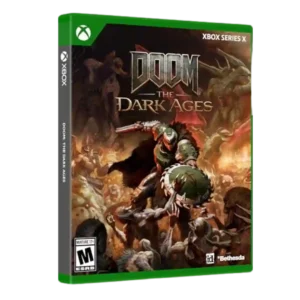
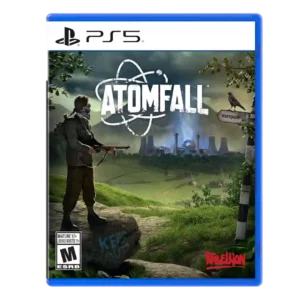
Compare Doom: The Dark Ages vs Atomfall

P1 Doom: The Dark Ages
P2 Atomfall

Comparison Takeaways

Doom: The Dark Ages

Where It Has the Edge

  • protagonist appeal is 4.5 vs 2.0. The protagonist’s power fantasy was praised in the supporting review as strongly delivered.
  • polish is 5.0 vs 2.7. Polish was praised in the two supporting reviews as polished and technically clean.
  • facial animations is 4.0 vs 2.0. Facial animations received a positive single assessment as solid.
  • core gameplay loop is 3.9 vs 2.0. Reviewers found the main loop engaging when the shield, parry and resource flow clicked, but some felt it...

Atomfall

Where It Has the Edge

  • writing quality is 4.5 vs 1.8. Writing quality had limited but positive evidence, with one reviewer calling the writing very good.
  • value for money is 3.7 vs 1.5. Value was mixed: Game Pass and quality hours helped, while full-price or short-runtime concerns lowered some scores.
  • replay value is 4.6 vs 2.9. Replay value was strong where reviewers wanted to revisit saves, chase endings, or see alternate routes and consequences.
  • haptic feedback integration is 4.5 vs 3.0. Haptic feedback evidence was limited but positive, with DualSense adaptive triggers improving weapon feel.
Average score
Product 1: Doom: The Dark Ages
3.7
Product 2: Atomfall
3.5
accessibility options
Product 1: Doom: The Dark Ages
4.6

Accessibility options were consistently praised, especially difficulty sliders, color customization and tuning tools, with minor caveats around clarity or audio-cue gaps.

Product 2: Atomfall
4.5

Accessibility options were widely praised, especially customizable difficulty and comfort features, although one review criticized missing visual options for eye strain.

AI behavior
Product 1: Doom: The Dark Ages
No score yet
Product 2: Atomfall
2.5

AI behavior was a major concern, with many complaints about dumb, inconsistent, or exploitable enemies, balanced by a few positive notes on warning behavior and faction reactions.

aiming precision
Product 1: Doom: The Dark Ages
No score yet
Product 2: Atomfall
3.7

Aiming and shooting ranged from satisfying bows and headshots to criticism that some firearms lacked punch or precision.

animation quality
Product 1: Doom: The Dark Ages
3.0

Animation quality had a mixed single assessment, criticizing reduced or less refined glory-kill animations.

Product 2: Atomfall
2.8

Animation quality had limited evidence and was criticized through character model presentation that looked last-gen.

art direction
Product 1: Doom: The Dark Ages
3.9

Art direction was generally praised for techno-medieval style and fresh locations, though one reviewer found the direction less Doom-like.

Product 2: Atomfall
5.0

Art direction was praised for melding lush countryside, decay, color, and atmosphere into a distinctive look.

atmosphere
Product 1: Doom: The Dark Ages
4.0

Atmosphere was praised in the supporting review for dark fantasy locations with a Demon’s Souls-like feel.

Product 2: Atomfall
4.5

Atmosphere was a consistent strength, especially the eerie Interchange, folk horror, sci-fi mystery, and British post-apocalyptic mood.

boss design
Product 1: Doom: The Dark Ages
2.3

Boss design was more negative than positive, with reviewers citing missed opportunities, underwhelming finales and recycled boss ideas despite one positive mention.

Product 2: Atomfall
1.5

Boss design was criticized in one review for lacking meaningful boss fights beyond generic enemies.

bug frequency
Product 1: Doom: The Dark Ages
3.3

Bug frequency was mixed: some saw glitches or falling-through-world problems, while another reported no bugs.

Product 2: Atomfall
2.2

Bug frequency was criticized in one review for game-breaking audio bugs and technical issues.

camera behavior
Product 1: Doom: The Dark Ages
1.5

Camera behavior was criticized in the supporting review for a baffling dragon-control scheme.

Product 2: Atomfall
1.8

Camera behavior received one strongly negative score tied to fisheye-like movement and eye strain.

combat system
Product 1: Doom: The Dark Ages
4.5

Combat drew the strongest agreement, with most reviewers praising shield-led, melee-heavy gunfights, while a minority felt the defensive shift weakened Doom’s flow.

Product 2: Atomfall
3.1

Combat drew the widest split: some praised its desperate, weighty firefights and satisfying weapons, while many called melee clunky, bland, janky, or underdeveloped.

content variety
Product 1: Doom: The Dark Ages
3.2

Content variety was split: multiple play styles and set pieces added variety, but gimmicky diversions hurt some reviewers’ impressions.

Product 2: Atomfall
4.2

One review praised the map's variety of locations and dangers, supporting a positive but limited content-variety score.

controls responsiveness
Product 1: Doom: The Dark Ages
4.3

Controls were generally praised for responsive shooting and melee feel, though one reviewer criticized slow weapon switching.

Product 2: Atomfall
2.9

Controls were praised for responsive shooting and trigger feel in a few places, but complaints about weightless melee and hit feedback kept the assessment mixed.

core gameplay loop
Product 1: Doom: The Dark Ages
3.9

Reviewers found the main loop engaging when the shield, parry and resource flow clicked, but some felt it became simpler or repetitive over time.

Product 2: Atomfall
2.0

Core gameplay loop evidence was negative where discussed directly, criticizing the basic cycle of roaming and avoiding hostiles when stealth was weak.

crafting system
Product 1: Doom: The Dark Ages
No score yet
Product 2: Atomfall
3.4

Crafting was seen as straightforward and useful, especially for weapons and supplies, but several reviewers found it basic or underwhelming.

crash stability
Product 1: Doom: The Dark Ages
3.3

Crash stability was mixed across platforms and review periods, from flawless stability to dashboard crashes and freezes.

Product 2: Atomfall
3.5

Crash stability had limited mixed evidence, with one reviewer noting crashes tied mainly to recording software.

dialogue quality
Product 1: Doom: The Dark Ages
No score yet
Product 2: Atomfall
3.8

Dialogue was usually praised for wit, Britishisms, tone choices, and memorable conversations, despite a few complaints about dialogue presentation.

difficulty balance
Product 1: Doom: The Dark Ages
3.4

Difficulty balance varied widely by reviewer, with praise for parry generosity and sliders but criticism that the game could feel too easy or unfair.

Product 2: Atomfall
3.9

Difficulty balance was highly adjustable and often praised for modular settings, but default challenge spikes felt unfair or punishing to some reviewers.

driving mechanics
Product 1: Doom: The Dark Ages
2.9

Mech/vehicle-style sections were mixed to negative overall: some enjoyed the spectacle and scale, but many found them shallow, repetitive or underpowered.

Product 2: Atomfall
No score yet
economy and resource balance
Product 1: Doom: The Dark Ages
3.3

Resource balance was split between praise for easier ammo sustain and criticism that ammo pressure became irrelevant.

Product 2: Atomfall
3.5

Resource balance and barter drew mixed-to-positive notes for scarcity and trade tension, offset by complaints about inventory limits and unrewarding combat loot.

emotional impact
Product 1: Doom: The Dark Ages
No score yet
Product 2: Atomfall
4.0

Emotional impact had limited positive evidence from decisions that could weigh on the player.

enemy variety
Product 1: Doom: The Dark Ages
4.0

Enemy variety was generally positive, with many demons and variants noted, though one reviewer found some repetition.

Product 2: Atomfall
2.9

Enemy variety was mixed: one review liked unique enemies, but others wanted more variety beyond humans and a few creatures.

environmental detail
Product 1: Doom: The Dark Ages
5.0

Environmental detail was strongly praised for vistas, lighting and rich scene composition.

Product 2: Atomfall
4.1

Environmental detail was often praised for dense spaces, crafted locations, landmarks, and striking scenery, with one review noting visual variety could grow stale.

exploration quality
Product 1: Doom: The Dark Ages
4.1

Exploration and secrets were commonly praised as rewarding, though some reviewers disliked backtracking or losing the old teleport/backtrack convenience.

Product 2: Atomfall
4.4

Exploration was the clearest strength across reviews, with praise for curiosity-driven discovery, meaningful leads, and rewarding secrets.

facial animations
Product 1: Doom: The Dark Ages
4.0

Facial animations received a positive single assessment as solid.

Product 2: Atomfall
2.0

Facial animations drew a negative review for rubbery, distorted faces during expression.

faithfulness to franchise
Product 1: Doom: The Dark Ages
3.9

Faithfulness to franchise was mixed: some reviewers felt it still felt like Doom, while others called it the least Doom-like modern entry.

Product 2: Atomfall
No score yet
fast travel convenience
Product 1: Doom: The Dark Ages
No score yet
Product 2: Atomfall
2.9

Fast travel convenience was polarizing, with many complaints about backtracking and no fast travel, while a few reviewers felt walking supported immersion.

flying mechanics
Product 1: Doom: The Dark Ages
2.5

Dragon and flying sections were the most repeated weak point, ranging from acceptable spectacle to dull, half-baked or mechanically thin segments.

Product 2: Atomfall
No score yet
frame rate stability
Product 1: Doom: The Dark Ages
4.4

Frame rate stability was often praised on tested platforms, with one review reporting unstable PS5 performance.

Product 2: Atomfall
5.0

Frame rate stability had limited but very positive evidence from a PS5 Pro review citing smooth 60 fps play.

fun factor
Product 1: Doom: The Dark Ages
4.6

Fun factor was strongly positive overall, even in mixed reviews, with reviewers repeatedly calling the campaign fun, rewarding, or charismatic.

Product 2: Atomfall
4.2

Fun factor was broadly positive even in mixed reviews, with many reviewers saying they enjoyed the world, systems, or playthrough despite flaws.

gameplay mechanics
Product 1: Doom: The Dark Ages
4.5

The shield saw and revised mechanics were often praised as a major new layer, though a few reviewers found the system one-note or overly dependent on the shield.

Product 2: Atomfall
3.7

Reviewers saw the core systems as streamlined and approachable, with survival-lite mechanics supporting exploration, though several felt the suite was shallow or only functional.

graphics quality
Product 1: Doom: The Dark Ages
4.5

Graphics quality was consistently strong, with reviewers praising models, crisp visuals and cutting-edge presentation.

Product 2: Atomfall
4.4

Graphics quality was broadly positive, especially environments and countryside vistas, though some reviews noted rough character models.

grind level
Product 1: Doom: The Dark Ages
No score yet
Product 2: Atomfall
2.8

Grind level had limited mixed evidence, with default difficulty feeling grindy to some players before customization helped.

handheld play suitability
Product 1: Doom: The Dark Ages
No score yet
Product 2: Atomfall
4.5

Handheld play suitability had limited but positive evidence from Steam Deck testing.

haptic feedback integration
Product 1: Doom: The Dark Ages
3.0

Haptic feedback integration had a mixed single assessment, with DualSense features noted but controller-speaker output called obnoxious.

Product 2: Atomfall
4.5

Haptic feedback evidence was limited but positive, with DualSense adaptive triggers improving weapon feel.

horror tension
Product 1: Doom: The Dark Ages
No score yet
Product 2: Atomfall
4.1

Horror tension was positively supported by unsettling facilities and an unnerving underground atmosphere.

HUD clarity
Product 1: Doom: The Dark Ages
No score yet
Product 2: Atomfall
3.4

HUD clarity was mixed: one review praised the immersive minimal ammo check, while another wanted clearer ammo information when swapping weapons.

immersion
Product 1: Doom: The Dark Ages
5.0

Immersion was praised in the supporting review for subtle audio and environmental feedback.

Product 2: Atomfall
4.0

Immersion was usually strong due to exploration, setting, and atmosphere, though a few systems and empty-world moments broke the illusion.

innovation
Product 1: Doom: The Dark Ages
4.4

Innovation was broadly praised for reinventing Doom’s formula, though some reviewers saw the simplification as a tradeoff.

Product 2: Atomfall
4.2

Innovation evidence centered on the Lead system and accessibility options, which one review explicitly praised as innovative.

learning curve
Product 1: Doom: The Dark Ages
4.0

The supporting review found the vehicle controls easy to grasp quickly, reflecting a low-friction learning curve.

Product 2: Atomfall
4.2

Learning curve evidence was positive, especially around the recommended Survivor setting feeling steep but satisfying.

level design
Product 1: Doom: The Dark Ages
3.8

Level design received mixed praise for larger arenas, secrets and vistas, but some reviewers found open spaces flatter, bland or less tightly paced.

Product 2: Atomfall
3.0

Level design was mixed: some linear interiors were interesting to explore, but others felt empty, shallow, or short on curated encounters.

load times
Product 1: Doom: The Dark Ages
No score yet
Product 2: Atomfall
4.0

Load times had limited positive evidence, with one review noting quick loading screens despite their frequency.

loot system
Product 1: Doom: The Dark Ages
No score yet
Product 2: Atomfall
2.2

Loot and inventory value were criticized when rewards felt like filler or items became burdens rather than meaningful discoveries.

lore depth
Product 1: Doom: The Dark Ages
4.3

Lore depth was praised where codex material and broader Doom world-building were assessed directly.

Product 2: Atomfall
3.3

Lore depth was mixed, with compelling mysteries and notes offset by underused premise and surface-level faction development.

map and navigation design
Product 1: Doom: The Dark Ages
2.4

Map and navigation design drew complaints about navigation difficulty, excessive map checking, or secrets already revealed on the map.

Product 2: Atomfall
3.2

Map and navigation design was divisive: organic clue-based navigation impressed some, but vague objectives and missing area maps frustrated others.

menu usability
Product 1: Doom: The Dark Ages
3.0

Menu usability was mixed, with one reviewer criticizing melee switching and another wanting clearer difficulty-slider explanations.

Product 2: Atomfall
2.7

Menu usability was criticized for small issues adding up and for leads or clues not being organized well.

mission design
Product 1: Doom: The Dark Ages
4.5

Mission design was praised in the supporting review for making the core demon-slaying missions feel exciting.

Product 2: Atomfall
3.9

Mission design was split between admiration for naturalistic quest feel and criticism that many leads still became point-to-point errands.

mission variety
Product 1: Doom: The Dark Ages
4.5

Mission variety was praised for wider spaces, linear sections and open objectives that changed pace.

Product 2: Atomfall
2.7

Mission variety was a recurring weakness when leads devolved into similar errands or repetitive objective chains.

movement feel
Product 1: Doom: The Dark Ages
3.9

Movement was divisive: several reviewers liked the heavy but mobile feel, while others missed the faster, more acrobatic style of earlier entries.

Product 2: Atomfall
3.2

Movement feel had limited mixed evidence, with one reviewer finding heart-rate traversal restrictions occasionally annoying but not enjoyment-breaking.

narrative quality
Product 1: Doom: The Dark Ages
2.8

Narrative quality was highly divided, ranging from Doom’s strongest story to self-serious, confusing, bland or unnecessary storytelling.

Product 2: Atomfall
3.7

Narrative quality split reviewers: many enjoyed the mystery, branching endings, and investigative structure, while others found the plot thin, vague, or underwhelming at the end.

onboarding experience
Product 1: Doom: The Dark Ages
4.5

Onboarding was praised for welcoming new players and easing them into the revised systems.

Product 2: Atomfall
3.0

Onboarding divided reviewers: one struggled through a poor first two hours, while another felt the opening quickly communicated the game's freedom.

open-world design
Product 1: Doom: The Dark Ages
4.5

Semi-open design was praised for broader spaces, optional content and player choice in objectives.

Product 2: Atomfall
3.6

Open-world design was praised when reviewers liked its compact less-is-more structure, but criticized when the world felt static or underbaked.

originality
Product 1: Doom: The Dark Ages
No score yet
Product 2: Atomfall
3.8

Originality was mixed-to-positive: reviewers liked the unusual British setting and fresh lead system, while several felt the mechanics borrowed too much.

pacing
Product 1: Doom: The Dark Ages
3.4

Pacing was split: some liked the measured rollout and breathless campaign, while others disliked the ending, reduced momentum or open-map slowdown.

Product 2: Atomfall
3.3

Pacing opinions were mixed: some liked the short, focused runtime, while others complained about trudging, busywork, repetition, or inconsistent momentum.

performance optimization
Product 1: Doom: The Dark Ages
4.3

Performance optimization was mostly positive, especially on capable hardware, though some reviews noted high requirements or drops.

Product 2: Atomfall
4.5

Performance optimization was generally strong across PC, PS5 Pro, and Steam Deck, though one preview noted some issues.

platform-specific feature support
Product 1: Doom: The Dark Ages
No score yet
Product 2: Atomfall
4.5

Platform-specific support was positive where mentioned, especially DualSense adaptive triggers and Steam Deck suitability.

platforming precision
Product 1: Doom: The Dark Ages
2.0

Platforming was judged more limited than earlier modern Doom games in the one review that assessed it.

Product 2: Atomfall
2.0

One reviewer specifically criticized platforming as lacklustre, saying basic maneuvers could take multiple tries.

polish
Product 1: Doom: The Dark Ages
5.0

Polish was praised in the two supporting reviews as polished and technically clean.

Product 2: Atomfall
2.7

Polish was mixed-to-negative overall, with repeated complaints about rough edges, design omissions, and undercooked systems despite one bug-free PC report.

progression system
Product 1: Doom: The Dark Ages
No score yet
Product 2: Atomfall
2.2

Progression system evidence was limited and negative, with one reviewer calling the overall progression very slim.

protagonist appeal
Product 1: Doom: The Dark Ages
4.5

The protagonist’s power fantasy was praised in the supporting review as strongly delivered.

Product 2: Atomfall
2.0

Protagonist appeal was criticized by one reviewer who felt the amnesiac lead lacked personality traits.

puzzle design
Product 1: Doom: The Dark Ages
3.5

Puzzle design was lightly covered, with reviewers describing simple exploration puzzles as enjoyable but rarely demanding.

Product 2: Atomfall
4.0

Puzzle evidence was limited but positive, focused on the Interchange and its light energy-routing puzzles that kept exploration engaged.

quest design
Product 1: Doom: The Dark Ages
No score yet
Product 2: Atomfall
4.0

The leads and quest structure were a standout for many reviewers because it encouraged investigation and choice, though others found some objectives basic or unclear.

replay value
Product 1: Doom: The Dark Ages
2.9

Replay value was mixed, with secrets and challenges helping, but some reviewers doubting long-term appeal or completionist-heavy longevity.

Product 2: Atomfall
4.6

Replay value was strong where reviewers wanted to revisit saves, chase endings, or see alternate routes and consequences.

sandbox freedom
Product 1: Doom: The Dark Ages
4.0

Sandbox freedom was praised for giving players meaningful freedom in larger maps and objective order.

Product 2: Atomfall
4.5

Sandbox freedom was praised strongly for player agency, kill-anyone flexibility, faction choices, and nonlinear routes through the story.

side character depth
Product 1: Doom: The Dark Ages
2.0

Side character depth was usually criticized, with reviewers calling supporting characters forgettable, unmemorable or impossible to care about.

Product 2: Atomfall
3.3

Side character depth was mixed: several reviewers liked memorable NPCs, while others thought factions and personalities stayed too surface-level.

skill tree depth
Product 1: Doom: The Dark Ages
No score yet
Product 2: Atomfall
3.0

The skill tree was usually considered streamlined but shallow, with several reviewers calling perks boring, generic, hard to discover, or unnecessary.

sound design
Product 1: Doom: The Dark Ages
4.3

Sound design was generally strong, with praise for heavy feedback and crunchy effects, though one reviewer found effects too soft.

Product 2: Atomfall
3.3

Sound design was mixed, with one complaint about off-putting audio and another positive note on environmental sound.

soundtrack quality
Product 1: Doom: The Dark Ages
3.9

Soundtrack quality was divided: several reviewers loved the metal score, while others found it less memorable or a downgrade from earlier entries.

Product 2: Atomfall
4.0

Soundtrack evidence was limited but positive, praising lean music that suited the quiet survival atmosphere.

stealth mechanics
Product 1: Doom: The Dark Ages
No score yet
Product 2: Atomfall
2.6

Stealth was repeatedly criticized as inconsistent, shallow, or unreliable, though a few reviewers found methodical sneaking viable on the right settings.

tutorial quality
Product 1: Doom: The Dark Ages
2.5

Tutorial delivery was criticized in the supporting review for interrupting pacing despite gradual mechanic introduction.

Product 2: Atomfall
No score yet
upgrade system
Product 1: Doom: The Dark Ages
3.6

Upgrade systems were mixed: some liked streamlined and useful upgrades, while others wanted more depth or disliked passive-feeling progression.

Product 2: Atomfall
4.0

Upgrade system evidence was limited but positive, with weapon improvement through crafting described as helpful.

user interface design
Product 1: Doom: The Dark Ages
No score yet
Product 2: Atomfall
2.5

User interface design had limited negative evidence, with one reviewer saying full-screen menus broke immersion.

value for money
Product 1: Doom: The Dark Ages
1.5

Value for money was criticized in the supporting review for the price and perceived lack of content.

Product 2: Atomfall
3.7

Value was mixed: Game Pass and quality hours helped, while full-price or short-runtime concerns lowered some scores.

visual effects quality
Product 1: Doom: The Dark Ages
No score yet
Product 2: Atomfall
4.2

Visual effects evidence was limited but positive, with praise for striking interior lighting such as shafts of light through windows.

voice acting
Product 1: Doom: The Dark Ages
No score yet
Product 2: Atomfall
4.5

Voice acting was a consistent positive, especially regional accents and standout performances that made NPCs more memorable.

weapon balance
Product 1: Doom: The Dark Ages
4.2

Weapon balance was broadly praised for useful, varied weapons, though some reviewers felt guns were simplified or overshadowed by the shield.

Product 2: Atomfall
3.4

Weapon balance was mixed: some praised weapon variety or gun feel, while others disliked uninteresting weapons and scarcity tradeoffs.

world-building
Product 1: Doom: The Dark Ages
No score yet
Product 2: Atomfall
4.7

World-building was one of the strongest attributes, especially the British quarantine-zone identity, folk horror, and distinctive alternate-history setting.

world interactivity
Product 1: Doom: The Dark Ages
No score yet
Product 2: Atomfall
2.2

World interactivity received a low score from one reviewer who felt NPCs and systems failed to react properly to player actions.

writing quality
Product 1: Doom: The Dark Ages
1.8

Writing quality was mostly criticized for dull cutscenes, cliched dialogue and disjointed storytelling.

Product 2: Atomfall
4.5

Writing quality had limited but positive evidence, with one reviewer calling the writing very good.