Compare Metroid Prime 4: Beyond vs Pragmata

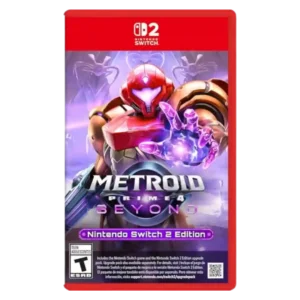
P1 Metroid Prime 4: Beyond
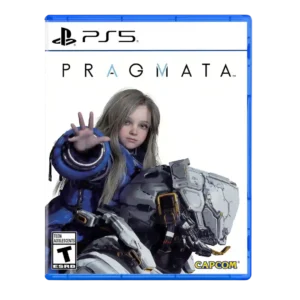
P2 Pragmata

Comparison Takeaways

Metroid Prime 4: Beyond

Where It Has the Edge

  • handheld play suitability is 4.7 vs 3.2. Handheld play is well supported, with reviewers praising handheld performance and docked/handheld control smoothness.
  • frame rate stability is 4.9 vs 3.7. Frame rate stability is a strong technical point, with repeated praise for 60fps, 120fps, and barely dropping frames...
  • movement feel is 4.8 vs 3.9. Movement feel is strong for Samus and general first-person control, though vehicle handling is more divisive.
  • HUD clarity is 4.0 vs 3.4. Supported by direct review evidence.

Pragmata

Where It Has the Edge

  • menu usability is 4.8 vs 2.2. Menu usability is praised for reducing friction, especially when checking materials and returning to the Shelter.
  • fast travel convenience is 4.2 vs 2.0. Fast travel convenience is supported by strategically placed save and fast-travel points that help structure exploration.
  • tutorial quality is 4.2 vs 2.0. The demo/tutorial-style introduction is seen as a useful explanation of what the game is about and how it...
  • character development is 4.4 vs 2.2. Character development is a major strength in many reviews, especially the father-daughter-like bond, though one review says parts...
Average score
Product 1: Metroid Prime 4: Beyond
3.6
Product 2: Pragmata
4.3
accessibility options
Product 1: Metroid Prime 4: Beyond
No score yet
Product 2: Pragmata
3.0

Accessibility is mixed: one review notes grouped accessibility presets but no colorblind options, and another describes trouble reading red hacking tiles.

AI behavior
Product 1: Metroid Prime 4: Beyond
No score yet
Product 2: Pragmata
4.0

AI behavior is central to the premise, with a rogue AI turning the moon station and robots against Hugh.

aiming precision
Product 1: Metroid Prime 4: Beyond
3.9

Reviewers liked the precision possible with gyro, pointer, or mouse-style aiming, though comfort and consistency varied by setup.

Product 2: Pragmata
4.2

Aiming is supported by enemy weak spots that reward careful precision once Diana opens robots up through hacking.

animation quality
Product 1: Metroid Prime 4: Beyond
No score yet
Product 2: Pragmata
4.5

Animation quality is supported by motion-captured interactions between Hugh and Diana that help sell the human element.

art direction
Product 1: Metroid Prime 4: Beyond
4.5

Art direction is a consistent strength, with reviewers calling out alien visual design, striking environments, and strong Switch 2 presentation.

Product 2: Pragmata
4.8

Art direction is a standout, with reviewers praising the NASA-punk, sci-fi, and distinctive visual identity of the lunar base.

atmosphere
Product 1: Metroid Prime 4: Beyond
4.7

Atmosphere is one of the clearest wins: many reviews describe Viewros as eerie, lonely, alien, and richly mood-driven.

Product 2: Pragmata
4.5

Atmosphere is praised for eerie, sinister, inhuman spaces that reinforce the AI-shaped lunar setting.

boss design
Product 1: Metroid Prime 4: Beyond
4.4

Boss design lands well overall, often described as puzzle-like, spectacular, intense, and among the stronger parts of the adventure.

Product 2: Pragmata
4.2

Boss design is usually positive, with bosses described as highlights, spectacles, memorable, or well designed, though some previews found them frustrating.

bug frequency
Product 1: Metroid Prime 4: Beyond
5.0

Bug frequency receives limited but positive evidence from one completion-focused review that reported no glitches or frame drops.

Product 2: Pragmata
4.8

Bug frequency appears low in the cited review, which reports no glitches or frame hiccups during play.

camera behavior
Product 1: Metroid Prime 4: Beyond
2.0

Camera behavior has limited negative evidence, with one review describing the bike/camera targeting as snapping away from the intended object.

Product 2: Pragmata
No score yet
character development
Product 1: Metroid Prime 4: Beyond
2.2

Character development is divisive: some moments lose impact because Samus stays silent, while companions rarely receive deep arcs.

Product 2: Pragmata
4.4

Character development is a major strength in many reviews, especially the father-daughter-like bond, though one review says parts feel forced.

character roster
Product 1: Metroid Prime 4: Beyond
4.1

The supporting cast is broader than older Prime games, with some reviewers enjoying the team and others seeing them as thin archetypes.

Product 2: Pragmata
No score yet
checkpoint system
Product 1: Metroid Prime 4: Beyond
2.5

Checkpoint design drew criticism in boss fights, especially when deaths send players back to the beginning of lengthy encounters.

Product 2: Pragmata
3.5

Checkpoint behavior is mixed because returning to the Shelter can respawn enemies, which one reviewer found dull.

combat system
Product 1: Metroid Prime 4: Beyond
4.3

Combat is generally fun, weighty, and quick, although some reviewers found its action focus repetitive or less exploratory than classic Prime.

Product 2: Pragmata
4.7

Combat is the clearest consensus strength: most reviewers highlight the real-time hack-and-shoot system as satisfying, inventive, tactile, and often exceptional, though one notes occasional clunkiness.

companion AI
Product 1: Metroid Prime 4: Beyond
2.5

Companion behavior is one of the most divisive elements, ranging from tolerable or charming to intrusive, over-explanatory, and mechanically awkward.

Product 2: Pragmata
4.5

Companion AI is strongly tied to gameplay because Diana handles hacking while Hugh handles shooting, making her mechanically essential.

content variety
Product 1: Metroid Prime 4: Beyond
No score yet
Product 2: Pragmata
4.4

Content variety is supported by varied arsenal choices, attack/tactical/defense units, new toys, and multiple combat or exploration systems.

controls responsiveness
Product 1: Metroid Prime 4: Beyond
4.6

Controls are widely praised, with strong support for dual-stick, gyro, pointer, and other setups, aside from ergonomic caveats around mouse mode.

Product 2: Pragmata
4.7

Controls are generally praised as responsive and intuitive, with reviewers saying the shooting, movement, and hacking become manageable despite the multitasking demands.

core gameplay loop
Product 1: Metroid Prime 4: Beyond
3.9

The core loop still works best when it emphasizes scanning, combat, puzzle-solving, upgrades, and atmospheric exploration, though some reviews say action and padding disrupt it.

Product 2: Pragmata
4.5

Reviewers repeatedly praise the central loop of shooting while hacking, calling it tense, satisfying, well-paced, and strong enough to hold attention through the campaign.

crash stability
Product 1: Metroid Prime 4: Beyond
No score yet
Product 2: Pragmata
5.0

Crash stability is strong in the cited PC review, which reports no crashes.

dialogue quality
Product 1: Metroid Prime 4: Beyond
No score yet
Product 2: Pragmata
4.7

Dialogue receives positive support, especially the Shelter conversations and the relationship-building exchanges between Hugh and Diana.

difficulty balance
Product 1: Metroid Prime 4: Beyond
3.3

Difficulty is mixed: boss fights can be challenging and adjustable, but some reviewers called spikes or easy completion balance uneven.

Product 2: Pragmata
4.0

Difficulty is generally seen as fair and rewarding, though some reviewers describe the process as unforgiving while others find standard difficulty not especially challenging.

DLC value
Product 1: Metroid Prime 4: Beyond
2.0

DLC value is only lightly supported through criticism of amiibo-locked music, framed as poor value rather than traditional expansion content.

Product 2: Pragmata
No score yet
driving mechanics
Product 1: Metroid Prime 4: Beyond
4.0

Vi-O-La is polarizing: several reviewers love its speed and feel, while others dislike its drift, open-hub use, or role as padding.

Product 2: Pragmata
No score yet
economy and resource balance
Product 1: Metroid Prime 4: Beyond
No score yet
Product 2: Pragmata
3.9

Resource balance is a real design pillar, with ammo scarcity, fragile weapons, healing limits, and breakable printed gear pushing adaptation.

emotional impact
Product 1: Metroid Prime 4: Beyond
4.0

Emotional impact has limited positive evidence around the finale and companion relationships, but it is not a universal strength.

Product 2: Pragmata
4.7

Emotional impact is strong across multiple reviews, with several reviewers saying Hugh and Diana's bond moved them or hit close to home.

endgame content
Product 1: Metroid Prime 4: Beyond
No score yet
Product 2: Pragmata
4.3

Endgame content is a positive but not unanimous area, with New Game Plus and postgame challenges praised while one review found some postgame modes lackluster.

enemy variety
Product 1: Metroid Prime 4: Beyond
2.8

Enemy variety is mixed-to-negative in several reviews, with some praise for boss variety but repeated complaints about similar bots, bugs, and aliens.

Product 2: Pragmata
4.0

Enemy variety is mostly praised for keeping combat engaging and requiring different approaches, though a couple of reviewers wanted more or noticed reuse.

environmental detail
Product 1: Metroid Prime 4: Beyond
4.8

Environmental detail is a strong point, with varied biomes, dense visual detail, and effects that communicate heat, cold, and alien scale.

Product 2: Pragmata
4.4

Environmental detail is praised through varied biomes, surprising setting changes, and visually distinct moon-base areas.

exploration quality
Product 1: Metroid Prime 4: Beyond
4.1

Exploration remains a major draw inside the main regions, though the desert hub and linear structure weaken the Metroidvania feeling for some reviewers.

Product 2: Pragmata
4.3

Exploration is a repeated strength, especially optional paths, collectibles, backtracking rewards, secrets, and areas that reward curiosity.

facial animations
Product 1: Metroid Prime 4: Beyond
4.0

Facial animations receive limited positive evidence, mostly tied to Nintendo taking a step forward with character presentation.

Product 2: Pragmata
No score yet
faithfulness to franchise
Product 1: Metroid Prime 4: Beyond
4.1

Faithfulness is split: some see it as unmistakably Prime, while others feel the open hub, companions, and linearity dilute classic Metroid identity.

Product 2: Pragmata
No score yet
fast travel convenience
Product 1: Metroid Prime 4: Beyond
2.0

Fast travel convenience is weak, with multiple reviewers wishing for faster ways to revisit areas or move between hubs.

Product 2: Pragmata
4.2

Fast travel convenience is supported by strategically placed save and fast-travel points that help structure exploration.

frame rate stability
Product 1: Metroid Prime 4: Beyond
4.9

Frame rate stability is a strong technical point, with repeated praise for 60fps, 120fps, and barely dropping frames on Switch 2.

Product 2: Pragmata
3.7

Frame rate stability is platform-dependent: PC evidence is excellent, while Switch 2's unlocked frame rate is criticized as unstable.

fun factor
Product 1: Metroid Prime 4: Beyond
3.9

Fun factor is mostly positive despite caveats, with several reviewers saying the core adventure kept them engaged or was hard to put down.

Product 2: Pragmata
4.8

Fun factor is one of the strongest areas, with reviewers repeatedly calling the game fun, entertaining, and a blast to play.

gameplay mechanics
Product 1: Metroid Prime 4: Beyond
3.5

Gameplay mechanics are solid but uneven: classic Prime mechanics still compel, while psychic powers and some additions feel conservative or clunky.

Product 2: Pragmata
4.5

Review evidence describes the game as compelling when its third-person shooting and hacking layers work together, with the dual-system gameplay carrying the experience.

graphics quality
Product 1: Metroid Prime 4: Beyond
4.8

Graphics quality is one of the strongest consensus positives, frequently described as gorgeous, stunning, or best-looking on Switch 2.

Product 2: Pragmata
4.5

Graphics quality is broadly praised across platforms, with strong visuals, impressive environments, and current-gen presentation, though Switch 2 is cut back.

grind level
Product 1: Metroid Prime 4: Beyond
2.0

Grind level is a repeated concern, especially around green crystal collection and late-game resource padding.

Product 2: Pragmata
3.2

Grind is a minor caveat around Cabin Coins, which one reviewer says can become a grind for bingo-board rewards.

handheld play suitability
Product 1: Metroid Prime 4: Beyond
4.7

Handheld play is well supported, with reviewers praising handheld performance and docked/handheld control smoothness.

Product 2: Pragmata
3.2

Handheld suitability is mixed: PlayStation Portal use is positive, Steam Deck is playable only at a pinch, and Switch 2 handheld is soft and unstable.

haptic feedback integration
Product 1: Metroid Prime 4: Beyond
No score yet
Product 2: Pragmata
4.5

DualSense adaptive triggers are noted as contributing to the tactile feel of the action.

HUD clarity
Product 1: Metroid Prime 4: Beyond
4.0

Supported by direct review evidence.

Product 2: Pragmata
3.4

HUD clarity is mixed: the hacking UI can draw attention away from danger, and collectible scanning can clutter the HUD.

immersion
Product 1: Metroid Prime 4: Beyond
4.4

Immersion is high in the crafted areas, although chatter, hints, and hub padding can interrupt the mood.

Product 2: Pragmata
4.2

Immersion is supported by audio and headphones deepening the sci-fi experience.

innovation
Product 1: Metroid Prime 4: Beyond
2.8

Innovation is mixed-to-weak: the game adds psychic powers and a bike, but many reviewers call the changes conservative or not compelling.

Product 2: Pragmata
4.8

Innovation is strongly supported by the puzzle-shooter concept and Capcom's willingness to build a fresh system around simultaneous hacking and shooting.

learning curve
Product 1: Metroid Prime 4: Beyond
No score yet
Product 2: Pragmata
3.8

The learning curve is real because simultaneous hacking and shooting takes time to master, but reviewers generally say it clicks.

level design
Product 1: Metroid Prime 4: Beyond
4.3

Level design is strong in the dungeon-like areas but more criticized when reviewers discuss linearity or the desert connector.

Product 2: Pragmata
4.4

Level design is usually described as linear but strong, with shortcuts, puzzle-box routing, save points, and optional paths keeping stages engaging.

load times
Product 1: Metroid Prime 4: Beyond
2.7

Load times are mixed: some praise minimal loading, while others criticize traversal layers and disguised loading sequences.

Product 2: Pragmata
No score yet
loot system
Product 1: Metroid Prime 4: Beyond
No score yet
Product 2: Pragmata
3.2

Loot rewards are more mixed, with one reviewer finding some cosmetic and collectible incentives underwhelming despite the broader reward structure.

lore depth
Product 1: Metroid Prime 4: Beyond
4.3

Lore depth is a strength, especially through scanning, environmental storytelling, and Lamorn history.

Product 2: Pragmata
4.0

Lore depth is supported by data logs and voiced holograms, though the main story sometimes relies on them for important context.

map and navigation design
Product 1: Metroid Prime 4: Beyond
3.1

Map and navigation design is mixed, with useful markers and collectible tracking offset by split areas, hub traversal, and reduced discovery.

Product 2: Pragmata
3.1

Map and navigation design is a recurring concern, with several reviewers calling the map unhelpful, imprecise, or frustrating for backtracking.

menu usability
Product 1: Metroid Prime 4: Beyond
2.2

Menu usability has limited negative evidence around unclear progress/menu information for crystal collection.

Product 2: Pragmata
4.8

Menu usability is praised for reducing friction, especially when checking materials and returning to the Shelter.

mission design
Product 1: Metroid Prime 4: Beyond
No score yet
Product 2: Pragmata
3.2

Mission design receives mixed preview evidence, with one objective criticized for repeating the six-lock door setup.

mission variety
Product 1: Metroid Prime 4: Beyond
No score yet
Product 2: Pragmata
4.2

Mission variety is helped by training simulations and side challenges that reviewers call surprisingly fun or among the better optional content.

monetization fairness
Product 1: Metroid Prime 4: Beyond
2.0

Monetization fairness has limited negative evidence tied to criticism of amiibo-locked bike music and perceived Nintendo greed.

Product 2: Pragmata
No score yet
movement feel
Product 1: Metroid Prime 4: Beyond
4.8

Movement feel is strong for Samus and general first-person control, though vehicle handling is more divisive.

Product 2: Pragmata
3.9

Movement is mostly positive thanks to boosting, jumping, dodging, and light platforming, though one reviewer calls Hugh's momentum unpredictable.

narrative quality
Product 1: Metroid Prime 4: Beyond
2.3

Narrative quality is mixed-to-negative: Lamorn lore interests reviewers, but the conclusion, Sylux, and Samus's silence often disappoint.

Product 2: Pragmata
3.9

Narrative quality is divisive: several reviews love the story and relationship, while others call the plot safe, predictable, uneven, or underexplored.

onboarding experience
Product 1: Metroid Prime 4: Beyond
2.8

Onboarding is divisive, with some reviewers appreciating newcomer guidance and others criticizing forced tutorials and aggressive handholding.

Product 2: Pragmata
4.5

Onboarding is praised for introducing the core loop without dragging, helping players learn shooting, moving, and hacking together.

open-world design
Product 1: Metroid Prime 4: Beyond
2.1

Open-world design is the clearest repeated weakness; Sol Valley is often called empty, barren, dated, or padding.

Product 2: Pragmata
No score yet
originality
Product 1: Metroid Prime 4: Beyond
2.8

Originality receives limited and lukewarm evidence, with reviewers saying the game has fewer memorable ideas than Prime Remastered.

Product 2: Pragmata
4.7

Originality is praised because Pragmata feels like a new IP with unique systems, even when it uses familiar shooter and dad-game foundations.

pacing
Product 1: Metroid Prime 4: Beyond
2.7

Pacing is inconsistent: dungeon progression can flow well, but desert backtracking, late-game crystals, and bloat are common complaints.

Product 2: Pragmata
4.4

Pacing is mostly praised as brisk and focused, with reviewers saying it wastes little time, though one notes the final section drags.

performance optimization
Product 1: Metroid Prime 4: Beyond
4.9

Performance optimization is excellent on Switch 2, repeatedly praised as technically strong and stable.

Product 2: Pragmata
4.5

Performance optimization is generally strong on PC and higher-end hardware, though the Switch 2 port introduces more compromise.

platform-specific feature support
Product 1: Metroid Prime 4: Beyond
4.7

Platform-specific support is strong on Switch 2 thanks to control options, HDR, and 60/120fps display modes.

Product 2: Pragmata
4.5

Platform-specific feature support is visible in ray tracing and performance modes, though execution varies by platform.

platforming precision
Product 1: Metroid Prime 4: Beyond
No score yet
Product 2: Pragmata
4.2

Platforming is present as part of the action-adventure structure, with timing jumps and hover movement noted as important.

polish
Product 1: Metroid Prime 4: Beyond
3.0

Polish is mixed: presentation can be excellent, but some reviews note rough spots, glitches, or awkward technical seams.

Product 2: Pragmata
4.4

Polish is broadly positive, with reviewers calling the game polished, well-made, and expertly designed, though Switch 2 has visible cuts.

progression system
Product 1: Metroid Prime 4: Beyond
4.0

Progression works when upgrades make Samus feel more capable, but the macro-structure is often considered too linear.

Product 2: Pragmata
4.6

Progression is consistently positive, with upgrades, resources, loadouts, and hub growth giving players steady goals and meaningful growth.

protagonist appeal
Product 1: Metroid Prime 4: Beyond
2.5

Protagonist appeal is limited by Samus's silence in dialogue-heavy scenes, even though her iconic presence remains central.

Product 2: Pragmata
4.7

Protagonist appeal is positive mainly through Diana's charm and Hugh's surprising everyman appeal.

puzzle design
Product 1: Metroid Prime 4: Beyond
4.2

Puzzle design is generally good, especially in boss and dungeon contexts, though some psychic mechanics feel familiar.

Product 2: Pragmata
4.5

The puzzle layer is widely praised because hacking turns combat into a real-time route-planning challenge rather than a detached minigame.

replay value
Product 1: Metroid Prime 4: Beyond
4.5

Replay value has limited positive evidence from a reviewer who wanted to continue collecting and replay after near-completion.

Product 2: Pragmata
4.7

Replay value is strong thanks to completion goals, New Game Plus, harder modes, postgame challenges, and reviewers wanting to return after credits.

save system reliability
Product 1: Metroid Prime 4: Beyond
2.0

Save reliability is a recurring concern, especially point-of-no-return behavior and limited autosave frequency.

Product 2: Pragmata
4.0

Saving is clearly tied to the Shelter, giving the game a defined hub-based save structure.

side character depth
Product 1: Metroid Prime 4: Beyond
3.4

Side character depth is mixed, with some attachment to the crew but repeated criticism that arcs and personalities are thin.

Product 2: Pragmata
No score yet
sound design
Product 1: Metroid Prime 4: Beyond
4.5

Sound design is praised for maintaining Prime's atmospheric feel and supporting the alien setting.

Product 2: Pragmata
4.7

Sound design is a major strength, with reviewers praising weapon sounds, sci-fi effects, acoustics, and the satisfying feedback of hacks.

soundtrack quality
Product 1: Metroid Prime 4: Beyond
4.8

Soundtrack quality is very strong, with many reviewers calling the music excellent, fantastic, or phenomenal.

Product 2: Pragmata
4.5

Soundtrack quality is positive, with reviewers noting arresting music, strong battle tracks, and a soundtrack that deepens the audio experience.

tutorial quality
Product 1: Metroid Prime 4: Beyond
2.0

Tutorial quality is criticized in limited evidence for a mandatory motorcycle tutorial and over-explanation.

Product 2: Pragmata
4.2

The demo/tutorial-style introduction is seen as a useful explanation of what the game is about and how it plays.

upgrade system
Product 1: Metroid Prime 4: Beyond
4.2

Upgrade system is mostly positive where quality-of-life upgrades and ability growth improve return visits.

Product 2: Pragmata
4.7

The upgrade system is praised for loadout customization and an immediately gratifying upgrade loop tied to Hugh, Diana, weapons, and abilities.

user interface design
Product 1: Metroid Prime 4: Beyond
4.2

User interface design gets positive evidence from map item display, though some hinting systems were too aggressive.

Product 2: Pragmata
4.8

The broader user interface is praised for being streamlined and easy to use during play.

value for money
Product 1: Metroid Prime 4: Beyond
2.6

Value for money is mixed, with one reviewer recommending a sale for the Switch 2 version and another feeling the purchase was not worthwhile.

Product 2: Pragmata
4.5

Value is mostly positive for players who enjoy completion, New Game Plus, postgame, and a 12-to-20-hour action-adventure scope.

visual effects quality
Product 1: Metroid Prime 4: Beyond
4.2

Visual effects are strong overall, with impressive lighting and particles, though one review notes some effects animate at a lower frame rate.

Product 2: Pragmata
4.2

Visual effects get positive support through combat flourishes such as sparks and explosions accompanying the shooting and hacking.

voice acting
Product 1: Metroid Prime 4: Beyond
3.5

Voice acting is mixed, praised by some as strong and criticized by others as uneven or tied to annoying characters.

Product 2: Pragmata
4.7

Voice acting is praised as convincing and delightful, with Diana and the central pair singled out.

weapon balance
Product 1: Metroid Prime 4: Beyond
No score yet
Product 2: Pragmata
3.7

Weapon balance is mostly positive because of varied, paced arsenal options, but at least one reviewer found specific weapons weak.

world-building
Product 1: Metroid Prime 4: Beyond
4.6

World-building is a major strength, especially in how Viewros, the Lamorn, and environmental scans make the planet feel coherent.

Product 2: Pragmata
4.5

World-building is praised for near-future technology, Lunafilament, environmental storytelling, and humanity-focused sci-fi ideas.

world interactivity
Product 1: Metroid Prime 4: Beyond
No score yet
Product 2: Pragmata
4.2

World interaction is supported by environmental tools and hazards, including laser fields and other elements that affect encounters.

writing quality
Product 1: Metroid Prime 4: Beyond
2.4

Writing quality is uneven, with repeated criticism of clichés, caricatures, repeated reminders, and over-explaining.

Product 2: Pragmata
4.2

Writing quality is strongest when focused on the Hugh-Diana relationship and themes, but some reviewers find it blunt or on the nose.