Compare Final Fantasy VII Rebirth vs Disgaea Mayhem

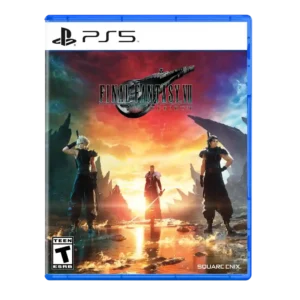
P1 Final Fantasy VII Rebirth
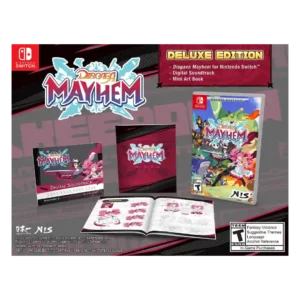
P2 Disgaea Mayhem

Comparison Takeaways

Final Fantasy VII Rebirth

Where It Has the Edge

  • environmental detail is 4.9 vs 1.7. Environmental detail is heavily praised for making Gaia's landscapes, regions, and familiar locations feel vivid and emotionally resonant.
  • crash stability is 5.0 vs 2.0. Crash stability is strong in the limited evidence, with one reviewer reporting no crashes.
  • character roster is 4.8 vs 1.8. The roster is praised for adding distinct, memorable party members whose combat styles and personalities broaden the experience.
  • enemy variety is 3.8 vs 1.0. Enemy variety is praised in combat-focused reviews, though one reviewer found open-world mobs bland and rote.

Disgaea Mayhem

Where It Has the Edge

  • movement feel is 4.8 vs 2.9. Dashing, dodging, and general movement feel responsive and support an aggressive, fast-paced play style.
  • menu usability is 4.0 vs 2.8. Menus feel fast and snappy, though large equipment inventories and duplicated graphics settings can become cluttered or confusing.
  • onboarding experience is 4.5 vs 3.5. The demo gets players into action immediately and communicates the basic feel quickly, making it welcoming even without...
  • learning curve is 4.5 vs 3.6. The action format is easier to pick up than traditional tactical Disgaea, making it a friendlier entry point...
Average score
Product 1: Final Fantasy VII Rebirth
4.2
Product 2: Disgaea Mayhem
2.9
AI behavior
Product 1: Final Fantasy VII Rebirth
No score yet
Product 2: Disgaea Mayhem
1.0

Enemy intelligence is a notable weakness, with one reviewer calling it braindead and tying it to the shallow combat loop.

aiming precision
Product 1: Final Fantasy VII Rebirth
No score yet
Product 2: Disgaea Mayhem
4.5

Targeted ranged and aerial attacks briefly pause for manual aiming, helping them land without slowing the action too much.

animation quality
Product 1: Final Fantasy VII Rebirth
4.8

Synergy Ability animations are praised for personality and relationship expression.

Product 2: Disgaea Mayhem
3.5

Special attacks and transformations can look vibrant and flashy, but basic character animation, stiff movement, and missing lip-sync reveal the limited budget.

art direction
Product 1: Final Fantasy VII Rebirth
5.0

Art direction receives high praise for maximalist world creation and imaginative modern design.

Product 2: Disgaea Mayhem
4.2

The colorful Disgaea style and character models translate well to 3D, while gorgeous 2D story art provides the strongest visual moments.

atmosphere
Product 1: Final Fantasy VII Rebirth
5.0

Atmosphere is praised for beauty, loss, escapism, and a strong sense of place.

Product 2: Disgaea Mayhem
No score yet
boss design
Product 1: Final Fantasy VII Rebirth
4.8

Boss fights are regarded as major highlights, with reviewers praising their spectacle, challenge, and layered design.

Product 2: Disgaea Mayhem
2.3

Bosses occasionally encourage dodging or counters, but repeated designs, tiny movesets, and bosses that melt quickly limit their impact.

bug frequency
Product 1: Final Fantasy VII Rebirth
4.9

Reported bug frequency is low, with multiple reviewers saying they encountered no bugs or only minor visual issues.

Product 2: Disgaea Mayhem
5.0

One full reviewer reported no bugs at all, making basic stability a bright spot in that tested version.

camera behavior
Product 1: Final Fantasy VII Rebirth
No score yet
Product 2: Disgaea Mayhem
1.5

The loose camera and direction-dependent skills can make combat awkward, even with boss lock-on.

character development
Product 1: Final Fantasy VII Rebirth
4.9

Character development is a standout consensus strength, with reviewers emphasizing deeper bonds, richer backstories, and more rounded portrayals across the party.

Product 2: Disgaea Mayhem
3.8

N.A. and Tichelle’s gradually warming friendship is consistently the narrative highlight, while most supporting characters lack enough time to develop.

character roster
Product 1: Final Fantasy VII Rebirth
4.8

The roster is praised for adding distinct, memorable party members whose combat styles and personalities broaden the experience.

Product 2: Disgaea Mayhem
1.8

The single playable hero is a major limitation for a Musou-style game, and the modest monster selection does not fully replace a broad playable cast.

checkpoint system
Product 1: Final Fantasy VII Rebirth
4.2

The checkpoint system is praised for reducing repetition during tricky chocobo-taming sections.

Product 2: Disgaea Mayhem
No score yet
combat system
Product 1: Final Fantasy VII Rebirth
4.7

Combat is one of the strongest points: reviewers repeatedly praise the hybrid action/ATB foundation, Synergy additions, tactical depth, and character-specific playstyles, while only a few note occasional clumsy or frustrating encounters.

Product 2: Disgaea Mayhem
3.3

Combat is fast, responsive, and satisfying at its best, especially when switching weapon styles. Several reviewers found it shallow and repetitive once effortless skill-spamming took over.

companion AI
Product 1: Final Fantasy VII Rebirth
4.4

One review specifically says AI-controlled party behavior and aerial-combat complaints from Remake were addressed through Synergy systems.

Product 2: Disgaea Mayhem
2.0

Battle buddies add Magichange utility, but players cannot directly control or heal them, and the redesigned familiar progression drew criticism.

content variety
Product 1: Final Fantasy VII Rebirth
4.3

The game is packed with minigames, card battles, side activities, races, and regional diversions; most reviewers praise the abundance, while a few feel it becomes too much.

Product 2: Disgaea Mayhem
2.0

The campaign offers few biomes, repeated arenas, and limited modes, with most reviewers finishing the meaningful content far sooner than expected.

controls responsiveness
Product 1: Final Fantasy VII Rebirth
No score yet
Product 2: Disgaea Mayhem
4.7

Across previews and demos, controls were repeatedly described as responsive, snappy, and well suited to fast action.

core gameplay loop
Product 1: Final Fantasy VII Rebirth
4.8

Reviewers describe the overall loop as a much larger and more satisfying RPG experience than Remake, with battle, exploration, and side systems keeping them engaged.

Product 2: Disgaea Mayhem
3.4

Reviewers split sharply on the loop: stat growth and Item World runs can be addictive, but repeated enemy waves make story missions feel shallow.

crafting system
Product 1: Final Fantasy VII Rebirth
2.8

Crafting receives limited support and one reviewer found little need to engage with it.

Product 2: Disgaea Mayhem
No score yet
crash stability
Product 1: Final Fantasy VII Rebirth
5.0

Crash stability is strong in the limited evidence, with one reviewer reporting no crashes.

Product 2: Disgaea Mayhem
2.0

Most versions were playable, but a ROG Ally test included a BIOS reboot and a desktop crash, raising concerns for Windows handheld users.

dialogue quality
Product 1: Final Fantasy VII Rebirth
4.5

Dialogue is praised for charming quiet moments, sharp exchanges, and touching character interactions.

Product 2: Disgaea Mayhem
No score yet
difficulty balance
Product 1: Final Fantasy VII Rebirth
3.6

Difficulty balance is mostly manageable and rewarding, but reviewers mention a strange spike, demanding bosses, and encounters that occasionally test patience.

Product 2: Disgaea Mayhem
2.0

Progression can overpower the campaign almost immediately, letting bosses die in seconds. Carnage content offers more resistance, but the main curve is widely viewed as broken.

emotional impact
Product 1: Final Fantasy VII Rebirth
4.7

Emotional impact is very strong overall, producing tears, reflection, and attachment, though one review says the ending's delivery undermines a crucial moment.

Product 2: Disgaea Mayhem
No score yet
endgame content
Product 1: Final Fantasy VII Rebirth
4.4

Postgame content is viewed positively for adding more to do after the main story.

Product 2: Disgaea Mayhem
1.8

The postgame is thin and heavily dependent on repeating Item World runs, with no clear high-end challenge compelling enough to justify extreme leveling.

enemy variety
Product 1: Final Fantasy VII Rebirth
3.8

Enemy variety is praised in combat-focused reviews, though one reviewer found open-world mobs bland and rote.

Product 2: Disgaea Mayhem
1.0

Enemy lineups are repeatedly criticized as small, repetitive, and reliant on palette swaps.

environmental detail
Product 1: Final Fantasy VII Rebirth
4.9

Environmental detail is heavily praised for making Gaia's landscapes, regions, and familiar locations feel vivid and emotionally resonant.

Product 2: Disgaea Mayhem
1.7

Stages often look flat, sparsely dressed, and dated, with weak draw distance and limited visual interest.

exploration quality
Product 1: Final Fantasy VII Rebirth
4.5

Exploration is broadly praised for rewarding curiosity with sights, activities, and regional depth, especially when the world design feels handcrafted rather than checklist-driven.

Product 2: Disgaea Mayhem
No score yet
facial animations
Product 1: Final Fantasy VII Rebirth
5.0

Expressive faces are credited with amplifying the cast's emotional drama.

Product 2: Disgaea Mayhem
No score yet
faithfulness to franchise
Product 1: Final Fantasy VII Rebirth
4.9

Reviewers strongly praise its respect for Final Fantasy VII's legacy while still modernizing or reshaping it.

Product 2: Disgaea Mayhem
4.1

The humor, absurd numbers, Item World, Dark Assembly, reincarnation, and other signature systems survive the genre shift, though some fans miss the tactical depth.

fast travel convenience
Product 1: Final Fantasy VII Rebirth
5.0

Fast travel is praised as well-designed, plentiful, and fast.

Product 2: Disgaea Mayhem
No score yet
frame rate stability
Product 1: Final Fantasy VII Rebirth
No score yet
Product 2: Disgaea Mayhem
3.7

Performance varies dramatically by platform: PS5 testing was generally strong, while Switch and handheld PC versions showed unstable frame rates and pacing.

fun factor
Product 1: Final Fantasy VII Rebirth
4.8

Reviewers frequently describe the game, combat, Queen's Blood, and minigames as extremely fun despite pacing or bloat caveats.

Product 2: Disgaea Mayhem
3.5

Fans of Musou action and endless number growth can have an excellent time, but reviewers who need challenge or variety often found the experience dull.

graphics quality
Product 1: Final Fantasy VII Rebirth
4.2

Visuals are often praised for cutscenes, vistas, and character models, but performance-mode blur and occasional inconsistency reduce the score in several reviews.

Product 2: Disgaea Mayhem
2.9

Character models and colorful effects are appealing, but basic environments, dated rendering, and uneven platform image quality create a budget look.

grind level
Product 1: Final Fantasy VII Rebirth
3.2

Grind and bloat are manageable when players avoid completionist impulses, but the amount of optional content can be overwhelming.

Product 2: Disgaea Mayhem
2.5

Grinding is central and initially satisfying for progression fans, but repeated Item World runs become harder to justify once meaningful challenges run out.

handheld play suitability
Product 1: Final Fantasy VII Rebirth
3.7

Handheld suitability is mixed: Steam Deck/PC handheld play is possible but compromised, while PlayStation Portal use is praised.

Product 2: Disgaea Mayhem
1.0

Portable performance is the biggest technical concern; Switch, Switch 2 handheld, and Steam Deck versions were all difficult to recommend in their tested state.

innovation
Product 1: Final Fantasy VII Rebirth
4.8

Innovation is praised in the game's density, polish, and inventive design ambition.

Product 2: Disgaea Mayhem
3.1

Turning Disgaea into an action RPG is an inviting and promising idea, but reviewers disagree on whether the first attempt realizes that potential.

learning curve
Product 1: Final Fantasy VII Rebirth
3.6

The interlocking combat and progression systems can feel overwhelming at first, but reviewers say they become rewarding once understood.

Product 2: Disgaea Mayhem
4.5

The action format is easier to pick up than traditional tactical Disgaea, making it a friendlier entry point for newcomers.

level design
Product 1: Final Fantasy VII Rebirth
3.7

Level design ranges from exceptional set pieces to divisive dungeons, with the Cait Sith/Shinra Manor-style segments and hallway-like stretches drawing the sharpest criticism.

Product 2: Disgaea Mayhem
1.9

Preview builds suggested some scenic variety, yet finished-game reviewers overwhelmingly describe compact, generic, empty arenas with little interaction.

load times
Product 1: Final Fantasy VII Rebirth
4.9

Load times and fast-travel speed are praised as quick and convenient.

Product 2: Disgaea Mayhem
4.0

Loading is generally quick across platforms, aside from Switch 1 and an initial Steam Deck load.

lore depth
Product 1: Final Fantasy VII Rebirth
4.5

World Intel and regional information are praised for deepening understanding of Final Fantasy VII's world.

Product 2: Disgaea Mayhem
No score yet
map and navigation design
Product 1: Final Fantasy VII Rebirth
2.5

Map and compass design is criticized as insufficient for complex terrain such as Gongaga.

Product 2: Disgaea Mayhem
No score yet
menu usability
Product 1: Final Fantasy VII Rebirth
2.8

Menu usability has a notable complaint around the lack of saveable loadouts for equipment and Materia setups.

Product 2: Disgaea Mayhem
4.0

Menus feel fast and snappy, though large equipment inventories and duplicated graphics settings can become cluttered or confusing.

mission design
Product 1: Final Fantasy VII Rebirth
2.4

Some mandatory or heavily gamified tasks were criticized for interrupting flow and failing to give players breathing room.

Product 2: Disgaea Mayhem
No score yet
mission variety
Product 1: Final Fantasy VII Rebirth
3.1

Mission variety is mixed because Chadley-style objectives and world intel can repeat across regions despite the game offering many different activities overall.

Product 2: Disgaea Mayhem
1.5

Most missions repeat the same short pattern of defeating fixed enemy waves before a boss, with almost no objective variation.

movement feel
Product 1: Final Fantasy VII Rebirth
2.9

Movement is mixed: broad traversal supports adventure, but dodging, climbing, chocobo handling, and uneven-ground movement drew complaints for feeling awkward or stiff.

Product 2: Disgaea Mayhem
4.8

Dashing, dodging, and general movement feel responsive and support an aggressive, fast-paced play style.

narrative quality
Product 1: Final Fantasy VII Rebirth
4.0

Narrative response is divided: reviewers praise the character-driven journey and remixed story, but several criticize thin macro plotting, convolution, or the ending's execution.

Product 2: Disgaea Mayhem
1.9

The flan-centered plot preserves Disgaea’s absurd humor but is widely viewed as thin, low-stakes, and easy to ignore.

onboarding experience
Product 1: Final Fantasy VII Rebirth
3.5

Onboarding is uneven: Red XIII's recap helps returning players, but multiple reviewers warn newcomers may still be lost.

Product 2: Disgaea Mayhem
4.5

The demo gets players into action immediately and communicates the basic feel quickly, making it welcoming even without extensive instruction.

open-world design
Product 1: Final Fantasy VII Rebirth
3.9

The open-world structure is the most divisive area: many reviewers admire its scale and reward loops, while others criticize bloat, repetition, and momentum-breaking busywork.

Product 2: Disgaea Mayhem
No score yet
originality
Product 1: Final Fantasy VII Rebirth
4.5

Originality is supported by reviewers who say the reimagined story still surprises them despite familiarity with the original.

Product 2: Disgaea Mayhem
No score yet
pacing
Product 1: Final Fantasy VII Rebirth
3.2

Pacing is mixed: some reviewers like the scenic, character-forward route, but many complain that open-world checklists, minigames, and late sections slow or derail the main story.

Product 2: Disgaea Mayhem
1.5

The adventure ends abruptly just as its progression systems begin to open up, leaving some reviewers feeling the game fizzles out.

performance optimization
Product 1: Final Fantasy VII Rebirth
3.6

Performance is mixed across platforms and modes: some reviews report smooth play, while others criticize blur, pop-in, texture streaming, or technical tradeoffs.

Product 2: Disgaea Mayhem
3.8

Optimization is inconsistent: PS5 previews ran smoothly, while Switch 2 and Proton-based handheld testing showed performance far below what the modest visuals suggest.

platform-specific feature support
Product 1: Final Fantasy VII Rebirth
4.2

PS5-specific features receive light but positive mention through DualSense motion controls and haptics.

Product 2: Disgaea Mayhem
2.5

PC includes numerous graphics controls and high-frame-rate support, but confusing menu placement and uneven handheld behavior reduce their practical value.

polish
Product 1: Final Fantasy VII Rebirth
4.3

Polish is generally high but not flawless, with minor hiccups, visual issues, or areas needing more shoring up.

Product 2: Disgaea Mayhem
1.9

Rough edges appear in animation, environments, technical behavior, and overall content depth, giving the project an undercooked feel.

progression system
Product 1: Final Fantasy VII Rebirth
3.7

Folios and related progression systems are considered useful and flexible by several reviewers, though at least one found character leveling and skill growth confusing.

Product 2: Disgaea Mayhem
4.1

Item enhancement, weapon mastery, absurd leveling, and stat growth remain the game’s strongest and most addictive systems.

protagonist appeal
Product 1: Final Fantasy VII Rebirth
No score yet
Product 2: Disgaea Mayhem
4.0

N.A. and Tichelle form a memorable, endearing central duo whose chemistry carries more weight than the broader story.

quest design
Product 1: Final Fantasy VII Rebirth
4.1

Side quests are generally viewed positively when they deepen party relationships or world context, though some reviewers call out filler, repetition, or isolated dull tasks.

Product 2: Disgaea Mayhem
No score yet
remake/remaster quality
Product 1: Final Fantasy VII Rebirth
4.6

As a remake/reimagining, Rebirth is widely praised for honoring the original while expanding, modernizing, and sometimes boldly changing it.

Product 2: Disgaea Mayhem
No score yet
replay value
Product 1: Final Fantasy VII Rebirth
4.5

Replay value is strong thanks to hard mode, New Game Plus, postgame options, relationship outcomes, and many remaining activities.

Product 2: Disgaea Mayhem
3.2

Dedicated min-maxers can keep chasing level 9999 and stronger gear, but limited endgame goals reduce the reason to do so.

save system reliability
Product 1: Final Fantasy VII Rebirth
No score yet
Product 2: Disgaea Mayhem
2.0

Some console and PC settings reportedly fail to persist after loading a save, requiring players to recheck their configuration.

sound design
Product 1: Final Fantasy VII Rebirth
3.3

Sound design is mixed: effects and environmental audio can impress, but multiple reviews mention poor mixing or music drowning out dialogue.

Product 2: Disgaea Mayhem
1.3

Attack feedback lacks the weight needed to match enormous damage numbers, making hits feel less impactful than they look.

soundtrack quality
Product 1: Final Fantasy VII Rebirth
5.0

The soundtrack is an overwhelming consensus strength, repeatedly described as incredible, phenomenal, moving, and among the series' best.

Product 2: Disgaea Mayhem
4.3

The energetic, whimsical soundtrack fits the franchise’s silly tone and is one of the more consistently praised presentation elements.

stealth mechanics
Product 1: Final Fantasy VII Rebirth
2.5

The small stealth segments were singled out as a weak link, especially because the engine was not seen as well-suited to stealth maneuvers.

Product 2: Disgaea Mayhem
No score yet
upgrade system
Product 1: Final Fantasy VII Rebirth
4.2

The character upgrade system is viewed as more nuanced and strategic than Remake's approach.

Product 2: Disgaea Mayhem
No score yet
value for money
Product 1: Final Fantasy VII Rebirth
4.3

Value is strong because of the game's length and abundance of content, though some reviewers question whether it asks for too much time.

Product 2: Disgaea Mayhem
2.8

Several reviewers consider the short campaign and thin postgame poor value at full price, even when they still enjoy the underlying action.

visual effects quality
Product 1: Final Fantasy VII Rebirth
4.4

Visual spectacle is strong, although one reviewer notes motion blur can obscure otherwise striking battle imagery.

Product 2: Disgaea Mayhem
4.7

Ultimate abilities and special attacks deliver colorful, exaggerated spectacle that feels appropriately Disgaea.

voice acting
Product 1: Final Fantasy VII Rebirth
4.9

Voice acting is one of the clearest strengths, with reviewers repeatedly calling out expressive, emotional, and well-cast performances.

Product 2: Disgaea Mayhem
4.5

The voice performances are expressive and energetic, though some smaller bosses remain unvoiced.

weapon balance
Product 1: Final Fantasy VII Rebirth
No score yet
Product 2: Disgaea Mayhem
3.5

Weapons feel distinct in style, but practical balance is uneven: guns and staves can trivialize encounters while axes are heavily criticized.

world-building
Product 1: Final Fantasy VII Rebirth
5.0

World-building is praised for making Gaia feel more alive, detailed, and newly understandable compared with older versions.

Product 2: Disgaea Mayhem
No score yet
world interactivity
Product 1: Final Fantasy VII Rebirth
4.0

World interactions such as animals leading to objectives and fast-travel points were seen as pleasant touches that make Gaia feel reactive, though repetition remains a caveat.

Product 2: Disgaea Mayhem
No score yet
writing quality
Product 1: Final Fantasy VII Rebirth
4.8

Writing is strongly praised for expanding the original, deepening the human element, and selling relationships, even when broader story choices remain divisive.

Product 2: Disgaea Mayhem
3.0

The absurd comedy earns occasional laughs, but the repetitive flan premise and limited narrative weight keep the writing from sustaining interest.