If you want better movement feel
Choose Ghost of Yōtei. It scores 5.0 vs 2.9 for movement feel, with a 4.4 overall score.
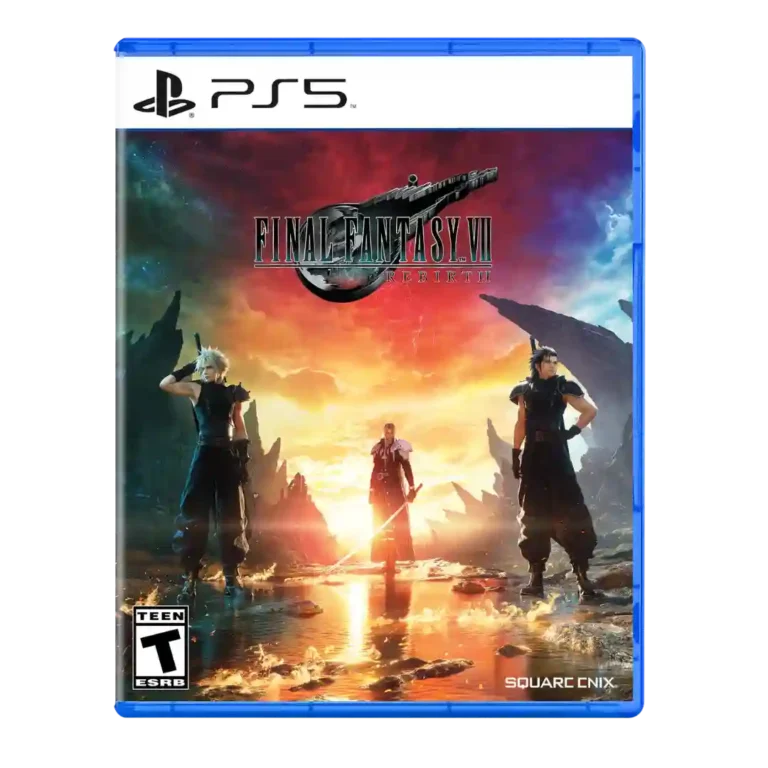
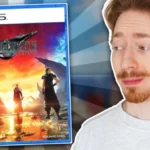
Choose Final Fantasy VII Rebirth if you want a huge, emotional action RPG with excellent combat, characters, music, and minigames. Skip it if open-world checklists, uneven pacing, visual/performance tradeoffs, or convoluted ending choices will wear you down.
Best for players who want a huge, character-driven Final Fantasy RPG with tactical action combat, abundant side activities, and a lavish reimagining of Gaia. It especially suits fans ready to spend dozens of hours exploring rather than rushing.
Not for players who dislike open-world checklists, frequent minigames, long runtimes, or stories that remix familiar events with cryptic timeline choices. It may also frustrate those sensitive to performance-mode blur or navigation friction.
Final Fantasy VII Rebirth earns strong praise as a massive, affectionate reimagining with standout combat, a beloved and better-developed cast, an exceptional soundtrack, and a world that often feels dazzlingly alive. The clearest tradeoff is scale: the same abundance that makes Gaia feel generous also creates bloat, repetitive world-intel loops, mandatory-feeling minigames, and pacing drops. Reviews are also split on the new narrative direction, especially the ending, which some find fascinating and others confusing or emotionally muddled. Even with visual-mode compromises and occasional navigation frustrations, the overall evidence points to a rich, memorable RPG whose highs outweigh its messiness for players ready to give it time.
Compared with other Video Games, this product is above average in crash stability, bug frequency, character development, near average in narrative quality, open-world design, below average in mission design, sound design, movement feel.
| Attribute | This product | Category average | Difference |
|---|---|---|---|
| crash stability | 5.0 | 3.2 | +1.8 |
| bug frequency | 4.9 | 3.2 | +1.8 |
| character development | 4.9 | 3.9 | +1.0 |
| writing quality | 4.8 | 3.6 | +1.3 |
| facial animations | 5.0 | 3.7 | +1.3 |
| fast travel convenience | 5.0 | 3.8 | +1.2 |
| companion AI | 4.4 | 3.2 | +1.2 |
| mission design | 2.4 | 3.5 | -1.1 |
Choose Ghost of Yōtei. It scores 5.0 vs 2.9 for movement feel, with a 4.4 overall score.
Choose Hyrule Warriors: Age of Imprisonment. It scores 4.8 vs 3.6 for performance optimization, with a 4.1 overall score.
Choose Monster Hunter Stories 3: Twisted Reflection. It scores 5.0 vs 2.5 for map and navigation design, with a 4.2 overall score.
Choose Kingdom Come: Deliverance II. It scores 4.8 vs 3.9 for open-world design, with a 4.3 overall score.
Products reviewers directly compared with this model, grouped into quick takeaways.
Some reviews note a helpful recap, but others warn newcomers may be lost because Rebirth builds on Remake, the original story, and wider lore. Returning players are likely to get more from it.
Combat is one of the strongest consensus positives. Reviewers praise the hybrid action/ATB system, Synergy abilities, party variety, and tactical depth, though a few mention frustrating enemy designs or spikes.
Many reviewers enjoy the regions, rewards, and sense of scale, but the open world is also the most common source of criticism. Completionist play can make the game feel bloated or repetitive.
Most reviewers praise the sheer variety, and Queen's Blood is repeatedly singled out as excellent. The caveat is that the density of minigames can interrupt the main story's momentum.
Reviews praise cutscenes, vistas, and environmental detail, but performance mode blur, texture pop-in, and mode tradeoffs appear repeatedly. Bugs and crashes were rarely reported.
Reviewers generally say it respects the original while expanding and changing it. The character work is widely praised, but the revised ending and timeline elements are divisive.
These are a few of the reviews included in our analysis.

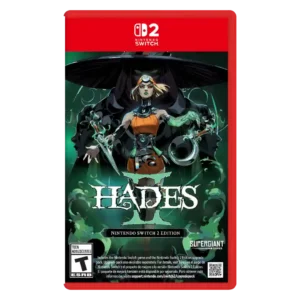
Good if you want fast, tactical roguelite combat with huge progression depth, striking art, and standout music. Skip it if repetition, resource micromanagement, or a less emotionally satisfying sequel story...
Pros: skill tree depth, dialogue quality
Cons: emotional impact, economy and resource balance
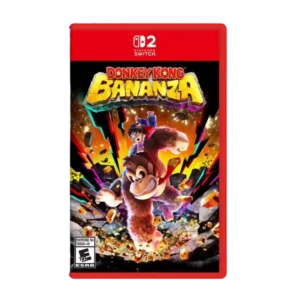
Best for joyful destruction, dense exploration, and a charming DK-Pauline adventure. Skip it if camera quirks, frame-rate dips, easy bosses, or premium Switch 2 pricing are dealbreakers.
Pros: gameplay mechanics, world interactivity
Cons: economy and resource balance, enemy variety
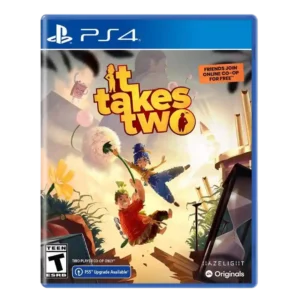
Best for joyful, inventive co-op with a partner, especially on couch. Skip it if divorce themes, uneven story tone, or Switch visual compromises would distract you.
Pros: core gameplay loop, movement feel
Cons: character development, dialogue quality
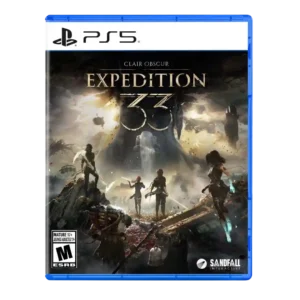
Choose Clair Obscur if you want a story-rich RPG with thrilling timed combat, gorgeous art, and standout music. Skip it if poor maps, tight parry timing, or occasional bugs and...
Pros: monetization fairness, microtransaction impact
Cons: platforming precision, menu usability