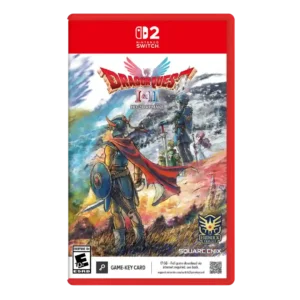
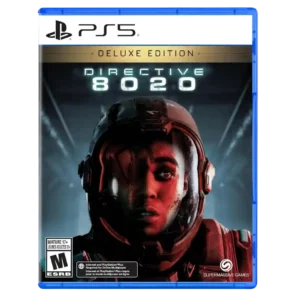
Compare Dragon Quest I & II HD-2D Remake vs Directive 8020

P1 Dragon Quest I & II HD-2D Remake
P2 Directive 8020

Comparison Takeaways

Dragon Quest I & II HD-2D Remake

Where It Has the Edge

  • polish is 4.7 vs 3.3. Polish is reflected in the sense of care, respect, and overall quality given to the remakes.
  • onboarding experience is 4.2 vs 2.8. Onboarding is helped by immediate quality-of-life guidance that makes the old structure easier to approach.
  • animation quality is 4.6 vs 3.3. Animation quality is praised in battles and monster presentation, with reviewers noting spell, strike, and enemy animations.
  • fun factor is 4.6 vs 3.5. Fun factor is high overall, with reviewers calling the collection enjoyable, compelling, addictive, or a treat for RPG...

Directive 8020

Where It Has the Edge

  • replay value is 4.5 vs 2.8. Replay value is strongly supported by branching paths, multiple endings, Turning Points, completionist timelines, and social replays.
  • level design is 3.9 vs 3.0. Level design is mixed: claustrophobic vents and maintenance tunnels work well, while one preview criticized a bland, nondescript...
  • difficulty balance is 4.4 vs 3.7. Difficulty looks flexible, with explorer/survivor-style options, death toggles, and per-player adjustments balancing challenge with accessibility.
  • pacing is 4.2 vs 3.7. Pacing is praised for episodic structure, fixed stopping points, and tension-release rhythm, but one preview felt confused by...
Average score
Product 1: Dragon Quest I & II...
4.4
Product 2: Directive 8020
4.1
accessibility options
Product 1: Dragon Quest I & II...
4.5

Accessibility and quality-of-life options are a major positive, with reviewers repeatedly citing objective markers, difficulty settings, battle speed, autosave, chest markers, and toggleable assists.

Product 2: Directive 8020
4.6

Reviews describe flexible customization, easy modes, death toggles, rewind support, and per-player difficulty/accessibility options that broaden access.

AI behavior
Product 1: Dragon Quest I & II...
3.1

AI behavior receives mixed-to-negative comments, with reviewers noting tactic AI can be unwise or not especially bright.

Product 2: Directive 8020
2.9

Enemy behavior is divisive: some previews found the creature cautious and trackable, while others criticized rigid movement and predictable patrols.

animation quality
Product 1: Dragon Quest I & II...
4.6

Animation quality is praised in battles and monster presentation, with reviewers noting spell, strike, and enemy animations.

Product 2: Directive 8020
3.3

Animation impressions are mixed: one preview praised lip-sync while another saw lifeless body language and weak performance energy.

art direction
Product 1: Dragon Quest I & II...
4.7

Art direction is highly praised for HD-2D's blend of sprite work, lighting, and 3D spaces.

Product 2: Directive 8020
4.2

The sci-fi horror palette, colored landscapes, and eerie visual influences received positive mentions, though art direction was not deeply examined.

atmosphere
Product 1: Dragon Quest I & II...
4.4

Atmosphere is warm, colorful, nostalgic, and sometimes cinematic, supporting the classic fantasy tone.

Product 2: Directive 8020
4.5

Most reviewers praised the oppressive spaceship atmosphere, paranoia, isolation, lighting, and sci-fi dread, though one negative preview found some scenes less tense.

boss design
Product 1: Dragon Quest I & II...
4.5

Boss design is often praised as tougher, more numerous, and more rewarding, though difficulty can still be demanding.

Product 2: Directive 8020
No score yet
camera behavior
Product 1: Dragon Quest I & II...
No score yet
Product 2: Directive 8020
4.4

Camera shifts from third person to first person were noted as effective for claustrophobic exploration.

character development
Product 1: Dragon Quest I & II...
4.6

Character development is much stronger than in the originals, especially for Dragon Quest II's cousins and expanded party dynamics.

Product 2: Directive 8020
4.0

Reviewers highlight relationship and personality reactivity, though one preview worried the demo did not yet build enough attachment.

character roster
Product 1: Dragon Quest I & II...
4.5

The roster is stronger thanks to the Princess of Cannock and a more defined Dragon Quest II party.

Product 2: Directive 8020
4.0

Available information consistently frames the story around five playable astronauts/protagonists, but roster depth beyond that is limited in previews.

checkpoint system
Product 1: Dragon Quest I & II...
No score yet
Product 2: Directive 8020
4.5

Turning Points is one of the best-supported positives, repeatedly described as a way to rewind decisions and revisit checkpoints.

co-op experience
Product 1: Dragon Quest I & II...
No score yet
Product 2: Directive 8020
4.4

Co-op and Movie Night are consistently framed as appealing social ways to experience the branching horror story.

combat system
Product 1: Dragon Quest I & II...
4.3

Combat is broadly praised for preserving old-school turn-based structure while adding more tactical tools, though some solo-hero and encounter-balance issues remain.

Product 2: Directive 8020
3.8

Combat appears limited and situational, centered on QTE struggles, a stun baton, or firearm moments rather than a full combat system.

content variety
Product 1: Dragon Quest I & II...
4.6

Content variety improves substantially through new underwater regions, postgame material, endings, expanded areas, and added story content.

Product 2: Directive 8020
4.2

Preview slices show a mix of dialogue, exploration, stealth, puzzles, QTEs, and lean-forward/lean-back cinematic sections, though final breadth remains unproven.

controls responsiveness
Product 1: Dragon Quest I & II...
No score yet
Product 2: Directive 8020
3.9

Control reactions are mixed: several previews appreciated more direct control, but one criticized the sprint modifier and awkward feel.

core gameplay loop
Product 1: Dragon Quest I & II...
4.2

The core loop remains a traditional Dragon Quest rhythm of overworld travel, towns, treasures, dungeons, random encounters, leveling, and equipment upgrades.

Product 2: Directive 8020
4.2

The core loop is widely described as player-driven horror built around choices, stealth, consequences, and cinematic tension, but Eurogamer and one video found it bland in places.

couch co-op quality
Product 1: Dragon Quest I & II...
No score yet
Product 2: Directive 8020
4.3

Movie Night’s local party structure is mentioned positively, though detailed couch-session impressions remain limited.

dialogue quality
Product 1: Dragon Quest I & II...
4.4

Dialogue quality gets positive attention through the localized text and additional characterization.

Product 2: Directive 8020
4.2

Dialogue is supported mainly through branching choices and messaging options, with reviewers noting that choices can alter reactions and outcomes.

difficulty balance
Product 1: Dragon Quest I & II...
3.7

Difficulty is one of the most debated points: many reviewers liked the challenge, but spikes, RNG, grinding, and solo-hero fragility frustrated others.

Product 2: Directive 8020
4.4

Difficulty looks flexible, with explorer/survivor-style options, death toggles, and per-player adjustments balancing challenge with accessibility.

emotional impact
Product 1: Dragon Quest I & II...
4.8

Emotional impact is surprisingly strong for some reviewers, with late-game or introductory scenes prompting tears or sobbing.

Product 2: Directive 8020
3.9

Emotional impact is mixed: the design targets loss and consequence, but some previews lacked attachment or felt characters underreacted.

endgame content
Product 1: Dragon Quest I & II...
4.4

Endgame content is expanded with postgame dungeons, extra challenges, and additional completion goals.

Product 2: Directive 8020
No score yet
enemy variety
Product 1: Dragon Quest I & II...
4.0

Enemy variety expands through enemies from later Erdrick titles appearing in the first game.

Product 2: Directive 8020
No score yet
environmental detail
Product 1: Dragon Quest I & II...
4.8

Environmental detail is a visual strength, with lighting and detailed spaces giving the world more life.

Product 2: Directive 8020
4.5

Visual detail is a strength, with praise for lighting, textures, disturbing imagery, constructed environments, and environmental storytelling.

exploration quality
Product 1: Dragon Quest I & II...
4.3

Exploration is usually a strength, especially with secret spots, map options, open-sea travel, and treasure hunting, though underwater and backtracking sections can feel awkward.

Product 2: Directive 8020
3.8

Exploration is more active than prior entries, but reactions are split between excitement over added freedom and concern that preview sections felt light.

facial animations
Product 1: Dragon Quest I & II...
No score yet
Product 2: Directive 8020
4.4

Facial presentation is praised in the positive and negative previews alike, especially actor likeness and convincing facial/lip-sync work.

faithfulness to franchise
Product 1: Dragon Quest I & II...
4.3

Faithfulness to franchise is positive, with reviewers seeing the remake as respectful to classic Dragon Quest while updating it for modern play.

Product 2: Directive 8020
4.5

Reviews generally see Directive 8020 as faithful to Supermassive/Dark Pictures foundations while pushing the formula forward.

fast travel convenience
Product 1: Dragon Quest I & II...
3.6

Fast travel is convenient but somewhat controversial because it saves time while reducing old-school tension and making Evac less meaningful.

Product 2: Directive 8020
No score yet
frame rate stability
Product 1: Dragon Quest I & II...
4.8

Frame rate stability is strong in reported platform testing, including consistent 60 FPS and no frame drops.

Product 2: Directive 8020
No score yet
fun factor
Product 1: Dragon Quest I & II...
4.6

Fun factor is high overall, with reviewers calling the collection enjoyable, compelling, addictive, or a treat for RPG fans.

Product 2: Directive 8020
3.5

Fun factor is polarized: several previews left excited or wanting more, while Eurogamer found a key section dull.

gameplay mechanics
Product 1: Dragon Quest I & II...
4.4

Reviewers describe the remake as adding meaningful new mechanics, including expanded abilities, sigils, scrolls, and tighter gameplay, while keeping the classic JRPG foundation intact.

Product 2: Directive 8020
4.0

Gameplay is a major focus, with more exploration, direct control, stealth, and survival-horror elements, but execution concerns appear in negative previews.

graphics quality
Product 1: Dragon Quest I & II...
4.7

Graphics quality earns consistent praise, with reviewers repeatedly calling the HD-2D presentation gorgeous, brilliant, vibrant, or superb.

Product 2: Directive 8020
4.5

Visual quality receives broad praise, including strong cinematic presentation, impressive textures, and the claim that it is Supermassive’s best-looking game.

grind level
Product 1: Dragon Quest I & II...
3.6

Grinding remains part of the experience, but reviewers vary on whether it is rewarding, tolerable, or frustrating when difficulty spikes appear.

Product 2: Directive 8020
No score yet
handheld play suitability
Product 1: Dragon Quest I & II...
4.8

Handheld play suitability is strong on Steam Deck, where one reviewer completed both games and praised the fit for portable play.

Product 2: Directive 8020
No score yet
horror tension
Product 1: Dragon Quest I & II...
No score yet
Product 2: Directive 8020
4.2

Horror tension is a key strength in many previews, especially claustrophobic stealth and paranoia, though two previews found some encounters underwhelming or predictable.

HUD clarity
Product 1: Dragon Quest I & II...
4.5

HUD clarity is helped by map and chest icons that make locations easier to read at a glance.

Product 2: Directive 8020
No score yet
immersion
Product 1: Dragon Quest I & II...
4.7

Immersion benefits from the combined effect of visuals, scenery, audio, and presentation upgrades.

Product 2: Directive 8020
4.6

Immersion is strongly tied to the believable spaceship setting, cinematic TV-like structure, and direct-control consequences.

innovation
Product 1: Dragon Quest I & II...
4.5

Innovation is modest but effective, especially in the sigil system's small changes to classic combat.

Product 2: Directive 8020
4.4

Reviewers often frame the game as an evolution, citing active stealth, more direct control, replay systems, and distinctive sci-fi horror changes.

learning curve
Product 1: Dragon Quest I & II...
4.2

The learning curve is softened by options but still asks players to learn and adapt to old-school RPG challenges.

Product 2: Directive 8020
No score yet
level design
Product 1: Dragon Quest I & II...
3.0

Dungeon and level layouts draw some criticism for being overly simple or uninspired compared with the stronger story and combat upgrades.

Product 2: Directive 8020
3.9

Level design is mixed: claustrophobic vents and maintenance tunnels work well, while one preview criticized a bland, nondescript station space.

load times
Product 1: Dragon Quest I & II...
4.5

Load times receive a positive note on Switch 2, with one reviewer calling them quick.

Product 2: Directive 8020
No score yet
loot system
Product 1: Dragon Quest I & II...
4.4

Loot rewards, especially Mini Medal turn-ins and powerful equipment, make exploration feel more materially rewarding.

Product 2: Directive 8020
No score yet
lore depth
Product 1: Dragon Quest I & II...
4.3

Lore depth is expanded through added Erdrick-trilogy connections and extra story material.

Product 2: Directive 8020
No score yet
map and navigation design
Product 1: Dragon Quest I & II...
4.7

Map and navigation design is repeatedly praised for objective markers and minimap support, while still allowing purists to turn guidance off.

Product 2: Directive 8020
No score yet
menu usability
Product 1: Dragon Quest I & II...
4.4

Menu usability improves through skill hotkeys that make frequently used spells and abilities easier to access.

Product 2: Directive 8020
No score yet
mission design
Product 1: Dragon Quest I & II...
4.3

Mission design is expanded around the new lore and story additions, giving previously simple objectives more structure and payoff.

Product 2: Directive 8020
4.5

Mission design is promising where choices ripple forward and episodes end on cliffhangers, but evidence is limited to preview chapters.

mission variety
Product 1: Dragon Quest I & II...
4.4

Mission variety benefits from towns and vignettes that give the journey more localized stories to complete.

Product 2: Directive 8020
4.2

Previews show dialogue, exploration, stealth, puzzles, QTEs, and action beats, though the total mission variety is still unproven.

movement feel
Product 1: Dragon Quest I & II...
No score yet
Product 2: Directive 8020
3.8

Movement is generally improved toward modern third-person horror, but Eurogamer found the demo movement slow and awkward.

multiplayer design
Product 1: Dragon Quest I & II...
No score yet
Product 2: Directive 8020
4.4

Multiplayer design centers on Movie Night and online/local character sharing, with one preview also noting task-based co-op possibilities.

narrative quality
Product 1: Dragon Quest I & II...
4.4

Narrative quality is one of the remake's clearest upgrades, with expanded scenes, stronger trilogy connections, and especially improved Dragon Quest II storytelling.

Product 2: Directive 8020
4.4

Narrative quality is the most consistent strength, centered on branching choices, paranoia, identity mistrust, and consequential story paths.

onboarding experience
Product 1: Dragon Quest I & II...
4.2

Onboarding is helped by immediate quality-of-life guidance that makes the old structure easier to approach.

Product 2: Directive 8020
2.8

One reviewer found the demo structure confusing, but no full-release onboarding verdict is available.

originality
Product 1: Dragon Quest I & II...
4.3

Originality comes from making Dragon Quest I feel meaningfully new rather than merely resurfaced.

Product 2: Directive 8020
4.4

Originality comes from a focused sci-fi impostor-horror angle inside Supermassive’s cinematic choice formula, though it draws clear genre inspirations.

pacing
Product 1: Dragon Quest I & II...
3.7

Pacing is mixed: several reviewers praised the flow or Dragon Quest II's expansion, while others found padding, bloat, or uneven sections.

Product 2: Directive 8020
4.2

Pacing is praised for episodic structure, fixed stopping points, and tension-release rhythm, but one preview felt confused by the demo slice.

performance optimization
Product 1: Dragon Quest I & II...
4.6

Performance optimization is viewed positively across platforms, with reviewers mentioning strong Switch 2/Steam Deck performance and stable modes.

Product 2: Directive 8020
No score yet
platform-specific feature support
Product 1: Dragon Quest I & II...
4.6

Platform-specific support is noted on Switch 2 through performance and graphics modes.

Product 2: Directive 8020
No score yet
polish
Product 1: Dragon Quest I & II...
4.7

Polish is reflected in the sense of care, respect, and overall quality given to the remakes.

Product 2: Directive 8020
3.3

Polish is mixed: visual presentation looks strong, but negative previews cite lifeless play and narrative inconsistency.

progression system
Product 1: Dragon Quest I & II...
4.3

Progression is improved by scrolls, sigils, leveling, and character customization that give players more ways to build strength without abandoning the classic structure.

Product 2: Directive 8020
4.4

Progression is story-driven, with relationships, decisions, and long-term consequences reshaping outcomes rather than character leveling.

protagonist appeal
Product 1: Dragon Quest I & II...
4.3

The protagonist gains appeal through small personality cues despite remaining silent.

Product 2: Directive 8020
4.6

Brianna Young/Lashana Lynch is repeatedly framed as a compelling and recognizable lead.

puzzle design
Product 1: Dragon Quest I & II...
No score yet
Product 2: Directive 8020
4.1

Puzzle design appears light but functional, mostly environmental puzzles, bridge terminals, batteries, vents, and choice-flow puzzle logic.

quest design
Product 1: Dragon Quest I & II...
4.5

Quest design benefits from added lore and scenario changes that make the remakes feel more deliberate than the originals.

Product 2: Directive 8020
No score yet
remake/remaster quality
Product 1: Dragon Quest I & II...
4.6

Remake quality is the consensus highlight: reviewers repeatedly call these thoughtful, definitive, or gold-standard updates rather than simple ports.

Product 2: Directive 8020
No score yet
replay value
Product 1: Dragon Quest I & II...
2.8

Replay value is limited for at least one reviewer because the longer, more bloated versions are less inviting to revisit than shorter originals.

Product 2: Directive 8020
4.5

Replay value is strongly supported by branching paths, multiple endings, Turning Points, completionist timelines, and social replays.

save system reliability
Product 1: Dragon Quest I & II...
4.8

Save reliability is a strength thanks to generous autosave and expanded save options that reduce frustration.

Product 2: Directive 8020
4.2

Save/retry philosophy is discussed through locked choices and no save-scumming, but there is no evidence of save corruption or technical reliability problems.

side character depth
Product 1: Dragon Quest I & II...
4.6

Side characters gain depth from new and returning figures receiving their own storylines.

Product 2: Directive 8020
No score yet
sound design
Product 1: Dragon Quest I & II...
4.5

Sound design supports atmosphere, especially through musical instrumentation that makes caves and locations feel more distinct.

Product 2: Directive 8020
No score yet
soundtrack quality
Product 1: Dragon Quest I & II...
4.6

The soundtrack is widely praised for orchestral arrangements and classic themes that enhance exploration and mood.

Product 2: Directive 8020
No score yet
stealth mechanics
Product 1: Dragon Quest I & II...
No score yet
Product 2: Directive 8020
4.0

Stealth is the most divisive gameplay system: many previews praise tense sneaking and distractions, while Eurogamer and one video found it basic or predictable.

upgrade system
Product 1: Dragon Quest I & II...
4.4

The sigil system gives upgrades and conditional combat enhancements that add a light but meaningful layer to battles.

Product 2: Directive 8020
No score yet
user interface design
Product 1: Dragon Quest I & II...
No score yet
Product 2: Directive 8020
4.2

The utility strap and messaging interface drew positive interest as tools for communication, scanning, and interaction.

value for money
Product 1: Dragon Quest I & II...
4.4

Value for money is supported by the two-game package, expanded runtime, and strong companion value within the trilogy.

Product 2: Directive 8020
4.0

Only one source mentions limited-time deluxe upgrade value; there is not enough evidence for a broad price/value verdict beyond that.

visual effects quality
Product 1: Dragon Quest I & II...
4.7

Visual effects stand out in combat, especially spell and attack effects that make battles more spectacular.

Product 2: Directive 8020
No score yet
voice acting
Product 1: Dragon Quest I & II...
4.4

Voice acting is generally well received, adding presence and emotion, though some reviewers wanted more or found it uneven.

Product 2: Directive 8020
4.3

Voice/performance evidence is positive but limited, with solid acting mentions and focus on recognizable leading talent.

weapon balance
Product 1: Dragon Quest I & II...
No score yet
Product 2: Directive 8020
3.8

Weapon use appears deliberately constrained, with a single firearm and stun tools shaping consequences rather than conventional weapon balance.

world-building
Product 1: Dragon Quest I & II...
4.5

World-building is strengthened by deeper setting detail, a more cohesive Erdrick trilogy, and added context for Alefgard and its people.

Product 2: Directive 8020
4.3

World-building is supported through background communications, environmental storytelling, and the high-stakes colony-ship setup.

world interactivity
Product 1: Dragon Quest I & II...
4.4

World interactivity is supported through environmental searching, Mini Medals, barrels, rocks, secret spots, and rewards that encourage checking every nook.

Product 2: Directive 8020
No score yet
writing quality
Product 1: Dragon Quest I & II...
4.5

Writing quality is praised for improved character writing, localization, and personality, with some reviewers calling the added dialogue a highlight.

Product 2: Directive 8020
4.3

Writing quality is supported by themes, reactive story structure, and paranoia, but final coherence remains a preview-stage question.