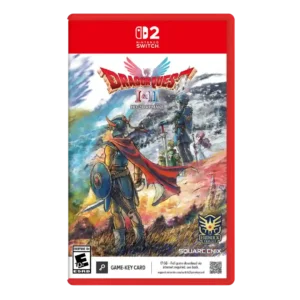
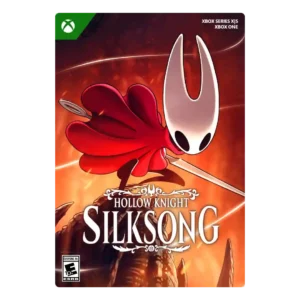
Compare Dragon Quest I & II HD-2D Remake vs Hollow Knight: Silksong

P1 Dragon Quest I & II HD-2D Remake
P2 Hollow Knight: Silksong

Comparison Takeaways

Dragon Quest I & II HD-2D Remake

Where It Has the Edge

  • loot system is 4.4 vs 2.0. Loot rewards, especially Mini Medal turn-ins and powerful equipment, make exploration feel more materially rewarding.
  • accessibility options is 4.5 vs 2.8. Accessibility and quality-of-life options are a major positive, with reviewers repeatedly citing objective markers, difficulty settings, battle speed,...
  • mission design is 4.3 vs 2.8. Mission design is expanded around the new lore and story additions, giving previously simple objectives more structure and...
  • quest design is 4.5 vs 3.1. Quest design benefits from added lore and scenario changes that make the remakes feel more deliberate than the...

Hollow Knight: Silksong

Where It Has the Edge

  • replay value is 4.7 vs 2.8. Replay value is high due to 100% completion, alternate endings, optional bosses, build variety, second runs, and reviewers...
  • level design is 4.8 vs 3.0. Level design is strongly praised for purposeful rooms, seamless area transitions, shortcuts, hidden branches, and spaces that teach...
  • enemy variety is 4.7 vs 4.0. Enemy variety is broadly praised for giving biomes and combat encounters distinct threats, though flying enemies and monster-room...
  • fast travel convenience is 4.1 vs 3.6. Fast travel through Bellways and marked stations helps reduce backtracking, though some stations must be unlocked or paid...
Average score
Product 1: Dragon Quest I & II...
4.4
Product 2: Hollow Knight: Silksong
4.2
accessibility options
Product 1: Dragon Quest I & II...
4.5

Accessibility and quality-of-life options are a major positive, with reviewers repeatedly citing objective markers, difficulty settings, battle speed, autosave, chest markers, and toggleable assists.

Product 2: Hollow Knight: Silksong
2.8

Reviewers found only a basic accessibility set: camera shake, HUD size, audio sliders, and remapping appear, but difficulty, color-blind, and repeated-input options are called limited or absent.

AI behavior
Product 1: Dragon Quest I & II...
3.1

AI behavior receives mixed-to-negative comments, with reviewers noting tactic AI can be unwise or not especially bright.

Product 2: Hollow Knight: Silksong
No score yet
animation quality
Product 1: Dragon Quest I & II...
4.6

Animation quality is praised in battles and monster presentation, with reviewers noting spell, strike, and enemy animations.

Product 2: Hollow Knight: Silksong
4.7

Animation is repeatedly praised as part of the hand-drawn presentation, especially Hornet's character movement and the many detailed environmental touches.

art direction
Product 1: Dragon Quest I & II...
4.7

Art direction is highly praised for HD-2D's blend of sprite work, lighting, and 3D spaces.

Product 2: Hollow Knight: Silksong
4.7

The art direction is a major strength, with reviewers emphasizing hand-drawn beauty, richer color, distinctive biomes, and a style that feels carefully authored.

atmosphere
Product 1: Dragon Quest I & II...
4.4

Atmosphere is warm, colorful, nostalgic, and sometimes cinematic, supporting the classic fantasy tone.

Product 2: Hollow Knight: Silksong
4.7

Pharloom's atmosphere blends beauty, melancholy, dread, charm, and danger, creating a world reviewers often describe as memorable even when it frustrates them.

boss design
Product 1: Dragon Quest I & II...
4.5

Boss design is often praised as tougher, more numerous, and more rewarding, though difficulty can still be demanding.

Product 2: Hollow Knight: Silksong
4.5

Boss design is one of the strongest areas overall, with many reviewers praising choreography, variety, spectacle, and pattern learning while noting occasional slog or runback friction.

camera behavior
Product 1: Dragon Quest I & II...
No score yet
Product 2: Hollow Knight: Silksong
2.2

Only one direct camera-related complaint appears, but it is meaningful: a reviewer says some high-speed boss movement leaves threats outside the camera bounds.

character development
Product 1: Dragon Quest I & II...
4.6

Character development is much stronger than in the originals, especially for Dragon Quest II's cousins and expanded party dynamics.

Product 2: Hollow Knight: Silksong
4.3

Hornet receives more explicit characterization than the Knight, and reviewers describe her softening through relationships, duty, and reactions to Pharloom's residents.

character roster
Product 1: Dragon Quest I & II...
4.5

The roster is stronger thanks to the Princess of Cannock and a more defined Dragon Quest II party.

Product 2: Hollow Knight: Silksong
4.5

The supporting cast is repeatedly described as charming and varied, with bug NPCs, pilgrims, fleas, mapmakers, and side characters giving the world personality.

checkpoint system
Product 1: Dragon Quest I & II...
No score yet
Product 2: Hollow Knight: Silksong
2.3

Checkpoint design is the most repeated concern: sparse, paid, trapped, or distant benches and long boss runbacks often turn difficulty into tedium.

combat system
Product 1: Dragon Quest I & II...
4.3

Combat is broadly praised for preserving old-school turn-based structure while adding more tactical tools, though some solo-hero and encounter-balance issues remain.

Product 2: Hollow Knight: Silksong
4.6

Combat is widely praised as fast, precise, rhythmic, and expressive, with Hornet's agility and tool options creating dynamic fights despite the harsh damage model.

content variety
Product 1: Dragon Quest I & II...
4.6

Content variety improves substantially through new underwater regions, postgame material, endings, expanded areas, and added story content.

Product 2: Hollow Knight: Silksong
4.4

Reviewers consistently point to a huge amount of areas, enemies, bosses, tools, secrets, and optional content, though some additions create minor clutter or friction.

controls responsiveness
Product 1: Dragon Quest I & II...
No score yet
Product 2: Hollow Knight: Silksong
4.6

Controls are generally praised for giving strong control over Hornet, maintaining flow, and supporting precise combat and traversal once the player adapts.

core gameplay loop
Product 1: Dragon Quest I & II...
4.2

The core loop remains a traditional Dragon Quest rhythm of overworld travel, towns, treasures, dungeons, random encounters, leveling, and equipment upgrades.

Product 2: Hollow Knight: Silksong
4.5

The Metroidvania loop of exploring, unlocking abilities, opening shortcuts, and returning stronger is described as satisfying and central to the appeal.

crafting system
Product 1: Dragon Quest I & II...
No score yet
Product 2: Hollow Knight: Silksong
3.4

The tool and shard systems add flexibility, but some reviewers criticize their resource costs and the way consumable repair needs can lead to grinding.

dialogue quality
Product 1: Dragon Quest I & II...
4.4

Dialogue quality gets positive attention through the localized text and additional characterization.

Product 2: Hollow Knight: Silksong
4.5

Dialogue is often praised for making Hornet and Pharloom's cast more engaging, though one reviewer found some dialogue dry at times.

difficulty balance
Product 1: Dragon Quest I & II...
3.7

Difficulty is one of the most debated points: many reviewers liked the challenge, but spikes, RNG, grinding, and solo-hero fragility frustrated others.

Product 2: Hollow Knight: Silksong
3.9

Difficulty is strongly debated: most reviewers call it intentional, rewarding, and often fair, but many also highlight two-mask damage, early friction, and harsh runbacks.

economy and resource balance
Product 1: Dragon Quest I & II...
No score yet
Product 2: Hollow Knight: Silksong
2.8

Resource balance is mixed to negative, with repeated complaints about rosaries, paid benches, tool shards, and farming interrupting the otherwise strong flow.

emotional impact
Product 1: Dragon Quest I & II...
4.8

Emotional impact is surprisingly strong for some reviewers, with late-game or introductory scenes prompting tears or sobbing.

Product 2: Hollow Knight: Silksong
4.6

The game creates notable emotional peaks through hard-won victories, character moments, music, and late-game story beats, though some players feel relief as much as joy.

endgame content
Product 1: Dragon Quest I & II...
4.4

Endgame content is expanded with postgame dungeons, extra challenges, and additional completion goals.

Product 2: Hollow Knight: Silksong
4.8

Reviewers describe substantial post-credits or alternate-ending content, optional bosses, zones, and secrets, making the endgame unusually large for the genre.

enemy variety
Product 1: Dragon Quest I & II...
4.0

Enemy variety expands through enemies from later Erdrick titles appearing in the first game.

Product 2: Hollow Knight: Silksong
4.7

Enemy variety is broadly praised for giving biomes and combat encounters distinct threats, though flying enemies and monster-room waves annoy some reviewers.

environmental detail
Product 1: Dragon Quest I & II...
4.8

Environmental detail is a visual strength, with lighting and detailed spaces giving the world more life.

Product 2: Hollow Knight: Silksong
4.8

Environmental detail is consistently praised through lived-in spaces, small animation touches, surface-specific sounds, and dense background storytelling.

exploration quality
Product 1: Dragon Quest I & II...
4.3

Exploration is usually a strength, especially with secret spots, map options, open-sea travel, and treasure hunting, though underwater and backtracking sections can feel awkward.

Product 2: Hollow Knight: Silksong
4.5

Exploration is a core strength: reviewers describe Pharloom as vast, secret-filled, interconnected, and rewarding, though a few completion and corpse-run frustrations remain.

faithfulness to franchise
Product 1: Dragon Quest I & II...
4.3

Faithfulness to franchise is positive, with reviewers seeing the remake as respectful to classic Dragon Quest while updating it for modern play.

Product 2: Hollow Knight: Silksong
4.6

Reviewers generally agree Silksong honors Hollow Knight while feeling faster, bigger, and more colorful, with some preferring the original's simplicity.

fast travel convenience
Product 1: Dragon Quest I & II...
3.6

Fast travel is convenient but somewhat controversial because it saves time while reducing old-school tension and making Evac less meaningful.

Product 2: Hollow Knight: Silksong
4.1

Fast travel through Bellways and marked stations helps reduce backtracking, though some stations must be unlocked or paid for.

frame rate stability
Product 1: Dragon Quest I & II...
4.8

Frame rate stability is strong in reported platform testing, including consistent 60 FPS and no frame drops.

Product 2: Hollow Knight: Silksong
4.5

Frame-rate impressions are positive across Switch 2, PC, and video coverage, with reviewers citing 120 fps, 60 fps, and stable low-end performance.

fun factor
Product 1: Dragon Quest I & II...
4.6

Fun factor is high overall, with reviewers calling the collection enjoyable, compelling, addictive, or a treat for RPG fans.

Product 2: Hollow Knight: Silksong
4.8

Even frustrated reviewers repeatedly describe Silksong as fun, compelling, or worth pushing through because its victories and discoveries feel so rewarding.

gameplay mechanics
Product 1: Dragon Quest I & II...
4.4

Reviewers describe the remake as adding meaningful new mechanics, including expanded abilities, sigils, scrolls, and tighter gameplay, while keeping the classic JRPG foundation intact.

Product 2: Hollow Knight: Silksong
4.4

The broader mechanics are praised for adding aerial combos, diagonal dives, tools, crests, and more agile traversal, though they raise the learning demand.

graphics quality
Product 1: Dragon Quest I & II...
4.7

Graphics quality earns consistent praise, with reviewers repeatedly calling the HD-2D presentation gorgeous, brilliant, vibrant, or superb.

Product 2: Hollow Knight: Silksong
4.7

Graphics are a consensus highlight, with reviewers praising gorgeous hand-drawn visuals, richer color, strong biome identity, and platform-specific crispness.

grind level
Product 1: Dragon Quest I & II...
3.6

Grinding remains part of the experience, but reviewers vary on whether it is rewarding, tolerable, or frustrating when difficulty spikes appear.

Product 2: Hollow Knight: Silksong
2.5

Grinding is a common caveat, especially around rosaries, shards, fetch quests, and repeated boss attempts that exhaust consumable tool resources.

handheld play suitability
Product 1: Dragon Quest I & II...
4.8

Handheld play suitability is strong on Steam Deck, where one reviewer completed both games and praised the fit for portable play.

Product 2: Hollow Knight: Silksong
4.5

Handheld suitability is positive: Switch 2 handheld and Steam Deck impressions suggest the game works especially well as a portable Metroidvania.

horror tension
Product 1: Dragon Quest I & II...
No score yet
Product 2: Hollow Knight: Silksong
4.2

The game is not reviewed as pure horror, but reviewers repeatedly note frightening, cruel, eerie, or terror-filled spaces that give Pharloom tension.

HUD clarity
Product 1: Dragon Quest I & II...
4.5

HUD clarity is helped by map and chest icons that make locations easier to read at a glance.

Product 2: Hollow Knight: Silksong
3.2

HUD clarity is supported mainly through TechRadar's note that HUD size can be customized; no broader HUD praise appears.

immersion
Product 1: Dragon Quest I & II...
4.7

Immersion benefits from the combined effect of visuals, scenery, audio, and presentation upgrades.

Product 2: Hollow Knight: Silksong
4.5

Immersion comes through the dense world, ultrawide support, atmosphere, music, and the feeling of being pulled into Pharloom's secrets.

innovation
Product 1: Dragon Quest I & II...
4.5

Innovation is modest but effective, especially in the sigil system's small changes to classic combat.

Product 2: Hollow Knight: Silksong
4.3

Reviewers see innovation in how Silksong builds on Hollow Knight through Hornet's movement, crests, tools, protagonist voice, and uncompromising design.

learning curve
Product 1: Dragon Quest I & II...
4.2

The learning curve is softened by options but still asks players to learn and adapt to old-school RPG challenges.

Product 2: Hollow Knight: Silksong
4.1

The learning curve is steep because of diagonal pogoing, higher enemy damage, resource management, and a higher skill floor, but many reviewers find mastery rewarding.

level design
Product 1: Dragon Quest I & II...
3.0

Dungeon and level layouts draw some criticism for being overly simple or uninspired compared with the stronger story and combat upgrades.

Product 2: Hollow Knight: Silksong
4.8

Level design is strongly praised for purposeful rooms, seamless area transitions, shortcuts, hidden branches, and spaces that teach or challenge the player.

load times
Product 1: Dragon Quest I & II...
4.5

Load times receive a positive note on Switch 2, with one reviewer calling them quick.

Product 2: Hollow Knight: Silksong
No score yet
loot system
Product 1: Dragon Quest I & II...
4.4

Loot rewards, especially Mini Medal turn-ins and powerful equipment, make exploration feel more materially rewarding.

Product 2: Hollow Knight: Silksong
2.0

Loot and reward structure is one of the weaker areas, with several reviewers noting bosses may give little or no material reward after difficult fights.

lore depth
Product 1: Dragon Quest I & II...
4.3

Lore depth is expanded through added Erdrick-trilogy connections and extra story material.

Product 2: Hollow Knight: Silksong
4.5

Lore depth is strong, with reviewers pointing to mysteries, world history, item details, subtle reveals, and connections between Pharloom and Hallownest.

map and navigation design
Product 1: Dragon Quest I & II...
4.7

Map and navigation design is repeatedly praised for objective markers and minimap support, while still allowing purists to turn guidance off.

Product 2: Hollow Knight: Silksong
4.3

Map and navigation design is mostly strong thanks to pins, clearer direction, shortcuts, and story-rich maps, but completion tracking and map clarity draw criticism.

menu usability
Product 1: Dragon Quest I & II...
4.4

Menu usability improves through skill hotkeys that make frequently used spells and abilities easier to access.

Product 2: Hollow Knight: Silksong
No score yet
mission design
Product 1: Dragon Quest I & II...
4.3

Mission design is expanded around the new lore and story additions, giving previously simple objectives more structure and payoff.

Product 2: Hollow Knight: Silksong
2.8

Arena or mission-like encounter design is mixed, with some reviewers disliking repeated combat rooms and endurance-style waves that feel less creative.

mission variety
Product 1: Dragon Quest I & II...
4.4

Mission variety benefits from towns and vignettes that give the journey more localized stories to complete.

Product 2: Hollow Knight: Silksong
4.0

Mission variety exists through wishes, hunting, collecting, fetch tasks, puzzles, and optional routes, though fetch quests are a repeated weak spot.

movement feel
Product 1: Dragon Quest I & II...
No score yet
Product 2: Hollow Knight: Silksong
4.7

Movement feel is one of Silksong's clearest strengths: Hornet is fast, agile, expressive, and satisfying to control after the adjustment period.

narrative quality
Product 1: Dragon Quest I & II...
4.4

Narrative quality is one of the remake's clearest upgrades, with expanded scenes, stronger trilogy connections, and especially improved Dragon Quest II storytelling.

Product 2: Hollow Knight: Silksong
4.4

Narrative quality is stronger than the original for many reviewers because Hornet speaks and the story is more explicit, though some still experience it as sparse.

onboarding experience
Product 1: Dragon Quest I & II...
4.2

Onboarding is helped by immediate quality-of-life guidance that makes the old structure easier to approach.

Product 2: Hollow Knight: Silksong
3.7

Onboarding is mixed: reviewers say the game works as a standalone entry and teaches some basics, but its opening hours create notable friction for new players.

originality
Product 1: Dragon Quest I & II...
4.3

Originality comes from making Dragon Quest I feel meaningfully new rather than merely resurfaced.

Product 2: Hollow Knight: Silksong
4.0

Originality comes from Silksong's confident, sometimes cruel identity, which reviewers see as distinctive even when comparing it to other Metroidvanias.

pacing
Product 1: Dragon Quest I & II...
3.7

Pacing is mixed: several reviewers praised the flow or Dragon Quest II's expansion, while others found padding, bloat, or uneven sections.

Product 2: Hollow Knight: Silksong
3.2

Pacing is mixed: exploration and progression can be absorbing, but punishing progression, long checkpoints, and structural ending requirements interrupt momentum.

performance optimization
Product 1: Dragon Quest I & II...
4.6

Performance optimization is viewed positively across platforms, with reviewers mentioning strong Switch 2/Steam Deck performance and stable modes.

Product 2: Hollow Knight: Silksong
4.8

Performance optimization is a strength, with reviewers citing smooth play on lower-end hardware, flawless-feeling performance, and strong PC/Switch handling.

platform-specific feature support
Product 1: Dragon Quest I & II...
4.6

Platform-specific support is noted on Switch 2 through performance and graphics modes.

Product 2: Hollow Knight: Silksong
4.5

Platform-specific support is meaningfully discussed through ultrawide PC support, Steam Deck suitability, and Switch 2 120Hz support.

platforming precision
Product 1: Dragon Quest I & II...
No score yet
Product 2: Hollow Knight: Silksong
3.5

Platforming precision is divisive: many praise demanding obstacle design, while several criticize diagonal pogoing and certain sections as inconsistent or punishing.

polish
Product 1: Dragon Quest I & II...
4.7

Polish is reflected in the sense of care, respect, and overall quality given to the remakes.

Product 2: Hollow Knight: Silksong
4.8

Polish is consistently praised through meticulous detail, precision, high production values, and the feeling of a handcrafted game refined over years.

progression system
Product 1: Dragon Quest I & II...
4.3

Progression is improved by scrolls, sigils, leveling, and character customization that give players more ways to build strength without abandoning the classic structure.

Product 2: Hollow Knight: Silksong
4.4

Progression is strong overall, with frequent tools, abilities, upgrades, optional routes, and build-altering discoveries, though some requirements are opaque.

protagonist appeal
Product 1: Dragon Quest I & II...
4.3

The protagonist gains appeal through small personality cues despite remaining silent.

Product 2: Hollow Knight: Silksong
4.7

Hornet is widely liked as a protagonist because she is agile, voiced, heroic, confident, and emotionally connected to Pharloom's people.

puzzle design
Product 1: Dragon Quest I & II...
No score yet
Product 2: Hollow Knight: Silksong
4.0

Puzzle evidence is limited but present in special puzzle areas, Needolin interactions, mechanical puzzles, and path-solving through exploration.

quest design
Product 1: Dragon Quest I & II...
4.5

Quest design benefits from added lore and scenario changes that make the remakes feel more deliberate than the originals.

Product 2: Hollow Knight: Silksong
3.1

Quest design is mixed: wishes and optional tasks give structure and reasons to revisit areas, but fetch quests and opaque ending requirements are criticized.

remake/remaster quality
Product 1: Dragon Quest I & II...
4.6

Remake quality is the consensus highlight: reviewers repeatedly call these thoughtful, definitive, or gold-standard updates rather than simple ports.

Product 2: Hollow Knight: Silksong
No score yet
replay value
Product 1: Dragon Quest I & II...
2.8

Replay value is limited for at least one reviewer because the longer, more bloated versions are less inviting to revisit than shorter originals.

Product 2: Hollow Knight: Silksong
4.7

Replay value is high due to 100% completion, alternate endings, optional bosses, build variety, second runs, and reviewers wanting to return.

sandbox freedom
Product 1: Dragon Quest I & II...
No score yet
Product 2: Hollow Knight: Silksong
4.6

Nonlinear freedom is strong: reviewers describe multiple routes, optional bosses, different paths to objectives, and broad freedom to leave hard walls for later.

save system reliability
Product 1: Dragon Quest I & II...
4.8

Save reliability is a strength thanks to generous autosave and expanded save options that reduce frustration.

Product 2: Hollow Knight: Silksong
No score yet
side character depth
Product 1: Dragon Quest I & II...
4.6

Side characters gain depth from new and returning figures receiving their own storylines.

Product 2: Hollow Knight: Silksong
4.5

Side characters are a strength, giving relief, charm, pathos, and recurring interactions across Pharloom's towns and hubs.

sound design
Product 1: Dragon Quest I & II...
4.5

Sound design supports atmosphere, especially through musical instrumentation that makes caves and locations feel more distinct.

Product 2: Hollow Knight: Silksong
4.9

Sound design receives strong praise for surface-specific footsteps, detailed audio, and atmospheric effects that make areas feel alive.

soundtrack quality
Product 1: Dragon Quest I & II...
4.6

The soundtrack is widely praised for orchestral arrangements and classic themes that enhance exploration and mood.

Product 2: Hollow Knight: Silksong
4.8

The soundtrack is a consensus highlight, with reviewers praising Christopher Larkin's orchestral, haunted, dynamic, and boss-specific music.

upgrade system
Product 1: Dragon Quest I & II...
4.4

The sigil system gives upgrades and conditional combat enhancements that add a light but meaningful layer to battles.

Product 2: Hollow Knight: Silksong
4.7

Upgrade systems around crests, tools, abilities, and silk skills add major build flexibility and playstyle changes.

user interface design
Product 1: Dragon Quest I & II...
No score yet
Product 2: Hollow Knight: Silksong
3.8

Interface design is mixed-positive: journals, tracked quests, pins, sliders, and tool categories help, though map and compass limitations remain.

value for money
Product 1: Dragon Quest I & II...
4.4

Value for money is supported by the two-game package, expanded runtime, and strong companion value within the trilogy.

Product 2: Hollow Knight: Silksong
4.9

Value for money is excellent across the reviews, with multiple reviewers citing the $20 price and huge amount of content.

visual effects quality
Product 1: Dragon Quest I & II...
4.7

Visual effects stand out in combat, especially spell and attack effects that make battles more spectacular.

Product 2: Hollow Knight: Silksong
No score yet
voice acting
Product 1: Dragon Quest I & II...
4.4

Voice acting is generally well received, adding presence and emotion, though some reviewers wanted more or found it uneven.

Product 2: Hollow Knight: Silksong
No score yet
world-building
Product 1: Dragon Quest I & II...
4.5

World-building is strengthened by deeper setting detail, a more cohesive Erdrick trilogy, and added context for Alefgard and its people.

Product 2: Hollow Knight: Silksong
4.7

World-building is one of the strongest consensus areas, with Pharloom's history, class structure, religion, silk, architecture, and inhabitants reinforcing the setting.

world interactivity
Product 1: Dragon Quest I & II...
4.4

World interactivity is supported through environmental searching, Mini Medals, barrels, rocks, secret spots, and rewards that encourage checking every nook.

Product 2: Hollow Knight: Silksong
4.2

World interactivity appears in subtle touches such as water preventing map use, Needolin interactions, NPC events, and changing locations.

writing quality
Product 1: Dragon Quest I & II...
4.5

Writing quality is praised for improved character writing, localization, and personality, with some reviewers calling the added dialogue a highlight.

Product 2: Hollow Knight: Silksong
4.3

Writing is praised for stronger dialogue, clearer story beats, and emotional character interactions, although a few reviewers find parts dry or sparse.