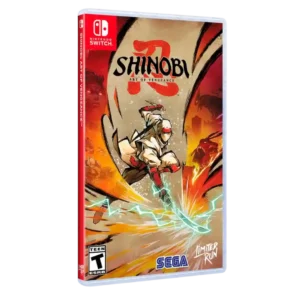
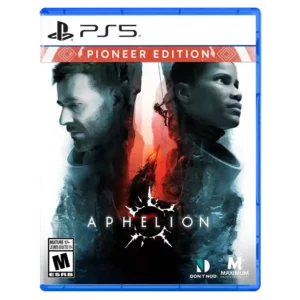
Average score
Shinobi: Art of Vengeance
4.4
user interface design
Shinobi: Art of Vengeance
5.0
User interface design receives praise for being clean and easy to navigate.
Aphelion
1.0
Delayed prompts and interactions can make the interface feel unresponsive, particularly when the game waits for dialogue or animations to finish.
menu usability
Shinobi: Art of Vengeance
5.0
Menu usability is praised through the clean, easy-to-navigate interface that removes friction around fast travel and play.
Aphelion
1.5
Audio logs that only play inside menus discourage listening and interrupt the flow of exploration.
core gameplay loop
Shinobi: Art of Vengeance
4.7
The core loop is widely liked as fast, stylish 2D action with strong combat and traversal, with a few reviewers calling it great despite structural complaints.
Aphelion
1.6
Walking, climbing, scanning, and sneaking are stretched thin; even supportive critics say the loop rarely develops enough to match the story.
enemy variety
Shinobi: Art of Vengeance
4.7
Enemy variety is a strength, with reviewers praising the range of ninjas, soldiers, monsters, bosses, and specialized foes that shape encounters.
Aphelion
1.7
Nemesis is essentially the only hostile creature, so threats can feel repetitive despite environmental hazards around it.
checkpoint system
Shinobi: Art of Vengeance
5.0
The checkpoint system is praised as a quality-of-life improvement because it reduces frustration around difficult optional challenges.
Aphelion
2.1
Frequent autosaves can soften failure, yet distant or poorly placed checkpoints make repeated climbing and stealth deaths more aggravating.
polish
Shinobi: Art of Vengeance
4.8
Polish is praised where reviewers highlight the game as well put together and visually refined.
Aphelion
1.9
Beautiful presentation cannot hide unfinished-feeling traversal, clipping, prompt failures, and late-game jank in several versions.
controls responsiveness
Shinobi: Art of Vengeance
4.7
Controls are usually described as smooth, tight, intuitive, and responsive, with a few caveats around moments where scripted control loss or platforming inputs feel awkward.
Aphelion
2.0
Inputs often feel sluggish or unreliable, especially when grabbing ledges, aiming the grapple, descending, or escaping late-game hazards.
progression system
Shinobi: Art of Vengeance
4.6
Progression is praised for steadily adding moves, abilities, upgrades, and customization that keep combat and traversal evolving.
Aphelion
1.9
The mechanics and routes change very little, so forward progress often feels like more of the same rather than meaningful development.
fun factor
Shinobi: Art of Vengeance
4.8
Fun factor is high, with many reviewers calling the combat, challenge rooms, and overall ninja fantasy enjoyable or easy to recommend.
Aphelion
2.2
The story and spectacle can be enjoyable, but repetitive climbing, tedious stealth, and control friction make the act of playing far less consistent.
load times
Shinobi: Art of Vengeance
4.5
Load times receive a positive note from one Switch reviewer who says they did not take too long.
Aphelion
2.0
Hidden loading passages and squeeze-through gaps were noticeable enough to make the design feel dated to one critic.
mission design
Shinobi: Art of Vengeance
4.5
Mission design is praised through comments about well-crafted stages that mix platforming, combat, puzzles, and optional routes.
Aphelion
2.0
Late stealth-heavy sections are frequently described as drawn out and poorly structured, weakening the story’s momentum.
originality
Shinobi: Art of Vengeance
4.5
Originality is praised where reviewers call the revival fresh for the series rather than a simple nostalgic retread.
Aphelion
2.0
The grounded ice-planet premise has appeal, but familiar sci-fi beats and well-worn Uncharted-style traversal keep the game from feeling truly new.
gameplay mechanics
Shinobi: Art of Vengeance
4.4
Gameplay mechanics are praised for depth and power fantasy, though one reviewer argues an execution mechanic lacks meaningful challenge pressure.
Aphelion
2.1
The dual-character structure has good ideas, yet the mechanics are widely seen as shallow, conventional, or unable to carry the full adventure.
level design
Shinobi: Art of Vengeance
4.1
Level design is usually praised for scale, variety, secrets, and challenge structure, but some reviewers criticize flow, pacing, or underused combat spaces.
Aphelion
1.8
Routes are highly linear and often padded with obvious ledges, narrow corridors, and invisible walls, leaving little room for discovery or improvisation.
replay value
Shinobi: Art of Vengeance
4.1
Replay value is strong for completionists thanks to collectibles, secrets, stage revisits, Arcade Mode, Boss Rush, ranks, and unlockables, though not every reviewer loves revisiting.
Aphelion
1.9
The linear story, single ending, limited optional content, and low mechanical depth make this largely a one-and-done experience.
movement feel
Shinobi: Art of Vengeance
4.8
Movement feel is heavily praised as fast, fluid, snappy, and fun, though one Switch review notes combat can feel slower than traversal.
Aphelion
2.6
Climbing and grappling sometimes deliver cinematic momentum, but sluggish responses, awkward aiming, and repetitive ledge work are widespread complaints.
puzzle design
Shinobi: Art of Vengeance
4.0
Puzzle design receives a mild positive note for being logical and not slowing the action down.
Aphelion
1.8
Most puzzles amount to simple scanning, passcodes, or ordered interactions and rarely demand much thought.
combat system
Shinobi: Art of Vengeance
4.9
Combat is the most consistently praised attribute, with reviewers calling it fluid, deep, expressive, satisfying, and central to the game’s appeal.
Aphelion
2.8
The absence of combat keeps attention on survival and the relationship, though players seeking action may find the experience too passive.
platforming precision
Shinobi: Art of Vengeance
4.0
Platforming is often praised as tight, precise, and rewarding, though several reviewers flag optional challenge rooms or late-game traversal as frustrating or inconsistent.
Aphelion
2.0
Ledge grabs, grapple transitions, and jumps can fail despite seemingly correct input, making traversal deaths feel arbitrary rather than skill-based.
difficulty balance
Shinobi: Art of Vengeance
4.1
Difficulty is generally viewed as fair and satisfying, but opinions split on spikes, projectile-heavy sections, undertuned enemies, and some hard optional challenges.
Aphelion
2.1
Challenge is uneven: many sections are mechanically easy, while imprecise jumps, instant failures, and late spikes create frustration rather than fair difficulty.
map and navigation design
Shinobi: Art of Vengeance
3.8
Map and navigation design is mixed: reviewers like map clarity and fast travel, but some cite confusing secret tracking or unclear pits.
Aphelion
1.9
Objective tools can point the way, but unclear climbable surfaces and vague progression paths regularly leave players guessing.
innovation
Shinobi: Art of Vengeance
4.8
Innovation is praised where reviewers say the game evolves Shinobi meaningfully instead of merely repeating the past.
Aphelion
3.0
The intimate sci-fi framing feels fresh to some, but the underlying climbing and stealth borrow heavily from familiar action-adventure formulas.
HUD clarity
Shinobi: Art of Vengeance
3.0
HUD clarity receives a mixed score because flashy combat effects can make the player lose track of the action.
Aphelion
4.8
The minimal or absent HUD helps the frozen world feel immediate and cinematic without obscuring the action.
animation quality
Shinobi: Art of Vengeance
4.9
Animation quality is a standout, especially Joe’s motion, hand-drawn character work, and the way combat and traversal read in motion.
Aphelion
3.3
Cutscenes and facial work are often impressive, but traversal animations can clip, hover, stiffen, or break during jumps.
value for money
Shinobi: Art of Vengeance
4.6
Value for money is positive overall, especially for combat-focused or completionist players, though one review frames value as more moderate for players skipping side content.
Aphelion
3.0
Narrative-focused sci-fi fans may find the journey worthwhile, but weak mechanics and limited replayability make full-price recommendations cautious or divided.
exploration quality
Shinobi: Art of Vengeance
4.1
Exploration is divisive: many enjoy secrets, replayable routes, and rewards, while others find backtracking or Metroidvania-lite detours less compelling.
Aphelion
2.6
Collectibles and environmental mysteries reward curiosity in places, but strict paths, invisible walls, and weak navigation limit genuine exploration.
world-building
Shinobi: Art of Vengeance
2.5
World-building is weak in the evidence that explicitly says not to expect captivating world building from the campy action story.
Aphelion
4.0
Grounded science, ESA details, abandoned facilities, and Persephone’s mysteries create a believable setting, even when some lore feels underdeveloped.
content variety
Shinobi: Art of Vengeance
4.5
Content variety is strong across stage themes, optional challenges, enemy encounters, bonus levels, and replay modes, though some side segments are less loved.
Aphelion
3.0
Alternating protagonists and occasional storms, chases, puzzles, and stealth add variety, but climbing and slow traversal still dominate the runtime.
camera behavior
Shinobi: Art of Vengeance
5.0
Camera behavior is praised in one review for intelligently changing framing to support mood, traversal, and visual depth.
Aphelion
3.6
Wide scenic shots showcase Persephone beautifully, but occasional locked angles, close-ups, and awkward framing can interfere with movement.
crash stability
Shinobi: Art of Vengeance
5.0
Crash stability is strong in the PS5 review that reports no crashes, soft-locks, or freezes over a long playthrough.
Aphelion
3.8
One console playthrough was completely stable, while a preview build suffered a crash, leaving platform and build quality somewhat inconsistent.
character development
Shinobi: Art of Vengeance
3.3
Character development is limited overall, with one reviewer liking a supporting character but another calling broader character depth minimal.
Aphelion
2.1
Ariane and Thomas are easy to understand, but many critics wanted more history, nuance, and growth to make their relationship fully convincing.
pacing
Shinobi: Art of Vengeance
3.6
Pacing is mixed: several reviewers like the length and steady tool rollout, while others say long stages, revisit loops, or samey rhythm weaken momentum.
Aphelion
2.6
The compact structure works when chapters alternate cleanly, but slow openings, repetitive midsections, and stealth-heavy finales frequently drag.
emotional impact
Shinobi: Art of Vengeance
2.5
Emotional impact is limited in the review evidence, with one reviewer wishing for a stronger moment of emotional weight.
Aphelion
3.5
The separated lovers’ struggle moved many critics, although others found the limited backstory and repetitive longing too thin for the intended payoff.
performance optimization
Shinobi: Art of Vengeance
3.8
Performance optimization varies by platform and context, with PS5 impressions strong but Switch-oriented reviews noting optimization and frame-pacing caveats.
Aphelion
2.8
Experiences range from stable console play to stutter, pop-in, hitching, and technical roughness, especially in previews and later chapters.
frame rate stability
Shinobi: Art of Vengeance
2.9
Frame rate stability is mixed, especially on Switch, where reviewers note dips or painful frame-rate issues despite otherwise strong presentation.
Aphelion
3.8
Performance can remain steady, but the PS5 version’s 30 fps cap and lack of a higher-frame-rate mode disappointed some players.
sound design
Shinobi: Art of Vengeance
3.5
Sound design is mixed: impact feedback and combat audio are praised, but one reviewer strongly disliked the harsh radio or speaker filter.
Aphelion
4.3
Cracking ice, wind, breathing, distant impacts, and Nemesis cues make Persephone feel tangible and often heighten danger better than the gameplay does.
immersion
Shinobi: Art of Vengeance
4.0
Immersion is supported by strong presentation and visual depth, though one reviewer says the game remained enjoyable without strongly resonating.
Aphelion
3.2
Visual scale, minimal interface, grounded science, and detailed audio pull players in, while glitches, artificial rules, and clunky interaction can break the spell.
writing quality
Shinobi: Art of Vengeance
2.8
Writing quality is mixed-to-weak, with reviewers describing the script as fine, tropey, or not especially nuanced.
Aphelion
3.6
The relationship and scientific mystery can be thoughtful and sincere, but heavy exposition, repetition, and thin characterization divide opinion.
protagonist appeal
Shinobi: Art of Vengeance
4.5
Protagonist appeal is positive where Joe Musashi is described as a compelling, badass ninja fantasy rather than a talkative character.
Aphelion
3.8
Ariane and Thomas are often likable, grounded, and well performed, but a sizable group found them bland or difficult to connect with.
graphics quality
Shinobi: Art of Vengeance
5.0
Graphics quality is a major strength, with reviewers repeatedly calling the game gorgeous, beautiful, and visually impressive.
Aphelion
4.4
Persephone is the clearest success: icy vistas, lighting, character models, and cinematic composition look superb across nearly every account.
environmental detail
Shinobi: Art of Vengeance
5.0
Environmental detail stands out in reviews that praise painterly backgrounds, large-scale set pieces, and richly detailed level backdrops.
Aphelion
4.5
Snow, ice deformation, lighting, reflections, weather, and distant terrain give Persephone an unusually rich sense of scale and texture.
boss design
Shinobi: Art of Vengeance
4.4
Boss design earns many positive notes for memorable, exciting encounters, though a few reviewers find some bosses too easy, clunky, or mechanically weaker than regular fights.
Aphelion
3.9
Nemesis has a memorable sound-driven concept and unsettling presentation, but its behavior and limited personality do not always sustain the initial fear.
art direction
Shinobi: Art of Vengeance
5.0
The hand-drawn art direction receives near-universal praise for its style, cohesion, painterly look, and strong franchise fit.
Aphelion
4.5
Persephone’s ice, rock, alien light, and cinematic framing give the game a distinctive and consistently striking visual identity.
narrative quality
Shinobi: Art of Vengeance
3.3
Narrative quality is the most mixed creative element: some call it one of the franchise’s better stories, while many describe it as simple, thin, or tonally inconsistent.
Aphelion
3.6
The intimate survival romance is the main reason to continue for many players, though others found it safe, hollow, overexplained, or short on payoff.
lore depth
Shinobi: Art of Vengeance
4.0
Lore depth gets mild praise where the reviewer appreciates Shinobi’s blend of cultural mythological elements.
Aphelion
3.7
Persephone’s earlier expedition, electromagnetic mysteries, and collectibles are intriguing, though several critics wished the world and backstory went deeper.
save system reliability
Shinobi: Art of Vengeance
3.3
Save reliability is split: one review praises frequent saves, while another reports the serious problem of a save being wiped twice.
Aphelion
3.0
Autosaving is generally dependable, but some reload points still force players to repeat frustrating sections.
visual effects quality
Shinobi: Art of Vengeance
4.8
Visual effects are praised for stylish Ninjutsu, cinematic flourishes, audiovisual impact, and bold combat feedback.
Aphelion
4.5
Electromagnetic waves, glowing glyphs, ice fractures, and atmospheric lighting add welcome color and spectacle to the frozen setting.
atmosphere
Shinobi: Art of Vengeance
4.5
Atmosphere is supported by presentation touches such as camera framing and mood-setting scenes that help the 2D spaces feel more dramatic.
Aphelion
4.3
The lonely ice planet, harsh weather, and ominous soundscape create a persuasive sci-fi mood, even when the mechanics weaken the tension.
voice acting
Shinobi: Art of Vengeance
4.0
Voice acting receives mixed-to-positive reactions: some reviews praise the performances, while others call the English voices merely fine or jarring.
Aphelion
4.2
The two leads receive broad praise for grounded, emotional performances, with only a few critics finding the delivery stiff or uneven.
accessibility options
Shinobi: Art of Vengeance
4.2
Accessibility options are praised for adjustable difficulty, assist settings, and sliders that make the challenge more approachable without fully flattening it.
Aphelion
4.3
Adjustable ledge catches, balance assistance, oxygen settings, and visual guidance make the adventure easier to tailor to different needs.
bug frequency
Shinobi: Art of Vengeance
2.0
Bug frequency is a concern in one review that reports a severe save-wipe issue, even though other technical impressions were cleaner.
Aphelion
2.1
Glitches are a recurring concern, including clipping, invisible barriers, missed prompts, stuck animations, and inconsistent late-game behavior.
dialogue quality
Shinobi: Art of Vengeance
2.5
Dialogue quality is uneven: one review criticizes a dull character, and another finds paused dialogue barks jarring despite fun narrative moments.
Aphelion
2.5
Some conversations and monologues sell the central bond, but constant self-talk and obvious exposition frequently undercut quiet or tense scenes.
soundtrack quality
Shinobi: Art of Vengeance
4.4
The soundtrack is mostly praised as energetic, fitting, and memorable, though one review finds it weaker than the visuals and Genesis-era expectations.
Aphelion
4.4
The orchestral and synth-inflected score is a standout, balancing melancholy, isolation, and bursts of cinematic urgency.
mission variety
Shinobi: Art of Vengeance
4.5
Mission variety is supported by praise for fresh objectives and distinct environments across the stages.
Aphelion
4.5
Ariane’s chapters mix climbing, scanning, storms, sliding, chases, and hazards more effectively than the game’s simple core suggests.
onboarding experience
Shinobi: Art of Vengeance
4.5
Onboarding is praised for easing the player into each move rather than overwhelming them with the full combat kit at once.
Aphelion
4.5
The crash sequence introduces movement and stakes quickly, creating an energetic opening that teaches the basics without a long delay.
AI behavior
Shinobi: Art of VengeanceNo score yet
Aphelion
1.7
Nemesis can feel unpredictable in the wrong ways: detection sometimes seems inconsistent, while other encounters become too easy once its patrol logic is understood.
economy and resource balance
Shinobi: Art of VengeanceNo score yet
Aphelion
2.6
Thomas’s leaking oxygen supply can create quiet pressure, yet frequent refill points and repeated backtracking often turn the resource mechanic into busywork.
endgame content
Shinobi: Art of Vengeance
4.1
Endgame content is generally seen as useful for replay through Arcade Mode, Boss Rush, superbosses, and ranking challenges, though one reviewer sees arcade mode as padding.
AphelionNo score yet
facial animations
Shinobi: Art of VengeanceNo score yet
Aphelion
4.1
Close-up facial work is frequently praised for subtle emotion and lifelike detail, though one critic found the expressions uncanny.
faithfulness to franchise
Shinobi: Art of Vengeance
4.7
Reviewers broadly describe the revival as faithful to Shinobi’s legacy while modernizing it with new structure, combat depth, and visual presentation.
AphelionNo score yet
fast travel convenience
Shinobi: Art of Vengeance
4.8
Fast travel is repeatedly praised for making revisits, secret hunting, and post-completion cleanup smoother rather than tedious.
AphelionNo score yet
flying mechanics
Shinobi: Art of Vengeance
3.0
Flying mechanics are mildly criticized in the glider’s case, with the reviewer saying it slows down otherwise snappy traversal.
AphelionNo score yet
grind level
Shinobi: Art of VengeanceNo score yet
Aphelion
1.6
Repeated deaths, oxygen refills, long climbs, and recycled stealth encounters can make this short adventure feel more laborious than it should.
haptic feedback integration
Shinobi: Art of VengeanceNo score yet
Aphelion
4.5
PS5 haptics add physical tension during stealth, giving the controller feedback a meaningful role in the atmosphere.
horror tension
Shinobi: Art of VengeanceNo score yet
Aphelion
3.0
Early Nemesis encounters and environmental audio can be genuinely unnerving, but predictable or inconsistent detection causes the fear to fade.
learning curve
Shinobi: Art of Vengeance
4.5
The learning curve is favorable because reviewers describe the combat as simple to engage with while still rewarding mastery.
AphelionNo score yet
platform-specific feature support
Shinobi: Art of VengeanceNo score yet
Aphelion
1.5
The PS5 version misses obvious DualSense and PS5 Pro opportunities, with limited use of adaptive triggers, speakers, gyroscope, or enhanced modes.
QTE design
Shinobi: Art of VengeanceNo score yet
Aphelion
1.7
Repeated grab prompts quickly become busywork, and several critics say they interrupt climbing rather than adding meaningful danger.
side character depth
Shinobi: Art of Vengeance
2.5
Side character depth is weak in the evidence focused on Ankou, whom one reviewer calls dull despite liking the broader visual design.
AphelionNo score yet
stealth mechanics
Shinobi: Art of VengeanceNo score yet
Aphelion
2.2
Sound-based stealth begins with promise but becomes overused, simplistic, inconsistent, or unfair as the game leans on it more heavily.
tutorial quality
Shinobi: Art of Vengeance
4.5
Tutorial quality is positive where one reviewer says the early tutorials made combat options easy to understand and apply.
AphelionNo score yet
upgrade system
Shinobi: Art of Vengeance
4.5
The upgrade system is praised for meaningful amulets, combat additions, and flexible build choices that alter playstyle.
AphelionNo score yet
world interactivity
Shinobi: Art of VengeanceNo score yet
Aphelion
3.2
Electromagnetic tools can reshape paths and make the planet feel responsive, but much of the scenery remains decorative and tightly scripted.